Source Oilless Dry Scroll Vacuum Pump for Packaging, Lab, and Medical
Find 30 Oilless Dry Scroll Vacuum Pump options from verified Chinese suppliers. Compare models like DRF Series and GWSP series with features including low noise, dry operation, and customizable voltage for packaging, laboratory, and medical applications; compare the available evidence and request quotations based on your requirements.
Updated
Key considerations
Products List


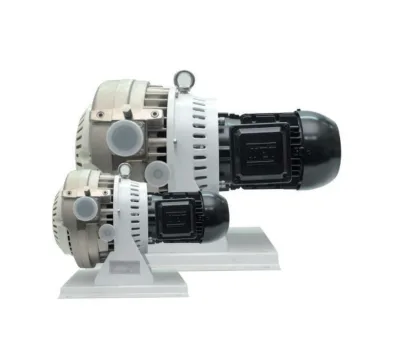
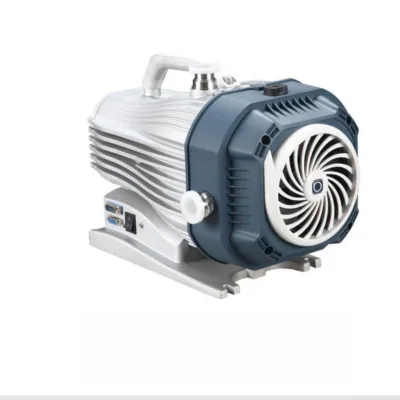
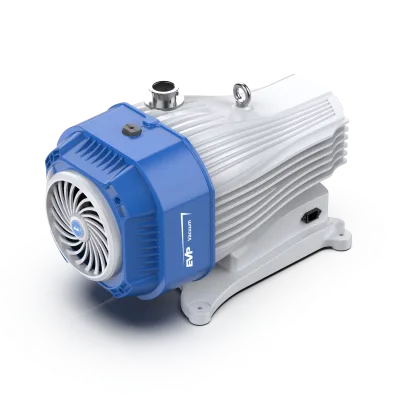
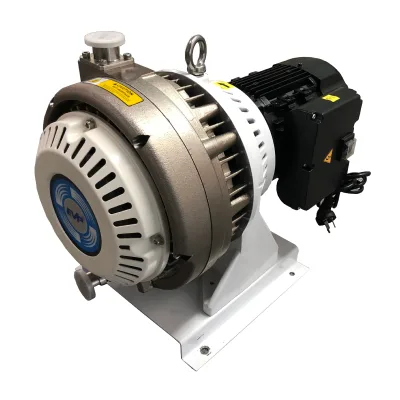
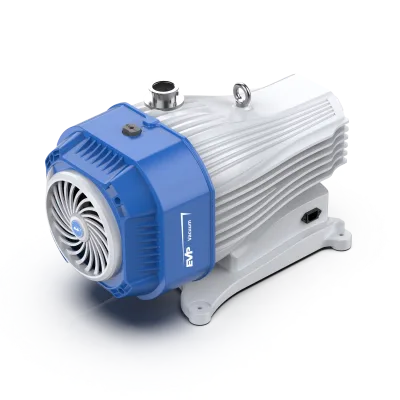
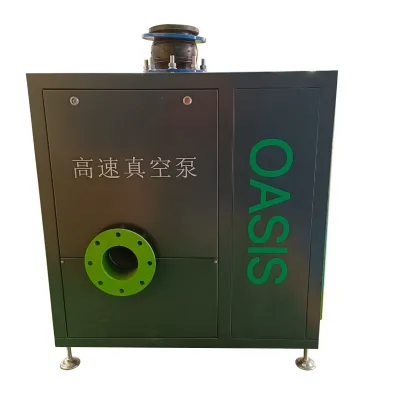
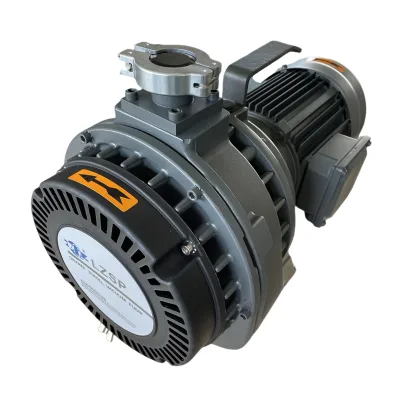
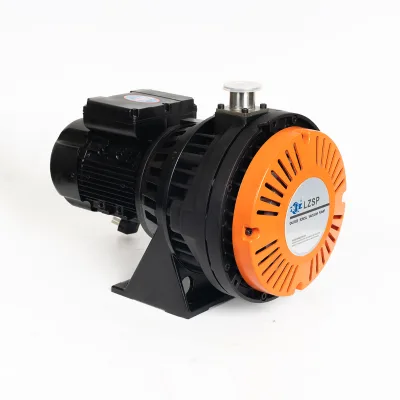
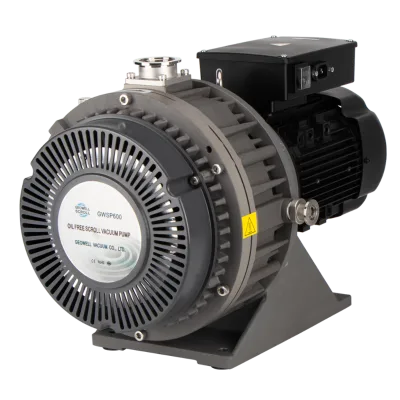
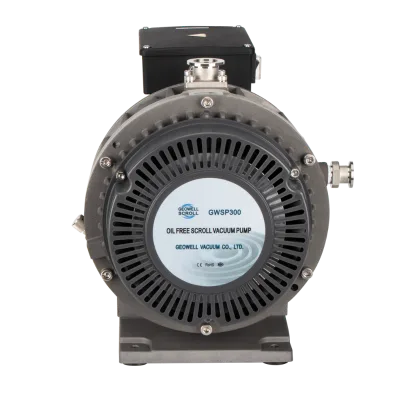
Chinese Exporter LZSP-300 Oil Free Scroll Vacuum Pump for Food Packaging and Semiconductor
$2173.9712 - $2588.061
MOQ: 1 sets
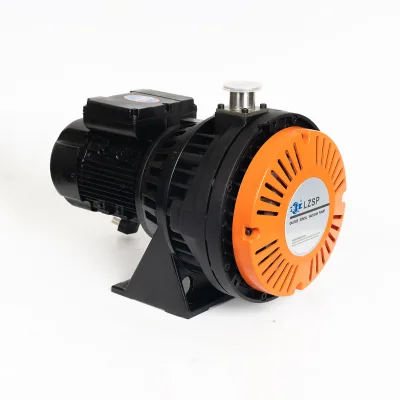
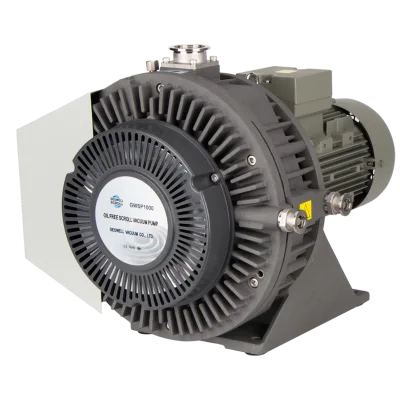
Contamination-Free Supplier LZSP Oil Free Vacuum Pump for Bioreactors and Filtration Systems
$2147.277 - $2556.2822
MOQ: 1 sets



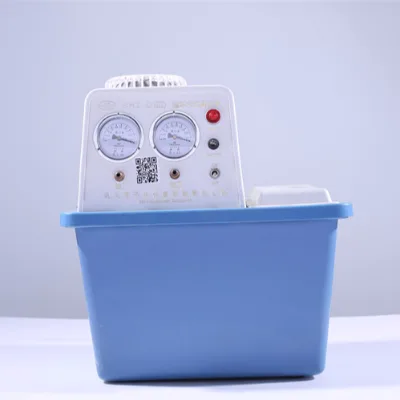
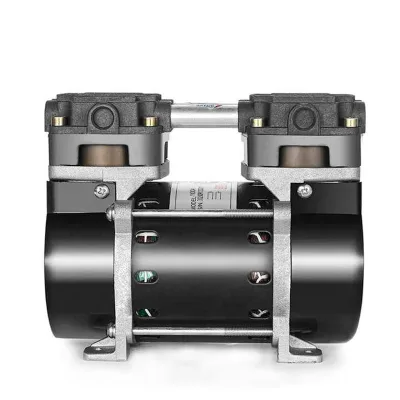
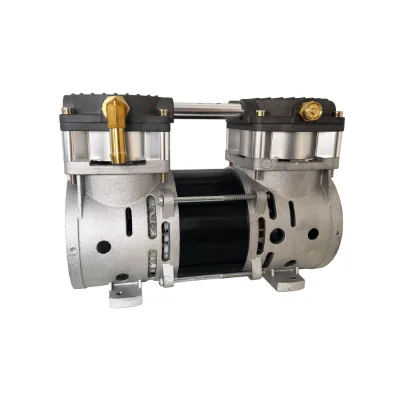
Comprehensive Sourcing Guide
Oilless Dry Scroll Vacuum Pump Sourcing Guide
Procuring oilless dry scroll vacuum pumps requires a precise understanding of their mechanical advantages and operational constraints. These pumps utilize a scroll mechanism to compress gas without introducing lubricating oil into the vacuum chamber, ensuring a clean, dry exhaust stream. This characteristic makes them ideal for applications where oil contamination is unacceptable, such as in semiconductor manufacturing, medical devices, and analytical instrumentation. Buyers must recognize that while these pumps offer superior cleanliness, they often operate at lower ultimate pressures compared to oil-sealed rotary vane pumps, necessitating careful system design to meet specific vacuum requirements.
The sourcing landscape for these components is diverse, with manufacturers offering various configurations to suit different industrial needs. Key differentiators include the pumping speed, which can range significantly based on the model, and the extreme pressure capabilities, typically observed in the range of 10 to 1 mbar for many standard units. Buyers should evaluate whether the pump is intended as a primary vacuum source or as a fore pump for more complex vacuum systems. Understanding the specific role of the pump within the larger vacuum architecture is critical for selecting the correct model and ensuring optimal system performance and longevity.
Product Scope and Observed Listing Signals
Market listings for oilless dry scroll vacuum pumps reveal a wide spectrum of product attributes and specifications. Observed data indicates a price range from approximately $40 to over $9,000, reflecting the diversity in size, power, and performance capabilities. Minimum order quantities (MOQs) are generally flexible, ranging from single units to batches of 100, which accommodates both prototype development and large-scale industrial deployment. Buyers should note that while some listings highlight "oil-free" operation, others may specify "oil" types, requiring careful verification of the actual pump technology to ensure it aligns with the requirement for a dry, contamination-free vacuum environment.
Technical observations from current listings show that many units are classified as rotary vacuum pumps or diaphragm pumps, with some explicitly labeled as scroll types. Common features include low noise operation, which is a significant benefit for laboratory and cleanroom environments, and the use of three-phase or single-phase electric motors. Voltage options vary widely, including 110V, 220V, 380V, and 460V, allowing for global compatibility. Buyers must verify the specific structure and working conditions, as some pumps are designed for dry operation while others may have different mechanical seals or clearance sealed designs that impact maintenance and performance.
Technical Specifications to Verify
When evaluating technical specifications, buyers must prioritize the pumping speed and vacuum degree to ensure compatibility with their process requirements. Observed pumping speeds for these pumps range from 3.6 to 59.8 cubic meters per hour, which dictates the throughput and cycle time of the vacuum process. The extreme pressure capabilities, often cited around 10 to 1 mbar, define the ultimate vacuum level achievable. It is essential to confirm whether the pump is suitable for low, medium, or high vacuum applications, as this directly impacts the selection of downstream components and the overall system efficiency.
Motor specifications and power sources are another critical area for verification. Listings indicate the use of electric motors, with options for three-phase or single-phase configurations, and voltages ranging from 110V to 460V. Buyers should also check the outlet size, which is commonly specified as KF16 or KF16*2, to ensure compatibility with existing vacuum tubing and fittings. Additionally, the mechanical seal type, whether clearance sealed or otherwise, affects the pump's ability to maintain a leak-tight environment. Confirming these details prevents integration issues and ensures that the pump can operate efficiently within the specified electrical and mechanical parameters of the facility.
Compliance and Safety Documentation
Compliance with international standards is a non-negotiable aspect of sourcing industrial vacuum equipment. Many suppliers provide certifications such as CE, ISO 9001, RoHS, SGS, BV, and EAC, which attest to the product's adherence to safety, quality, and environmental regulations. Buyers should request and verify these certificates to ensure that the pump meets the legal and safety requirements of their target market. The presence of these certifications also indicates a level of manufacturing maturity and quality control, which is crucial for long-term reliability and risk mitigation in industrial operations.
In addition to product certifications, buyers should inquire about the specific standards applied during the design and manufacturing process. While some listings mention standard or non-standard classifications, it is important to clarify which technical standards govern the pump's performance and safety features. Documentation should include detailed user manuals, maintenance guides, and warranty terms. Ensuring that all compliance documentation is readily available and up-to-date helps streamline the procurement process and facilitates easier integration into regulated industries where audit trails and compliance records are strictly enforced.
Cost Drivers and Commercial Terms
The cost of oilless dry scroll vacuum pumps is influenced by several factors, including pumping speed, motor power, and the complexity of the scroll mechanism. Higher pumping speeds and lower ultimate pressures typically command higher prices, as seen in the observed range from $40 to over $9,000. Buyers should also consider the cost of customization, as many suppliers offer OEM and ODM support to tailor pumps to specific applications. Customization can add to the initial cost but may result in significant operational savings by improving efficiency and reducing maintenance needs.
Commercial terms such as MOQ, lead times, and packaging methods also impact the total cost of ownership. While MOQs can be as low as one unit, larger orders may offer better pricing. Packaging is typically standardized, with options like wooden packing, export standard packing, or honeycomb cardboard boxes, which protect the pump during transit. Buyers should negotiate clear terms regarding shipping, insurance, and after-sales support. Understanding these commercial variables allows for more accurate budgeting and helps in selecting a supplier that offers the best balance of cost, quality, and service.
Supplier Qualification and Quality Control
Supplier qualification is a critical step in ensuring the reliability and performance of oilless dry scroll vacuum pumps. Buyers should assess the supplier's manufacturing capabilities, quality control processes, and track record in the industry. Suppliers with ISO 9001 certification and other relevant quality standards are generally more reliable, as they adhere to rigorous manufacturing and testing protocols. It is also important to verify the supplier's ability to provide consistent product quality and timely delivery, which are essential for maintaining uninterrupted production schedules.
Quality control measures should include pre-shipment inspections, performance testing, and documentation of test results. Buyers should request detailed specifications and performance data for the specific models they are considering. Additionally, suppliers should be able to provide evidence of their customization capabilities, such as OEM and ODM support, if required. Establishing a strong relationship with a qualified supplier ensures that any technical issues can be resolved quickly and that the pump meets the specific requirements of the application. Regular audits and feedback loops can further enhance the quality of the supply chain.
Long-Term Procurement Checks
Long-term procurement success depends on ongoing evaluation of supplier performance and product reliability. Buyers should monitor key performance indicators such as delivery times, product defect rates, and after-sales support responsiveness. Regular reviews of these metrics help identify potential issues early and allow for corrective actions to be taken. Additionally, buyers should stay informed about technological advancements in vacuum pump technology, as newer models may offer improved efficiency, lower noise levels, or enhanced durability.
Maintenance and spare parts availability are also critical considerations for long-term procurement. Buyers should ensure that the supplier provides a comprehensive list of spare parts and offers technical support for maintenance and repairs. This ensures that the pump can be kept in optimal condition, minimizing downtime and extending its lifespan. By maintaining a proactive approach to supplier management and product maintenance, buyers can maximize the value of their investment in oilless dry scroll vacuum pumps and ensure consistent performance over time.
FAQs
What is the pumping speed range for these oilless dry scroll vacuum pumps?
The pumping speed ranges from 3.6 to 59.8 cubic meters per hour. This capacity supports various industrial pre-suction and fore pump applications. The rotary vacuum pump structure ensures consistent performance across the specified range for dry working conditions.
Can these pumps be customized for specific industrial requirements?
Yes, customization is available for these oil-free type scroll vacuum pumps. Buyers can request OEM or ODM support to tailor the units. This flexibility allows for specific voltage and motor configurations to match distinct operational needs and facility standards.
What certifications do these vacuum pumps typically hold?
These pumps often hold CE, RoHS, ISO9001, SGS, BV, and EAC certifications. Such standards ensure compliance with international safety and quality requirements. The products are manufactured in China, adhering to strict quality control measures for global market distribution.
How is the vacuum degree defined for these dry pumps?
The vacuum degree varies from low to high vacuum levels. The extreme pressure reaches between 10 and 1 mbar. This range makes them suitable for diverse applications requiring reliable dry pumping without oil contamination in sensitive industrial processes.
What are the standard packaging options for these pumps?
Standard packaging includes wooden crates and export-standard honeycomb cardboard boxes. Dimensions vary by model, such as 576x450x402mm for specific units. This ensures safe transit and protection against damage during international shipping from manufacturing origins in China.
What voltage options are available for the motor power source?
Voltage options include 110V, 220V, 380V, 415V, and 460V. The pumps utilize electric power sources with one or three-phase motors. This versatility allows integration into various electrical systems across different global regions and industrial facilities.