Single-Stage Electric Booster Pump Suppliers and Manufacturers
Find 30 verified suppliers offering single-stage electric booster pumps with ISO certifications and OEM capabilities. Compare lead times, response rates, and material specs like cast iron or stainless steel. Request quotes directly to verify pricing and MOQ; review the available evidence before requesting comparable quotations from suitable candidates.
Updated
Suppliers List

Shijiazhuang Chongmu Fluid Machine Co., Ltd.
- Manufacturer/Factory
- China Hebei
- Lead time23 days
- Avg. response≤ 3h
Main productsSlurry Pump, Inline Pump, Submersible Slurry Pump, Multistage Pump, End Suction Pump, Submersible Sewage Pump, Split Case Pump, Vertical Slurry Pump, Gravel Pump, Mixed Flow Pump
Main marketsSouth America,Eastern Europe,Mid East,North America,Southeast Asia,Oceania,Western Europe,Africa

- Verified by CTI
- Combined
- China Hunan
- Lead time30 days
- Avg. response≤ 4h
Main productsOil Pump, Electric Pump, Multistage Pump, Water Pump, Chemical Pump, Boiler Feed Pump, Centrifugal Pump
Main marketsSouth America,Africa,Southeast Asia/ Mideast,East Asia(Japan/ South Korea),Domestic,Europe


Horizontal Single Stage Centrifugal Pump/Booster Pump/Horizontal Circulation Pump
$1500.00 - $11200.90
MOQ: 1 Pieces


Electric Booster Pump for Chemicals with High Efficiency and Durability
$412.00 - $8639.90
MOQ: 1 Pieces

Yeschamp Imp& Exp (Taizhou) Co., Ltd.
- Combined
- China Zhejiang
- Lead time30 days
- Avg. response≤ 8h
Main productsY Pumps, Engines
Main marketsSouth America,Africa,Southeast Asia/ Mideast

GUANGZHOU BEDFORD ELECTRIC EQUIPMENT CO.,LTD.
- Verified by BV
- Combined
- China Guangdong
- Lead time15 days
- Avg. response≤ 10h
Main productsFrequency Inverter, Variable Frequency Drive, Variable Speed Drive, VFD, VSD, AC Inverter, Frequency Converter, Pump Controller, AC Drive, Solar Inverter
Main marketsSouth America,Africa,Southeast Asia/ Mideast,East Asia(Japan/ South Korea),Domestic,Europe,North America
Shanghai Kaiyuan Pump Industrial Co., Ltd.
- Verified by SGS Group
- Manufacturer, Trading Company
- Lead time12 days
- Avg. response≤ 6h
Main productsWater Pump
Main marketsDomestic Market(33%), South America(18%), North America(9%)
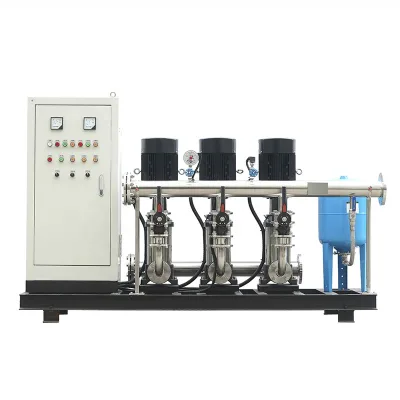
Booster Pump High Head Centrifugal Drinking Water Pump for Sale
$1198.00 - $1399.00
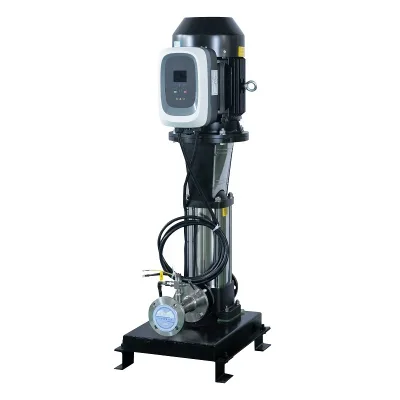

Zhejiang Pinyue Electromechanical Co.,Ltd.
- Verified by TUVRHEINLAND
- Combined
- China Zhejiang
- Lead time23 days
- Avg. response≤ 4h
Main productsWater Pump, Pump
Main marketsDomestic
Zhejiang SeekXuan Intelligent Technology Co., Ltd.
- Verified by SGS Group
- Manufacturer, Trading Company
- Lead time35 days
- Avg. response≤ 2h
Main productsSelf-priming Pump, Submersible Pump, Sewage Pump, Jet Pump, Centrifugal Pump
Main marketsDomestic Market(25%), South Asia(12%), Southeast Asia(10%)

- Verified by TUVRHEINLAND
- Trading Company
- China Beijing
- Lead time30 days
- Avg. response≤ 2h
Main productsCentrifugal Pump, Slurry Pump, Water Pump, Multistage Pump, Submersible Pump, Stainless Steel Pump, Sand Pump, Split Casing Pump, Fire Pump, End Suction Pump
Main marketsAfrica,Southeast Asia/ Mideast,Domestic,Europe,North America

Pipeline Centrifugal Pump Single Stage Single Suction Vertical Inline Booster Pump
$199.00 - $1999.00
MOQ: 199 Pieces

Single-Stage Single Suction Stainless Steel Centrifugal Electric Mono Block Booster Industrial Pump
$199.00 - $599.00
MOQ: 1 Pieces


LEO GROUP PUMP (HUNAN) CO., LTD.
- Manufacturer
- China Hunan
- Lead time45 days
- Avg. response≤ 2h
Main productsSubmersible Sewage Pump, Vertical Pipe Pump, Double-Suction Centrifugal Pump, Axial Flow Pump, End Suction Centrifugal Pump, Submersible Axial Flow Pump
Main marketsSouth America,Southeast Asia/ Mideast,East Asia(Japan/ South Korea),Domestic,Europe,North America

$1000.00 - $10000.00
MOQ: 1 Pieces

- Verified by TüVRheinland
- Manufacturer, Trading Company
- Lead time15 days
- Avg. response≤ 4h
Main productsIndustrial Pump, Fire Pump, Centrifugal Pump
Main marketsAfrica(50%), Mid East(30%), Eastern Europe(10%)

Shijiazhuang An Pump Machinery Co., Ltd.
- Verified by BV
- Manufacturer/Factory
- China Hebei
- Lead time38 days
- Avg. response≤ 5h
Main productsSlurry Pump, Single Stage End Suction Pump, Split Casing Pump, Multistage Pump, Sand Gravel Pump, Submersible Pump, Self Priming Pump, Vertical Sump Pump, Mud Pump, Chemical Pump
Main marketsSouth America,Eastern Europe,Mid East,North America,Southeast Asia,Eastern Asia,Oceania,Western Europe,Africa

Guangzhou Baiyun Pump Group Co., Ltd
- Verified by TUVRHEINLAND
- Combined
- China Guangdong
- Lead time23 days
- Avg. response≤ 2h
Main productsPump, Water Pump, Centrifugal Pump, Sewage Pump, Air Conditioner Pump, Water Supply Equipment, Water Supply Devices, Sewage Devices, Fire Pump, Fire Devices
Main marketsSoutheast Asia/ Mideast,Domestic,Europe

WENLING GOOD COMMERCE & TRADE CO., LTD.
- Verified by BV
- Trading Company,Manufacturer/Factory
- China Zhejiang
- Lead time23 days
- Avg. response≤ 20h
Main productsElectric Motor, Gearbox, Vibrator Motor, AC Fan, AC Motor, Gear Box Motor, Three Phase Motor, Single Phase Motor, Asynchronous Motor, Induction Motor
Main marketsSouth America,Eastern Europe,Mid East,North America,Southeast Asia,Eastern Asia,Oceania,Western Europe,Africa
Anhui Hengnai Pump Industry Co., Ltd.
- Manufacturer
- Anhui, China
- Lead time5 days
- Avg. response≤ 2h
Main productsDiaphragm pumps,multistage pump,centrifugal pump,magnetic pump,chemical pump
Main marketsDomestic Market(50.00%), Southeast Asia(20.00%), North America(10.00%), South Asia(5.00%), Northern Europe(3.00%), Africa(3.00%), Eastern Europe(2.00%), South America(2.00%), Western Europe(2.00%), Eastern Asia(2.00%), Oceania(1.00%)
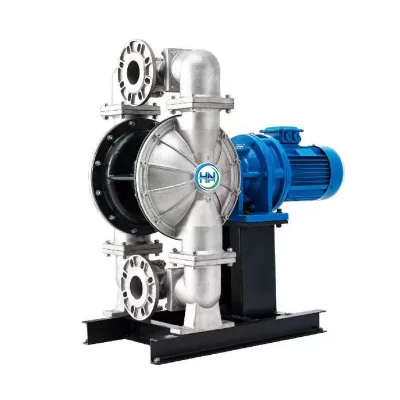
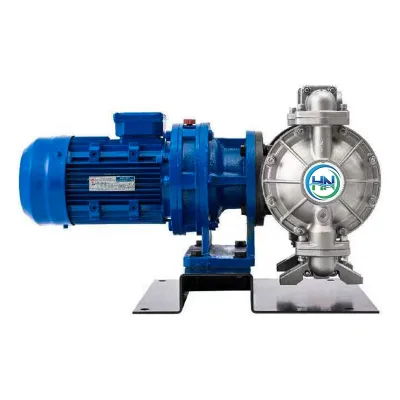
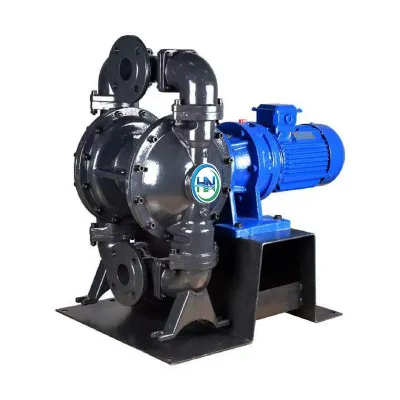
Electric Power Self-Priming Booster Water Pump Micro Electric Diaphragm Eodd Pumps
$180.00 - $200.00
MOQ: 1

Shanghai Liansheng Pump-Making Co., Ltd.
- Manufacturer
- China Shanghai
- Lead time23 days
- Avg. response≤ 7h
Main productsCentrifugal Pump, Centrifugal Submersible Pump, Fire Pump, Sump Pump, Mine Pump, Motor
Main marketsSouth America,Africa,Southeast Asia/ Mideast,East Asia(Japan/ South Korea),Domestic,Europe,Australia,North America

- Verified by TUVRHEINLAND
- Combined
- China Fujian
- Lead time30 days
- Avg. response≤ 5h
Main productsWater Pump, Electric Motor, Alternator, Generator Set, Solar Pump, Suface Pump, Synchronous Generator, Asynchronous Motor
Main marketsSouth America,Africa,Southeast Asia/ Mideast,Europe

High Pressure Booster Centrifugal Pump Electric Water Pump Cheap Price
$40.00 - $70.00
MOQ: 100 Pieces

Factory Supply Durable Single Stage Centrifugal Water Pump for Booster
$40.00 - $70.00
MOQ: 100 Pieces


Hangzhou Chayo Environmental & Technology Co., Ltd.
- Trading Company
- Zhejiang, China
- Lead time30 days
- Avg. response≤ 4h
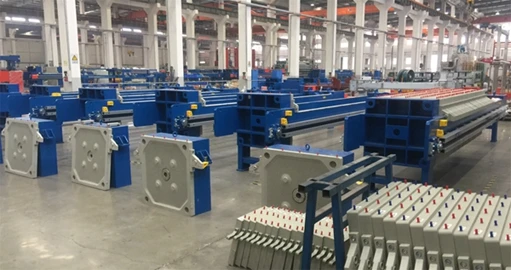
Main productsfilter press,filter plate,pipe fitting,pumps,valves
Main marketsDomestic Market(15.00%), North America(10.00%), Western Europe(10.00%), Mid East(10.00%), South Asia(10.00%), Southern Europe(10.00%), Eastern Europe(10.00%), South America(10.00%), Central America(5.00%), Africa(5.00%), Southeast Asia(5.00%)
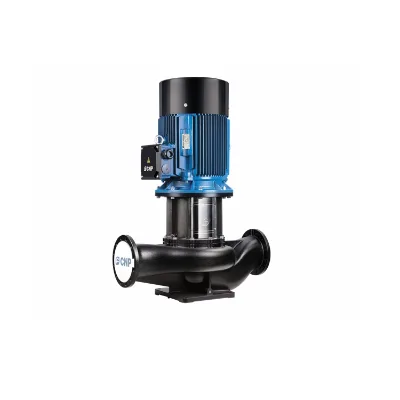
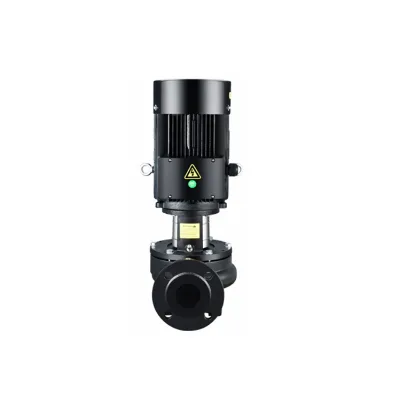
High Quality High Lift 8 Inch Electric Vertical Inline Water Booster Pumps with 60Hz Motor
$2813.3009 - $6363.5924
MOQ: 1 Minimum

Taizhou Ailandar Pump Industry Co., Ltd.
- Verified by SGS
- Trading Company
- China Zhejiang
- Lead time30 days
- Avg. response≤ 13h
Main productsPump, Deep Well Pump, Sewage Pump, Circulation Pump, Swimming Pool Pump, Submersible Sewage Pump
Main marketsSouth America,Southeast Asia/ Mideast,Europe

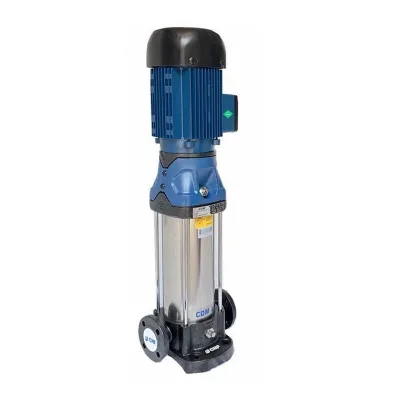
Electric Vertical Pressure Hot Water Circulating Centrifugal Booster Pump
$45.00 - $50.00
MOQ: 1 Pieces


Pressure Boosting Pump Good Price High Quality Pumps Circulating Water Pump
$15.00 - $99.00
MOQ: 1 Pieces
Shijiazhuang An Pump Machinery Co., Ltd.
- Verified by TüVRheinland
- Manufacturer, Trading Company
- Lead time7 days
- Avg. response≤ 2h
Main productsSlurry Pump, Sand Gravel Pump, Submersible Sewage Pump, Diesel Water Pump, Water Pump
Main marketsSoutheast Asia(25%), North America(15%), South America(15%)
Wenzhou Meilian Pump Valve Co., Ltd.
- Manufacturer, Trading Company
- Zhejiang, China
- Lead time15 days
- Avg. response≤ 3h
Main productspump,Valves and fittings,Complete equipment for sewage treatment,Mechanical equipment and accessories,Mechanical equipment and accessories
Main marketsNorth America(30.00%), Africa(20.00%), Northern Europe(10.00%), Southeast Asia(10.00%), Central America(10.00%), Western Europe(10.00%), Oceania(10.00%)
Zhejiang Dingqiao Water Technology Co., Ltd.
- Trading Company
- Zhejiang, China
- Lead time20 days
- Avg. response≤ 21h
Main productsWater pump,Pump accessories
Main marketsSouth Asia(10.00%), Southern Europe(10.00%), Central America(10.00%), Western Europe(10.00%), Eastern Asia(10.00%), Mid East(10.00%), Africa(10.00%), Southeast Asia(10.00%), Eastern Europe(10.00%), South America(10.00%), North America(10.00%)
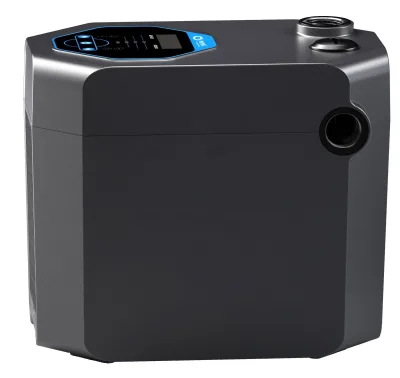
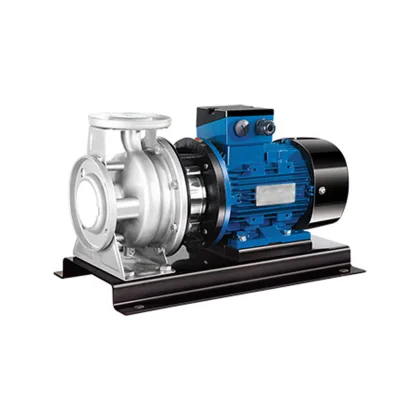
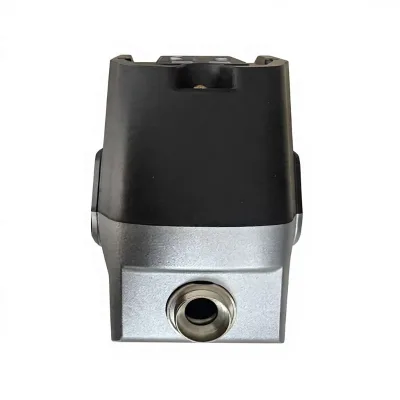
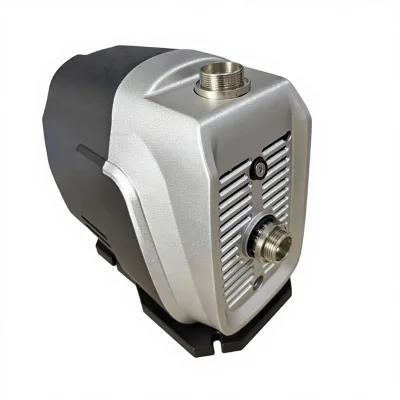
Permanent Magnet Self-priming Variable Frequency High Pressure Constant Pressure Pump
$58.00 - $63.00
MOQ: 100

ZHEJIANG CHENJIE PUMP INDUSTRY CO., LTD.
- Verified by BV
- Trading Company
- China Zhejiang
- Lead time30 days
- Avg. response≤ 3h
Main productsWater Pumps, Booster Pumps, Circulating Pumps, Jet Pumps, Centrifugal Pumps, Submersible Pumps, Garden Pumps, Pressure Pumps, Sewage Pumps, Pumps
Main marketsSouth America,Africa,Southeast Asia/ Mideast,East Asia(Japan/ South Korea),Europe,Australia,North America
Zhejiang Happy Pump Industry Co., Ltd.
- Verified by SGS Group
- Manufacturer, Trading Company
- Lead time30 days
- Avg. response≤ 6h
Main productsPump, Motor
Main marketsSouth Asia(40%), Eastern Europe(20%), Africa(20%)

NINGBO FASTRACK INT'L TRADE CO., LTD.
- Trading Company
- China Zhejiang
- Lead time30 days
- Avg. response≤ 9h
Main productsMultifunctional Nail Gun, Pneumatic Nailers, Pneumatic Staplers, Flow Drills, Electric Nail Gun, Friction Drill
Main marketsSouth America,Southeast Asia/ Mideast,East Asia(Japan/ South Korea),Europe,North America
Shenzhen Chengxiang Technology Co., Ltd.
- Verified by Intertek
- Trading Company
- Lead time0 days
- Avg. response≤ 6h
Main productsSoldering Stations, Spot Welders, Screen Removal Separator, SMT Machine, Heat-transfer Machine
Main marketsSouthern Europe(20%), Eastern Europe(18%), North America(15%)
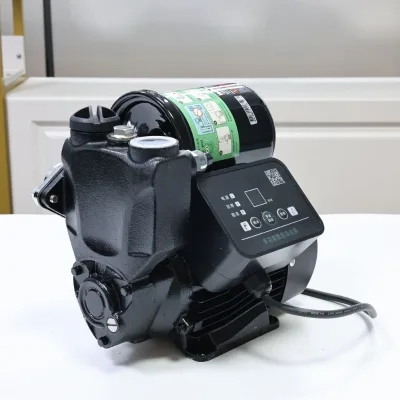
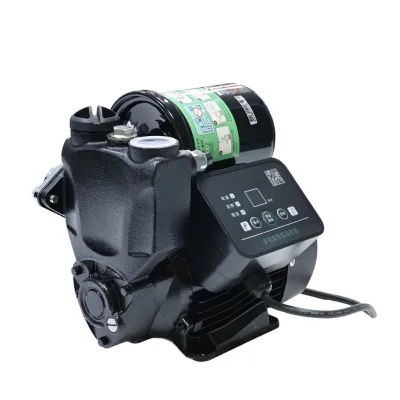
1390W Booster Pump - 90M Lift & 8.5m³/h Flow for Home/Farm/Industry
$108.00 - $135.00
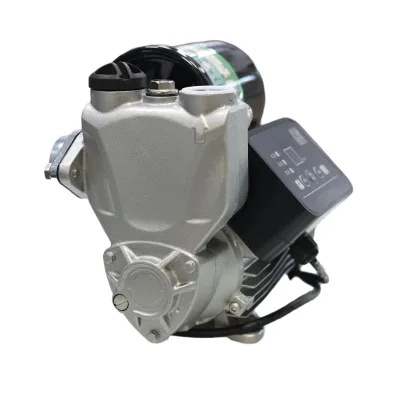
1390W Booster Pump - 8.5m³/h Flow Feeds 5 Showers Simultaneously
$110.00 - $138.00
- Verified by SGS Group
- Trading Company
- Lead time10 days
- Avg. response≤ 5h
Main productsAscorbic Acid, Citric Acid, Creatine, Saccharin Sodium, Monosodium Glutamate, Sodium Lauryl Ether Sulphate, Melamine, Xanthan Gum, Polyvinyl Chloride, Phosphoric Acid
Main marketsSouth Asia(60%), Eastern Europe(40%)

Hangzhou Tianchen Import and Export Co., Ltd.
- Verified by SGS
- Trading Company,Manufacturer/Factory
- China Zhejiang
- Lead time105 days
- Avg. response≤ 4h
Main productsChemical Pump, FRP Tank, HCl Graphite Tower
Main marketsMid East,Eastern Asia,Africa
Zhejiang Lonkey Technology Co., Ltd.
- Verified by SGS Group
- Manufacturer, Trading Company
- Lead time25 days
- Avg. response≤ 7h
Main productsWater Pump
Main marketsSouth America(30%), Eastern Europe(30%), Mid East(20%)
- Verified by Intertek
- Manufacturer, Trading Company
- Lead time10 days
- Avg. response≤ 4h
Main productsPump, Air Turbo Blower, Mixing Equipment, Aeration Equipment, Solid and Liquid Separation Equipment
Main marketsWestern Europe(15%), South Asia(15%), North America(10%)
Guangdong Bailong Industrial Co., Ltd.
- Trading Company
- Guangdong, China
- Lead time45 days
- Avg. response≤ 2h
Main productsManufacturer of centrifugal pumps,sewage pumps,Motor,deep well submersible pumps,Self-priming pumps
Main marketsSoutheast Asia(50.00%), Domestic Market(37.00%), South Asia(3.00%), Africa(3.00%), Eastern Asia(2.00%), South America(1.00%), North America(1.00%), Southern Europe(1.00%), Eastern Europe(1.00%), Mid East(1.00%)










Comprehensive Sourcing Guide
Single-Stage Electric Booster Pump Supplier Concentration and Factory Types
The current supplier landscape for single-stage electric booster pumps reveals a distinct geographic and structural concentration, primarily anchored in China. Evidence indicates that manufacturing entities are heavily clustered in specific provinces, with Hebei and Hunan emerging as notable hubs for production facilities. In Hebei, suppliers are predominantly identified as manufacturers or factories, suggesting a direct link between the production site and the sourcing channel. This concentration allows buyers to potentially access facilities that specialize in high-volume output for standard models like the ISW horizontal inline pumps. Meanwhile, Hunan-based suppliers present a slightly different profile, with some entities classified as combined companies rather than pure manufacturers. This distinction is critical for buyers assessing whether they are dealing with a direct factory or a trading entity that may add layers to the supply chain. The presence of Zhejiang-based suppliers introduces another dimension, with some focusing on specific niches like self-priming jet pumps, although their primary product lists may also include engines. Understanding this geographic distribution helps buyers narrow their search to regions with established industrial ecosystems for pump manufacturing, ensuring that the suppliers they engage with have the necessary infrastructure and supply chain maturity to support consistent production.
Beyond geography, the types of companies offering these pumps vary significantly in their operational capabilities and service models. The data shows a mix of pure manufacturers, combined entities, and suppliers with diverse main product portfolios. For instance, some suppliers list a broad range of pump types, including slurry pumps, multistage pumps, and submersible sewage pumps, indicating a versatile manufacturing capability that can adapt to different single-stage booster pump requirements. Others may focus more narrowly on specific electric pumps or chemical-resistant variants. This variation in company type directly impacts the buyer’s ability to customize products or access specialized engineering support. Manufacturers in Hebei, for example, often highlight OEM and ODM capacities, suggesting flexibility in adapting standard designs to specific client needs. In contrast, combined companies in Hunan might offer a broader range of verification services, such as CTI verification, which can provide an additional layer of trust for buyers who are less familiar with the local market. By categorizing suppliers based on their type and primary product focus, buyers can better align their sourcing strategy with their specific operational requirements, whether they need high-volume standard units or specialized, customized solutions.
How to Verify Single-Stage Electric Booster Pump Suppliers
Verifying the legitimacy and capability of single-stage electric booster pump suppliers requires a multi-layered approach that goes beyond simple profile reviews. One of the most critical steps is to check for recognized system certifications, which serve as a baseline indicator of quality management and environmental responsibility. Evidence from the current results shows that many suppliers hold ISO 9001 and ISO 14001 certifications, which are standard for reputable manufacturers in the pump industry. These certifications suggest that the supplier has established processes for quality control and environmental management, reducing the risk of inconsistent product quality. Buyers should actively request copies of these certificates and verify their validity through the issuing bodies. Additionally, some suppliers may hold specific product certifications or undergo third-party verification processes, such as CTI verification, which provides an independent assessment of the supplier’s business legitimacy. This type of verification is particularly valuable for buyers sourcing from regions where they have limited local knowledge, as it adds an objective layer of trust to the supplier’s profile. By prioritizing suppliers with these verifiable credentials, buyers can significantly mitigate the risk of engaging with fraudulent or low-quality operations.
Beyond certifications, buyers should assess the supplier’s responsiveness and technical support capabilities as indicators of their operational maturity. The response time metric, which measures how quickly a supplier replies to inquiries, can be a useful proxy for their customer service quality. In the current data, response times vary, with some suppliers responding within a few hours, while others may take longer. A faster response time often correlates with a more organized sales team and better communication channels, which are essential for resolving technical questions or negotiating terms efficiently. Buyers should also look for suppliers who provide detailed product attributes, such as motor driving types, impeller configurations, and material specifications. Suppliers that offer comprehensive technical data demonstrate a higher level of professionalism and transparency. Furthermore, buyers should inquire about the supplier’s ability to provide customization options, such as different voltage frequencies or material grades like SS304 or SS316. A supplier that is willing and able to provide detailed technical information and customization options is more likely to be a reliable partner for long-term sourcing relationships. By combining certification checks with assessments of responsiveness and technical depth, buyers can build a robust verification framework for selecting the right single-stage electric booster pump suppliers.
What to Compare Across Single-Stage Electric Booster Pump Suppliers
When evaluating multiple suppliers for single-stage electric booster pumps, buyers must systematically compare key operational metrics to identify the most suitable partner. One of the most critical factors is the lead time, which indicates how long it takes for the supplier to fulfill an order after confirmation. The current data shows lead times ranging from approximately 23 to 30 days, which can significantly impact project timelines and inventory management. Buyers should align their order planning with these lead times to avoid production delays. Additionally, the minimum order quantity (MOQ) is a crucial consideration, especially for smaller buyers or those testing new markets. Some suppliers offer an MOQ of just one unit, providing flexibility for trial orders, while others may have higher thresholds. Comparing MOQs allows buyers to assess the supplier’s willingness to accommodate different order sizes and their flexibility in handling small-batch production. Another important metric is the price range, which can vary widely based on the pump’s specifications, materials, and customization options. Buyers should request detailed quotations for specific models, such as the ISW or ISG series, to compare costs accurately. By focusing on lead times, MOQs, and pricing, buyers can make informed decisions that balance cost efficiency with operational reliability.
Beyond these basic metrics, buyers should also compare the suppliers’ main product portfolios and customization capabilities to ensure alignment with their specific needs. Suppliers with a diverse range of main products, such as those offering slurry pumps, multistage pumps, and submersible pumps, may have more robust manufacturing facilities and engineering resources. This diversity can be an indicator of the supplier’s ability to handle complex orders or provide technical support for related products. Additionally, buyers should assess the supplier’s capacity for OEM and ODM services, which are essential for those seeking customized solutions. Some suppliers explicitly state their ability to customize products, including options for different motor types, impeller designs, and material grades. Buyers should inquire about the extent of these customization options and any associated costs or lead time impacts. Furthermore, comparing the suppliers’ response times can provide insights into their customer service quality and operational efficiency. A supplier with a faster response time is more likely to be responsive to urgent requests or technical queries. By systematically comparing these operational and technical attributes, buyers can identify suppliers that not only offer competitive prices but also possess the capabilities to support their specific sourcing requirements effectively.
Common Single-Stage Electric Booster Pump Sourcing Risks
Sourcing single-stage electric booster pumps from international suppliers, particularly those in China, involves several inherent risks that buyers must proactively manage. One significant risk is the potential for quality inconsistencies, especially when dealing with suppliers who have broad product portfolios or limited verification. While many suppliers hold ISO certifications, these do not guarantee that every unit produced meets the same high standards. Buyers may encounter variations in material quality, such as the use of lower-grade stainless steel or cast iron, which can affect the pump’s durability and performance. This risk is heightened when buyers prioritize low prices over comprehensive supplier verification. Additionally, the complexity of pump specifications, including motor voltage, frequency, and impeller design, can lead to misunderstandings if not clearly communicated. A mismatch in these technical details can result in pumps that are incompatible with the buyer’s existing infrastructure, leading to costly returns or project delays. To mitigate this risk, buyers should insist on detailed technical specifications and, if possible, request samples or third-party testing reports before placing large orders. Clear communication and rigorous quality checks are essential to ensuring that the delivered products meet the required performance standards.
Another common risk is the variability in supplier responsiveness and after-sales support, which can impact the overall sourcing experience. The data shows that response times can vary significantly among suppliers, with some taking several hours to reply to inquiries. Slow response times can indicate poor communication channels or a lack of dedicated customer service teams, which can be problematic when urgent issues arise. Furthermore, buyers may face challenges in obtaining timely technical support or spare parts after the initial purchase, especially if the supplier is located in a different time zone or has limited international support infrastructure. This risk is particularly relevant for buyers who rely on continuous operation of their pumping systems and cannot afford prolonged downtime. To address this, buyers should assess the supplier’s support capabilities during the pre-purchase phase, including their willingness to provide detailed documentation and their track record in handling customer queries. Additionally, buyers should consider the supplier’s location and logistics capabilities, as these can affect shipping times and the ease of resolving any post-sale issues. By anticipating these risks and implementing robust mitigation strategies, buyers can protect their interests and ensure a smoother sourcing process for single-stage electric booster pumps.
Single-Stage Electric Booster Pump Regional Sourcing and Logistics
The geographic location of suppliers plays a crucial role in determining logistics efficiency and overall sourcing costs for single-stage electric booster pumps. Evidence indicates that major manufacturing clusters are concentrated in provinces such as Hebei, Hunan, and Zhejiang in China. Each of these regions offers distinct logistical advantages and challenges that buyers should consider when selecting a supplier. Hebei, for instance, is known for its heavy industrial base and may offer competitive shipping rates due to its proximity to major ports and transportation networks. This can be beneficial for buyers seeking cost-effective solutions for high-volume orders. Hunan, located in central China, may provide a balanced logistical profile, with access to both rail and road networks that facilitate efficient distribution to various parts of the country and beyond. Zhejiang, on the other hand, is a hub for light industry and may offer faster turnaround times for smaller, customized orders due to its advanced manufacturing infrastructure. Buyers should evaluate the supplier’s location in the context of their own logistics network, considering factors such as shipping distance, transit times, and the availability of reliable freight forwarders. By aligning supplier locations with their logistical capabilities, buyers can optimize their supply chain and reduce overall procurement costs.
In addition to geographic proximity, buyers must also consider the packaging and handling requirements of single-stage electric booster pumps to ensure safe and efficient transportation. The current data shows that suppliers typically use export-standard wooden boxes or plywood cases for packaging, which are designed to protect the pumps during transit. However, the quality of packaging can vary, and buyers should verify that the supplier uses robust materials and proper securing methods to prevent damage. Additionally, buyers should be aware of the weight and dimensions of the pumps, as these factors can impact shipping costs and handling requirements. For example, larger pumps with higher capacities may require special handling equipment or containerization strategies to ensure safe transport. Buyers should also consider the supplier’s experience in international shipping, including their familiarity with export documentation, customs clearance, and insurance requirements. A supplier with a strong track record in international logistics can help streamline the shipping process and reduce the risk of delays or complications. By carefully evaluating both the geographic location and logistical capabilities of suppliers, buyers can ensure that their single-stage electric booster pumps are delivered safely and efficiently, minimizing disruptions to their operations.
Single-Stage Electric Booster Pump Commercial Terms and Order Planning
Effective order planning for single-stage electric booster pumps requires a thorough understanding of the commercial terms offered by suppliers, including pricing structures, payment conditions, and delivery schedules. The
FAQs
What is the typical lead time for single-stage electric booster pumps?
Manufacturers in China generally require 23 to 30 days for production and delivery. This timeframe depends on order volume and customization needs. Buyers should confirm specific schedules with suppliers before placing orders to ensure timely project completion.
What certifications do these pump suppliers typically hold?
Most verified suppliers hold ISO 9001 and ISO 14001 system certifications. Some also provide ISO9001:2015 and ISO14001:2015 certificates. These standards ensure quality management and environmental compliance. Buyers should request valid certificates to verify supplier credentials.
What is the minimum order quantity for these pumps?
The minimum order quantity is typically one unit. This allows buyers to test performance before larger purchases. Suppliers accept small orders to accommodate diverse project requirements. Buyers can start with a single unit to evaluate quality and fit.
What materials are used for pump casings and impellers?
Common materials include cast iron and stainless steel grades like SS304, SS316, and SS201. Some models use Ggg40 or 2Cr13 for specific applications. Material choice depends on fluid compatibility and pressure requirements. Buyers should select materials based on their specific operational needs.
What is the price range for single-stage electric booster pumps?
Prices range from approximately 98 to 11,200 USD per unit. Costs vary based on motor power, material, and flow capacity. Basic models start lower, while high-efficiency or stainless steel versions cost more. Buyers should compare specifications to find the best value for their budget.
What is the maximum head pressure these pumps can achieve?
Many models achieve a maximum head of over 150 meters. Some high-efficiency versions reach up to 160 meters. This capacity suits various industrial and commercial applications. Buyers should verify head requirements against specific pump models to ensure adequate pressure.
Do suppliers offer OEM and ODM services?
Yes, most manufacturers provide both OEM and ODM capabilities. Customization is available for motors, colors, and specifications. Buyers can request tailored solutions for unique project needs. Suppliers in China specialize in adapting products to specific client requirements.