Three Phase Motor Multistage Pump Suppliers and Manufacturers
Explore 30 verified manufacturers offering three phase motor multistage pumps with ISO certifications and customizable options. Compare lead times, response rates, and pricing to source reliable horizontal or vertical pumps from China. Review product specifications and request quotes today; review the available evidence before requesting comparable quotations from suitable candidates.
Updated
Suppliers List

Shanghai East Pump (Group) Co., Ltd.
- Manufacturer
- China Shanghai
- Lead time15 days
- Avg. response≤ 23h
Main productsWater Pump, Pump, Centrifugal Pump, Submersible Pump, Multistage Pump, Single Stage Pump, Split Casing Pump, Douple Suction Pump, Mixed Flowing Pump, Axial Flowing Pump
Main marketsSoutheast Asia/ Mideast,Europe

Shijiazhuang An Pump Machinery Co., Ltd.
- Verified by BV
- Manufacturer/Factory
- China Hebei
- Lead time38 days
- Avg. response≤ 4h
Main productsSlurry Pump, Single Stage End Suction Pump, Split Casing Pump, Multistage Pump, Sand Gravel Pump, Submersible Pump, Self Priming Pump, Vertical Sump Pump, Mud Pump, Chemical Pump
Main marketsSouth America,Eastern Europe,Mid East,North America,Southeast Asia,Eastern Asia,Oceania,Western Europe,Africa
Grimm Water Treatment (Zhejiang) Co.,Ltd.
- Manufacturer
- Zhejiang, China
- Lead time0 days
- Avg. response≤ 1h
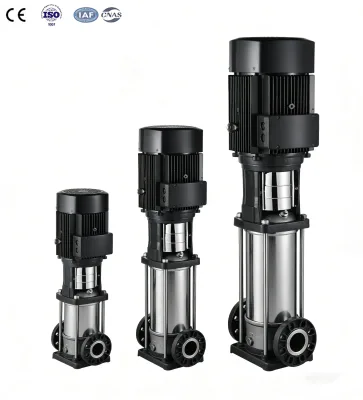
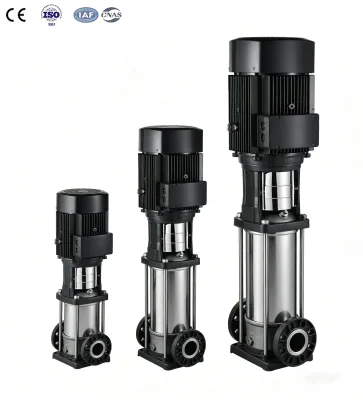
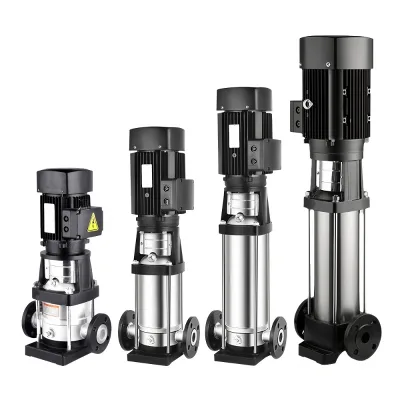
CDL Series Vertical Multistage Pump with High Quality
$169.00 - $184.28

Taizhou Kangqiao Electromechanical Equipment Co., Ltd.
- Verified by BV
- Combined
- China Jiangsu
- Lead time60 days
- Avg. response≤ 2h
Main productsPump, Centrifugal Pump, Chemical Centrifugal Pump, Centrifugal Water Pump, Vertical Centrifugal Pump, Centrifugal Slurry Pump
Main marketsDomestic
Chongqing JERI Marine Equipment Co., Ltd.
- Manufacturer, Trading Company
- Chongqing, China
- Lead time15 days
- Avg. response≤ 2h
Main productsvalves,flame arrester,breather valve,gate valve,butterfly valve
Main marketsWestern Europe(21.30%), North America(19.50%), Northern Europe(18.60%), Eastern Europe(14.10%), Mid East(13.80%), South America(12.70%)

- Verified by TUVRHEINLAND
- Trading Company
- China Beijing
- Lead time30 days
- Avg. response≤ 2h
Main productsCentrifugal Pump, Slurry Pump, Water Pump, Multistage Pump, Submersible Pump, Stainless Steel Pump, Sand Pump, Split Casing Pump, Fire Pump, End Suction Pump
Main marketsAfrica,Southeast Asia/ Mideast,Domestic,Europe,North America


Electric Water Pump Multistage Centrifugal Pump Multistage Water Pump Horizontal Multistage Pump
$199.00 - $1999.00
MOQ: 199 Pieces

Manufacturer Direct Sale Multistage Pump Motor Centrifugal Multistage Pump
$99.00 - $1999.00
MOQ: 1 Pieces


Hebei Tengwei Pump Industry Co., Ltd
- Manufacturer
- Hebei, China
- Lead time7 days
- Avg. response≤ 3h
Main productssubmersible pump,pipeline pump,slurry pump,Clean water pump,Agricultural irrigation pump
Main marketsMid East(8.00%), Eastern Asia(8.00%), Central America(7.00%), Western Europe(7.00%), Eastern Europe(6.00%), Oceania(6.00%), Africa(6.00%), Northern Europe(5.00%), Southeast Asia(5.00%), South America(5.00%), Southern Europe(5.00%), South Asia(4.00%), Domestic Market(3.00%), North America(2.00%)
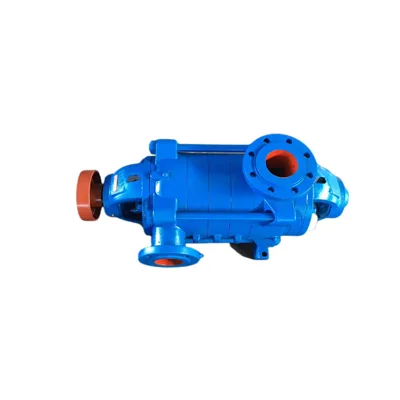
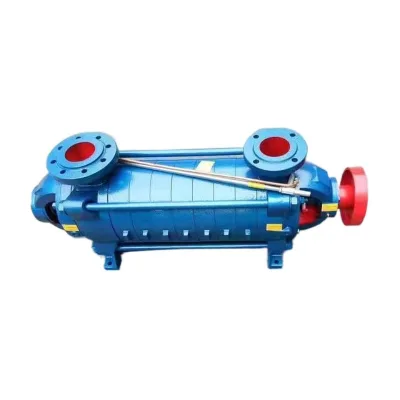
High flow, high head multi-stage water pump
$850.00 - $880.00
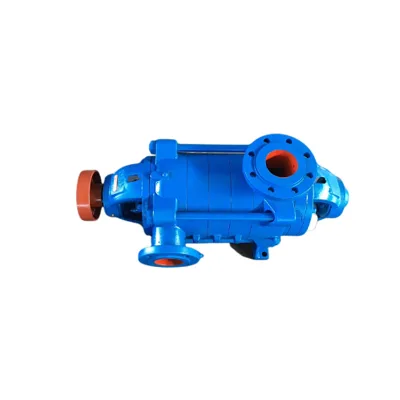
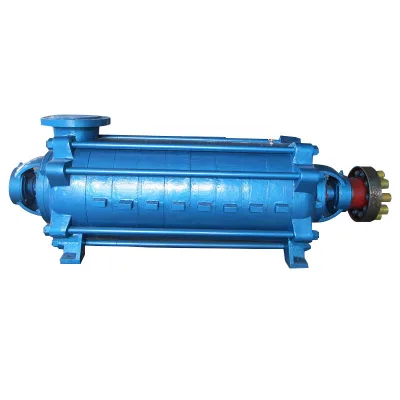
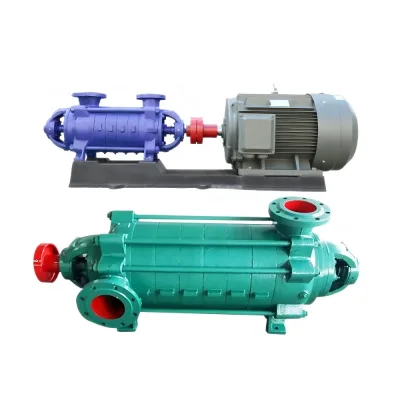
Multi-stage pump, DG type multi-stage boiler feed pump, high-lift booster pump
$930.00 - $960.00
MOQ: 1 pieces
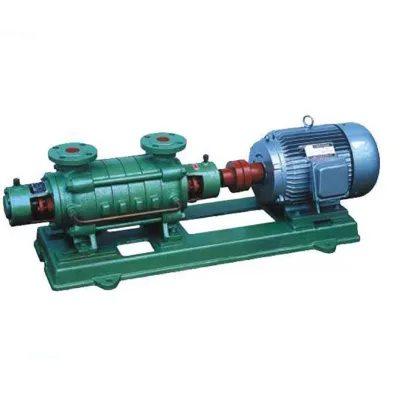
- Manufacturer, Trading Company
- Hebei, China
- Lead time30 days
- Avg. response≤ 2h
Main productsPump
Main marketsDomestic Market(100.00%)
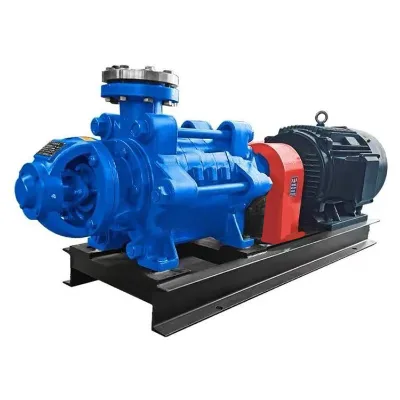
High Pressure Industrial Multistage Pumps Mobile Pump
$418.78 - $483.96
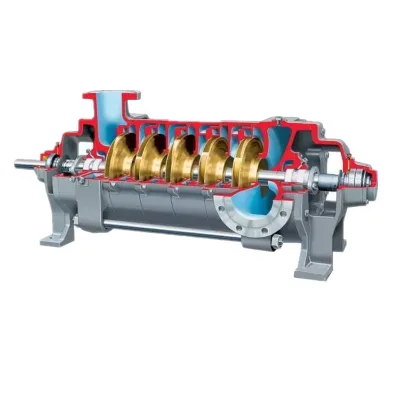
D46-50x5x6x7x8x9x10x11x12 Horizontal Multistage Centrifugal Pump
$418.78 - $483.96

- Verified by TUVRHEINLAND
- Combined
- China Fujian
- Lead time30 days
- Avg. response≤ 5h
Main productsWater Pump, Electric Motor, Alternator, Generator Set, Solar Pump, Suface Pump, Synchronous Generator, Asynchronous Motor
Main marketsSouth America,Africa,Southeast Asia/ Mideast,Europe

3 Phase Electric Motor Stainless Steel Multistage Pump for Water Supply or Booster
$20.00 - $350.00
MOQ: 100 Pieces

Anhui Hengnai Pump Industry Co., Ltd.
- Manufacturer
- Anhui, China
- Lead time5 days
- Avg. response≤ 2h
Main productsDiaphragm pumps,multistage pump,centrifugal pump,magnetic pump,chemical pump
Main marketsDomestic Market(50.00%), Southeast Asia(20.00%), North America(10.00%), South Asia(5.00%), Northern Europe(3.00%), Africa(3.00%), Eastern Europe(2.00%), South America(2.00%), Western Europe(2.00%), Eastern Asia(2.00%), Oceania(1.00%)
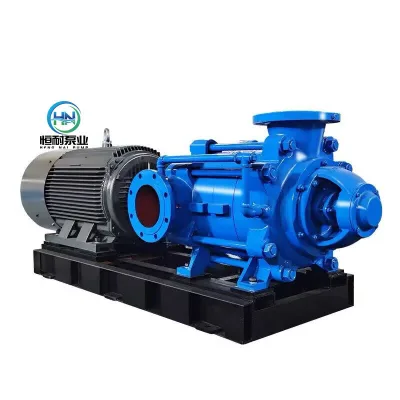
$1906.1419 - $2029.1849
MOQ: 1 units
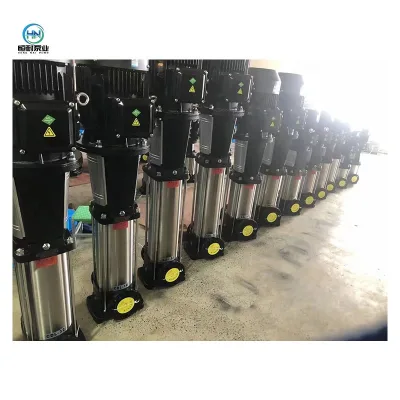
304 Stainless Steel Multi-stage Pump Variable Frequency High Head Multi-stage Pump
$100.00 - $200.00
MOQ: 1
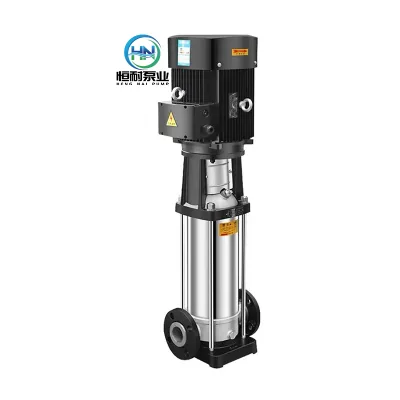
CDLF Water Pump Motor Bombas and Pressure Electric Vertical Pumps Multistage
$1299.00 - $1799.00
MOQ: 1
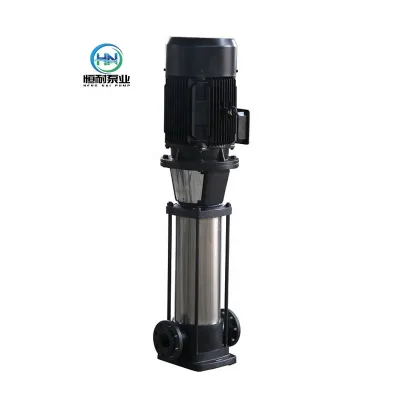
High Lift and Large Flow Vertical Multi-stage Pump Pipeline Pressurized Circulating Pump
$100.00 - $200.00
MOQ: 1 units
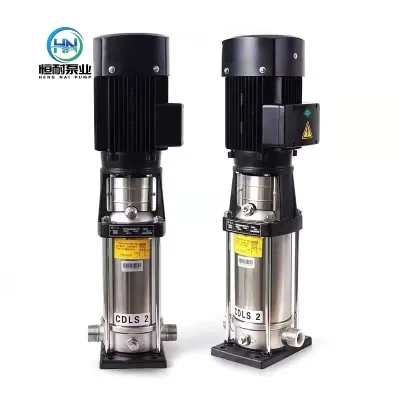

- Verified by CTI
- Combined
- China Hunan
- Lead time30 days
- Avg. response≤ 5h
Main productsOil Pump, Electric Pump, Multistage Pump, Water Pump, Chemical Pump, Boiler Feed Pump, Centrifugal Pump
Main marketsSouth America,Africa,Southeast Asia/ Mideast,East Asia(Japan/ South Korea),Domestic,Europe

Guangzhou Baiyun Pump Group Co., Ltd
- Verified by SGS
- Combined
- China Guangdong
- Lead time23 days
- Avg. response≤ 2h
Main productsPump, Water Pump, Centrifugal Pump, Sewage Pump, Air Conditioner Pump, Water Supply Equipment, Water Supply Devices, Sewage Devices, Fire Pump, Fire Devices
Main marketsSoutheast Asia/ Mideast,Domestic,Europe

Shanghai Liansheng Pump-Making Co., Ltd.
- Manufacturer
- China Shanghai
- Lead time23 days
- Avg. response≤ 7h
Main productsCentrifugal Pump, Centrifugal Submersible Pump, Fire Pump, Sump Pump, Mine Pump, Motor
Main marketsSouth America,Africa,Southeast Asia/ Mideast,East Asia(Japan/ South Korea),Domestic,Europe,Australia,North America
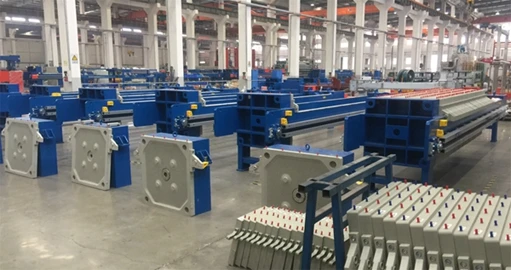
Hangzhou Chayo Environmental & Technology Co., Ltd.
- Trading Company
- Zhejiang, China
- Lead time30 days
- Avg. response≤ 4h
Main productsfilter press,filter plate,pipe fitting,pumps,valves
Main marketsDomestic Market(15.00%), North America(10.00%), Western Europe(10.00%), Mid East(10.00%), South Asia(10.00%), Southern Europe(10.00%), Eastern Europe(10.00%), South America(10.00%), Central America(5.00%), Africa(5.00%), Southeast Asia(5.00%)

Shijiazhuang Chongmu Fluid Machine Co., Ltd.
- Manufacturer/Factory
- China Hebei
- Lead time23 days
- Avg. response≤ 3h
Main productsSlurry Pump, Inline Pump, Submersible Slurry Pump, Multistage Pump, End Suction Pump, Submersible Sewage Pump, Split Case Pump, Vertical Slurry Pump, Gravel Pump, Mixed Flow Pump
Main marketsSouth America,Eastern Europe,Mid East,North America,Southeast Asia,Oceania,Western Europe,Africa

Shanghai Pacific Pump Manufacture (Group) Co., Ltd.
- Verified by BV
- Combined
- China Shanghai
- Lead time23 days
- Avg. response≤ 16h
Main productsFire Pump, Centrifugal Pump, Water Pump, Oil Pump, Chemical Pump, Split Case Pump, Vertical Turbine Pump, End-Suction Pump, Submersible Pump, Sewage Pump
Main marketsSouth America,Africa,Southeast Asia/ Mideast,Domestic,Europe,Australia,North America
Health of Fibonacci Air purification Technology(Jinan) Co., Ltd.
- Verified by Intertek
- Manufacturer, Trading Company
- Lead time0 days
- Avg. response≤ 2h
Main productsHeat Pump Units, Hydraulic Modules, Control Modules, Air Conditioning Terminal Equipment, Central Air Conditioning Supporting Equipment
Main marketsDomestic Market(50%), North America(10%), Mid East(10%)

Yeschamp Imp& Exp (Taizhou) Co., Ltd.
- Combined
- China Zhejiang
- Lead time30 days
- Avg. response≤ 8h
Main productsY Pumps, Engines
Main marketsSouth America,Africa,Southeast Asia/ Mideast
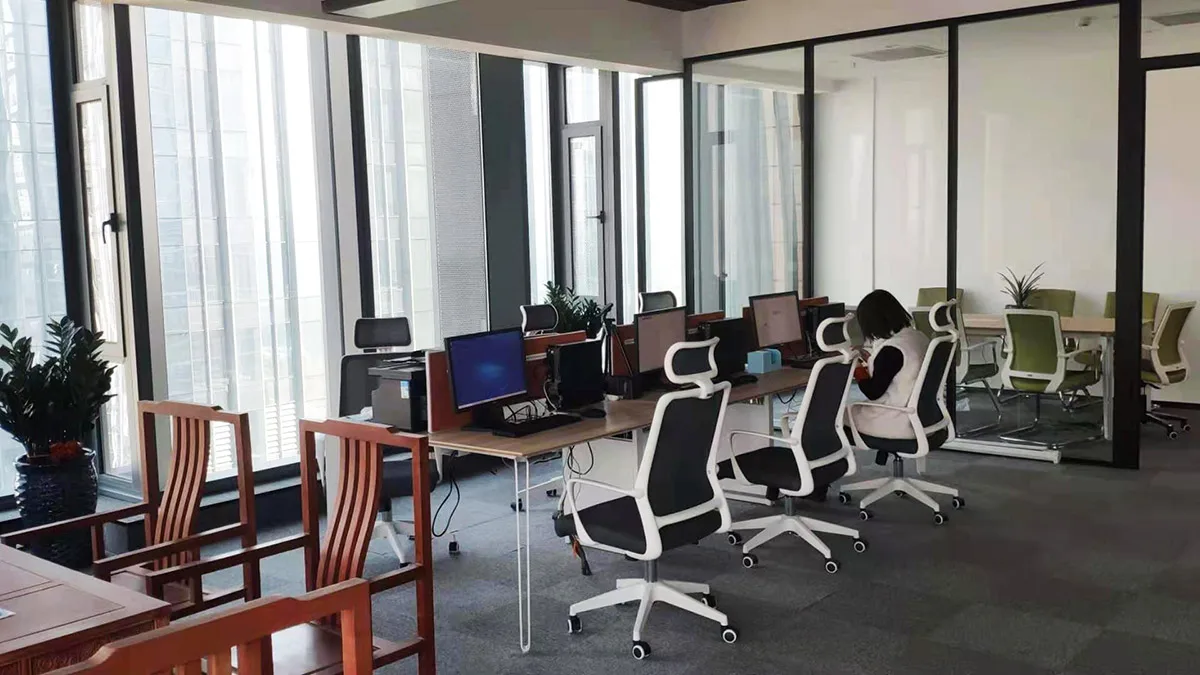
Guangdong Bailong Industrial Co., Ltd.
- Trading Company
- Guangdong, China
- Lead time45 days
- Avg. response≤ 2h
Main productsManufacturer of centrifugal pumps,sewage pumps,Motor,deep well submersible pumps,Self-priming pumps
Main marketsSoutheast Asia(50.00%), Domestic Market(37.00%), South Asia(3.00%), Africa(3.00%), Eastern Asia(2.00%), South America(1.00%), North America(1.00%), Southern Europe(1.00%), Eastern Europe(1.00%), Mid East(1.00%)
Zhejiang Dingqiao Water Technology Co., Ltd.
- Trading Company
- Zhejiang, China
- Lead time20 days
- Avg. response≤ 21h
Main productsWater pump,Pump accessories
Main marketsSouth Asia(10.00%), Southern Europe(10.00%), Central America(10.00%), Western Europe(10.00%), Eastern Asia(10.00%), Mid East(10.00%), Africa(10.00%), Southeast Asia(10.00%), Eastern Europe(10.00%), South America(10.00%), North America(10.00%)

ZHENGZHOU SHENLONG PUMP INDUSTRY CO., LTD.
- Verified by TUVRHEINLAND
- Combined
- China Henan
- Lead time30 days
- Avg. response≤ 3h
Main productsSubmersible Pump
Main marketsSouth America,Africa,Southeast Asia/ Mideast,East Asia(Japan/ South Korea),Domestic,Europe,Australia,North America


High-Performance Multistage Centrifugal Pump for Rapid Water Transfer
$1267.30 - $1353.60
MOQ: 1 Pieces
Zhengzhou Shenlong Pump Industry Co., Ltd.
- Verified by SGS Group
- Manufacturer, Trading Company
- Lead time10 days
- Avg. response≤ 3h
Main productsStainless Steel Submersible Pump, Submersible Pump, Sewage Pump
Main marketsDomestic Market(59%), Southeast Asia(20%), South America(6%)
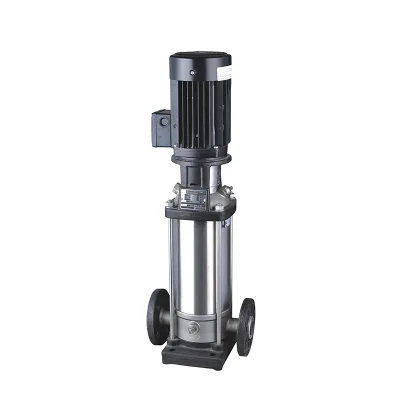
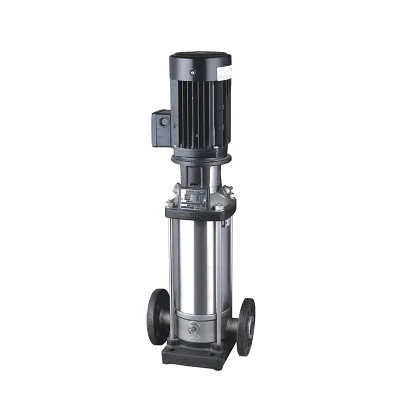
Vertical Pump for High Building Multistage High Rise High Pressure Inline Centrifugal Pump
$207.0584 - $1827.2907
MOQ: 1 Minimum
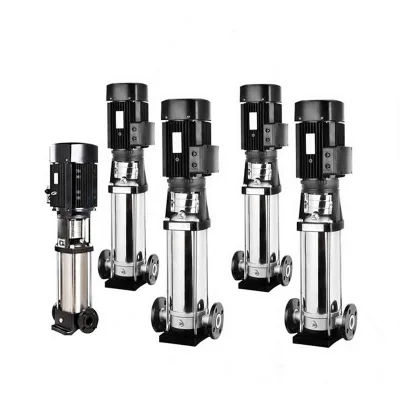
$184.5645 - $4788.4237
MOQ: 1 Minimum
$184.5645 - $1538.0376
MOQ: 1 Minimum
- Verified by SGS Group
- Manufacturer, Trading Company
- Lead time25 days
- Avg. response≤ 1h
Main productsSlurry Pump, Split Case Pump, Multistage Pump, End Suction Pump, Diesel Water Pump
Main marketsSouth Asia(100%)

GUANGZHOU BEDFORD ELECTRIC EQUIPMENT CO.,LTD.
- Verified by BV
- Combined
- China Guangdong
- Lead time15 days
- Avg. response≤ 9h
Main productsFrequency Inverter, Variable Frequency Drive, Variable Speed Drive, VFD, VSD, AC Inverter, Frequency Converter, Pump Controller, AC Drive, Solar Inverter
Main marketsSouth America,Africa,Southeast Asia/ Mideast,East Asia(Japan/ South Korea),Domestic,Europe,North America

Hangzhou Hualv Filter Technology Co., Ltd.
- Manufacturer, Trading Company
- Zhejiang, China
- Lead time0 days
- Avg. response≤ 2h
Main productsRO membrance,FRP tank,RO system,water pump,valve
Main marketsWestern Europe(10.00%), Eastern Asia(10.00%), Southeast Asia(10.00%), Eastern Europe(10.00%), South America(10.00%), North America(10.00%), Domestic Market(5.00%), South Asia(5.00%), Southern Europe(5.00%), Northern Europe(5.00%), Central America(5.00%), Oceania(5.00%), Africa(5.00%), Mid East(5.00%)

Hangzhou Tianchen Import and Export Co., Ltd.
- Verified by SGS
- Trading Company,Manufacturer/Factory
- China Zhejiang
- Lead time105 days
- Avg. response≤ 4h
Main productsChemical Pump, FRP Tank, HCl Graphite Tower
Main marketsMid East,Eastern Asia,Africa

Hefei Chunhui Machinery Manufacturing Co., Ltd.
- Combined
- China Anhui
- Lead time23 days
- Avg. response≤ 6h
Main productsPackaging Machinery, Liquid Packing Machine, Flow Type Pillow Packing Machine, Tissue Paper Packing Machine, Bottle Water Liquid Prodcution Line, Food Processing Machinery, RO Water Purify System, Pre-Shaped Bag Filling and Sealing Machine
Main marketsAfrica,Domestic
- Manufacturer
- Taiwan, China
- Lead time45 days
- Avg. response≤ 6h
Main productsEXTERNAL GEAR PUMP,EXTERNAL GEAR MOTOR,FLOW DIVIDER
Main marketsNorth America(30.00%), Eastern Asia(25.00%), Southeast Asia(20.00%), Domestic Market(10.00%), South America(5.00%), South Asia(5.00%), Western Europe(5.00%)
$60.00
$60.00
Shenzhen Yanhua Faith Technology Co., Ltd.
- Manufacturer
- Guangdong, China
- Lead time25 days
- Avg. response≤ 2h
Main productsDC air Pump,Mini Vacuum air Pump,mini brushless pump,mini brush pump,water pump
Main marketsCentral America(15.00%), North America(10.00%), Northern Europe(10.00%), Eastern Europe(9.00%), Southern Europe(9.00%), Western Europe(9.00%), Eastern Asia(6.00%), South America(6.00%), Domestic Market(5.00%), Southeast Asia(5.00%), Africa(4.00%), Mid East(4.00%), South Asia(3.00%), Oceania(1.00%)
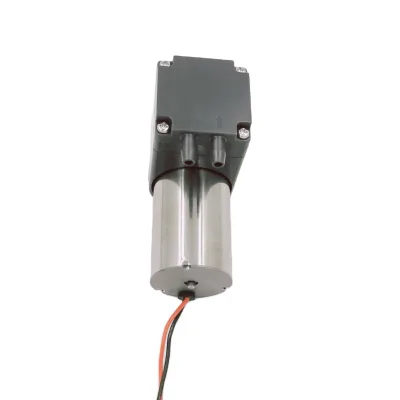
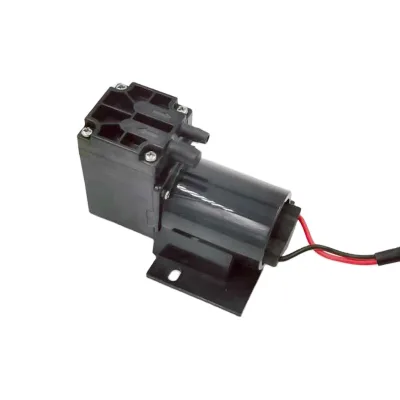
Oil Resistance High Temperature Electric Pressure Constant Flow Pump
$25.6175 - $28.6918
MOQ: 2 pieces
- Verified by SGS Group
- Trading Company
- Lead time10 days
- Avg. response≤ 5h
Main productsAscorbic Acid, Citric Acid, Creatine, Saccharin Sodium, Monosodium Glutamate, Sodium Lauryl Ether Sulphate, Melamine, Xanthan Gum, Polyvinyl Chloride, Phosphoric Acid
Main marketsSouth Asia(60%), Eastern Europe(40%)




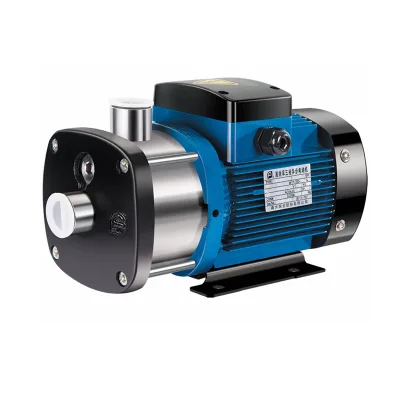
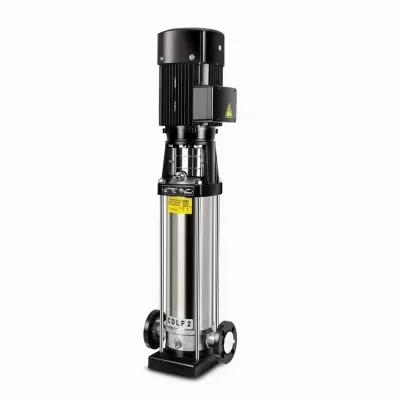


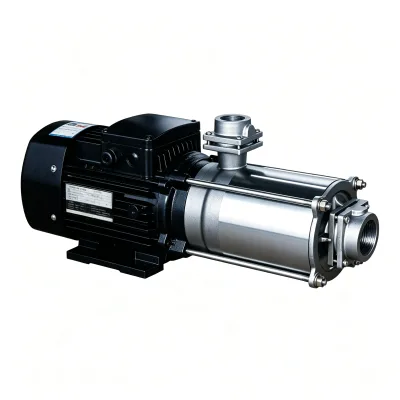
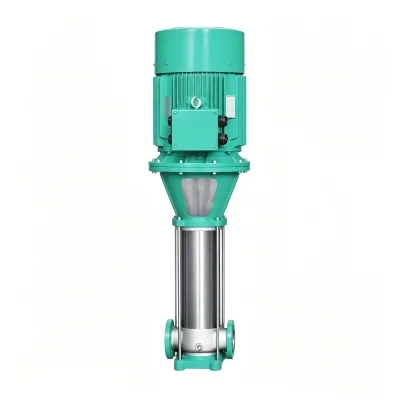
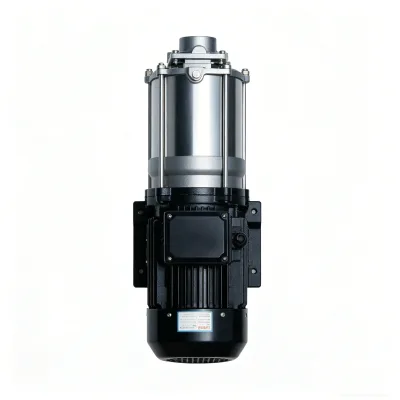
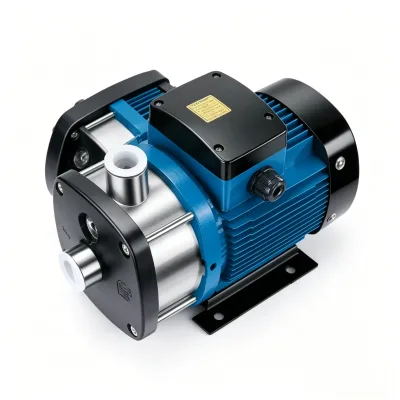


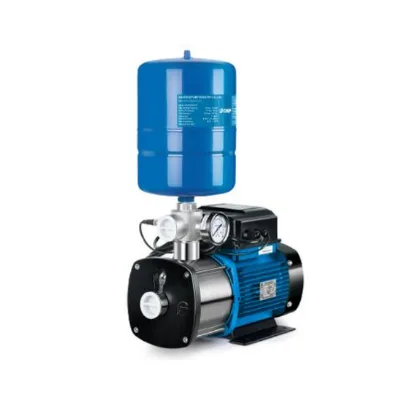
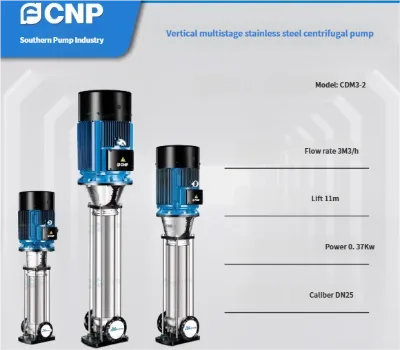
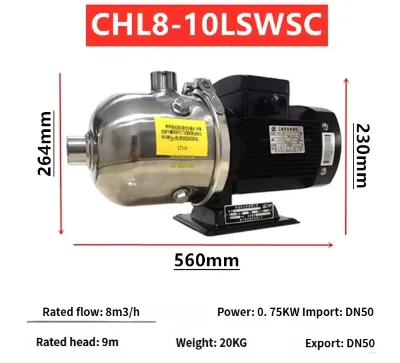
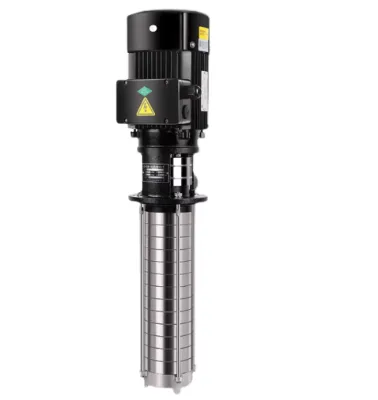
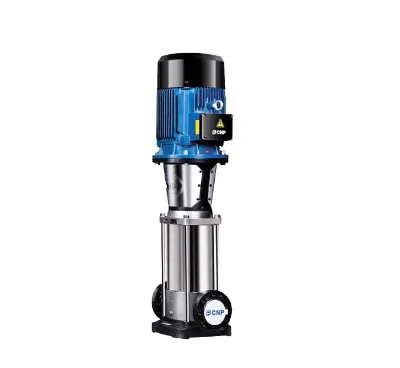
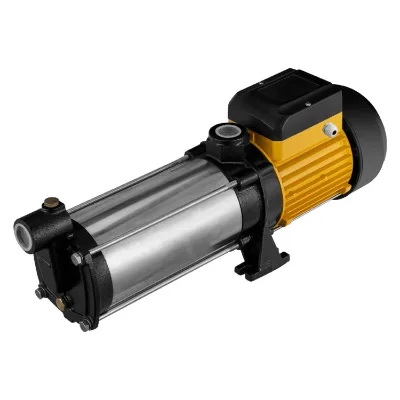
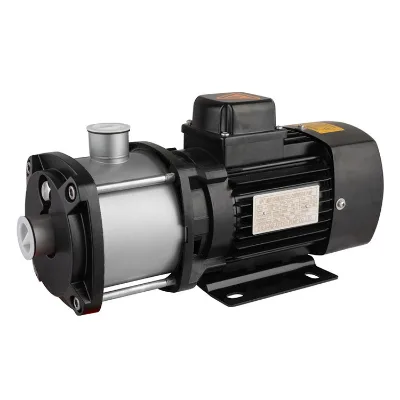
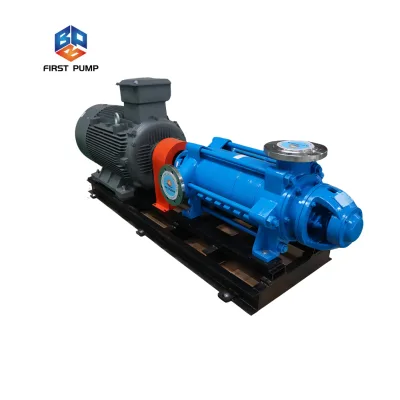
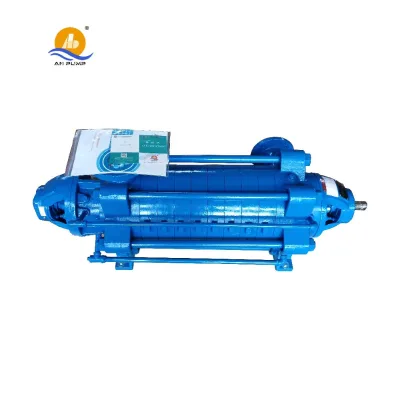


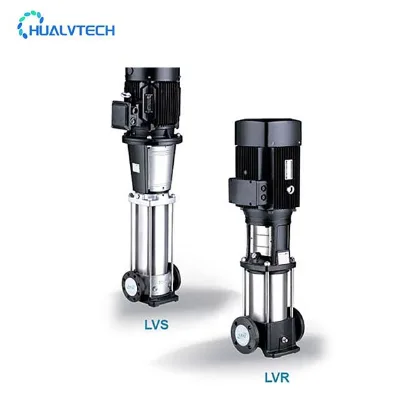


Comprehensive Sourcing Guide
Three Phase Motor Multistage Pump Supplier Concentration and Factory Types
The current supplier landscape for three phase motor multistage pumps reveals a distinct concentration of manufacturing capabilities within specific industrial regions in China. Evidence indicates that suppliers are located in major manufacturing hubs such as Shanghai and Hebei, which are well-established centers for heavy machinery and fluid control equipment production. These locations are not arbitrary; they represent clusters where the supply chain for cast iron, stainless steel, and duplex stainless steel materials is robust, allowing for efficient production of high-pressure pump components. Buyers evaluating these suppliers should recognize that the geographic concentration often correlates with specialized labor pools experienced in centrifugal and multistage pump assembly. The presence of manufacturers in Shanghai suggests a focus on export-oriented production with adherence to international standards, while facilities in Hebei may offer different logistical advantages depending on the buyer’s specific import requirements. Understanding this geographic distribution is the first step in narrowing down potential partners, as proximity to raw material sources and established shipping routes can significantly impact both lead times and overall project costs.
In terms of organizational structure, the available data confirms that the majority of these suppliers operate as manufacturers or factories rather than pure trading companies. This distinction is critical for buyers seeking direct control over production quality and customization options. The evidence shows that these entities possess the capacity for OEM, ODM, and own-brand production, indicating they have the internal engineering and assembly resources to tailor pumps to specific application needs. Many suppliers highlight their ability to produce a wide range of pump types, including centrifugal, submersible, and multistage variants, which suggests a versatile manufacturing floor capable of handling complex assemblies. The presence of certifications such as ISO9001:2015, ISO14001:2015, and ISO45001:2016 among Shanghai-based suppliers further reinforces their status as established industrial entities with formalized quality management systems. For buyers, this means that the suppliers are likely equipped to handle rigorous technical specifications and provide consistent product quality, which is essential for industrial applications requiring reliable Three Phase Motor Multistage Pump performance.
How to Verify Three Phase Motor Multistage Pump Suppliers
Verifying the legitimacy and capability of a Three Phase Motor Multistage Pump supplier requires a multi-layered approach that goes beyond simple website reviews. One of the most effective initial steps is to check for third-party verification badges, such as BV (Bureau Veritas), which serve as an independent confirmation of the supplier’s business existence and operational capacity. The presence of such verification indicates that a professional auditing firm has inspected the facility, providing a higher degree of confidence than self-reported information alone. Buyers should prioritize suppliers who display these verification marks, as it reduces the risk of engaging with shell companies or unverified trading entities. Additionally, examining the supplier’s system certifications is crucial for ensuring that their manufacturing processes meet international quality and safety standards. Certifications like ISO9001:2015 for quality management, ISO14001:2015 for environmental management, and ISO45001:2016 for occupational health and safety demonstrate a commitment to standardized operations. These credentials are particularly important for industrial buyers who need to ensure that their supply chain partners adhere to strict regulatory and compliance requirements, thereby minimizing operational risks associated with product failure or non-compliance.
Beyond certifications, buyers must scrutinize the specific product attributes and technical documentation provided by the supplier to verify their engineering competence. For instance, detailed product specifications such as the D Type Multistage Pump or the Self-Balance Multistage Centrifugal Pump should include clear information on materials, pressure ratings, and motor configurations. Buyers should look for evidence of CE certification and other relevant standards like SGS or TUV, which indicate that the pumps have undergone specific testing procedures. It is also important to verify the supplier’s response time and communication efficiency, as a quick and professional response often reflects a well-organized internal team. A response time of under four hours, as seen with some suppliers, suggests a high level of operational readiness and customer service commitment. Furthermore, buyers should request detailed technical datasheets and ask specific questions about the pump’s performance curves, impeller design, and shaft seal forms. This technical due diligence helps ensure that the supplier has the actual engineering knowledge to support the buyer’s application, rather than just listing generic product names. By combining verification badges, certification checks, and technical scrutiny, buyers can build a reliable profile of each potential supplier.
What to Compare Across Three Phase Motor Multistage Pump Suppliers
When evaluating multiple suppliers for three phase motor multistage pumps, buyers must systematically compare key operational metrics to determine the best fit for their specific procurement needs. One of the most critical factors is the lead time, which directly impacts project scheduling and inventory management. The data shows a significant variance in lead times, with some suppliers offering a rapid turnaround of fifteen days, while others may require up to thirty-eight days. This difference can be decisive for buyers with tight project deadlines or those needing to maintain low inventory levels. Buyers should align their choice of supplier with their urgency requirements, understanding that shorter lead times may come with different pricing structures or MOQs. Additionally, the Minimum Order Quantity (MOQ) is a vital consideration, especially for smaller projects or initial trial orders. Some suppliers offer an MOQ of just one unit, providing flexibility for testing and small-scale deployments, while others may have higher thresholds. Comparing these MOQs allows buyers to assess the financial barrier to entry and the scalability of the partnership, ensuring that the supplier can accommodate both pilot orders and larger volume purchases without unnecessary friction.
Another essential dimension for comparison is the range of main products and customization capabilities offered by each supplier. A supplier that specializes exclusively in multistage pumps may offer deeper technical expertise and more optimized designs for that specific category, whereas a broader manufacturer might provide a one-stop solution for various pump types, including slurry pumps and submersible pumps. Buyers should evaluate whether the supplier’s product portfolio aligns with their long-term sourcing strategy. Furthermore, the response time is a key indicator of supplier reliability and communication efficiency. A supplier with a response time of approximately twenty-two hours may be suitable for standard inquiries, but a faster response time of under four hours is preferable for urgent technical support or complex negotiations. Buyers should also compare the specific certifications listed for individual products, such as CE or SGS, to ensure they meet the regulatory requirements of their target markets. By systematically comparing lead times, MOQs, product ranges, and response speeds, buyers can create a weighted scoring matrix to objectively rank suppliers and select the partner that offers the best balance of speed, cost, and technical capability for their Three Phase Motor Multistage Pump requirements.
Common Three Phase Motor Multistage Pump Sourcing Risks
Sourcing three phase motor multistage pumps from international manufacturers introduces several inherent risks that buyers must actively manage to ensure project success. One significant risk is the potential mismatch between the supplier’s standard product specifications and the buyer’s specific application requirements. Multistage pumps are highly customized devices where factors like head pressure, flow rate, material compatibility, and motor voltage must align precisely with the operational environment. If a buyer relies solely on generic product listings without verifying technical details, they may receive a pump that is inefficient or incompatible with their existing infrastructure. For example, a pump designed for cold water may not withstand the thermal stresses of a high-temperature boiler feed application, leading to premature failure. To mitigate this, buyers must engage in detailed technical discussions and request customized engineering drawings before placing orders. It is also crucial to verify the material specifications, such as the use of cast iron, stainless steel, or duplex stainless steel, to ensure corrosion resistance and durability in the intended service environment.
Another common risk involves the variability in quality control and after-sales support across different suppliers. While many suppliers hold ISO certifications, the actual implementation of quality control measures can vary significantly from factory to factory. Buyers may encounter issues such as inconsistent machining tolerances, poor sealing performance, or motor inefficiencies if the supplier’s quality assurance processes are not rigorous. Additionally, the warranty terms and availability of spare parts are critical factors that are often overlooked during the initial sourcing phase. A supplier may offer a one-year warranty, but if they lack a local service network or readily available spare parts, the cost of downtime can far exceed the initial savings from a lower purchase price. Buyers should also be cautious of suppliers who do not provide clear documentation on testing procedures or performance guarantees. The absence of third-party test reports or detailed performance curves can make it difficult to validate the pump’s capabilities upon delivery. By identifying these risks early and establishing clear contractual terms regarding quality standards, warranty coverage, and technical support, buyers can protect their interests and ensure a smoother procurement process for their Three Phase Motor Multistage Pump needs.
Three Phase Motor Multistage Pump Regional Sourcing and Logistics
The regional location of suppliers plays a pivotal role in determining the logistics strategy and overall cost structure for sourcing three phase motor multistage pumps. Suppliers located in Shanghai, a major port city, often benefit from streamlined export logistics, including easy access to container shipping and established freight forwarding networks. This geographic advantage can lead to more predictable shipping schedules and potentially lower freight costs, especially for buyers importing from North America or Europe. The presence of manufacturers in Shanghai also suggests a higher likelihood of compliance with international export standards, as these facilities are accustomed to dealing with global trade regulations. Buyers should consider the proximity of the supplier to major shipping hubs when evaluating logistics options, as this can significantly impact the transit time and reliability of delivery. Additionally, suppliers in other regions like Hebei may offer different logistical considerations, such as lower domestic transportation costs but potentially longer lead times for international shipping depending on the nearest port.
Logistics planning must also account for the specific packaging requirements of multistage pumps, which are often heavy and delicate industrial equipment. The evidence indicates that suppliers typically use fumigation wooden cases or standard wooden cases for packing, which is essential for protecting the pumps during transit and meeting international phytosanitary regulations. Buyers need to ensure that the packaging is robust enough to prevent damage to the pump casing, impellers, and motor during handling and shipping. Furthermore, the dimensions and weight of the packaged pumps will influence freight costs, as shipping is often calculated based on volumetric weight. Buyers should request detailed packing lists and dimensions from the supplier to accurately estimate freight charges and plan for warehouse storage upon arrival. It is also important to consider the incoterms agreed upon with the supplier, as this determines who is responsible for the logistics and insurance during transit. By carefully evaluating the supplier’s location, packaging standards, and logistical capabilities, buyers can optimize their supply chain and minimize the risks associated with international shipping of heavy industrial equipment.
Three Phase Motor Multistage Pump Commercial Terms and Order Planning
Effective order planning for three phase motor multistage pumps requires a thorough understanding of the commercial terms and pricing structures offered by suppliers. The price range for these pumps can vary significantly based on specifications, materials, and customization levels. For instance, some suppliers list prices starting from as low as one hundred dollars up to ten thousand dollars, while others may have higher minimum price points for specialized models. Buyers must recognize that the listed prices are often indicative and may not reflect the final cost for a customized order. It is essential to request detailed quotations that break down the costs of the pump, motor, seals, and any additional accessories. Additionally, buyers should inquire about the payment terms, such as the percentage required for deposit and the balance due upon shipment or against copy of bills of lading. Understanding these financial terms helps in cash flow planning and risk management, ensuring that the buyer is not exposed to excessive financial risk before receiving the
FAQs
What certifications do these multistage pumps hold?
Manufacturers typically provide ISO9001:2015, ISO14001:2015, and ISO45001:2016 system certifications. Individual pump models often carry CE, SGS, or TUV marks. Verify specific certificates for your region to ensure compliance with local safety and environmental standards before finalizing procurement.
What is the typical lead time for orders?
Lead times vary significantly by supplier location and capacity. Some manufacturers in Shanghai offer a 15-day turnaround, while others in Hebei may require up to 38 days. Confirm the exact delivery schedule with your chosen supplier to align with your project timeline.
What is the minimum order quantity for pumps?
The minimum order quantity is often set at just one unit, allowing for flexible trial purchases. This low MOQ enables buyers to test performance before committing to larger volumes. Always confirm the specific MOQ policy with the supplier to avoid unexpected order restrictions.
What is the price range for multistage pumps?
Prices generally range from $100 to $11,000 depending on specifications. Basic models start around $100, while high-pressure or specialized units can reach $11,000. Factors like material, flow rate, and head height significantly influence the final cost. Request detailed quotes for accurate pricing.
What response times can buyers expect from suppliers?
Supplier response times vary, with some replying within approximately four hours and others taking over twenty hours. Faster response rates often indicate higher operational efficiency. Check the specific response time metric for each supplier to ensure timely communication during the sourcing process.
Are customization and OEM services available?
Many manufacturers offer OEM, ODM, and own-brand customization services. Buyers can often specify materials, voltage, and mounting configurations. Confirm available customization options directly with the supplier to ensure the pump meets your exact technical requirements and operational environment.