Self-Balancing Multistage Pump Suppliers and Manufacturers
Source self-balancing multistage pump options from 31 verified suppliers in China. Compare key dimensions including ISO certifications, response times, lead times, and pricing ranges to identify suitable partners. Contact suppliers directly to request detailed specifications and quotes; review the available evidence before requesting comparable quotations from suitable candidates.
Updated
Suppliers List

- Verified by CTI
- Combined
- China Hunan
- Lead time30 days
- Avg. response≤ 5h
Main productsOil Pump, Electric Pump, Multistage Pump, Water Pump, Chemical Pump, Boiler Feed Pump, Centrifugal Pump
Main marketsSouth America,Africa,Southeast Asia/ Mideast,East Asia(Japan/ South Korea),Domestic,Europe


Stainless Steel Booster Pump Pump Self-Balancing Single Suction Multistage Pump
$310.00 - $3200.00
MOQ: 1 Pieces

Self Balance High Pressure Multistage Booster Horizontal Multistage Centrifugal Pump
$500.00 - $1888.00
MOQ: 1 Pieces

- Verified by SGS Group
- Manufacturer, Trading Company
- Lead time25 days
- Avg. response≤ 1h
Main productsSlurry Pump, Split Case Pump, Multistage Pump, End Suction Pump, Diesel Water Pump
Main marketsSouth Asia(100%)
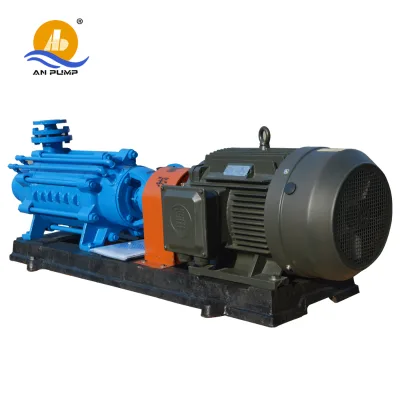
Self Balance Priming Multistage Pump Multistage Surface Pump Flow Rate Pump
$1799.00 - $1896.00
MOQ: 1 sets

- Verified by TUVRHEINLAND
- Trading Company
- China Beijing
- Lead time30 days
- Avg. response≤ 2h
Main productsCentrifugal Pump, Slurry Pump, Water Pump, Multistage Pump, Submersible Pump, Stainless Steel Pump, Sand Pump, Split Casing Pump, Fire Pump, End Suction Pump
Main marketsAfrica,Southeast Asia/ Mideast,Domestic,Europe,North America

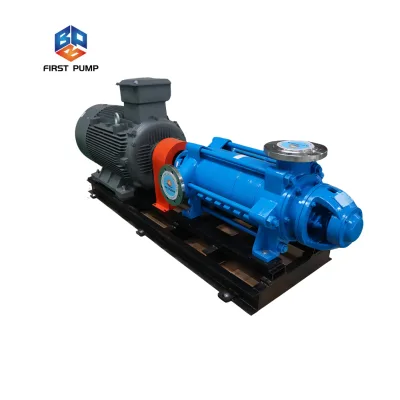
Self Balance Priming Multistage Pump Multistage Surface Pump Flow Rate Pump
$99.00 - $1999.00
MOQ: 1 Pieces


Electric Water Pump Multistage Centrifugal Pump Multistage Water Pump Horizontal Multistage Pump
$199.00 - $1999.00
MOQ: 199 Pieces


Tianjin Milestone Pump & Valve Co., Ltd.
- Verified by SGS
- Trading Company,Manufacturer/Factory
- China Tianjin
- Lead time15 days
- Avg. response≤ 8h
Main productsSubmersible Axial Flow Pump, Submersible Sewage Pump, Slurry Pump, End Suction Pump, Multistage Pump, Split Case Pump, Self Priming Pump, Chemical Pump
Main marketsSouth America,Mid East,Southeast Asia,Oceania,Western Europe

Shijiazhuang Chongmu Fluid Machine Co., Ltd.
- Manufacturer/Factory
- China Hebei
- Lead time23 days
- Avg. response≤ 3h
Main productsSlurry Pump, Inline Pump, Submersible Slurry Pump, Multistage Pump, End Suction Pump, Submersible Sewage Pump, Split Case Pump, Vertical Slurry Pump, Gravel Pump, Mixed Flow Pump
Main marketsSouth America,Eastern Europe,Mid East,North America,Southeast Asia,Oceania,Western Europe,Africa
Anhui Hengnai Pump Industry Co., Ltd.
- Manufacturer
- Anhui, China
- Lead time5 days
- Avg. response≤ 2h
Main productsDiaphragm pumps,multistage pump,centrifugal pump,magnetic pump,chemical pump
Main marketsDomestic Market(50.00%), Southeast Asia(20.00%), North America(10.00%), South Asia(5.00%), Northern Europe(3.00%), Africa(3.00%), Eastern Europe(2.00%), South America(2.00%), Western Europe(2.00%), Eastern Asia(2.00%), Oceania(1.00%)
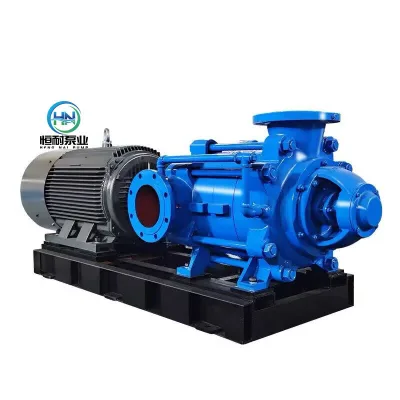
$1906.1419 - $2029.1849
MOQ: 1 units
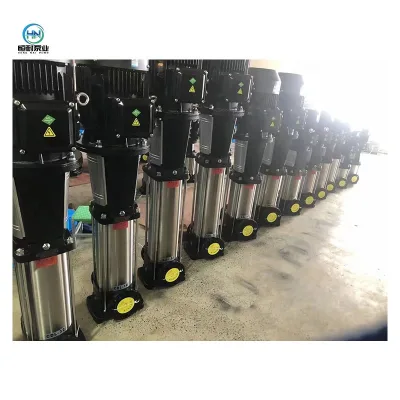
304 Stainless Steel Multi-stage Pump Variable Frequency High Head Multi-stage Pump
$100.00 - $200.00
MOQ: 1
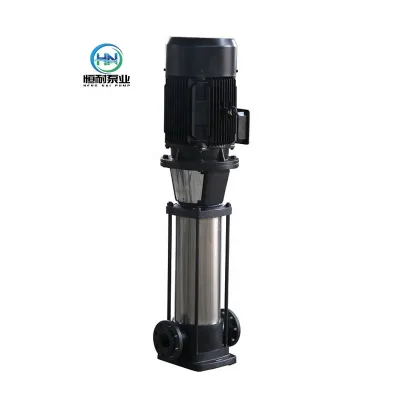
High Lift and Large Flow Vertical Multi-stage Pump Pipeline Pressurized Circulating Pump
$100.00 - $200.00
MOQ: 1 units
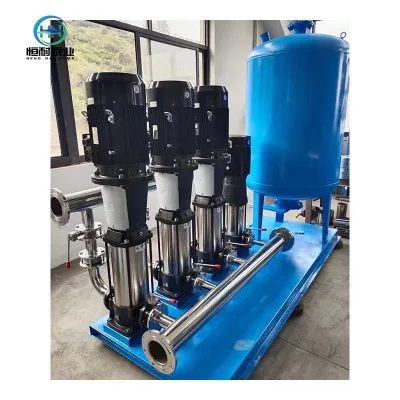

Shanghai East Pump (Group) Co., Ltd.
- Manufacturer
- China Shanghai
- Lead time15 days
- Avg. response≤ 23h
Main productsWater Pump, Pump, Centrifugal Pump, Submersible Pump, Multistage Pump, Single Stage Pump, Split Casing Pump, Douple Suction Pump, Mixed Flowing Pump, Axial Flowing Pump
Main marketsSoutheast Asia/ Mideast,Europe

- Combined
- China Hunan
- Lead time30 days
- Avg. response≤ 4h
Main productsMultistage Pump, Centrifugal Pump, Horizontal Multistage Pump, Single Stage Pump, Oil Pump, Chemical Pump, Sea Water Pump, Sewage Pump
Main marketsSouth America,Southeast Asia/ Mideast,Domestic,North America


High Pressure Self-Balancing Multistage Stainless Steel Centrifugal Pump
$2600.00 - $35000.00
MOQ: 1 Pieces

High Pressure Self-Balancing Horizontal Multistage Centrifugal Water Pump
$3500.00 - $15000.00
MOQ: 1 Pieces

Heavy Duty High Pressure Self-Balancing Multistage Centrifugal Pump for Industrial Water Transport
$4800.00 - $48000.00
MOQ: 1 Pieces

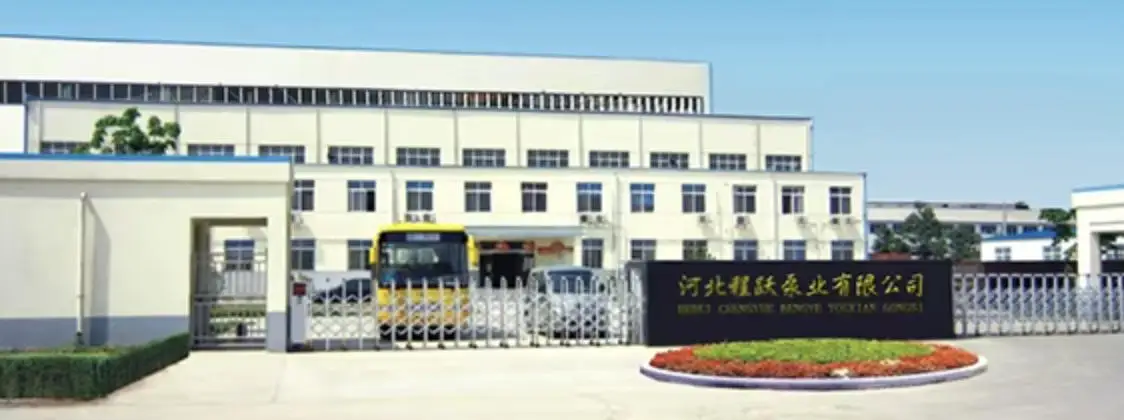
Hebei Chengyue Pump Industry Co., Ltd.
- Manufacturer, Trading Company
- Hebei Province, China
- Lead time20 days
- Avg. response≤ 1h
Main productsSlurry pump,Two-phase flow pulp pump,Desulfurization pump,double suction pump,centrifugal pump
Main marketsSoutheast Asia(50.00%), Domestic Market(15.00%), Mid East(10.00%), Africa(10.00%), South America(10.00%), Oceania(5.00%)
- Manufacturer, Trading Company
- Hebei, China
- Lead time30 days
- Avg. response≤ 2h
Main productsPump
Main marketsDomestic Market(100.00%)
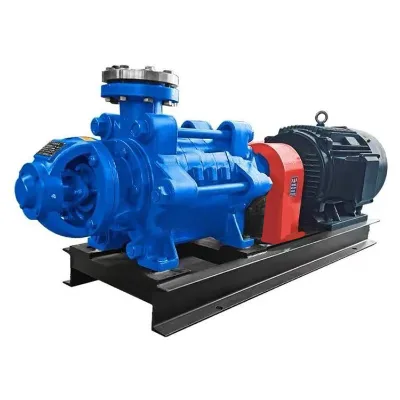
High Pressure Industrial Multistage Pumps Mobile Pump
$418.78 - $483.96
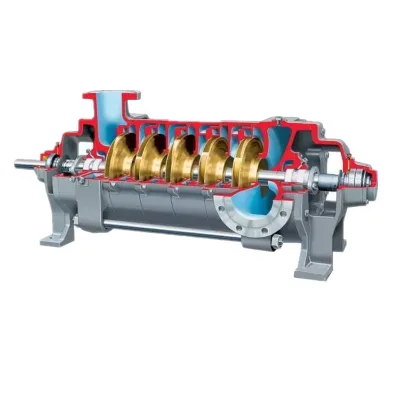
D46-50x5x6x7x8x9x10x11x12 Horizontal Multistage Centrifugal Pump
$418.78 - $483.96
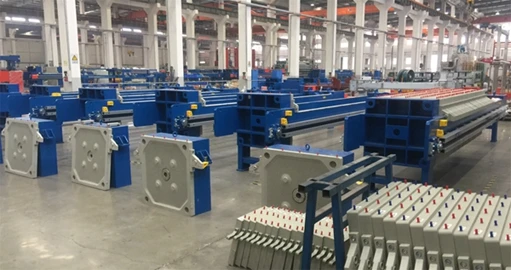
Hangzhou Chayo Environmental & Technology Co., Ltd.
- Trading Company
- Zhejiang, China
- Lead time30 days
- Avg. response≤ 4h
Main productsfilter press,filter plate,pipe fitting,pumps,valves
Main marketsDomestic Market(15.00%), North America(10.00%), Western Europe(10.00%), Mid East(10.00%), South Asia(10.00%), Southern Europe(10.00%), Eastern Europe(10.00%), South America(10.00%), Central America(5.00%), Africa(5.00%), Southeast Asia(5.00%)
Grimm Water Treatment (Zhejiang) Co.,Ltd.
- Manufacturer
- Zhejiang, China
- Lead time0 days
- Avg. response≤ 1h
Jiangsu Feixiang Electromechanical Manufacturing Co., Ltd.
- Manufacturer, Trading Company
- Jiangsu, China
- Lead time30 days
- Avg. response≤ 5h
Main productschemical pump,water pump,centrifugal pump,mechanical equipment,mechanical equipment
Main marketsMid East(30.00%), Southeast Asia(30.00%), Eastern Europe(30.00%)
SHL Horizontal Raw Water Booster Pump Multi-stage Centrifugal Pump
$300.00 - $800.00

Taizhou Kangqiao Electromechanical Equipment Co., Ltd.
- Verified by BV
- Combined
- China Jiangsu
- Lead time60 days
- Avg. response≤ 2h
Main productsPump, Centrifugal Pump, Chemical Centrifugal Pump, Centrifugal Water Pump, Vertical Centrifugal Pump, Centrifugal Slurry Pump
Main marketsDomestic

Shijiazhuang An Pump Machinery Co., Ltd.
- Verified by BV
- Manufacturer/Factory
- China Hebei
- Lead time38 days
- Avg. response≤ 4h
Main productsSlurry Pump, Single Stage End Suction Pump, Split Casing Pump, Multistage Pump, Sand Gravel Pump, Submersible Pump, Self Priming Pump, Vertical Sump Pump, Mud Pump, Chemical Pump
Main marketsSouth America,Eastern Europe,Mid East,North America,Southeast Asia,Eastern Asia,Oceania,Western Europe,Africa

Hangzhou Hualv Filter Technology Co., Ltd.
- Manufacturer, Trading Company
- Zhejiang, China
- Lead time0 days
- Avg. response≤ 2h
Main productsRO membrance,FRP tank,RO system,water pump,valve
Main marketsWestern Europe(10.00%), Eastern Asia(10.00%), Southeast Asia(10.00%), Eastern Europe(10.00%), South America(10.00%), North America(10.00%), Domestic Market(5.00%), South Asia(5.00%), Southern Europe(5.00%), Northern Europe(5.00%), Central America(5.00%), Oceania(5.00%), Africa(5.00%), Mid East(5.00%)
Hebei Dingao Pump Industry Co., Ltd.
- Verified by TüVRheinland
- Manufacturer, Trading Company
- Lead time3 days
- Avg. response≤ 2h
Main productsSlurry Pump, Mixed-Flow Pump, Self Priming Pump, Pipeline Pump, Chemical Pump
Main marketsSoutheast Asia(30%), Africa(30%), North America(10%)
Kaiping Danai Pump Industry Co., Ltd.
- Verified by TüVRheinland
- Trading Company
- Lead time0 days
- Avg. response≤ 1h
Main productsCentrifugal Pump, Self-Priming Pump, Pipeline Pump, Multi-Stage Pump, Submersible Pump
Main marketsDomestic Market(60%), North America(10%), South America(10%)
Wenzhou Meilian Pump Valve Co., Ltd.
- Manufacturer, Trading Company
- Zhejiang, China
- Lead time15 days
- Avg. response≤ 3h
Main productspump,Valves and fittings,Complete equipment for sewage treatment,Mechanical equipment and accessories,Mechanical equipment and accessories
Main marketsNorth America(30.00%), Africa(20.00%), Northern Europe(10.00%), Southeast Asia(10.00%), Central America(10.00%), Western Europe(10.00%), Oceania(10.00%)

Shanghai Pacific Pump Manufacture (Group) Co., Ltd.
- Verified by BV
- Combined
- China Shanghai
- Lead time23 days
- Avg. response≤ 16h
Main productsFire Pump, Centrifugal Pump, Water Pump, Oil Pump, Chemical Pump, Split Case Pump, Vertical Turbine Pump, End-Suction Pump, Submersible Pump, Sewage Pump
Main marketsSouth America,Africa,Southeast Asia/ Mideast,Domestic,Europe,Australia,North America
Guangdong Bailong Industrial Co., Ltd.
- Trading Company
- Guangdong, China
- Lead time45 days
- Avg. response≤ 2h
Main productsManufacturer of centrifugal pumps,sewage pumps,Motor,deep well submersible pumps,Self-priming pumps
Main marketsSoutheast Asia(50.00%), Domestic Market(37.00%), South Asia(3.00%), Africa(3.00%), Eastern Asia(2.00%), South America(1.00%), North America(1.00%), Southern Europe(1.00%), Eastern Europe(1.00%), Mid East(1.00%)

Hebei Shenlan Pump Valve Co., Ltd
- Verified by BV
- Combined
- China Hebei
- Lead time15 days
- Avg. response≤ 10h
Main productsSlurry Pump, Water Pump, Pump, Double Suction Pump, Multistage Pump, Sewage Pump, Clean Water Centrifugal Pump, Self-Priming Pump, Submersible Pump, Irrigation Pump
Main marketsAfrica,Others(foreignTradeCapacity.exportBusinessCapacityMarketOther),Domestic,Australia,North America

Custom Made High Pressure Multistage Pump for Special Application Multistage Pump
$600.00 - $8000.00
MOQ: 1 Sets


Hangzhou Tianchen Import and Export Co., Ltd.
- Verified by SGS
- Trading Company,Manufacturer/Factory
- China Zhejiang
- Lead time105 days
- Avg. response≤ 4h
Main productsChemical Pump, FRP Tank, HCl Graphite Tower
Main marketsMid East,Eastern Asia,Africa

Supply Electric Horizontal Multistage/Multi-Stage High Pressure Self-Balanced Centrifugal Pump
$4000.00 - $12000.00
MOQ: 1 SET


Health of Fibonacci Air purification Technology(Jinan) Co., Ltd.
- Verified by Intertek
- Manufacturer, Trading Company
- Lead time0 days
- Avg. response≤ 2h
Main productsHeat Pump Units, Hydraulic Modules, Control Modules, Air Conditioning Terminal Equipment, Central Air Conditioning Supporting Equipment
Main marketsDomestic Market(50%), North America(10%), Mid East(10%)

Beloni (Jiangsu) Pump Manufacturing Co., Ltd.
- Verified by SGS
- Combined
- China Jiangsu
- Lead time15 days
- Avg. response≤ 2h
Main productsChemical Pumps, Axial Flow Pump, Centrifugal Pump, Self-Priming Pump, High Pressure Oil Pump, Diesel Pump, Slurry Pump, Bb Seires Chemical Pump, Vertical Pipeline Pump, Submersible Pump
Main marketsDomestic

Shanghai Liansheng Pump-Making Co., Ltd.
- Manufacturer
- China Shanghai
- Lead time23 days
- Avg. response≤ 7h
Main productsCentrifugal Pump, Centrifugal Submersible Pump, Fire Pump, Sump Pump, Mine Pump, Motor
Main marketsSouth America,Africa,Southeast Asia/ Mideast,East Asia(Japan/ South Korea),Domestic,Europe,Australia,North America
Zhengzhou Shenlong Pump Industry Co., Ltd.
- Verified by SGS Group
- Manufacturer, Trading Company
- Lead time10 days
- Avg. response≤ 3h
Main productsStainless Steel Submersible Pump, Submersible Pump, Sewage Pump
Main marketsDomestic Market(59%), Southeast Asia(20%), South America(6%)
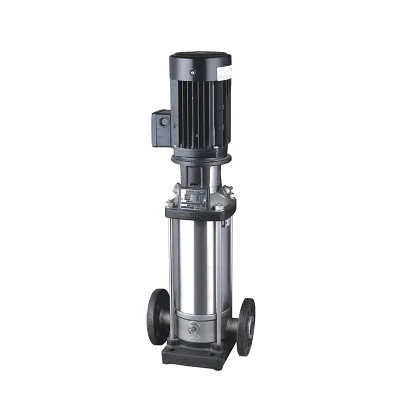
$184.5645 - $1538.0376
MOQ: 1 Minimum
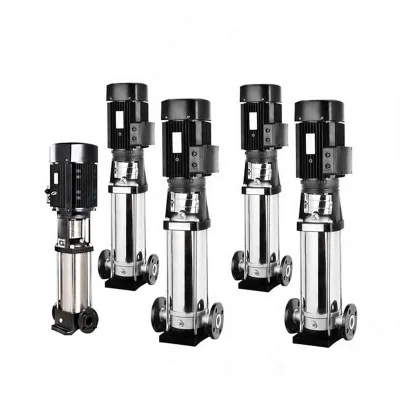
$205.0717 - $1538.0376
MOQ: 1 Minimum
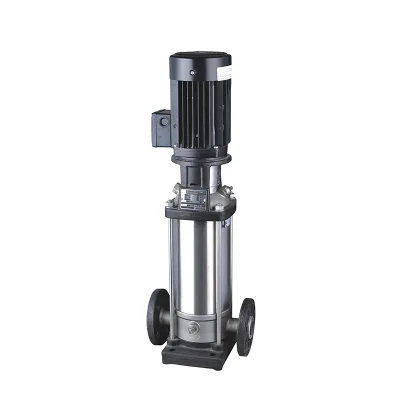
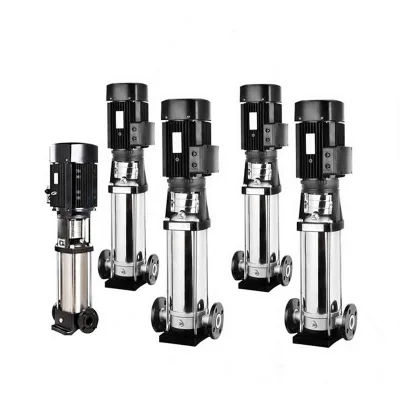
Vertical Pump for High Building Multistage High Rise High Pressure Inline Centrifugal Pump
$207.0584 - $1827.2907
MOQ: 1 Minimum
$184.5645 - $4788.4237
MOQ: 1 Minimum
Zhejiang Dengfeng Pump Industry Co., Ltd.
- Manufacturer
- Zhejiang, China
- Lead time3 days
- Avg. response≤ 3h
Main productspump,water pump,centrifugal pump,vertical multistage centrifugal pump,circulation pump
Main marketsDomestic Market(37.00%), South Asia(10.00%), Eastern Asia(10.00%), Mid East(8.00%), North America(5.00%), Africa(5.00%), Southern Europe(5.00%), Western Europe(5.00%), Southeast Asia(5.00%), Oceania(2.00%), Eastern Europe(2.00%), Northern Europe(2.00%), South America(2.00%), Central America(2.00%)

Yeschamp Imp& Exp (Taizhou) Co., Ltd.
- Combined
- China Zhejiang
- Lead time30 days
- Avg. response≤ 8h
Main productsY Pumps, Engines
Main marketsSouth America,Africa,Southeast Asia/ Mideast

GUANGZHOU BEDFORD ELECTRIC EQUIPMENT CO.,LTD.
- Verified by BV
- Combined
- China Guangdong
- Lead time15 days
- Avg. response≤ 9h
Main productsFrequency Inverter, Variable Frequency Drive, Variable Speed Drive, VFD, VSD, AC Inverter, Frequency Converter, Pump Controller, AC Drive, Solar Inverter
Main marketsSouth America,Africa,Southeast Asia/ Mideast,East Asia(Japan/ South Korea),Domestic,Europe,North America

Zhejiang Pinyue Electromechanical Co.,Ltd.
- Verified by TUVRHEINLAND
- Combined
- China Zhejiang
- Lead time23 days
- Avg. response≤ 4h
Main productsWater Pump, Pump
Main marketsDomestic

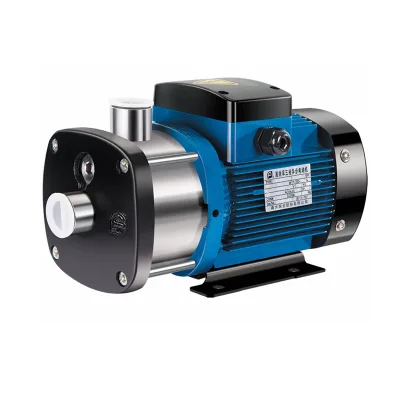
Reliable Stainless Steel Multi-Stage Pumps for Heavy-Duty Water Management
$140.00 - $153.00
MOQ: 20 Pieces

Versatile Stainless Steel Multi-Stage Pumps for Efficient Fluid Transfer
$149.00 - $163.00
MOQ: 20 Pieces


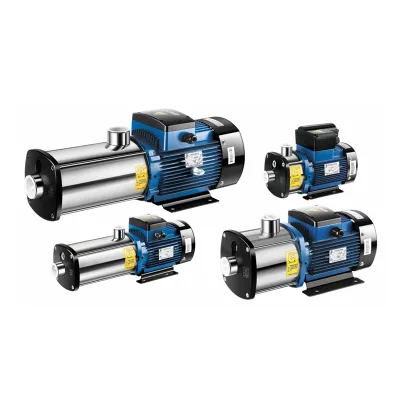
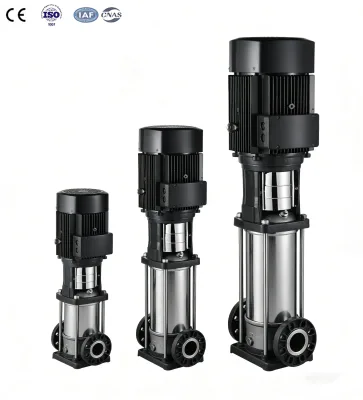
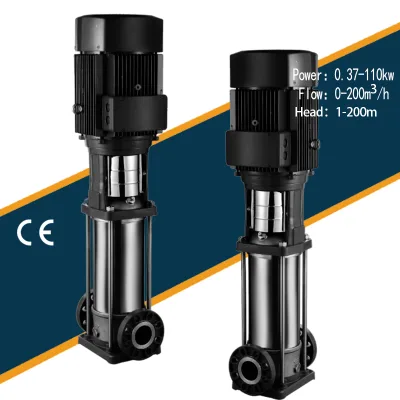




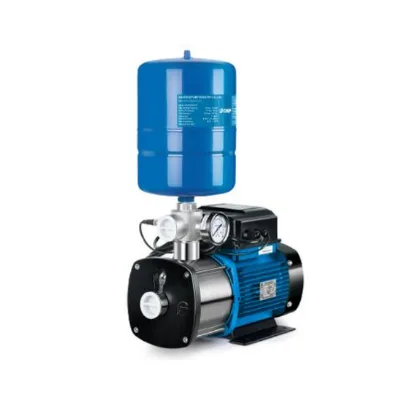
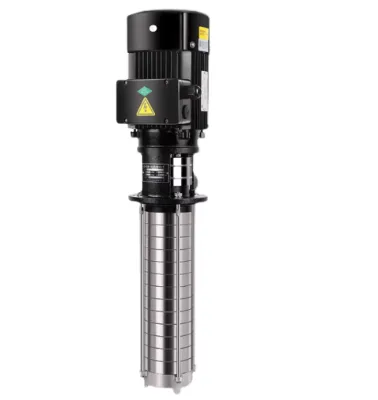
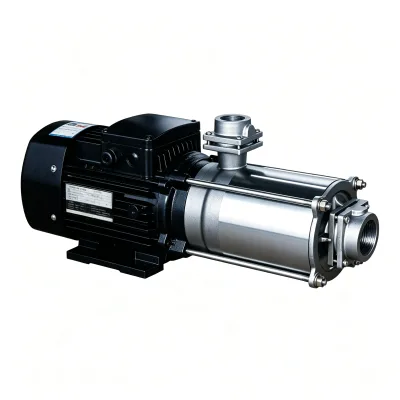
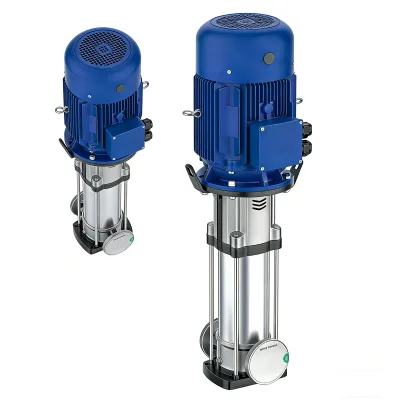
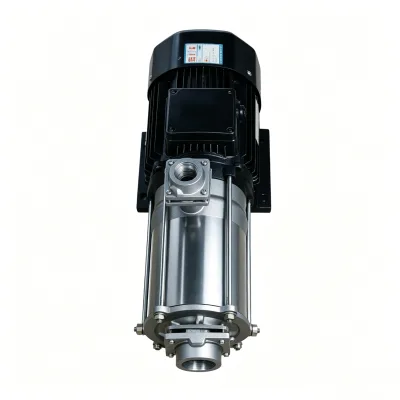
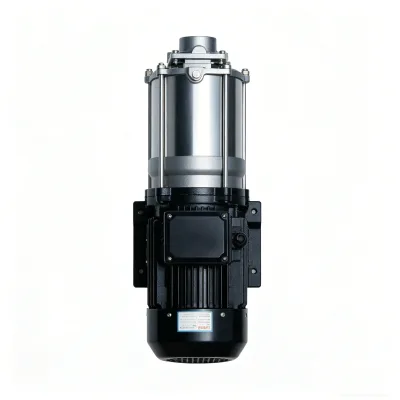
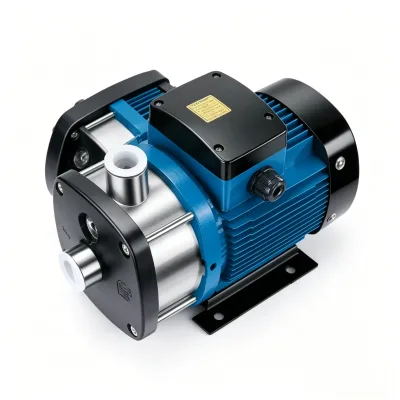


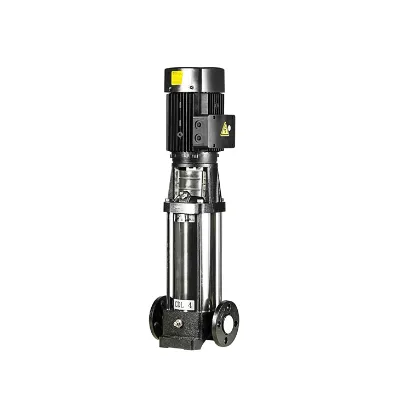


Comprehensive Sourcing Guide
Self-Balancing Multistage Pump Supplier Concentration and Factory Types
The current supplier landscape for self-balancing multistage pumps reveals a distinct concentration of manufacturing capabilities within specific industrial regions in China, particularly Hunan. This geographic clustering suggests a mature supply chain ecosystem where specialized knowledge in centrifugal and multistage pump design is concentrated. Buyers evaluating potential partners should recognize that this regional density often correlates with established infrastructure for heavy machinery production, including the casting and machining of complex components like horizontal split casings and closed impellers. The presence of combined company types, which operate as both manufacturers and trading entities, indicates a hybrid market structure. These entities can offer the direct pricing advantages of factory-direct sourcing while maintaining the flexibility and customer service orientation typical of trading companies. This duality allows for a broader range of service offerings, from standard OEM production to more complex ODM customization requests.
Understanding the specific factory type is crucial for aligning procurement strategy with operational needs. Suppliers identified as manufacturers typically possess in-house R&D capacities, enabling them to handle customized engineering requirements such as variable frequency drives or specific material selections like SS316L for corrosive environments. In contrast, trading companies may provide a wider variety of models from different factories but might have less direct control over production timelines. The data indicates that many suppliers offer both OEM and ODM services, suggesting a high degree of adaptability in their manufacturing processes. Buyers should assess whether their project requires deep technical collaboration, which favors manufacturers with documented R&D capabilities, or if they need a diverse catalog of off-the-shelf solutions, which might be better served by trading entities. This distinction helps in narrowing down the supplier pool to those whose operational model matches the buyer’s specific sourcing objectives.
How to Verify Self-Balancing Multistage Pump Suppliers
Verification of self-balancing multistage pump suppliers requires a rigorous examination of third-party credentials and system certifications to ensure quality and reliability. Buyers should prioritize suppliers who hold ISO9001:2015 and ISO14001:2015 certificates, as these indicate adherence to international standards for quality management and environmental responsibility. Additionally, verification badges from recognized agencies such as CTI or SGS Group provide an extra layer of confidence regarding the supplier’s business legitimacy and operational integrity. These verifications are critical because the self-balancing multistage pump is a complex mechanical device where manufacturing defects can lead to significant operational failures in industrial applications. Buyers must actively check these badges on supplier profiles rather than relying solely on self-reported claims, ensuring that the verification is current and covers the specific product lines of interest.
Beyond certifications, buyers should evaluate the supplier’s response time and communication efficiency as indicators of their operational maturity. A response time of approximately 4.28 hours or faster suggests a dedicated sales and technical support team capable of addressing urgent inquiries and technical specifications promptly. This responsiveness is particularly important when discussing customizations such as mounting heights, shaft positions, or specific impeller types like single suction configurations. Buyers should also inquire about the supplier’s ability to provide detailed product attributes, including material grades such as Cast Iron, Ggg40, or Stainless Steel variants, and verify that these materials match the project’s environmental requirements. Engaging with suppliers who demonstrate quick and detailed responses can help identify those who are more likely to provide consistent support throughout the procurement and post-sale phases, reducing the risk of miscommunication and project delays.
What to Compare Across Self-Balancing Multistage Pump Suppliers
When comparing suppliers, buyers must analyze key operational metrics such as lead times, minimum order quantities, and production capacities to determine fit. Lead times for self-balancing multistage pumps can vary, with some suppliers offering a standard 30-day turnaround while others may provide faster options like 25 days. These differences can significantly impact project schedules, especially for time-sensitive industrial installations. Buyers should also consider the minimum order quantity, which is often set at one unit, allowing for flexible procurement of single pumps for testing or small-scale projects. However, for larger orders, buyers should negotiate volume discounts and clarify whether the quoted prices include packaging, such as plywooden cases, which are essential for protecting the pumps during transit. Comparing these logistical details helps in selecting a supplier who can meet both the technical and timeline requirements of the project.
Product specifications and customization options are another critical area for comparison. Suppliers offer a range of models, from the D series to the FZE250-500, each with distinct characteristics such as flow rates, head heights, and power requirements. Buyers should compare attributes like maximum head, which can exceed 150 meters, and flow rates that may range from 3 to 720 m3/h. Additionally, the availability of customization services, including OEM and ODM support, allows buyers to tailor pumps to specific applications such as boiler feeding or chemical processing. It is essential to verify the material options available, such as SS304, SS316, or SS316L, to ensure compatibility with the fluid being pumped. By systematically comparing these technical and commercial parameters, buyers can identify suppliers who offer the best balance of performance, flexibility, and cost-effectiveness for their specific needs.
Common Self-Balancing Multistage Pump Sourcing Risks
One significant risk in sourcing self-balancing multistage pumps is the potential mismatch between advertised specifications and actual product performance. Buyers must be cautious of suppliers who provide vague or incomplete technical data, as this can lead to the procurement of pumps that do not meet the required pressure or flow standards. For instance, while some suppliers list maximum heads exceeding 150 meters, buyers should verify these claims through detailed technical discussions and, if possible, third-party testing. Another risk is the variability in material quality, especially when dealing with stainless steel variants. Buyers should insist on clear documentation of material grades, such as SS316L versus SS304, to prevent corrosion-related failures in aggressive chemical environments. Failing to verify these details can result in costly replacements and operational downtime, undermining the reliability of the entire pumping system.
Another common risk is the inconsistency in after-sales support and warranty terms. While some suppliers offer a 12-month warranty, buyers should clarify the scope of this coverage, including whether it includes spare parts, technical support, and on-site service. Additionally, the complexity of self-balancing multistage pumps requires specialized maintenance knowledge, so buyers should assess the supplier’s ability to provide comprehensive training and documentation. There is also the risk of supply chain disruptions, particularly if the supplier relies on a single source for critical components like impellers or casings. Buyers should inquire about the supplier’s inventory management and production capacity to ensure they can fulfill orders consistently, even during peak demand periods. By proactively addressing these risks through thorough due diligence and clear contractual terms, buyers can mitigate potential issues and ensure a smoother procurement experience.
Self-Balancing Multistage Pump Regional Sourcing and Logistics
Sourcing self-balancing multistage pumps from regional clusters in China offers logistical advantages but also requires careful planning for international shipping. The concentration of suppliers in Hunan province facilitates efficient collection and consolidation of goods, reducing initial handling costs. However, buyers must account for the substantial weight and dimensions of these pumps, which can impact freight charges and require specialized packaging. Suppliers typically use plywooden cases to protect the pumps during transit, but buyers should verify that this packaging meets international shipping standards to prevent damage. Additionally, the origin of the pumps, clearly stated as China, may influence import duties and regulatory compliance in the buyer’s country. Buyers should work with their freight forwarders to calculate total landed costs, including tariffs, insurance, and inland transportation, to ensure accurate budgeting.
Logistics planning also involves coordinating delivery schedules with production lead times. Given that lead times can range from 25 to 30 days, buyers should factor in this duration when planning their project timelines. For urgent orders, buyers should inquire about expedited production options, although these may come at a premium. It is also important to consider the supplier’s experience with international logistics, as they should be able to provide necessary documentation such as commercial invoices, packing lists, and certificates of origin. Buyers should establish clear communication channels with the supplier’s logistics team to track shipments and address any issues that may arise during transit. By integrating logistics planning into the sourcing strategy, buyers can minimize delays and ensure that the pumps arrive at their destination in optimal condition, ready for immediate installation and commissioning.
Self-Balancing Multistage Pump Commercial Terms and Order Planning
Commercial terms for self-balancing multistage pumps vary significantly based on the supplier’s pricing structure and the buyer’s order volume. Prices can range from as low as $225 to over $4,500, depending on the model, material, and customization requirements. Buyers should request detailed quotations that break down costs for the pump, packaging, and any additional services such as installation support or training. It is essential to clarify the payment terms, including deposit requirements and balance payment schedules, to manage cash flow effectively. Additionally, buyers should negotiate for volume discounts if placing larger orders, as this can significantly reduce the unit cost. Understanding the total cost of ownership, including maintenance and spare parts, is also crucial for making informed financial decisions.
Order planning should include a clear definition of technical specifications and delivery expectations to avoid misunderstandings. Buyers should provide detailed requirements for flow rate, head, material, and any specific certifications needed for their industry. This information should be included in the purchase order to ensure that the supplier produces the correct product. Buyers should also establish a timeline for sample approval, if applicable, and final delivery. Clear communication of these details helps in aligning the supplier’s production schedule with the buyer’s project timeline. Furthermore, buyers should document all agreed-upon terms in a formal contract, including warranty conditions, liability clauses, and dispute resolution mechanisms. By meticulously planning the commercial aspects of the order, buyers can protect their interests and ensure a successful procurement outcome.
FAQs
What is the price range for self-balancing multistage pumps?
Prices typically range from $225 to $4,500 depending on specifications. High-flow industrial models often cost between $3,900 and $4,500. Smaller booster pumps may start around $310. Buyers should verify exact pricing based on material choices like stainless steel or cast iron and required flow rates.
What certifications do these pump suppliers hold?
Suppliers generally hold ISO9001:2015 and ISO14001:2015 certificates. Some also possess CE certification for specific product lines. Verification is often conducted by CTI or SGS Group. Buyers should request current certificate copies to ensure compliance with international quality and environmental standards for industrial applications.
What is the typical lead time for these pumps?
Standard lead times are approximately 25 to 30 days. This duration applies to most horizontal multistage centrifugal pumps. Expedited options may exist for standard models. Buyers should confirm specific delivery schedules with suppliers before placing orders to align with project timelines and avoid production delays.
What is the minimum order quantity for these pumps?
The minimum order quantity is typically one unit. This allows buyers to test performance before larger purchases. Custom OEM or ODM orders also start from a single unit. This flexibility supports both small-scale testing and large industrial procurement needs without significant initial inventory commitment.
Where are these pumps manufactured?
Manufacturing locations are primarily in China, specifically Hunan province. Products originate from verified industrial zones in this region. Buyers should confirm the exact factory location during negotiations. This ensures transparency regarding shipping logistics and helps assess the reliability of the supply chain for international delivery.
What materials are used in these pumps?
Common materials include cast iron, stainless steel, GGG40, SS321, and SS316L. Material selection depends on the application, such as chemical or boiler feeding. Buyers should specify corrosion resistance requirements. Custom material options are available for specialized industrial environments requiring high durability and chemical compatibility.
What is the response time for supplier inquiries?
Response times vary, with some suppliers responding within one day. Others may take up to 4.28 days on average. Faster response times indicate active sales teams. Buyers should prioritize suppliers with quicker reply rates to ensure efficient communication during the sourcing and negotiation process.