Source Organic Alcohol Free Bath Bombs for Bath, Spa, and Home
Find 30 listings for Organic Alcohol Free Bath Bombs suitable for bathing, spa treatments, and home relaxation. Buyers can compare specifications, certifications, and customization options from verified Chinese manufacturers offering OEM and ODM services.
Key considerations
Products List


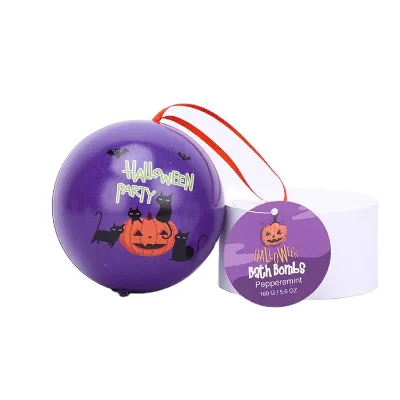
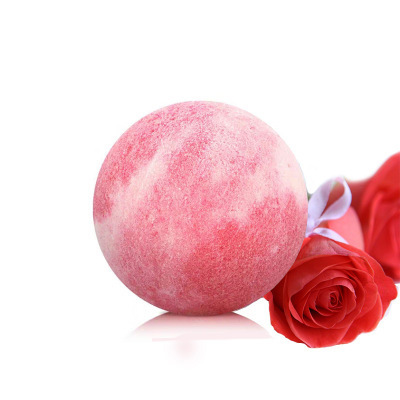

Hot Organic Milk Rose Essential Oils Soda Skin Organic Cleaning Bath Bomb
$1.03 - $1.15
MOQ: 870 Pieces

Trendy Handmade Natural Organic Soda Salt Skincare Kids Wholesale Silk Bath Bombs
$0.27 - $0.30
MOQ: 3310 Pieces

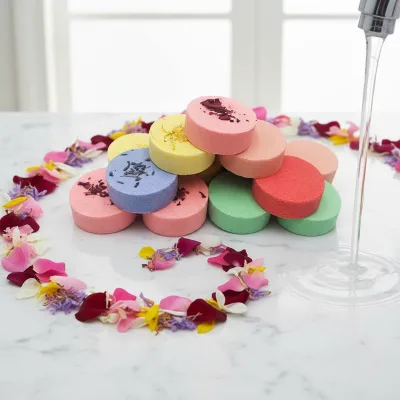
Wholesale 100g Dried Flower Salt Essential Oil Body Cleansing Bubble Bath Bomb
$0.28 - $0.32
MOQ: 3160 Pieces

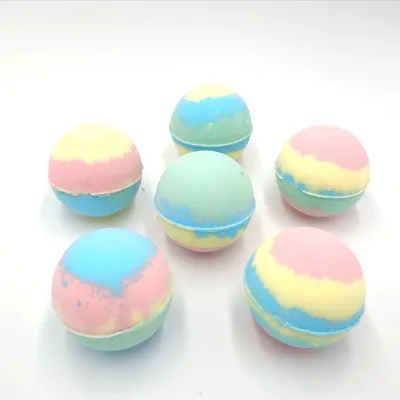
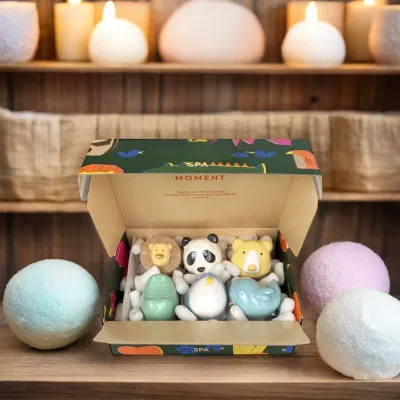
Best Seller Handmade Natural Essential Oil Cloud Rainbow Bath Gift Bath Bombs
$0.64 - $0.72
MOQ: 1390 Pieces
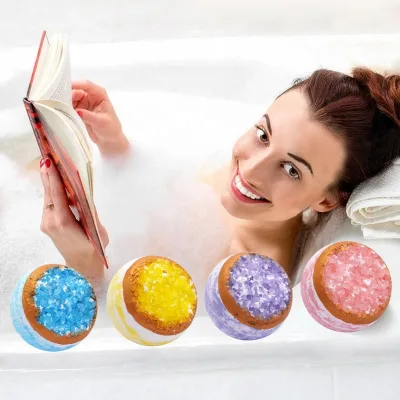
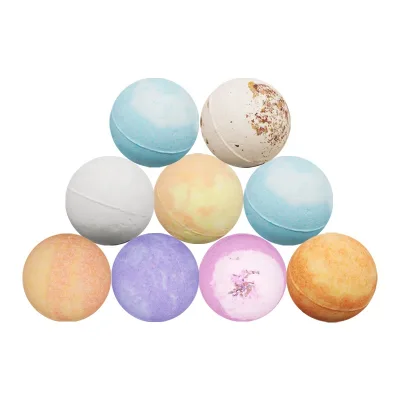
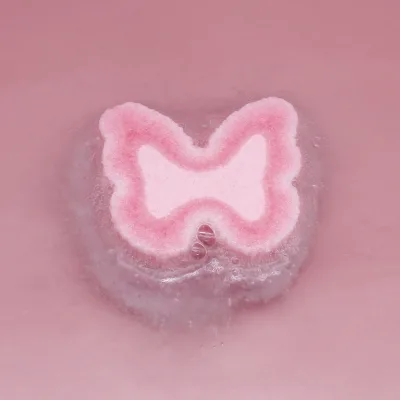


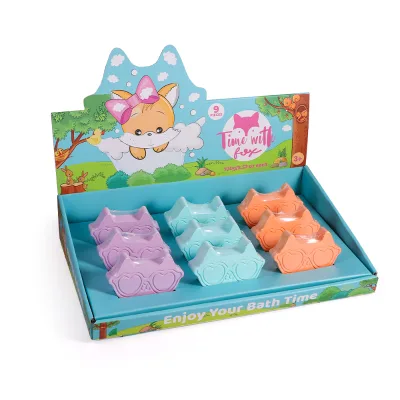
Factory Wholesale Handmade Organic Bubble Bath Bombs for Kids Gifts Set
$1.50 - $7.50
MOQ: 3000 Pieces


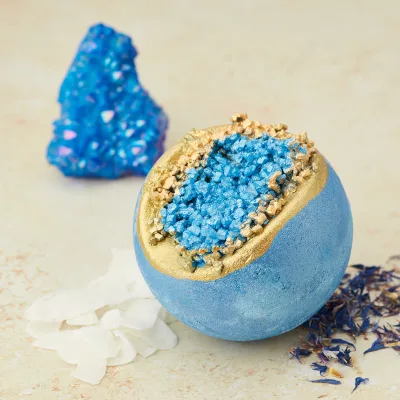
Comprehensive Sourcing Guide
Strategic Sourcing Guide for Organic Alcohol-Free Bath Bombs
The global demand for personal care products has shifted significantly toward natural, chemical-free alternatives, with organic alcohol-free bath bombs emerging as a high-potential category for B2B procurement. Buyers seeking these specific items must navigate a complex supply chain where "organic" and "alcohol-free" claims require rigorous verification rather than simple marketing acceptance. This guide provides a structured approach to sourcing, evaluating, and managing procurement for organic alcohol-free bath bombs, ensuring that supply chain partners meet the necessary quality and compliance standards without relying on unverified assertions.
Understanding Technical Specifications and Material Composition
The foundation of any successful procurement strategy for bath bombs lies in a precise understanding of technical specifications. While the core keyword emphasizes "organic" and "alcohol-free," the physical and chemical attributes of the product dictate its performance and safety. In the current market, specifications often include weight, dimensions, and shape, which vary by manufacturer. For instance, observed product data indicates that bath bombs can range in weight, with specific models noted at 80g, while others may differ. The physical form is critical; while some products are listed as lotions, the specific target of bath bombs implies a solid, effervescent form that dissolves in water.
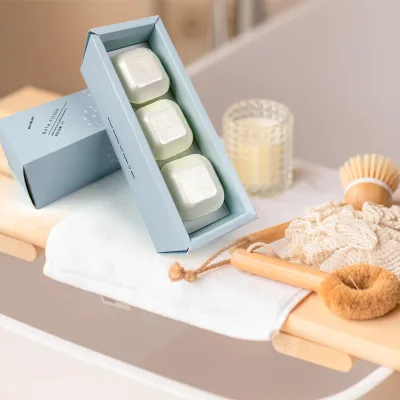
Material composition is the primary differentiator for the "organic" claim. Buyers must verify that the product contains 100% natural ingredients, as claimed by certain suppliers in the sector. This typically involves a blend of citric acid, baking soda, essential oils, and natural colorants. The absence of alcohol is a critical safety and formulation requirement, particularly for products marketed to sensitive skin or children. Procurement teams should request a detailed Bill of Materials (BOM) to confirm the exclusion of ethanol or isopropyl alcohol, which can cause skin irritation or dryness. Furthermore, the shape of the bath bomb, such as column or spherical forms, impacts the dissolution rate and visual appeal, which are key selling points for retail partners.
Compliance Verification and Certification Standards
In the B2B landscape, compliance is not merely a regulatory hurdle but a competitive advantage. When sourcing organic alcohol-free bath bombs, buyers must prioritize suppliers who hold recognized certifications. The supply chain data highlights specific certifications such as GMPC (Good Manufacturing Practice for Cosmetics), ISO 22716, and Sedex. These standards indicate that the manufacturer adheres to strict hygiene, quality management, and ethical labor practices. ISO 22716, in particular, is the international standard for cosmetic Good Manufacturing Practices, ensuring that the production environment is controlled and consistent.
The "organic" label is often a point of confusion in procurement. While some suppliers claim their products are organic, this designation usually requires third-party verification from bodies like USDA Organic or ECOCERT, which are not explicitly listed in the provided product facts. Therefore, buyers must not assume that a product labeled "organic" or "natural" automatically meets these rigorous standards. Instead, the procurement process must include a direct request for organic certification documents. Additionally, the presence of Sedex certification suggests a commitment to ethical sourcing and supply chain transparency, which is increasingly important for brands targeting socially conscious consumers. Without these verified documents, the risk of non-compliance with international safety regulations increases significantly.
Cost Drivers and Economic Factors in Procurement
The pricing of organic alcohol-free bath bombs is influenced by several distinct factors, including raw material costs, certification fees, and production volume. The observed price range in the market spans from $0.12 to $15.50 per unit, a wide variance that reflects differences in quality, packaging, and order quantity. The lower end of this spectrum often corresponds to basic formulations with standard packaging, while the higher end likely includes premium natural ingredients, custom fragrances, and specialized branding.
Minimum Order Quantity (MOQ) is another critical economic driver. Data indicates that MOQs can range from as low as 2 units to as high as 3310 units. For small businesses or startups, a low MOQ allows for market testing with minimal capital risk. However, larger retailers often seek economies of scale, where higher volumes reduce the per-unit cost. The "Supply Ability" of a manufacturer, noted in some contexts as 100,000 pieces per week, suggests that high-volume orders can be fulfilled rapidly, provided the raw materials are in stock. Buyers must also consider the cost of customization, such as silk screen printing, heat-transfer printing, or laser printing for logos, which adds to the overall unit cost. Packaging details, such as export cartons with customized shipping marks, also contribute to the final landed cost.
Typical Applications and Market Positioning
Bath bombs are versatile products with applications extending beyond simple bathing. The functional attributes observed in the market include cleaning, relaxing, and moisturizing. These products are designed for use in home settings, spas, and as part of body care routines. The target audience is broad, ranging from adults to all ages, with specific formulations catering to combination skin types. The "alcohol-free" aspect makes these products particularly suitable for individuals with sensitive skin or those avoiding harsh chemicals, expanding their marketability to a wider demographic.
The application of these bath bombs often aligns with wellness and self-care trends. Products with "elegant" styles and "colorful" appearances are positioned as luxury items for relaxation and stress relief. The inclusion of natural fragrances, which can be customized, allows brands to create unique sensory experiences. For B2B buyers, understanding these applications is crucial for matching the right product to the right retail channel. For example, a product with a "clean" function might be marketed in health-focused stores, while a "relaxing" variant with a specific scent profile might be better suited for boutique spas or gift shops. The ability to customize the scent and packaging allows suppliers to tailor products to specific niche markets, enhancing the value proposition for the buyer.
Supplier Evaluation and Selection Criteria
Selecting the right supplier requires a multi-faceted evaluation process that goes beyond price comparisons. The geographical origin of the products, often listed as Fujian or Zhejiang in China, provides insight into the manufacturing ecosystem. These regions are known for their robust cosmetic and chemical manufacturing capabilities. However, the location alone does not guarantee quality. Buyers should evaluate suppliers based on their service capabilities, such as OEM (Original Equipment Manufacturer) and ODM (Original Design Manufacturer) services. The availability of customization options, including logo design and fragrance selection, is a strong indicator of a supplier's flexibility and customer-centric approach.
The lead time for samples is another critical metric. Observed data suggests a sample lead time of 3-5 days, which is efficient for the prototyping phase. However, buyers must verify the lead time for bulk production, as this can vary significantly based on order volume and material availability. The "Port of dispatch," often listed as Xiamen, China, is relevant for logistics planning and freight cost calculations. A supplier with a strong track record in export logistics, evidenced by "normal export cartons" and standardized packaging details, reduces the risk of shipping delays or damage. Ultimately, the supplier's ability to maintain consistent quality across batches, as implied by their adherence to ISO and GMPC standards, is the most important factor in long-term partnership success.
Quality Control and Long-Term Procurement Considerations
Maintaining product quality is paramount in the bath bomb industry, where consistency in fizzing action, scent retention, and ingredient safety is expected. Quality control measures should be integrated into the procurement process, starting with the verification of raw materials. Buyers should insist on certificates of analysis (CoA) for each batch to confirm the absence of alcohol and the presence of declared natural ingredients. The shelf life of the product, observed to be up to 3 years in some cases, must be clearly communicated and verified to ensure inventory management aligns with product stability.
Long-term procurement considerations also involve the scalability of the supply chain. A supplier with a high supply ability, such as 100,000 pieces per week, offers the potential for rapid scaling as the buyer's business grows. However, this capacity must be balanced with the ability to maintain quality standards during peak production periods. The "Single package size" and "Single gross weight" are essential for logistics planning, ensuring that shipping costs are optimized and that the product arrives in pristine condition. Furthermore, the customization of packaging details, such as shipping marks, allows buyers to maintain brand consistency throughout the supply chain. By focusing on these technical and operational details, buyers can secure a reliable supply of high-quality, organic alcohol-free bath bombs that meet the demands of their target market.
FAQs
Can I customize the fragrance and logo on these bath bombs?
Yes, customization is available for both fragrance and logo. Suppliers offer options like silk screen printing, heat-transfer printing, and laser printing for logos, while scents can be customized as requested to match your brand identity.
What certifications do the manufacturers hold for these products?
Manufacturers typically hold GMPC, ISO 22716, and Sedex certifications. These standards ensure adherence to cosmetic good manufacturing practices, quality management, and ethical labor practices throughout the production process.
How long does it take to receive a sample of the bath bombs?
The sample lead time is typically 3 to 5 days. This allows buyers to quickly evaluate product quality, fizzing action, and packaging before committing to larger bulk orders.
What is the minimum order quantity for these bath bombs?
Minimum order quantities range from 2 to 3310 units depending on the supplier and customization needs. Lower MOQs allow for market testing, while higher volumes often secure better pricing and faster fulfillment.
Where are these organic bath bombs manufactured and shipped from?
Products originate from Fujian and Zhejiang provinces in China and are dispatched from the port of Xiamen. This location supports robust manufacturing capabilities and established export logistics for international buyers.
What are the typical specifications for weight and packaging?
Specifications vary, with some models weighing 80g and others listed at 40g. Packaging typically includes standard export cartons with customized shipping marks, often containing 48 units per carton.
Do these bath bombs contain natural ingredients and avoid alcohol?
Some products are made with 100% natural ingredients and are marketed as organic. While alcohol-free formulations are common for sensitive skin, buyers should verify specific ingredient lists and request certificates of analysis.