Source organic alcohol-free hair styling wax for matte, thickening, and shaping
Explore 30 listings of organic alcohol-free hair styling wax suitable for matte finishes, thickening, and shaping. Buyers can compare hold strength, ingredients, and customization options from verified suppliers offering private label services.
Key considerations
Products List


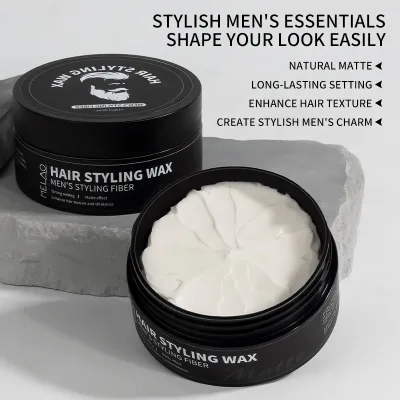


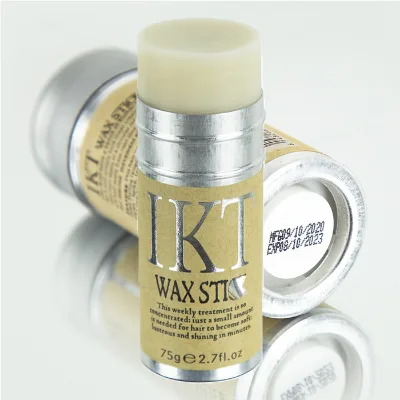
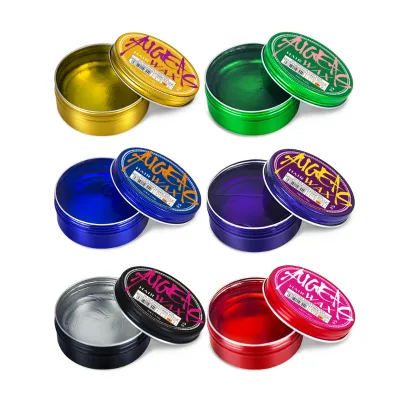
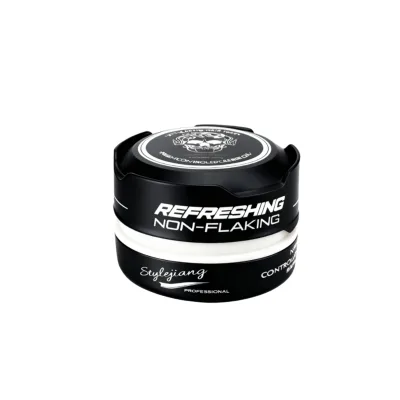
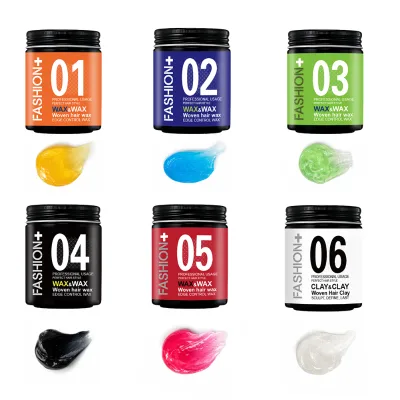
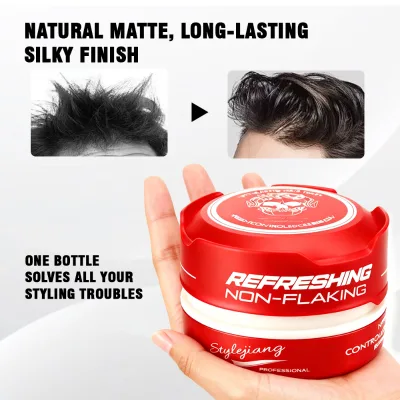
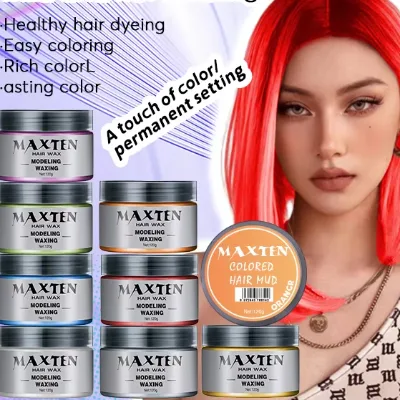


$0.01 - $0.39
MOQ: 1000 Pieces




Comprehensive Sourcing Guide
Strategic Sourcing Guide for Organic Alcohol-Free Hair Styling Wax
Understanding Product Specifications and Formulation Standards
When sourcing organic alcohol-free hair styling wax, buyers must first establish a clear understanding of the technical specifications that define the product category. The core keyword implies a formulation that avoids drying alcohols while leveraging organic ingredients to provide hold and texture. Based on observed market data, the product form is consistently identified as wax, often presented in stick formats or jars. The primary function is strong hair styling hold, which aligns with the observed attribute of "Strongest" effects in high-performance variants.
Buyers should verify that the product specifications explicitly state "Alcohol-Free" and "Organic" as distinct attributes. In the current market, products are frequently described with key attributes such as "Natural Ingredients" and "Vegan" status, which supports the organic claim. The physical form can vary; while some listings specify a "Hair Wax Stick" with dimensions around 7.3x7.3x3.9 cm, others may offer bulk or jar formats with volumes ranging from 16g to 113g. It is critical to distinguish between single-item packaging and bulk parcel configurations, such as 5 pieces per parcel or 30 pieces per small box, as this impacts logistics planning.
The visual and sensory specifications are equally important for brand alignment. Observed color attributes include beige and white, while the scent profile is typically described as "Natural Smell" or "Natural Scent." The product is generally designed for a unisex audience across all age groups. When evaluating technical sheets, buyers should look for specific hold strengths, which are often categorized as "Strong Hold" or "Strong Hold Edge Control." The efficacy claims should match the intended use, such as anti-frizz, heat protection, texturizing, and molding capabilities.
Compliance Verification and Certification Protocols
In the realm of organic and vegan beauty products, compliance is not merely a suggestion but a prerequisite for market entry and brand integrity. Buyers must verify that suppliers can provide documentation confirming the organic status of the ingredients used. While the term "Organic" is frequently listed as a product feature, it is essential to understand that this claim requires backing from recognized certification bodies depending on the target market, such as USDA Organic, COSMOS, or Ecocert. The supplied data mentions "Natural Ingredients" and "Vegan" attributes, but these are observations that require validation against actual certification documents.
Buyers should also check for compliance with regional safety standards. Although specific standard codes like "448cm" or "16g" appear in product listings, these often refer to packaging dimensions or unit weights rather than chemical safety standards. The actual chemical safety compliance, such as adherence to ISO 22716 (Good Manufacturing Practices for Cosmetics) or local regulatory frameworks like the EU Cosmetics Regulation, must be explicitly requested. The presence of "OEM" and "ODM" services suggests that suppliers are accustomed to customizing formulations, which introduces the need for rigorous quality assurance on the specific blend being produced.
Furthermore, the "Shelf life" of three years is a common observation, but this duration is contingent upon proper storage and the stability of the organic preservative system used. Buyers should verify that the supplier provides stability testing data to ensure the product maintains its efficacy and safety profile over the stated shelf life. The absence of alcohol is a significant selling point, but it necessitates a robust alternative preservation system to prevent microbial growth, which is a critical compliance checkpoint for organic formulations.
Cost Drivers and Pricing Structure Analysis
The pricing structure for organic alcohol-free hair styling wax is influenced by several distinct cost drivers. The observed price range in the market spans from $0.01 to $9.90, a wide variance that reflects differences in volume, packaging, and ingredient quality. The lower end of this spectrum typically corresponds to bulk raw materials or minimal packaging, while the higher end reflects finished goods with premium organic certifications and custom branding.
One of the primary cost drivers is the sourcing of organic ingredients. Natural and organic raw materials often carry a higher price point than synthetic alternatives due to supply chain complexities and certification costs. The "Vegan" attribute also adds a layer of cost, as it requires the exclusion of animal-derived ingredients and often involves more expensive plant-based substitutes. Additionally, the customization options, such as private labeling and OEM services, introduce variable costs. Suppliers offering "Private Label OEM Service" may charge setup fees or minimum order quantities (MOQs) that differ from standard off-the-shelf products.
The MOQ is another critical factor in cost analysis. While some suppliers list an MOQ as low as 1 piece, others may require orders up to 3000 units. The observed data indicates a wide range of 1 to 3000, suggesting that buyers can negotiate based on their volume needs. However, lower MOQs often come with a higher unit price due to the lack of economies of scale. Packaging costs also play a significant role; options like "Box" packaging or specific parcel configurations (e.g., 5PCS/Parcel) affect the final landed cost. Buyers should request detailed breakdowns of costs related to ingredients, packaging, and labor to understand the true value proposition of a supplier.
Typical Applications and Performance Expectations
The application of organic alcohol-free hair styling wax is diverse, catering to various styling needs and hair types. The primary use case is for styling performance, where the product provides a strong hold without the drying effects associated with alcohol-based products. This makes it suitable for a wide range of hair textures, including multilevel hair, as noted in the product attributes. The specific styling effects observed include anti-frizz, heat protection, texturizing, and the ability to create a matte or natural look, as well as a shine or gloss finish.
Buyers should understand that the "Strong Hold" attribute is particularly relevant for styles that require longevity, such as updos, braids, or textured looks. The product's ability to provide "Molding/Shaping" and "Thickening/Volumizing" effects makes it a versatile tool for both professional stylists and consumers. The "Natural Smell" is a key differentiator, appealing to users who prefer fragrance-free or naturally scented products over synthetic perfumes.
The versatility of the product is further enhanced by its suitability for all age groups and its unisex nature. This broadens the potential market for buyers looking to stock products that appeal to a wide demographic. The "Heat Protection" feature is particularly valuable in modern styling routines where heat tools are frequently used, offering an additional layer of hair health maintenance. Buyers should ensure that the supplier's performance claims align with the specific needs of their target customers, as the efficacy of the wax can vary based on the specific blend of organic ingredients used.
Supplier Evaluation and Selection Criteria
Selecting the right supplier for organic alcohol-free hair styling wax requires a rigorous evaluation process that goes beyond price comparisons. Buyers should prioritize suppliers who demonstrate transparency in their sourcing and manufacturing processes. The "Advantage" of having "20+ Years Experience" is a significant indicator of reliability and expertise in the industry. This experience often translates to better quality control, consistent product performance, and the ability to handle complex customization requests.
When evaluating suppliers, buyers should assess their capability for OEM and ODM services. The ability to offer "Private Label OEM Service" and accept "OEM and ODM" requests is crucial for brands looking to differentiate themselves in the market. Buyers should verify the supplier's capacity to handle custom formulations, packaging designs, and branding requirements. The "Sample Offered" attribute is also a key indicator of a supplier's willingness to collaborate and their confidence in their product quality.
Geographic location is another factor to consider. While the origin is listed as "China" with a specific mention of "Guangzhou," buyers should evaluate the logistical implications of sourcing from this region. Guangzhou is a major hub for cosmetics manufacturing, offering access to a robust supply chain and a wide range of suppliers. However, buyers must also consider lead times, shipping costs, and the reliability of the supply chain in the event of disruptions.
Quality Control and Long-Term Procurement Considerations
Maintaining high quality standards is essential for the long-term success of a hair styling wax product line. Buyers should implement a robust quality control (QC) protocol that includes pre-shipment inspections and regular testing of finished goods. Key QC checks should focus on the consistency of the wax texture, the accuracy of the hold strength, and the stability of the organic ingredients over time. The "Shelf life" of three years should be validated through stability testing to ensure the product remains safe and effective throughout its intended lifespan.
Long-term procurement considerations involve building a sustainable relationship with suppliers who can scale with the buyer's growth. The "MOQ" flexibility observed in the market, ranging from 1 to 3000 units, suggests that suppliers can accommodate both small startups and large enterprises. However, buyers should negotiate terms that allow for volume discounts and flexible order adjustments as market demand fluctuates.
Sustainability is also a growing concern in the cosmetics industry. Buyers should evaluate the supplier's commitment to eco-friendly practices, such as the use of recyclable packaging and sustainable sourcing of organic ingredients. The "Vegan" and "Organic" attributes already align with these values, but buyers should seek further confirmation of the supplier's environmental policies. Additionally, the "Stock Brands" mentioned, such as Cabok and Toppi, may indicate the supplier's experience with established brands, which can be a positive signal of their capability to handle high-volume orders and maintain quality standards.
Final Procurement Strategy and Risk Mitigation
To conclude, sourcing organic alcohol-free hair styling wax requires a balanced approach that combines technical due diligence with strategic supplier selection. Buyers must ensure that the product specifications, including hold strength, ingredients, and packaging, align with their brand values and customer expectations. Compliance with organic and safety standards is non-negotiable, and buyers should demand full documentation to support all claims.
Risk mitigation strategies should include diversifying the supplier base to avoid single-point failures and establishing clear communication channels for quality assurance. By focusing on suppliers with extensive experience and a proven track record in OEM/ODM services, buyers can secure a reliable supply chain that supports their long-term growth. The wide range of observed prices and MOQs offers flexibility, but buyers must carefully evaluate the trade-offs between cost, quality, and volume to make informed decisions.
| Evaluation Factor | Key Considerations | Verification Method |
|---|---|---|
| Formulation | Alcohol-free, Organic, Vegan | Request Certificates of Analysis (CoA) |
| Hold Strength | Strong Hold, Anti-Frizz, Texturizing | Perform in-house or third-party testing |
| Packaging | Box, Stick, Custom Dimensions | Review physical samples and packaging specs |
| Supplier Capability | 20+ Years Experience, OEM/ODM | Check references and past project portfolios |
| Logistics | MOQ 1-3000, Origin Guangzhou | Analyze shipping costs and lead times |
| Compliance | Shelf Life 3 Years, Safety Standards | Verify ISO 22716 and regional regulations |
By adhering to these guidelines, buyers can navigate the complexities of the organic hair styling wax market and secure products that meet the highest standards of quality and performance.
FAQs
What is the hold strength of organic alcohol-free hair styling wax?
The product offers strong hold and strong hold edge control capabilities. It is designed for multilevel hair and provides styling effects like anti-frizz, heat protection, and texturizing for a matte or natural look.
Can I customize the packaging and volume for this hair wax?
Customization is available for private label OEM services with volume options like 113g or 50g. Buyers can select from box packaging or parcel configurations such as 5 pieces per parcel to meet specific branding needs.
Which ingredients are used in this organic vegan hair styling wax?
The formulation uses natural ingredients and is certified vegan with no alcohol. It features a natural smell and is suitable for all ages, ensuring a safe and organic styling experience for unisex users.
How does the MOQ and pricing structure work for bulk orders?
The minimum order quantity ranges from 1 piece up to 3000 units depending on the supplier. Prices vary between 0.01 and 9.9 USD, with lower MOQs often carrying higher unit costs due to limited economies of scale.
What are the physical specifications and shelf life of the wax?
The product typically has a shelf life of three years and comes in beige or white colors. Single package sizes vary, with some models measuring 7.3x7.3x3.9 cm and others weighing 0.600 kg gross.
Where are these organic hair wax products manufactured and shipped from?
Products originate from China, specifically Guangzhou, which is a major cosmetics manufacturing hub. Suppliers offer sample services and have over 20 years of experience in producing and exporting these styling items globally.