Source Organic Amino Acid Cleansing Mousse for daily care
Compare 30 listings for Organic Amino Acid Cleansing Mousse from verified suppliers. Evaluate features like deep cleansing, moisturizing, and oil control, along with certifications and customization options for your brand; compare the available evidence and request quotations based on your requirements.
Updated
Key considerations
Products List
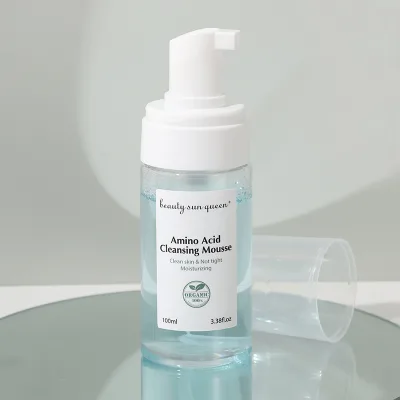
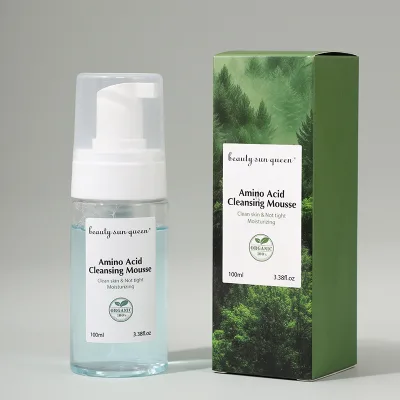

Organic Vegan Foam Pore Cleansing Cream Amino Acid Mousse Facial Cleanser
$1.35 - $2.02
MOQ: 3000 Pieces

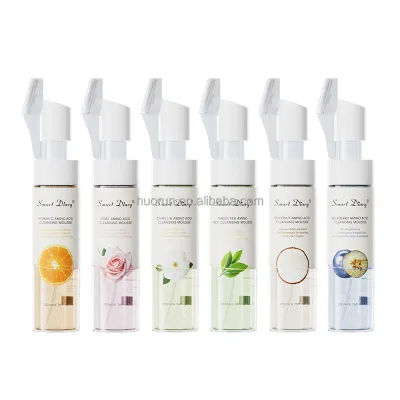
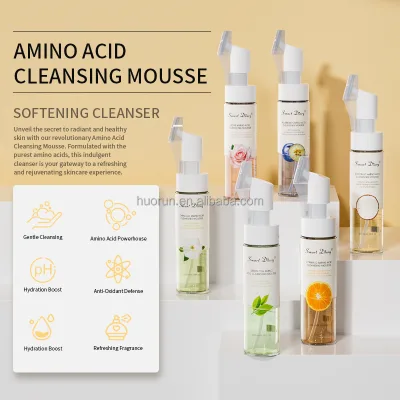
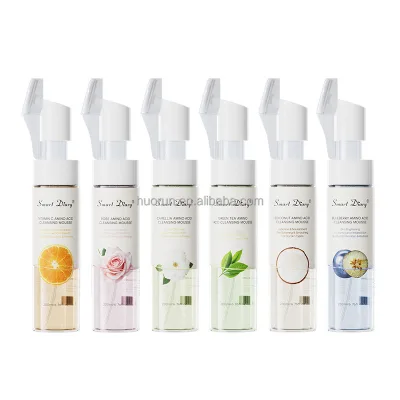
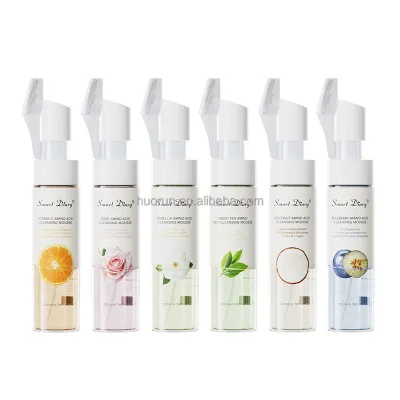


OEM Face Care Deep Cleanser Face Wash Facial Cleansing Mousse with Foam 120ml
$2.98 - $3.75
MOQ: 5000 Pieces


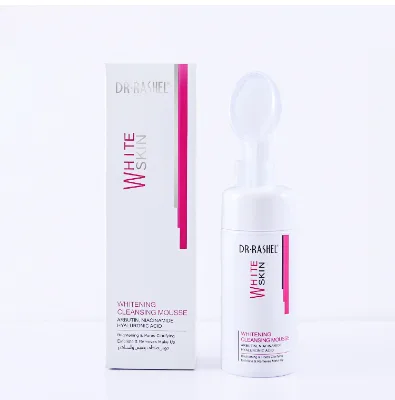


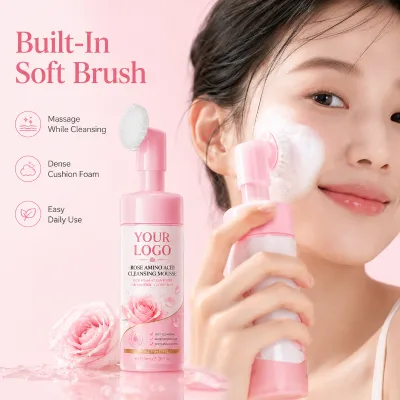
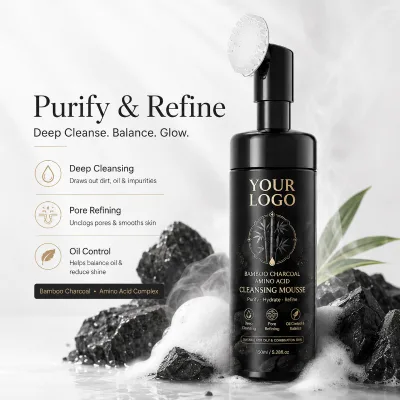


OEM ODM Amino Acid Deep Cleansing Moisturizing Mousse Refreshing for Face
$2.25 - $3.00
MOQ: 1000 Pieces

Comprehensive Sourcing Guide
Organic Amino Acid Cleansing Mousse Sourcing Guide
Sourcing Organic Amino Acid Cleansing Mousse requires a disciplined approach to verifying ingredient integrity and manufacturing standards. Buyers must distinguish between products labeled as "organic" and those that simply contain amino acid complexes, as the supplied data highlights a primary ingredient of AMINO ACID alongside various botanical extracts. The observed market signals indicate a focus on deep cleansing and moisturizing functions, with specific product names like "Amino Acid Cleansing Mousse" appearing alongside custom branding options. Procurement teams should prioritize suppliers who transparently disclose their main ingredient profiles, ensuring that the amino acid content is not merely a marketing term but a functional core of the formulation.
The commercial landscape for these products shows a wide variance in packaging and customization capabilities. Observed listings reveal a price range of $0.2 to $4.00 USD, with minimum order quantities (MOQ) spanning from 10 to 5,000 pieces. This variability suggests that buyers can find options suitable for both small-scale testing and large-volume distribution. However, the presence of "custom" brand names and private label services indicates that many manufacturers operate as OEM/ODM providers. Buyers must carefully evaluate whether the supplier’s customization capabilities align with their brand identity, particularly regarding logo placement, packaging design, and specific functional claims such as oil control or whitening effects.
Product Scope and Observed Listing Signals
The product scope for amino acid cleansing mousse centers on daily skin care routines, with observed features emphasizing deep cleansing, pore cleaning, and moisturizing benefits. The supplied facts list multiple functional attributes, including oil control, anti-wrinkle properties, and lightening effects, suggesting a broad application range for various skin types. Buyers should note that while the primary ingredient is identified as amino acid, other listings mention complex blends including aloe vera, glycerin, green tea, pearl, and shea butter. This diversity in ingredient claims requires careful verification to ensure the product meets specific quality expectations and does not rely on vague "other" ingredient categories for its core value proposition.
Market signals indicate a strong emphasis on customization and private labeling, with suppliers offering services such as OEM, ODM, and customized logos. The observed product attributes include specific color preferences like light blue and packaging formats such as carton boxes, with single package sizes ranging from 6x4.5x14 cm to 7x4x15 cm. These physical specifications are critical for logistics planning and shelf presentation. Buyers must verify the actual volume, which is typically listed as 100ml or 100 mL, and confirm the net weight against the gross weight to ensure accurate shipping calculations. The availability of samples is also a key signal, allowing buyers to test the mousse texture and foam quality before committing to larger orders.
Technical Specifications to Verify
Technical verification begins with confirming the physical form and volume consistency of the cleansing mousse. The supplied data indicates a liquid form with a standard volume of 100ml, but buyers must verify if this volume is consistent across all batches and packaging types. The single gross weight varies significantly, with observations of 0.600 kg and 0.35 kg for similar package sizes, suggesting potential discrepancies in packaging material density or fill levels. Procurement teams should request detailed technical sheets that specify the exact weight and volume tolerances to avoid receiving underfilled products that could lead to customer complaints or regulatory issues in target markets.
Model numbers and product codes are essential for traceability and quality control. Observed model identifiers such as NZ-098, FC, and HRJMMS01 highlight the need for precise specification matching during the ordering process. Buyers must ensure that the supplier’s internal model numbers correspond exactly to the agreed-upon formulation and packaging specifications. Additionally, the "size type" is listed as regular size, but buyers should confirm if this refers to the bottle dimensions or the product volume. Verifying these technical details prevents mismatches between the ordered product and the delivered goods, ensuring that the final product meets the brand’s quality standards and functional requirements.
Compliance and Safety Documentation
Compliance verification is critical for importing cosmetic products, with observed certifications including GMPC, HALAL, MSDS, GMP CE, ISO, COA, and ISO22716. Buyers must request valid and current copies of these certificates to ensure that the manufacturing facility adheres to recognized quality and safety standards. The presence of multiple certifications suggests a high level of regulatory awareness, but buyers should verify the issuing bodies and the scope of each certification to ensure they cover the specific product type and manufacturing processes. This due diligence is essential for maintaining market access and avoiding legal liabilities associated with non-compliant cosmetic products.
Safety data sheets (MSDS) and certificates of analysis (COA) provide crucial information about the chemical composition and safety profile of the cleansing mousse. Buyers should review these documents to confirm the absence of prohibited substances and to verify the concentration of active ingredients such as amino acids and botanical extracts. The observed feature list includes claims like "does not tighten" and "controls oil," which should be supported by relevant test data or clinical evaluations. Procurement teams must ensure that all safety documentation is up-to-date and matches the specific batch being ordered, as formulations can change over time without prior notice.
Cost Drivers and Commercial Terms
Cost drivers for amino acid cleansing mousse include raw material quality, packaging complexity, and order volume. The observed price range of $0.2 to $4.00 USD reflects significant variation based on these factors. Buyers should analyze the cost breakdown to understand how much of the price is attributed to the amino acid formulation versus packaging and logistics. Higher prices may indicate the use of premium ingredients or more sophisticated packaging solutions, while lower prices might suggest basic formulations or minimal packaging. Understanding these cost drivers helps buyers make informed decisions about budget allocation and value optimization.
Commercial terms such as MOQ and lead times are key considerations for supply chain planning. The observed MOQ ranges from 10 to 5,000 pieces, offering flexibility for different business models. Buyers should negotiate terms that align with their inventory management strategies, considering factors like storage capacity and sales velocity. Additionally, the availability of samples is a valuable commercial term that allows for quality assessment before large-scale production. Buyers should clarify the cost and lead time for samples, as well as the conditions under which sample costs can be credited against future orders, to minimize initial investment risks.
Supplier Qualification and Quality Control
Supplier qualification involves assessing the manufacturer’s experience and production capabilities. The observed advantage of "20 Years Experience" suggests a mature manufacturing base, but buyers should verify this claim through site audits or third-party inspections. Quality control processes should be clearly defined, with specific checkpoints for raw material inspection, in-process monitoring, and final product testing. Buyers must ensure that the supplier has a robust quality management system in place, capable of maintaining consistency across large production runs. This includes verifying the supplier’s ability to handle customizations without compromising product quality or safety standards.
Quality control also extends to packaging and labeling accuracy. Buyers should implement incoming quality checks to verify that the delivered products match the agreed-upon specifications, including volume, weight, and labeling details. The observed customization options, such as private logos and customized packaging, require strict adherence to brand guidelines. Procurement teams should establish clear acceptance criteria for packaging defects and labeling errors, and define the process for handling non-conforming products. Regular communication with the supplier regarding quality performance and continuous improvement initiatives is essential for maintaining long-term product integrity.
Long-Term Procurement Checks
Long-term procurement success depends on continuous monitoring of supplier performance and market trends. Buyers should establish key performance indicators (KPIs) for quality, delivery, and responsiveness, reviewing these metrics regularly to identify areas for improvement. The dynamic nature of the cosmetic industry requires buyers to stay informed about regulatory changes, ingredient trends, and consumer preferences. Regular audits and performance reviews help ensure that the supplier remains compliant and competitive, adapting to new challenges and opportunities in the market. This proactive approach minimizes risks and supports sustainable growth for the procurement function.
Building a resilient supply chain involves diversifying suppliers and maintaining strong relationships with key partners. Buyers should consider engaging multiple suppliers for critical products to mitigate the risk of supply disruptions. Regular communication and collaboration with suppliers can lead to innovation and cost savings, as partners work together to optimize processes and develop new products. Additionally, buyers should monitor the stability of raw material prices and availability, particularly for key ingredients like amino acids and botanical extracts. By maintaining a strategic focus on supplier management and market intelligence, buyers can secure a reliable supply of high-quality amino acid cleansing mousse for their customers.
FAQs
What certifications are available for this cleansing mousse?
The product holds GMPC, HALAL, MSDS, GMP CE, ISO, COA, and ISO22716 certifications. These documents ensure compliance with international manufacturing standards. Buyers can request these certificates to verify quality and safety protocols before placing bulk orders for their private label needs.
Can I customize the brand and packaging for this mousse?
Yes, OEM, ODM, and private label services are available. You can customize the logo, brand name, and carton box packaging. The manufacturer supports custom designs to help you establish a unique brand identity in the competitive skincare market while maintaining product quality.
What is the minimum order quantity for this product?
The standard MOQ is 500 pieces for bulk production. However, sample orders may be available with a lower threshold of 72 units. This flexible structure allows new buyers to test product quality before committing to larger wholesale quantities for their retail distribution channels.
What are the main ingredients in this amino acid mousse?
The primary ingredient is amino acid, which provides gentle deep cleansing. Additional components may include aloe vera, glycerin, green tea, pearl, and shea butter. These ingredients work together to moisturize, control oil, and clean pores without tightening the skin during daily use.
Where is this cleansing mousse manufactured and shipped from?
The product originates from Guangdong, China. It is manufactured in facilities that adhere to strict quality control standards. The single package size is approximately 6x4.5x14 cm, and the gross weight is around 0.600 kg, facilitating efficient logistics and shipping for international buyers.