Source Organic Anti-Wrinkle Vitamin E Serum for Face, Lips, and Eyes
Find 30 listings for organic anti-wrinkle vitamin e serum tailored for face, lip, and eye care. Compare OEM options, certifications like CE and FDA, and packaging styles to identify suitable suppliers for your brand.
Key considerations
Products List


High Quality Sale of Anti-Wrinkle Smoothing and Firming Vitamin C Serum
$2.60 - $3.50
MOQ: 1000 Pieces


Organic Anti-Aging Moisturizing Skin 20% Vitamin C Serum for Face and Neck
$2.10 - $2.35
MOQ: 1000 Pieces
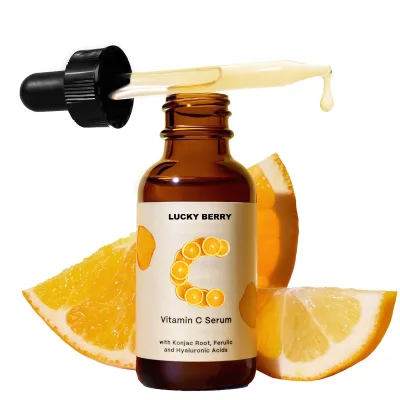


OEM Vitamin C Moisturizing Whitening Anti-Aging Anti-Wrinkle Facial Serum
$1.21 - $1.88
MOQ: 3000 Pieces


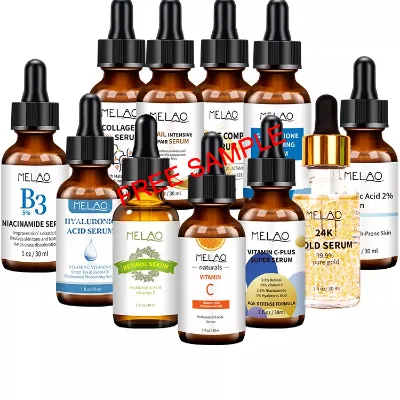
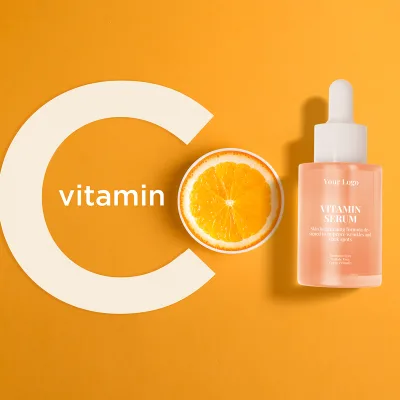


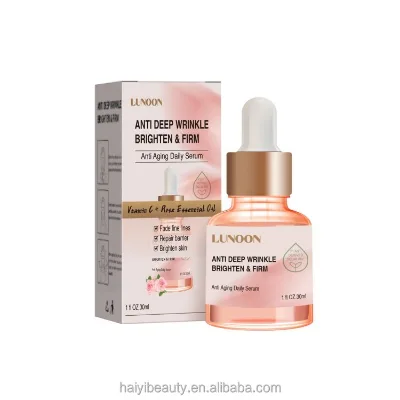
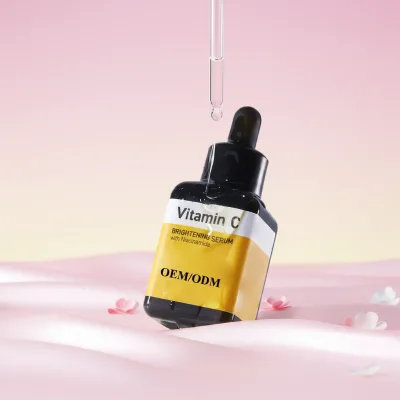
Comprehensive Sourcing Guide
Organic Anti-Wrinkle Vitamin E Serum Sourcing Guide
Sourcing organic anti-wrinkle vitamin E serum requires a disciplined approach to balancing cosmetic efficacy with regulatory compliance. Buyers must navigate a market where "organic" claims often intersect with synthetic formulations, necessitating strict verification of ingredient sourcing and processing methods. The core keyword highlights a specific niche within the broader facial skincare category, focusing on antioxidant properties and wrinkle reduction. Procurement teams should prioritize suppliers who provide transparent ingredient lists and clear differentiation between natural extracts and synthetic vitamins. This guide outlines the essential verification steps, technical specifications, and commercial considerations for sourcing high-quality vitamin E serums for private label or wholesale distribution.
The following sections provide a structured framework for evaluating potential suppliers and products. By focusing on observed listing signals, technical specifications, and compliance documentation, buyers can mitigate risks associated with inconsistent product quality or regulatory non-compliance. The guidance is designed to support informed decision-making at every stage of the procurement lifecycle, from initial supplier identification to long-term quality assurance.
Product Scope and Observed Listing Signals
The observed product landscape for vitamin E serums reveals a diverse range of formulations targeting various facial concerns. Listings frequently highlight features such as anti-aging, anti-wrinkle, moisturizing, and skin revitalization, indicating a strong market demand for multi-functional skincare solutions. The primary ingredient is consistently identified as vitamin E, often combined with other components like plant extracts, collagen, or vitamin C to enhance efficacy. Buyers should note that while the core keyword emphasizes "organic" and "vitamin E," many observed products include additional active ingredients that contribute to lightening, firming, and nourishing effects. This suggests that sourcing strategies should account for complex formulations rather than single-ingredient products.
Observed listing signals also indicate significant variability in product packaging and customization options. Common packaging formats include glass bottles, often presented in color boxes or export packing, with standard volumes around 30ml or 1 fl. oz. Customization is widely available, including private logo printing, OEM/ODM services, and custom packaging designs. The observed minimum order quantities (MOQ) range from 50 to 5000 pieces, with some suppliers offering flexible terms for small orders. Buyers should leverage these signals to align their procurement volumes with supplier capabilities, ensuring that the chosen partner can accommodate their specific branding and volume requirements without compromising on quality or lead times.
Technical Specifications to Verify
Technical verification begins with confirming the product's physical and chemical specifications. Buyers should request detailed product data sheets that outline the exact concentration of vitamin E and other active ingredients. The observed standard volume of 30ml per bottle is common, but variations exist, so precise volume confirmation is essential for inventory planning and cost calculations. Additionally, the product model or code, such as "Best Vitamin C Serum" or "SY," should be cross-referenced with the supplier's catalog to ensure consistency. Packaging dimensions, such as 4x4x10 cm, are also critical for logistics planning, as they directly impact shipping costs and storage requirements.
Beyond physical attributes, buyers must verify the product's functional claims through technical documentation. Features like anti-wrinkle, anti-puffiness, and dark circle reduction require substantiation, ideally through stability testing or ingredient efficacy data. The observed use cases include face, eye, lips, neck, and nose, indicating that some formulations are designed for sensitive areas. Buyers should confirm whether the product is suitable for all intended application areas, particularly for eye and lip use, which may require stricter formulation standards. Verifying these technical details ensures that the final product meets the expected performance criteria and aligns with the brand's positioning in the market.
Compliance and Safety Documentation
Compliance is a non-negotiable aspect of sourcing skincare products, particularly those making anti-aging and anti-wrinkle claims. Buyers must ensure that suppliers provide valid certifications, such as CE, FDA, GMP, and MSDS, which indicate adherence to regional and international safety standards. The observed certifications suggest that many suppliers operate in markets with rigorous regulatory frameworks, but buyers should verify the validity and scope of each certificate. For instance, FDA registration may be required for products marketed in the United States, while CE marking is essential for European distribution. MSDS documents provide critical information on ingredient safety and handling, which is vital for both the supplier and the end consumer.
In addition to certifications, buyers should request detailed ingredient lists and safety assessments. The observed main ingredients include vitamin E, plant extracts, and collagen, but the specific sources and concentrations should be clearly documented. For products claiming "organic" status, buyers should verify that the ingredients meet recognized organic standards, such as ISO 22716 for cosmetic good manufacturing practices. This verification process helps mitigate the risk of regulatory penalties and ensures that the product aligns with consumer expectations for natural and safe skincare solutions. Buyers should also confirm that the supplier has a robust quality management system in place to maintain compliance throughout the production process.
Cost Drivers and Commercial Terms
Understanding the cost drivers for vitamin E serums is essential for effective budgeting and negotiation. The observed price range of $0.5 to $3.5 per unit reflects significant variability based on factors such as ingredient quality, packaging complexity, and order volume. Buyers should analyze how these factors influence the final cost, particularly when considering custom packaging or private labeling. The availability of small order acceptance is a notable advantage for startups or brands testing new products, but it may come with a higher per-unit cost. Conversely, larger orders typically offer better economies of scale, reducing the overall cost per unit.
Commercial terms, including MOQ and lead times, also play a crucial role in procurement planning. The observed MOQ range of 100 to 5000 pieces provides flexibility, but buyers should negotiate terms that align with their sales forecasts and inventory management strategies. Lead times, while not explicitly stated in the observed data, are a critical factor in supply chain reliability. Buyers should establish clear agreements on production schedules, shipping methods, and payment terms to avoid disruptions. Additionally, buyers should consider the total cost of ownership, including shipping, customs duties, and storage, to ensure that the final landed cost remains competitive in their target market.
Supplier Qualification and Quality Control
Supplier qualification is a critical step in ensuring the reliability and consistency of the sourced products. Buyers should conduct thorough due diligence on potential suppliers, verifying their business licenses, production capabilities, and quality control processes. The observed emphasis on OEM/ODM services suggests that many suppliers are equipped to handle custom orders, but buyers should assess their experience and track record in producing similar products. Requesting samples is a practical way to evaluate product quality, packaging integrity, and overall presentation before committing to a larger order.
Quality control measures should be integrated into the procurement process to maintain product standards. Buyers should establish clear quality specifications and inspection criteria, including visual checks, weight verification, and functional testing. Regular audits of the supplier's production facility can help identify potential issues early and ensure ongoing compliance with agreed-upon standards. Additionally, buyers should implement a robust incoming inspection process to verify that each batch meets the specified requirements. By prioritizing supplier qualification and quality control, buyers can minimize the risk of product defects and ensure customer satisfaction.
Long-Term Procurement Checks
Long-term procurement success depends on continuous monitoring and evaluation of supplier performance. Buyers should establish key performance indicators (KPIs) to track metrics such as on-time delivery, product quality, and responsiveness to issues. Regular communication with suppliers is essential to address any concerns promptly and to foster a collaborative relationship. Buyers should also stay informed about changes in regulatory requirements and market trends that may impact the sourcing strategy. This proactive approach helps ensure that the supply chain remains resilient and adaptable to changing conditions.
Furthermore, buyers should periodically review their supplier base to identify opportunities for improvement or diversification. Evaluating alternative suppliers can provide leverage in negotiations and reduce dependency on a single source. Buyers should also consider the sustainability and ethical practices of their suppliers, as these factors are increasingly important to consumers. By implementing long-term procurement checks, buyers can maintain a high standard of product quality and service, ultimately supporting the growth and success of their brand in the competitive skincare market.
FAQs
What certifications do the organic anti-wrinkle vitamin e serum products have?
The products hold CE, FDA, GMP, and MSDS certifications. These documents verify compliance with safety and quality standards for export markets, ensuring the serum meets international regulatory requirements for skin care treatments.
Can I order small quantities of the vitamin E serum for testing?
Yes, suppliers accept small orders with a minimum of 100 pieces. This low MOQ allows buyers to test product quality and market response before committing to larger bulk purchases for their inventory needs.
What is the main ingredient used in this anti-wrinkle serum?
The primary ingredient is Vitamin E, often combined with plant extracts and collagen. This formulation targets skin revitalization, moisturizing, and anti-aging benefits specifically designed for face and eye skin care treatments.
How is the serum packaged for export and shipping?
The serum comes in glass bottles with customized private logos and color box packaging. Export packing is also available to ensure product integrity during international transit and to meet specific branding requirements.
Which customization services are available for private label orders?
OEM and ODM private label services are available for branding and packaging. Buyers can request customized logos and specific package designs to align with their brand identity while maintaining high product quality standards.
What are the standard volume and dimensions for the serum bottles?
Standard volumes include 30ml or 1 Fl. Oz per bottle. The product dimensions are typically around 4x4x10 cm, fitting standard export packaging requirements for efficient storage and shipping logistics.