Source Organic Ashwagandha Root Capsules for stress relief, sleep, and immunity
Compare 30 listings of Organic Ashwagandha Root Capsules from verified manufacturers in China. Buyers can evaluate specifications like dosage, certifications, and customization options for adult dietary supplements.
Key considerations
Products List


OEM Organic Nutrition Ashwaganda Root Extract Powder Tea Ashwagandha Capsules
$1.80 - $2.80
MOQ: 50 bottle






Comprehensive Sourcing Guide
Strategic Sourcing Guide for Organic Ashwagandha Root Capsules
The global demand for adaptogenic supplements has elevated the profile of Ashwagandha, particularly in its root capsule form. For procurement professionals in the B2B sector, sourcing Organic Ashwagandha Root Capsules requires a disciplined approach that balances botanical authenticity, regulatory compliance, and supply chain reliability. This guide synthesizes available market data and technical requirements to assist buyers in navigating the complexities of this category. The focus remains on evidence-based verification, ensuring that every procurement decision is grounded in observable product attributes and established industry standards rather than unverified marketing claims.
Technical Specifications and Product Attributes
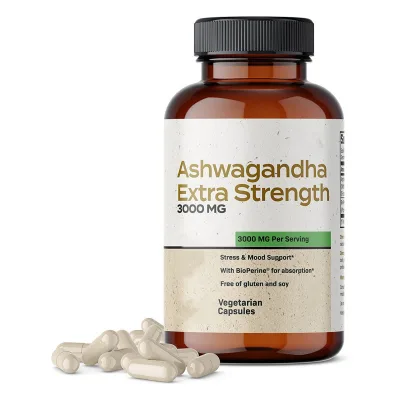
Understanding the precise technical specifications of the product is the first step in defining a viable procurement strategy. The market offers a variety of formulations, but specific attributes define the quality and utility of the final capsule. Current market observations indicate that the standard dosage form for these supplements is the capsule, with common specifications ranging from 400mg to 500mg per unit. A typical packaging configuration involves 60 capsules per bottle, often contained within a secondary carton or box for bulk shipping.
The physical characteristics of the product are equally critical. The raw material is derived from the root of the plant, specifically the bark portion in some extraction contexts, though the root is the primary source for the final supplement. The extraction method is a key differentiator; liquid-solid extraction is a documented process used to isolate active compounds, resulting in a product that can be standardized to high purity levels, such as 99% in certain contexts. The color of the final capsule is typically white, and the flavor profile is often customizable or neutral to accommodate various consumer preferences.
Storage requirements are non-negotiable for maintaining product integrity. The product must be stored in a cool, dry place to prevent degradation. Moisture-proof packaging is essential, with bottles and drums being the primary packaging units observed. The shelf life varies across different listings, with observed ranges spanning from 24 months to 3 years. Buyers must verify the specific shelf-life claim for the batch they intend to purchase, as this impacts inventory management and distribution planning. Furthermore, the product is generally suitable for all seasons and is designed for adult consumption, with no specific gender restrictions, making it a versatile option for unisex markets.
Compliance and Certification Verification
In the dietary supplement industry, certification is not merely a marketing asset but a fundamental requirement for market access and consumer trust. When sourcing Organic Ashwagandha Root Capsules, buyers must rigorously verify the supplier's adherence to recognized quality management systems. The supply chain data indicates a prevalence of several key certifications, including GMP (Good Manufacturing Practice), ISO standards, and HACCP (Hazard Analysis and Critical Control Points).
Specifically, ISO 22000 is a notable certification observed in the sector, which addresses food safety management systems. Additionally, QS certification is frequently cited, indicating compliance with specific quality standards often required in regional markets. The presence of these certifications suggests a facility capable of maintaining consistent quality control. However, buyers should not assume that every listed product possesses every certification. The verification process must involve requesting current, valid certificates for the specific manufacturing facility.
The "Organic" designation in the product name carries significant weight. While the product is marketed as organic, the cultivation method is often listed as artificial planting in some contexts, which may require clarification regarding the specific organic farming standards applied. Buyers must ensure that the "organic" claim is backed by recognized organic certification bodies, distinct from general food-grade certifications. The product is classified as a food supplement, meaning it must comply with food safety regulations in the destination market. The "Food Grade" material classification is a baseline requirement, but it does not automatically confer organic status. Therefore, the verification of organic certification must be a distinct step in the compliance audit.
Cost Drivers and Pricing Dynamics
The pricing of Organic Ashwagandha Root Capsules is influenced by a complex interplay of factors, including raw material quality, extraction complexity, and order volume. The observed price range in the market is broad, spanning from $0.30 to $19.00 USD per unit. This variance is not arbitrary; it reflects differences in the concentration of active ingredients, the certification status of the raw material, and the level of customization required.
The Minimum Order Quantity (MOQ) is a significant cost driver. The market data shows an MOQ range from 1 unit to 5,000 units, with specific bulk requirements often cited as 1kg. Lower MOQs allow for smaller initial investments and risk mitigation but often come with a higher unit cost. Conversely, larger orders typically secure better pricing tiers but require significant capital commitment and storage capacity.
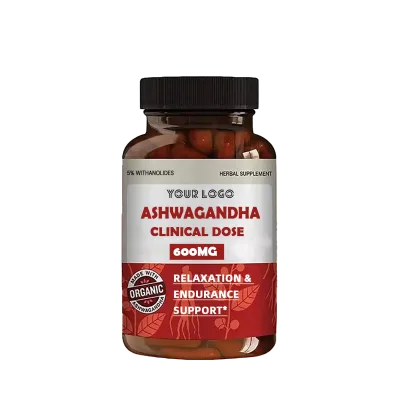
Customization is another major factor affecting cost. The product offers extensive customization options, including private labeling, logo printing, and tailored effectiveness profiles. The ability to customize the flavor, dosage, and packaging adds value but also increases the production complexity and cost. Buyers should anticipate that "OEM/ODM" services, which allow for the creation of a unique brand identity, will command a premium over standard off-the-shelf products. The single gross weight of approximately 1.5kg per package also influences logistics costs, which should be factored into the total landed cost calculation.
Typical Applications and Market Positioning
Ashwagandha root capsules are primarily positioned as functional food supplements designed to support stress management and overall well-being. The product is marketed with features such as being low-fat, sugar-free, and low-salt, appealing to health-conscious consumers who are mindful of their dietary intake. The "Organic" attribute further targets the premium segment of the market, where consumers are willing to pay a premium for perceived purity and natural sourcing.
The versatility of the product allows for diverse applications. It is suitable for a wide range of consumer demographics, as indicated by the "Unisex" and "Adults" attributes. The customization of effectiveness allows manufacturers to tailor the product for specific health claims, although these claims must be carefully vetted against local regulations. The product is often packaged in bottles for retail sale, with secondary packaging in cartons for distribution. The "Single Item" selling unit suggests that the product is also available for direct-to-consumer models or small-scale retail testing.
The seasonal availability is noted as "All Seasons," indicating a stable supply chain that is not subject to the fluctuations of harvest cycles in the same way as fresh produce. This stability is crucial for B2B buyers who require consistent inventory levels to meet retail demand. The product's classification as a "Food Supplement" places it in a regulatory category that allows for broader distribution compared to pharmaceutical products, provided that all labeling and health claims comply with local laws.
Supplier Evaluation and Sourcing Strategy
Selecting the right supplier is critical for ensuring product quality and supply chain continuity. The supply chain data points to manufacturers located in specific regions of China, including Guangzhou and Shaanxi. While these locations indicate established manufacturing hubs, buyers should not rely solely on geographic origin as a proxy for quality. Instead, the evaluation should focus on the supplier's capability to meet the specific technical and compliance requirements outlined in this guide.
When evaluating potential suppliers, buyers should prioritize those who demonstrate transparency in their certification status. A supplier that readily provides valid GMP, ISO, and HACCP certificates is more likely to maintain rigorous quality control standards. The availability of samples is a crucial evaluation tool; the market data confirms that samples are available, allowing buyers to physically inspect the product for color, texture, and packaging quality before committing to a large order.
The "Service" attribute highlights the availability of OEM and ODM private label services. This indicates that the supplier is equipped to handle custom branding and formulation requests. Buyers should assess the supplier's responsiveness and technical support capabilities, as the "Effectiveness" of the product can be customized based on customer requests. This level of service requires a high degree of collaboration and clear communication to ensure that the final product meets the buyer's specific market needs.
Quality Control and Long-Term Procurement Considerations
Quality control (QC) must be an integral part of the procurement process, extending beyond the initial supplier selection. The observed product standards, such as 0.5g/capsule or 400mg*60 capsules, must be strictly adhered to during production. Buyers should implement a robust QC protocol that includes third-party testing for potency, purity, and contaminants. The "99%" specification mentioned in the context of extraction type suggests a high level of purity, but this should be verified through independent laboratory analysis for every batch.
Long-term procurement considerations involve building a resilient supply chain. The variability in shelf life (2 to 3 years) requires careful inventory management to ensure that products are sold before expiration. The "Cool Dry Place" storage requirement must be maintained throughout the logistics chain, from the factory to the final retail point. Any deviation in storage conditions can compromise the product's integrity and safety.
Furthermore, the "Customization" aspect of the product offers a strategic advantage for long-term growth. By developing a unique product formulation or brand identity, buyers can differentiate themselves in a crowded market. However, this requires a deep understanding of the target market's preferences and regulatory landscape. The ability to customize the flavor and effectiveness allows for iterative product development, enabling buyers to respond to changing consumer trends and health demands.
In conclusion, sourcing Organic Ashwagandha Root Capsules is a multifaceted process that demands attention to detail, rigorous verification, and strategic planning. By focusing on technical specifications, compliance, cost drivers, and supplier capabilities, buyers can navigate the market effectively and secure high-quality products that meet their business objectives. The key to success lies in maintaining a disciplined approach to evidence-based decision-making, ensuring that every aspect of the procurement process is grounded in verified facts and industry best practices.
Comparative Analysis of Product Specifications
To assist buyers in making informed decisions, the following table summarizes the key technical and compliance attributes observed in the market. This comparison highlights the variability in specifications and the importance of verifying details for each specific product listing.
| Attribute Category | Observed Standard/Range | Verification Requirement |
|---|---|---|
| Dosage Form | Capsule | Confirm capsule type and size. |
| Weight per Capsule | 400mg - 500mg | Verify against batch test reports. |
| Capsules per Bottle | 60 | Check packaging count accuracy. |
| Certifications | GMP, ISO, HACCP, QS, ISO22000 | Request current valid certificates. |
| Shelf Life | 24 Months - 36 Months | Confirm expiration date on packaging. |
| Storage Condition | Cool, Dry Place | Ensure logistics meet temperature specs. |
| Packaging Type | Bottle, Carton, Drum | Verify secondary packaging integrity. |
| Origin | Guangzhou, Shaanxi, China | Confirm specific factory location. |
| Customization | Available (Logo, Flavor, Formula) | Define scope of customization clearly. |
| MOQ | 1 Unit - 5,000 Units | Negotiate based on volume needs. |
This table serves as a reference point for buyers to structure their inquiries and quality checks. It underscores the necessity of moving beyond general market observations to specific, verifiable data points for each supplier interaction. By adhering to these standards, buyers can mitigate risks and ensure the delivery of high-quality Organic Ashwagandha Root Capsules that meet the demands of the modern health supplement market.
FAQs
What certifications do these capsules have?
The capsules typically hold GMP, ISO, and HACCP certifications. Some listings also include QS and ISO22000 standards. Buyers must verify specific certificates for the manufacturing facility before ordering.
How is the product stored and what is the shelf life?
Store the capsules in a cool, dry place to ensure moisture-proof protection. The shelf life ranges from 24 months to 3 years depending on the specific batch and manufacturer specifications.
Can I customize the flavor and effectiveness of the capsules?
Yes, customization is available for flavor and effectiveness profiles. Buyers can request private labeling and tailored formulations through OEM or ODM services offered by the suppliers.
What is the minimum order quantity for these supplements?
The minimum order quantity varies from 1 unit to 5000 units. Some suppliers specify a bulk requirement of 1kg, while others offer single item selling units for testing purposes.
Where are the manufacturers located and what is the origin?
Manufacturers are located in Guangzhou and Shaanxi, China. The product origin is consistently listed as China, indicating established manufacturing hubs for these dietary supplements.
What packaging options are available for bulk orders?
Packaging includes bottles contained within cartons or boxes. Some options also list drums for larger quantities. The single gross weight is approximately 1.5kg per package.