Source Organic Loose Keemun Black Tea for tea blends, gifts, and retail
Compare 30 listings for Organic Loose Keemun Black Tea from verified Chinese suppliers. Buyers can evaluate grades, certifications, and packaging options to find the best match for their sourcing needs; compare the available evidence and request quotations based on your requirements.
Updated
Key considerations
Products List


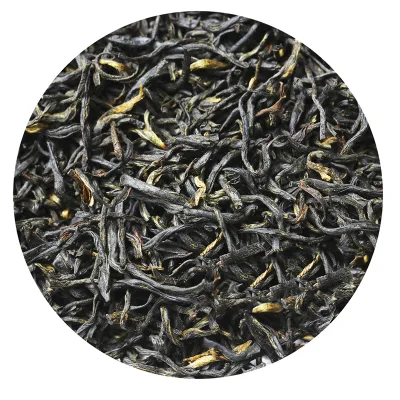
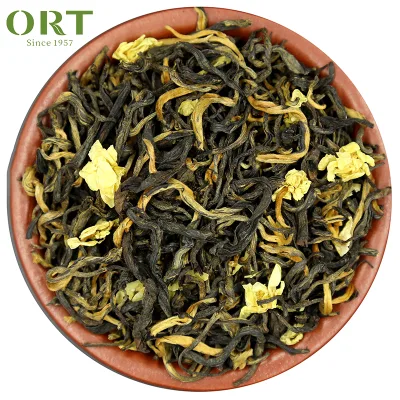
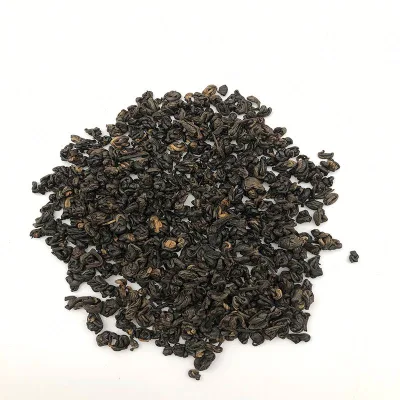
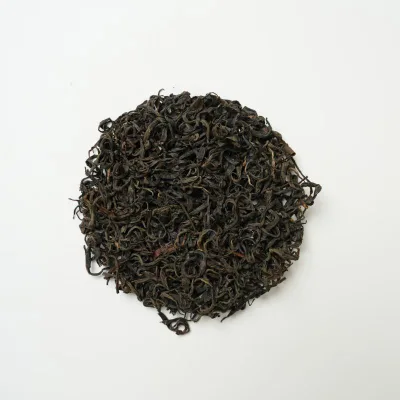
Organic Jinxuan Black Tea Leaf Rich Flavor Healthy Beverage Choice Perfect for Gourmet Tea Lovers
$14.9091 - $22.9272
MOQ: 5 kilograms
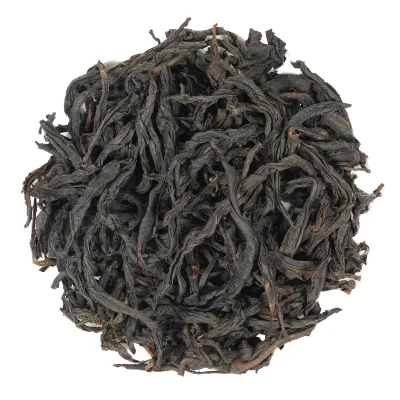
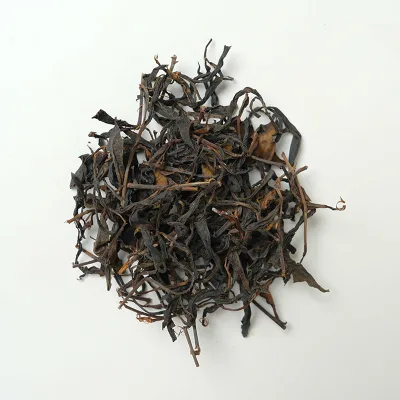
Organic Jin Xuan Black Tea with Milky Notes-High Mountain Grown,Rich Milky Flavor.Wholesale Supply
$17.3809 - $24.8294
MOQ: 5 kilograms
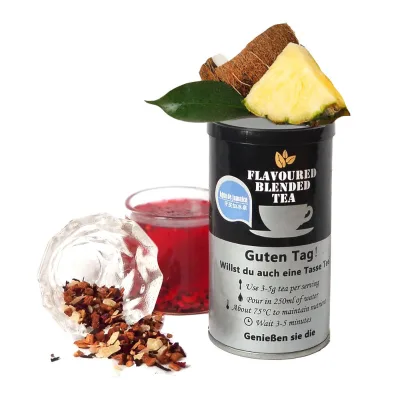
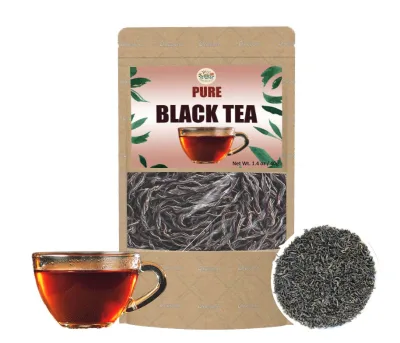
OEM Loose Cheap Bulk Red Dark Keemum Tea Premium Handmade Black Tea
$1.8483 - $2.5678
MOQ: 20 kilograms


Comprehensive Sourcing Guide
Organic Loose Keemun Black Tea Sourcing Guide
Sourcing Organic Loose Keemun Black Tea requires a nuanced understanding of regional origins and processing standards, as the supplied data indicates multiple production hubs including Hunan, Anhui, and Yunnan in China. Buyers must distinguish between standard black tea varieties and those specifically certified as organic, noting that some listings explicitly state "Organic" certification while others do not. The observed product attributes reveal a diversity in age, with some teas aged between one to two years, which can significantly influence the flavor profile and market value. Procurement teams should verify the specific place of origin for each batch, as Keemun is traditionally associated with Anhui, yet other regions may produce similar profiles under different branding.
The commercial landscape for these products shows a wide price range from 0.7 to 150.34 USD, reflecting variations in grade, packaging, and certification status. Minimum order quantities (MOQ) vary substantially, ranging from single items to ten thousand units, allowing for both trial orders and large-scale industrial procurement. It is critical to align the requested customization options, such as ODM availability, with the supplier’s actual capabilities, as not all manufacturers offer bespoke packaging or blending services. Buyers should also consider the physical specifications, such as single package sizes and gross weights, to calculate accurate landed costs and storage requirements for their distribution channels.
Product Scope and Observed Listing Signals
The product scope encompasses a variety of black tea formats, including loose leaf, bagged tea, and specialized health or slimming blends, though the core focus remains on organic loose Keemun varieties. Observed listings highlight specific model numbers like ORT91 and ORT22, which may correspond to different grades or processing methods, requiring buyers to map these identifiers to their internal quality standards. The presence of "Top Grade" and "Premium" labels suggests a tiered quality structure, but these terms are observational and must be validated through sample testing rather than accepted at face value. Additionally, the inclusion of specialty teas like Organic Jasmine Black Tea indicates that suppliers often diversify their portfolios, which can be advantageous for buyers seeking a consolidated supplier for multiple tea types.
Packaging options are diverse, ranging from simple bags and boxes to bulk, cans, and gift packing, which impacts both product preservation and retail appeal. The observed storage types, including normal temperature and seal-up requirements, provide essential guidance for logistics planning, ensuring that the tea maintains its freshness and organic integrity during transit. Buyers should note that some products are labeled as "New" age, while others are aged, which affects the recommended shelf life of up to 24 months. Understanding these packaging and storage nuances is vital for maintaining product quality, especially when dealing with organic certifications that may have stricter handling requirements than conventional teas.
Technical Specifications to Verify
Technical verification begins with confirming the processing technology, as fermentation is a key step in black tea production, and handmade processes may offer distinct sensory characteristics compared to industrial methods. Buyers must verify the specific model numbers and specifications, such as the single package size of 30x30x20 cm or 20x30x20 cm, to ensure compatibility with their packaging lines and storage facilities. The weight specifications, ranging from 1 kg to 2 kg per unit, should be cross-referenced with the selling units to avoid discrepancies in inventory management and cost calculations. Additionally, the instruction for use as "Edible" and suitable for daily drinking confirms the product’s intended consumer application, but buyers should still verify any specific brewing recommendations provided by the supplier.
The grade of the tea, whether labeled as Top Grade or Premium, should be assessed against objective metrics such as leaf size, color, and aroma intensity, as these are not standardized across all suppliers. The observed color attribute of "Nature" suggests a natural processing method, which aligns with organic principles, but buyers should request detailed descriptions of the leaf appearance and liquor clarity. Furthermore, the content specification of "100% pure black tea" must be validated to ensure no adulterants or flavorings are present, especially for products marketed as organic. Verifying these technical details through sample analysis is essential to ensure the product meets the buyer’s quality expectations and regulatory requirements.
Compliance and Safety Documentation
Compliance verification is critical for organic products, as the observed certifications include a wide array of standards such as BRC, Organic, GAP, EEC, GMP, HACCP, IFS, IMO, ISO, QS, KOSHER, NOP, NSF, and OCIA. Buyers must confirm which specific certifications apply to the product in question, as some listings may claim multiple certifications without providing valid documentation for each. The presence of "Nop" certification in some entries indicates a potential lack of recognized organic status, which could be a significant risk for buyers targeting organic markets. It is essential to request valid certificates from accredited bodies and verify their authenticity through the respective certification databases before finalizing any procurement agreements.
Safety documentation should also include test results for contaminants, pesticides, and heavy metals, which are particularly important for organic teas that must adhere to strict residue limits. Buyers should verify that the supplier has implemented robust quality control measures, such as HACCP or ISO standards, to ensure consistent product safety. The observed storage type of "Cool Dry Place" or "Seal up" suggests that the supplier is aware of basic preservation needs, but buyers should still assess the supplier’s overall quality management system. Ensuring that all compliance documents are up-to-date and relevant to the destination market is crucial to avoid customs delays or product recalls.
Cost Drivers and Commercial Terms
Cost drivers for Organic Loose Keemun Black Tea include the grade of the tea, the complexity of the packaging, and the level of certification required. The observed price range of 0.7 to 150.34 USD reflects these variables, with higher prices typically associated with premium grades, intricate packaging, and comprehensive certification suites. Buyers should analyze the cost structure to understand the value proposition of each option, considering factors such as the age of the tea and the processing method. Additionally, the MOQ range of 1 to 10,000 units allows for flexible ordering, but buyers should negotiate terms that align with their inventory turnover rates and cash flow constraints.
Commercial terms should also consider the lead times and shipping methods, which can impact the total landed cost. The observed single gross weights of 2.0 kg to 2.2 kg per package provide a basis for calculating freight costs, but buyers should verify these figures with the supplier to ensure accuracy. Customization options, such as ODM services, may incur additional costs, so buyers should clarify these charges upfront. It is also important to review payment terms and warranty policies to mitigate financial risks, ensuring that the supplier is committed to delivering products that meet the agreed-upon specifications and quality standards.
Supplier Qualification and Quality Control
Supplier qualification involves assessing the manufacturer’s production capabilities, quality control systems, and track record in the organic tea market. Buyers should verify the supplier’s address and place of origin, as the observed data lists locations in Hunan, Anhui, and Fujian, which may have different regulatory environments and quality standards. It is essential to conduct on-site audits or request third-party audit reports to evaluate the supplier’s adherence to GMP, HACCP, and other relevant standards. The presence of ODM availability suggests that the supplier has flexible production lines, but buyers should confirm their ability to maintain consistency across large orders.
Quality control measures should include regular sampling and testing protocols to ensure that the tea meets the specified grade and certification requirements. Buyers should request detailed quality control plans from the supplier, including procedures for handling raw materials, processing, and final product inspection. The observed shelf life of 24 months indicates that the supplier has effective preservation methods, but buyers should still verify the stability of the product over time. Establishing a clear communication channel for quality issues and implementing a robust feedback loop can help maintain high standards and address any discrepancies promptly.
Long-Term Procurement Checks
Long-term procurement checks involve continuous monitoring of supplier performance, market trends, and regulatory changes to ensure sustained compliance and quality. Buyers should establish key performance indicators (KPIs) for delivery times, product quality, and customer satisfaction, reviewing these metrics regularly to identify areas for improvement. The dynamic nature of the organic tea market requires buyers to stay informed about new certifications, standards, and consumer preferences, adapting their sourcing strategies accordingly. Regular supplier reviews and re-qualification processes can help maintain a reliable supply chain and mitigate risks associated with supplier instability or quality degradation.
Additionally, buyers should consider building strategic partnerships with suppliers who demonstrate a commitment to sustainability and ethical sourcing practices. The observed diversity in product attributes, such as age and processing methods, offers opportunities for innovation and product differentiation, but buyers must ensure that these innovations align with their brand values and market positioning. Continuous engagement with suppliers, including joint quality improvement initiatives and shared market insights, can foster a collaborative relationship that benefits both parties. By maintaining a proactive approach to procurement, buyers can secure a steady supply of high-quality Organic Loose Keemun Black Tea that meets their evolving business needs.
FAQs
What certifications are available for Organic Loose Keemun Black Tea?
Certifications such as Organic, BRC, GAP, EEC, GMP, HACCP, IFS, IMO, ISO, QS, KOSHER, NOP, NSF, and OCIA are available for this product. These credentials ensure compliance with international food safety and organic standards, providing buyers with verified quality assurance for their sourcing needs.
Where is the origin of this Organic Loose Keemun Black Tea?
The product originates from multiple regions in China, including Hunan, Anhui, and Yunnan. These locations are renowned for producing high-quality black teas, ensuring that the final product meets the specific regional characteristics expected by buyers seeking authentic Chinese tea varieties for their supply chains.
Can I customize the packaging for bulk orders of this tea?
Yes, customization is available for this product. Buyers can choose from various packaging options including bags, boxes, bulk, cans, bottles, gift packing, and vacuum packs. This flexibility allows businesses to tailor the presentation to their specific brand requirements or retail needs while maintaining product integrity during transit.
What is the shelf life and storage requirement for this tea?
The shelf life is 24 months when stored correctly. It should be kept in a cool, dry place at normal temperature with the packaging sealed up. Proper storage ensures the tea retains its flavor and quality throughout its designated period, minimizing waste and ensuring freshness for end consumers.
What is the minimum order quantity for this organic black tea?
The minimum order quantity ranges from 1 to 10,000 units depending on the specific supplier and packaging configuration. This wide range accommodates both small trial orders and large-scale industrial purchases, allowing buyers of various sizes to source the product efficiently without being constrained by rigid volume requirements.
Is this tea suitable for health-conscious consumers seeking slimming benefits?
Yes, the product is categorized as a health tea, organic tea, and slimming tea. It is made from 100% pure black tea and is intended for daily drinking. These attributes make it an ideal choice for buyers targeting health-focused markets looking for functional beverages that support wellness goals.