Source Dried Fruit Jasmine Black Tea for Wellness, Retail, and Gifting
Compare 17 listings for Dried Fruit Jasmine Black Tea sourced from China. Options include loose leaf blends with health care functions, various packaging types, and MOQs starting from 5 units or 5kg for bulk procurement; compare the available evidence and request quotations based on your requirements.
Updated
Key considerations
Products List
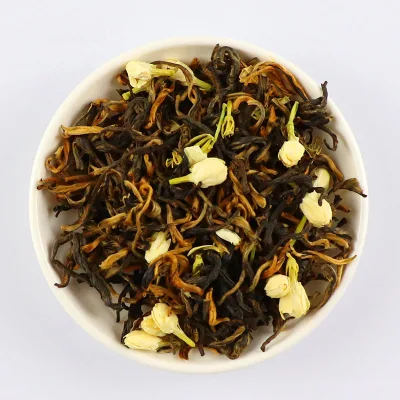
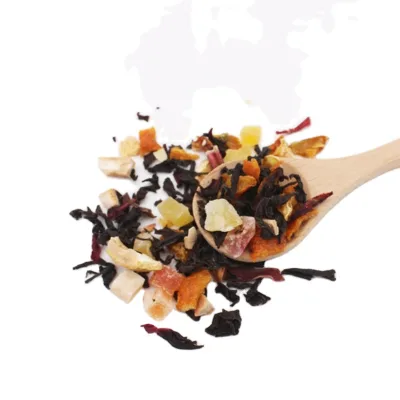
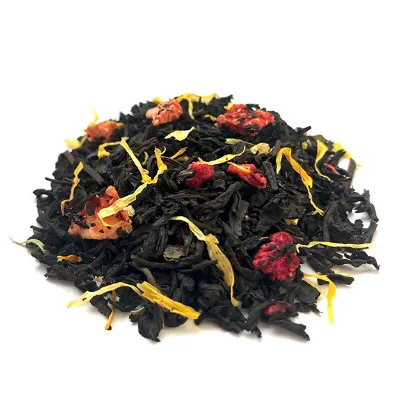
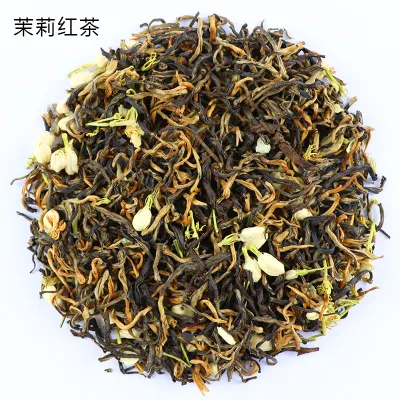
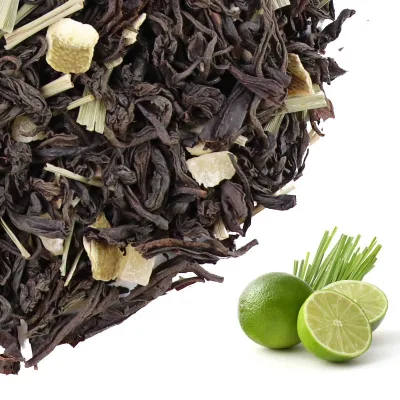


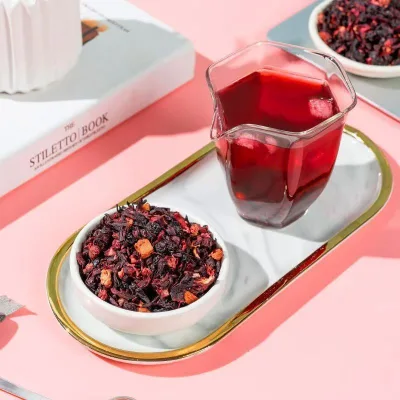
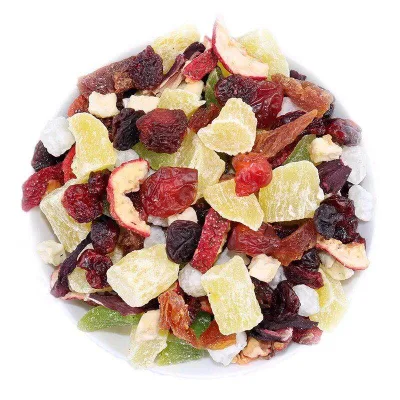
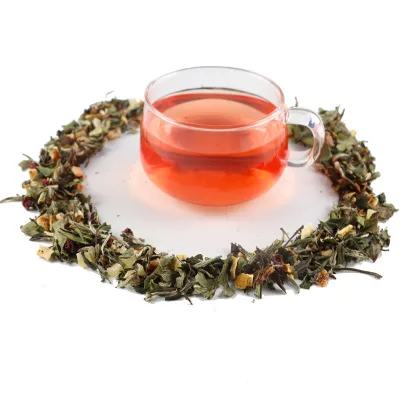


Comprehensive Sourcing Guide
Dried Fruit Jasmine Black Tea Sourcing Guide
Procuring Dried Fruit Jasmine Black Tea requires a nuanced understanding of blended tea dynamics, where the aromatic profile of jasmine interacts with the robustness of black tea and the natural sweetness of dried fruits. Buyers must recognize that this product category sits at the intersection of health-focused beverages and premium flavor infusions, demanding strict oversight of ingredient sourcing and processing integrity. The primary objective is to secure a consistent supply that maintains the delicate floral notes without being overwhelmed by artificial additives or inconsistent fruit quality.
Sourcing decisions should be driven by clear definitions of the desired taste profile, such as mellow sweet or mellow, and the specific form of the product, whether loose leaf or pre-packaged. It is critical to evaluate how the drying process affects the fruit’s texture and the tea’s oxidation level, as these factors directly influence the final brew’s clarity and flavor longevity. Establishing precise specifications early in the negotiation phase helps prevent discrepancies between sample approval and bulk production, ensuring that the final product meets the intended market expectations for both aroma and taste.
Product Scope and Observed Listing Signals
The market for Dried Fruit Jasmine Black Tea presents a diverse range of product variations, with observed price points ranging from $0.32 to $54.38 USD, reflecting significant differences in ingredient quality, packaging complexity, and brand positioning. Minimum order quantities (MOQs) typically span from 1 to 100 units, offering flexibility for both small-scale retailers and large distributors, though some suppliers may require bulk purchases starting at 5kg or specific multiples. Buyers should carefully analyze these signals to determine which tier aligns with their inventory turnover rates and capital allocation strategies, avoiding overstocking of slow-moving SKUs.
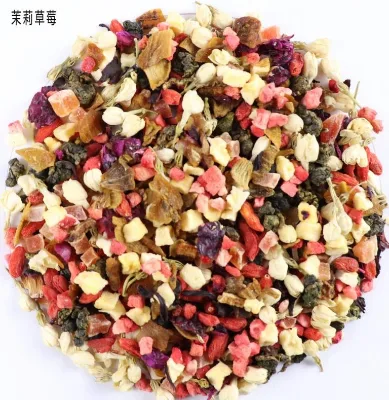
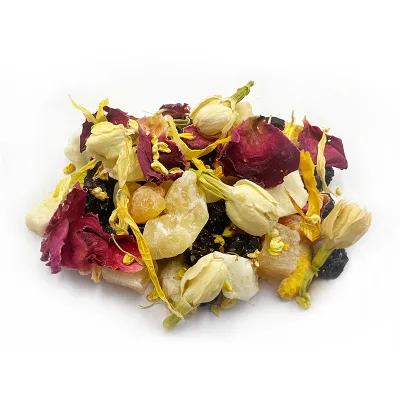
Product attributes frequently highlight specialty classifications such as health tea, slimming tea, or flavored tea, indicating targeted marketing angles that can influence consumer purchasing decisions. The content is consistently described as dried fruit and black tea blends, with item forms varying from loose leaf to boxed or canned options. Observations of packaging types, including bulk, box, and customized packing, suggest that suppliers are equipped to handle various distribution needs, from wholesale pallets to retail-ready consumer units, allowing buyers to tailor their procurement strategy to their specific sales channels.
Technical Specifications to Verify
Technical verification must begin with the physical characteristics of the tea blend, including the grade of materials, which are often described as good or high grade, and the specific model numbers associated with different product lines. Buyers should confirm the processing type, whether the tea is blended, raw, or re-processed, as this impacts the shelf life and flavor stability of the final product. Additionally, the storage requirements, typically specified as cool dry places or room temperature, must be strictly adhered to during transit and warehousing to preserve the integrity of the jasmine aroma and the texture of the dried fruits.
Packaging specifications are equally critical, with observed data indicating package sizes such as 40x40x30 cm or 30x30x35 cm per batch, and gross weights ranging from 8.0 kg to 5.0 kg per unit. The shelf life is generally noted as 18 months, providing a window for distribution, but buyers must verify the production date upon receipt to ensure maximum freshness. Specifications like the 1 KG weight and single item selling units suggest standardized packaging options, yet customization is often available, requiring clear communication of dimensional and weight constraints to avoid logistical complications during shipping.
Compliance and Safety Documentation
Compliance with food safety standards is non-negotiable for Dried Fruit Jasmine Black Tea, particularly given the inclusion of perishable fruit components that can be susceptible to microbial contamination if not processed correctly. Buyers must request certificates of analysis (COA) that verify the absence of harmful pathogens, heavy metals, and pesticide residues in both the tea leaves and the dried fruits. It is essential to ensure that the supplier adheres to relevant international food safety management systems, such as HACCP or ISO 22000, which provide a framework for identifying and controlling food safety hazards throughout the production process.
Labeling compliance is another critical area, requiring accurate declaration of ingredients, allergens, and nutritional information in accordance with the regulations of the destination market. The product’s specialty claims, such as health benefits or slimming properties, must be substantiated and compliant with local advertising standards to avoid legal repercussions. Buyers should also verify that the packaging materials used, whether bags, boxes, or tins, are food-grade and suitable for long-term storage, ensuring that no harmful substances migrate into the tea during its shelf life.
Cost Drivers and Commercial Terms
Cost structures for Dried Fruit Jasmine Black Tea are influenced by several key factors, including the quality of the jasmine flowers, the type of black tea base, and the variety and proportion of dried fruits used. Premium ingredients, such as high-grade jasmine buds or exotic fruits, will naturally command higher prices, while bulk purchasing can offer economies of scale, especially when MOQs are met. Buyers should negotiate pricing based on volume commitments and long-term partnership potential, seeking clarity on whether prices include packaging, labeling, and any necessary certifications.
Commercial terms, including payment methods, lead times, and shipping responsibilities, must be clearly defined in the contract to mitigate financial and operational risks. Observed MOQs of 5kg or specific multiples suggest that suppliers may have minimum production runs, which can impact cash flow for smaller buyers. It is advisable to discuss incoterms carefully, determining who bears the risk and cost during transit, and to establish clear protocols for handling defects or discrepancies, ensuring that both parties have a shared understanding of their obligations and remedies.
Supplier Qualification and Quality Control
Supplier qualification involves a thorough assessment of the manufacturer’s capabilities, including their production facilities, quality control processes, and ability to maintain consistency across batches. Buyers should conduct on-site audits or request virtual tours to verify that the supplier follows good manufacturing practices (GMP) and has robust systems for monitoring the blending and packaging stages. It is crucial to evaluate the supplier’s experience with jasmine black tea blends, as this specific product requires precise control over aroma retention and fruit distribution to meet quality standards.
Quality control measures should include regular sampling and testing throughout the production process, with final inspections conducted before shipment. Buyers should establish clear acceptance criteria for parameters such as moisture content, particle size, and sensory attributes like taste and aroma. Implementing a pre-shipment inspection protocol can help identify potential issues early, allowing for corrective actions before the goods are dispatched. Building a strong relationship with the supplier through regular communication and feedback loops can further enhance quality consistency and foster continuous improvement in the product offering.
Long-Term Procurement Checks
Long-term procurement success depends on continuous monitoring of supplier performance and market trends to ensure that the Dried Fruit Jasmine Black Tea remains competitive and compliant. Buyers should regularly review supplier metrics, such as on-time delivery rates, defect rates, and responsiveness to issues, to identify areas for improvement or potential risks. It is also important to stay informed about changes in food safety regulations, consumer preferences, and ingredient availability, which can impact the sourcing strategy and product formulation over time.
Developing a diversified supplier base can mitigate risks associated with single-source dependencies, providing flexibility in case of supply chain disruptions or quality issues. Buyers should periodically re-evaluate their supplier portfolio, considering factors such as cost competitiveness, innovation capabilities, and sustainability practices. Establishing a structured review process for supplier performance, including annual audits and performance reviews, can help maintain high standards and ensure that the procurement strategy aligns with the company’s long-term business goals and customer expectations.
FAQs
What is the shelf life of Dried Fruit Jasmine Black Tea?
The shelf life is 18 months when stored correctly. You must keep the product in a cool dry place or at room temperature to maintain quality. This ensures the dried fruit and black tea blend remains fresh for the full duration specified by the manufacturer.
How is the tea processed and what is its form?
The tea is available as loose leaf and undergoes blending, raw, and re-processing. It is classified as a flavored tea with a mellow sweet taste. The ingredients include dried fruit and black tea, processed to create a high-grade fruit blend suitable for brewing.
What are the packaging options for bulk orders?
Packaging options include boxes, bulk packages, and tinned cans. Some suppliers offer customized packing to meet specific buyer requirements. The single package size varies, with some batches measuring 30x30x35 cm or 40x40x30 cm depending on the order volume.
Can I order samples with a minimum quantity of 5kg?
Yes, the minimum order quantity is 5kg for many listings. Some sellers allow multiple of 5 items or single items depending on the specific product model. You can find suppliers in Guangdong, China, who offer OEM services for these flavored tea blends.
Which specifications are available for the jasmine black tea?
Specifications include a 1 KG unit size and model numbers like FHF-04 or XL-BCFT. The product is a fruit blend with a red color and mellow taste. Gross weight per batch is typically 8 kg, and the grade is rated as good or high grade.
What is the origin and storage requirement for this tea?
The place of origin is China, specifically Guangdong. Storage requires a cool dry place or cool temperature to preserve the dried fruit and black tea. The product is edible and intended for brewing, with a shelf life of 18 months under proper conditions.