Mulberry Red Jujube Health Tea Suppliers and Manufacturers
Source Mulberry Red Jujube Health Tea from 23 verified suppliers. Compare locations like Zhejiang and Anhui, lead times, MOQs, and prices. Verify response times and certifications to find the right partner; review the available evidence before requesting comparable quotations from suitable candidates.
Updated
Suppliers List
Hangzhou Zhizhen Trade Company Limited
- Trading Company
- Zhejiang, China
- Lead time7 days
- Avg. response≤ 1h
Main productsDaily Mental Clarity 99.9% Pure Clean Formula Sugar Free Vegan Clean Ingredients Tiny Gummies,Health Supplements,Health Supplements,Women's Health Tea,Detox Tea
Main marketsNorth America(50.00%), Southeast Asia(20.00%), South America(10.00%), Northern Europe(10.00%), Eastern Europe(5.00%), Western Europe(5.00%)

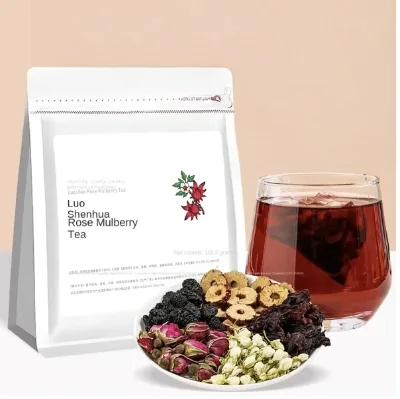
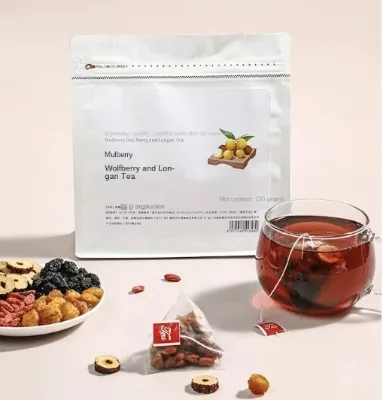
$2.7368 - $2.8402
MOQ: 50 pieces
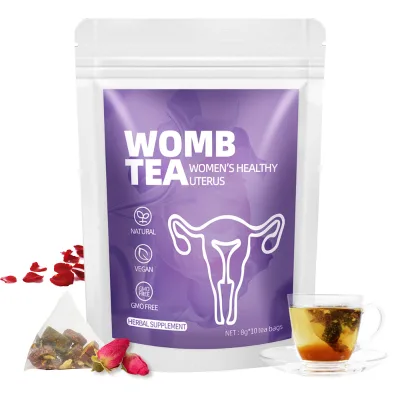
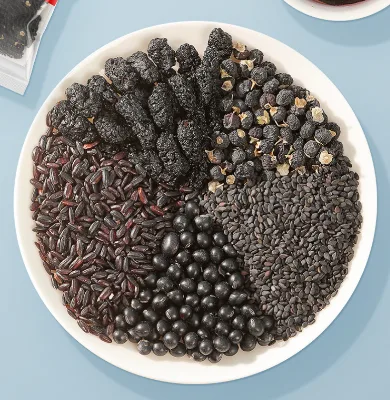
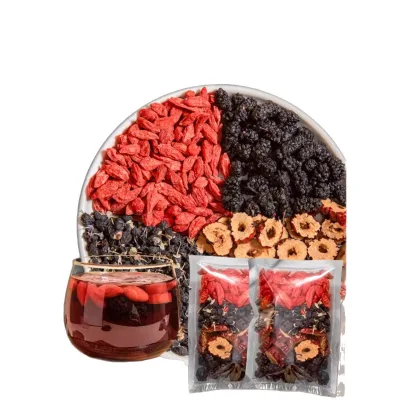
150g Mulberry Five Black Tea Raw Dried Mulberry and Medlar Health Tea Bubble Tea
$2.45 - $2.66
MOQ: 50 pieces

Anhui Yaozhiyuan Chinese Herbal Medicine Co., Ltd.
- Combined
- China Anhui
- Lead time15 days
- Avg. response≤ 21h
Main productsChinese Medicine, Herbal Tea
Main marketsAfrica,Southeast Asia/ Mideast,Europe,North America

Anhui Chenlixin Health Industry Development Co., Ltd
- Verified by BV
- Combined
- China Anhui
- Lead time15 days
- Avg. response≤ 14h
Main productsHerbal Medicine, Herbal Tea, Traditional Chinese Medicine, Flower and Fruit Tea, Herbal Power, Herbal Ex
Main marketsDomestic


Rose Brown Sugar Longan Red Jujube Fruit Tea for Summer Enjoying and Wellness
$0.99 - $1.19
MOQ: 1 Bags


Traditional Chinese Herbs Mulberry Fruit Premium Herbal Tea for Nourishing Blood
$2.00 - $8.00
MOQ: 1 kg

Anhui Yaozhiyuan Chinese Herbal Medicine Co., Ltd.
- Manufacturer, Trading Company
- Anhui, China
- Lead time0 days
- Avg. response≤ 8h
Main productsChinese herb,Herbal tea,Plants extract,Spice,Herbal powder
Main marketsSoutheast Asia(25.00%), North America(25.00%), Eastern Asia(15.00%), South America(10.00%), Mid East(6.00%), Africa(6.00%), Western Europe(5.00%), Eastern Europe(4.00%)
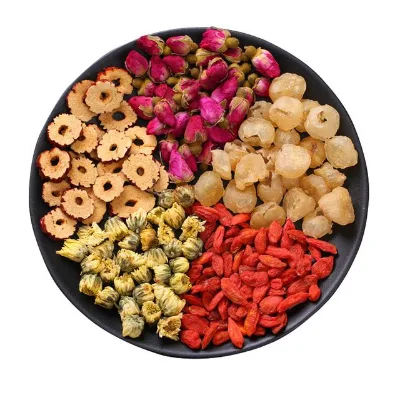
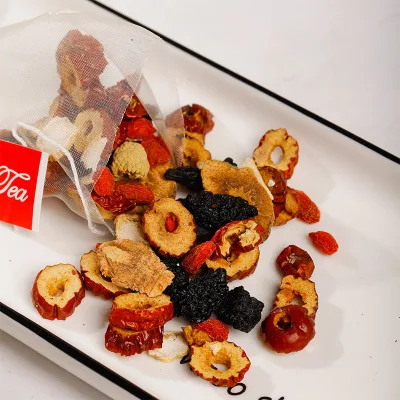
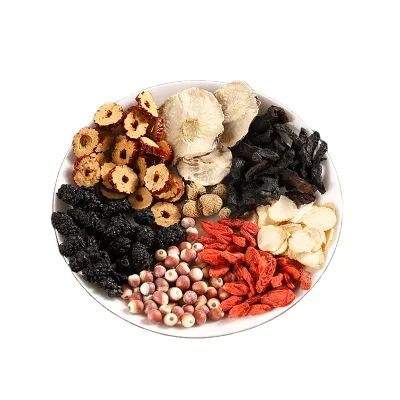
Wholesale Ginseng Five Treasure Tea Chinese Wolfberry and Jujube Health Tea for Men Fertility Tea
$0.9857 - $1.2973
MOQ: 1 Minimum
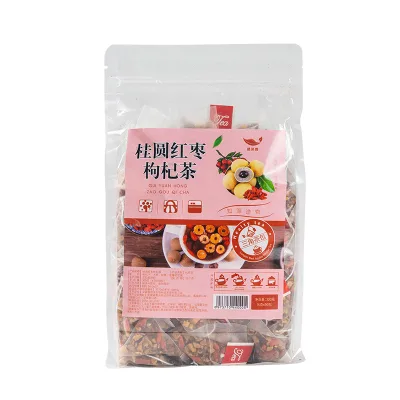
$1.5564 - $1.8665
MOQ: 1 Minimum
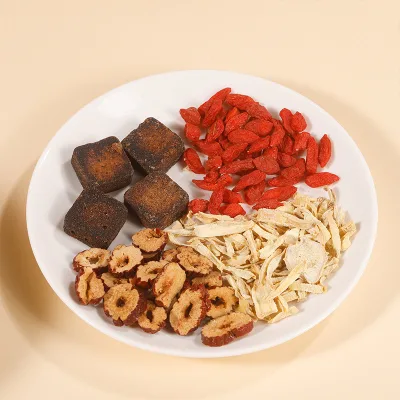

Xinshao Nanmo Biotechnology Co., Ltd.
- Verified by SGS
- Manufacturer/Factory
- China Hunan
- Lead time15 days
- Avg. response≤ 12h
Main productsPlant Extract, Dried Herbs, Herbal Tea, Spices, Fruit and Vegetable Powder, Herbal Extract, Sugar Substitute, Health Care Products
Main marketsSouth America,Eastern Europe,Mid East,North America,Southeast Asia,Eastern Asia,Oceania,Western Europe,Africa

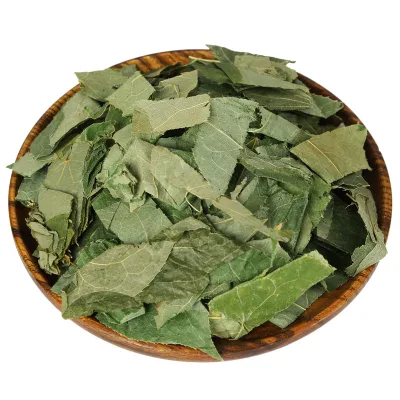
Natural Herb Tea Dnj Rich Dried Mulberry Leaf Tea Botanical Herbal Infusion Tea
$4.20 - $4.50
MOQ: 100 kg


Wholesale Traditional Chinese Medicine Herbs Dried Mulberry Leaves Granules Tea
$3.90 - $4.30
MOQ: 100 kg
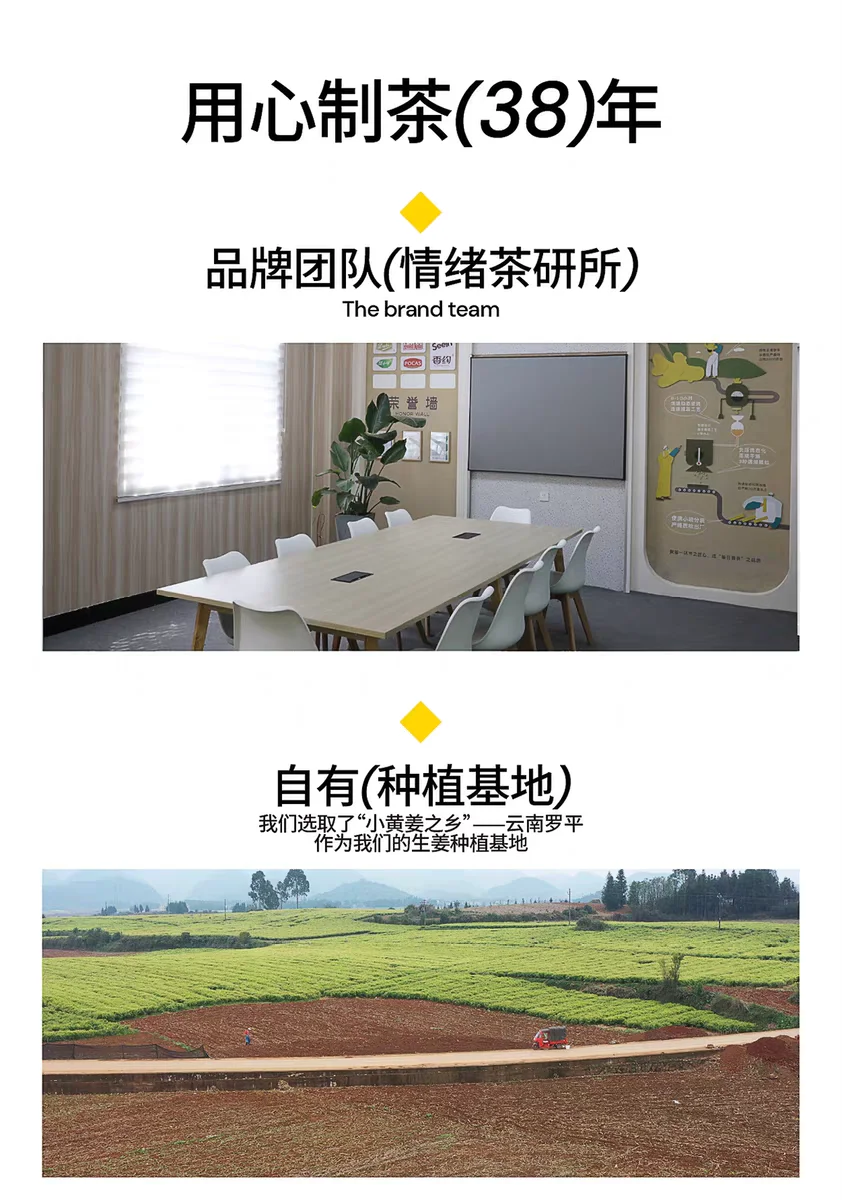
Haining Jiabo Import& Export Co., Ltd.
- Trading Company
- Zhejiang, China
- Lead time40 days
- Avg. response≤ 5h
Main productsInstant Tea,Ginger Tea,Ginger Candy,Ginger Cube,Dried Ginger
Main marketsDomestic Market(50.00%), Western Europe(20.00%), Northern Europe(17.00%), Africa(7.00%), Mid East(6.00%)
Anhui Alltofit Impex Co., Ltd.
- Verified by TüVRheinland
- Trading Company
- Lead time15 days
- Avg. response≤ 4h
Main productsFruit Tea, Flower Tea, Herbal Tea, Loose Tea, Teabag
Main marketsNorth America(40%), Southeast Asia(10%), Oceania(10%)
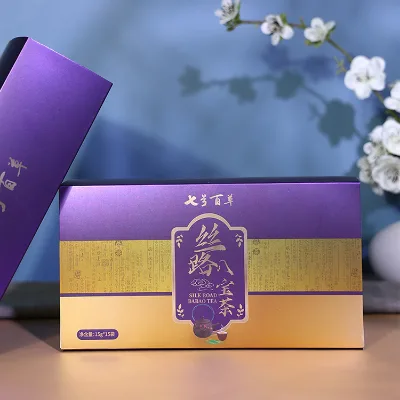
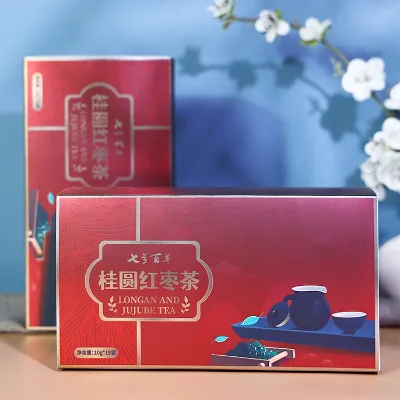
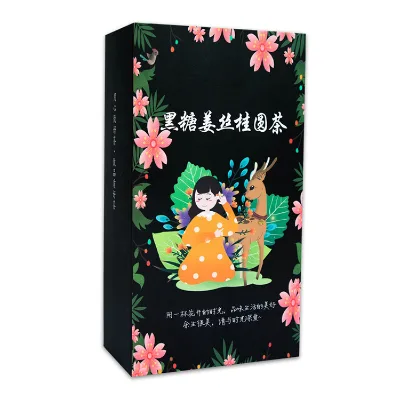
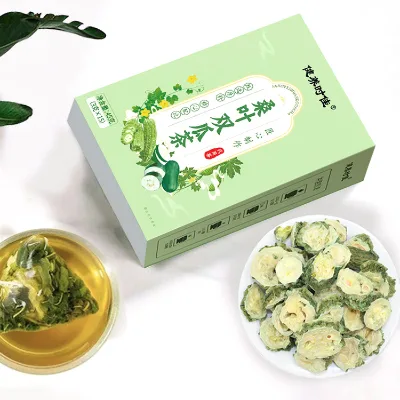
Natural Healthy Nourishing Tea Female Fertility Warm Womb Tea Longan Jujube Tea
$2.85 - $3.46
MOQ: 100

Kunming Funyoung Trade Co., Ltd.
- Trading Company
- Yunnan, China
- Lead time15 days
- Avg. response≤ 5h
Main productsBeauty products,Health care products,OEM,ODM,OBM
Main marketsEastern Europe(15.00%), Oceania(10.00%), Northern Europe(10.00%), Western Europe(10.00%), North America(10.00%), South America(10.00%), Southern Europe(8.00%), South Asia(7.00%), Eastern Asia(5.00%), Mid East(5.00%), Africa(5.00%), Southeast Asia(5.00%)
- Trading Company
- Hunan, China
- Lead time7 days
- Avg. response≤ 4h
Main productsGreen Tea & Matcha Green Tea,Black Tea & Puer Tea,Oolong Tea,Flower & Herb Tea,Teaware & Tea Accessories
Main marketsNorth America(16.00%), Oceania(15.00%), Southern Europe(9.50%), Eastern Asia(9.20%), Northern Europe(8.70%), Africa(8.00%), Eastern Europe(8.00%), Western Europe(7.60%), Mid East(7.00%), Southeast Asia(4.00%), Domestic Market(3.00%), South America(3.00%), South Asia(1.00%)
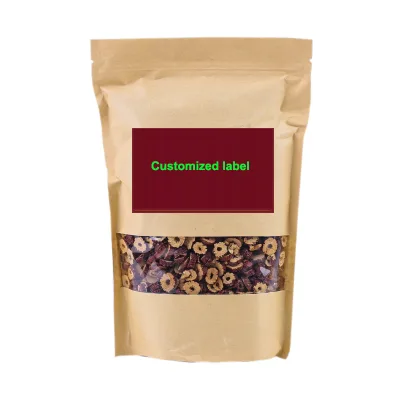
$0.8209 - $1.0261
MOQ: 10 bags
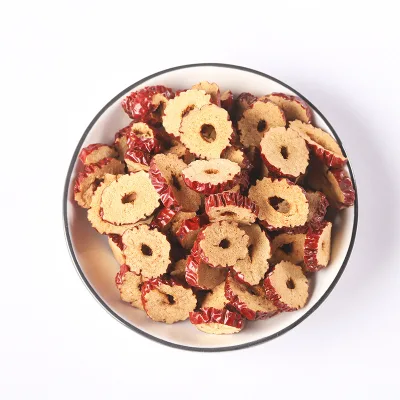
$4.1045 - $8.7214
MOQ: 1 Minimum

Fujian Longyan Tianma Tea Co., Ltd.
- Manufacturer, Trading Company
- Fujian, China
- Lead time45 days
- Avg. response≤ 2h
Main productsslimmingTea,Detox tea,matcha powder,herbal Tea,Teabag
Main marketsDomestic Market(40.00%), North America(10.00%), Northern Europe(10.00%), Western Europe(10.00%), Mid East(10.00%), Southeast Asia(10.00%), Eastern Europe(10.00%)
- Verified by TüVRheinland
- Trading Company
- Lead time0 days
- Avg. response≤ 2h
Main productsCandy, Herbs Products
Main marketsDomestic Market(35%), Mid East(30%), Southeast Asia(20%)

Bozhou Swanf Commercial And Trade Co., Ltd.
- Trading Company
- Anhui, China
- Lead time7 days
- Avg. response≤ 4h
Main productsherb medicine,flower tea,dried Mushrooms,chinese herbs,Green tea
Main marketsNorth America(24.00%), Western Europe(19.00%), Oceania(14.00%), Eastern Asia(13.00%), Northern Europe(9.00%), South Asia(9.00%), Southeast Asia(5.00%), Eastern Europe(2.00%), Africa(2.00%), Central America(1.00%), Mid East(1.00%), Southern Europe(1.00%)
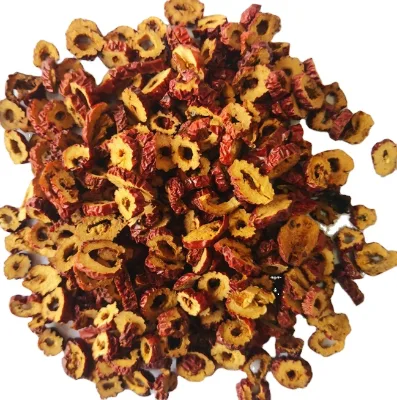
High Grade Red Dried Jujube Fruit Meat Flesh Tea Red Fruits Flavor Tea for Sale
$4.00 - $12.00
MOQ: 1 kilograms
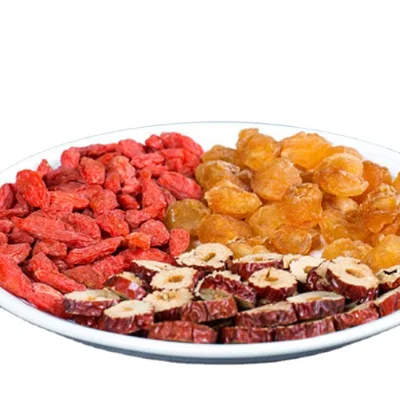
Raw Dried Bulk Supply Blended Fruits Tea Slices Red Jujube Goji Longan Tea
$5.80 - $11.00
MOQ: 5 boxes

Anhui Highkey Import&Export Co., Ltd.
- Verified by TUVRHEINLAND
- Trading Company
- China Anhui
- Lead time15 days
- Avg. response≤ 6h
Main productsHerbal Medicine, Herbal Tea, Herbal Seed, Empty Tea Bag, Rhodiola Rosea, Panax Ginseng, Loofah Sponge, Healthcare Product, Planting Seed, Traditional Chinese Herbs
Main marketsSouth America,Africa,Southeast Asia/ Mideast,East Asia(Japan/ South Korea),Europe,Australia,North America


High Quality Five Black Herb Tea with Ginseng Polygonatum Mulberry & Goji Berry
$2.99 - $3.55
MOQ: 20 Pieces


Fujian Jihe Supply Chain Co., Ltd.
- Trading Company
- Fujian, China
- Lead time10 days
- Avg. response≤ 3h
Main productsHealthy Tea,Coffee,Noodles,BISCUIT COOKIES,Snacks
Main marketsSouth America(25.00%), North America(25.00%), Southern Europe(10.00%), Western Europe(10.00%), Eastern Asia(10.00%), Mid East(10.00%), Africa(10.00%)

Anhui Highkey Import&Export Co., Ltd.
- Trading Company
- Anhui, China
- Lead time15 days
- Avg. response≤ 2h
Main productsHerbal Tea,Flower Tea,Flavor Tea,Fruit Tea,Tea Bag
Main marketsNorth America(25.00%), Southeast Asia(20.00%), South Asia(5.00%), Southern Europe(5.00%), Northern Europe(5.00%), Central America(5.00%), Western Europe(5.00%), Eastern Asia(5.00%), Mid East(5.00%), Oceania(5.00%), Africa(5.00%), South America(5.00%), Eastern Europe(5.00%)

Gansu Cheezheng Industrial Group Co., Ltd.
- Verified by SGS
- Trading Company
- China Gansu
- Lead time15 days
- Avg. response≤ 3h
Main productsCordycpes, Dry Herbs, Health Products, Highland Barley, Natural Herbs, Rhodiola Rosea, Epimedium, Immunity Capsule, Herbal Tea
Main marketsEast Asia(Japan/ South Korea)

Mulberry & Astragalus Herbal Tea -a Nourishing Blend for Natural Vitality Health Tea
$4.50 - $7.00
MOQ: 2 bags

Five Treasures Wellness Tea - Ginseng, Maca, Goji & Mulberry for Natural Energy
$2.80 - $4.50
MOQ: 36 bag

Discount Biotechnology (Chengdu) Co., Ltd.
- Verified by SGS
- Trading Company
- China Sichuan
- Lead time23 days
- Avg. response≤ 5h
Main productsHealth Supplement, Energy Supplement, Honey Supplement, Functional Gummy, Energy Drink, Sports Supplement, Energy Pouches Customization, Diabetic Supplement, Feminine Health, OEM Oral Strips
Main marketsSouth America,Eastern Europe,Mid East,North America,Southeast Asia,Western Europe,Africa

Customized Hot Sell Longan Goji Berry Red Dates Jujube Dry Fruit Womb Detox Tea
$1.80 - $2.50
MOQ: 50 Pieces


Yunnan Natural's Agricultural Tech. Co., Ltd.
- Verified by SGS
- Trading Company
- China Yunnan
- Lead time15 days
- Avg. response≤ 7h
Main productsTea, Yunnan Tea, Black Tea, Green Tea, Puer Tea, White Tea, Tea Ware, Herbal Tea, Blooming Tea, Oolong Tea
Main marketsNorth America
Shaanxi Fuming Herbal Health Industry Co., Ltd.
- Verified by TüVRheinland
- Trading Company
- Lead time15 days
- Avg. response≤ 3h
Main productsHerbal Tea, Gummies, Drops, Capsules, Dietary Supplements
Main marketsNorth America(50%), Africa(35%), Western Europe(15%)
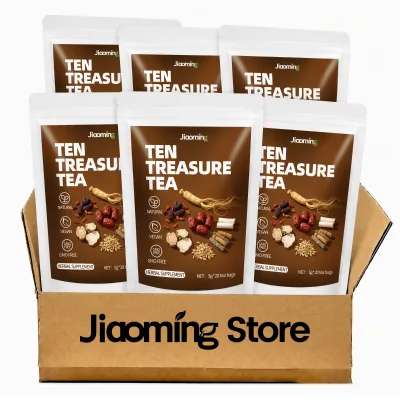
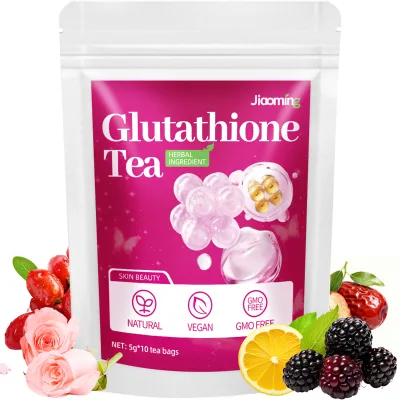
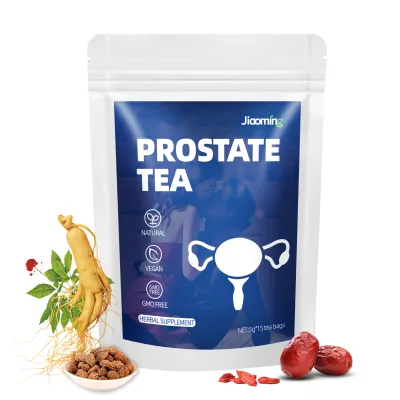
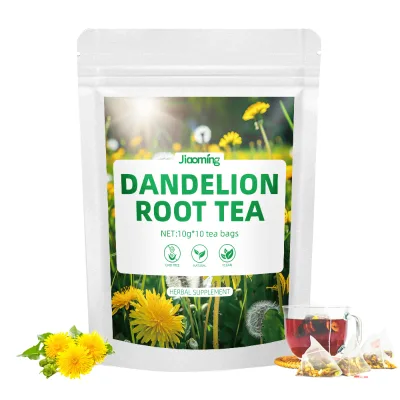
Customization Label Natural Plant Herbs Fresh Dandelion Root Wolfberry Tea Bags
$1.70 - $2.20
MOQ: 10 bags
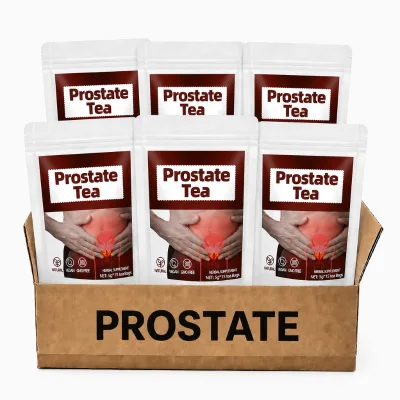

Xi'an Chinaherbs Commerce Co., Ltd
- Verified by BV
- Combined
- China Shaanxi
- Lead time15 days
- Avg. response≤ 5h
Main productsSlimming Tea, Health Tea, Matcha, Yoni Pearls, Yoni Oil, Yoni Pops, Vaginal Tightening Gel, Yoni Wash, Herbal Supplements
Main marketsAfrica,Europe,North America


Chinaherbs Glucose Support Health Tea for Blood Sugar Control and Wellness
$1.98 - $2.20
MOQ: 100 Bags

Chinaherbs 100% Herbs Sugar Balance Tea Intestinal Health for Boost Metabolism
$1.98 - $2.20
MOQ: 100 Bags
Hunan Dongquanqiwang Export And Import Co., Ltd.
- Manufacturer, Trading Company
- Hunan, China
- Lead time0 days
- Avg. response≤ 2h
Main productsBamboo Leaves,Lotus Leaves,Spices Products,Chinese Herbs,Soup Materials
Main marketsNorth America(70.00%), Southeast Asia(20.00%), Northern Europe(10.00%)

- Verified by SGS
- Trading Company
- China Anhui
- Lead time15 days
- Avg. response≤ 5h
Main productsFood Supplement, Slimming Tea, Chinese Medicine, Traditional Chinese Medicine, Plant Extract, Herbs, Health and Beauty Equipments
Main marketsSouth America,Others(foreignTradeCapacity.exportBusinessCapacityMarketOther),Southeast Asia/ Mideast,Europe,North America

Herbal Health Tea for Promoting Metabolism Relieve Fatigue Organic Green Tea
$0.80 - $1.00
MOQ: 50 Bag


Xi'an Chinaherbs Commerce Co., Ltd.
- Verified by SGS Group
- Manufacturer, Trading Company
- Lead time5 days
- Avg. response≤ 4h
Main productsWomen Health Product, Feminine Hygiene Products, Herbal Tea, Slimming Tea, Dietary Supplement
Main marketsNorth America(55%), Africa(20%), South America(6%)


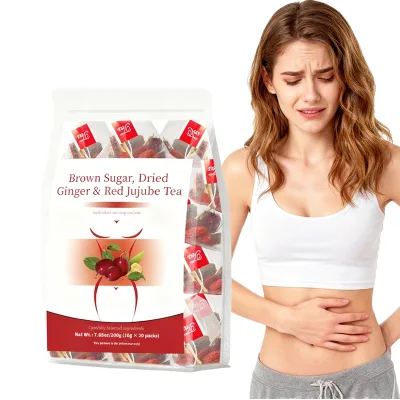
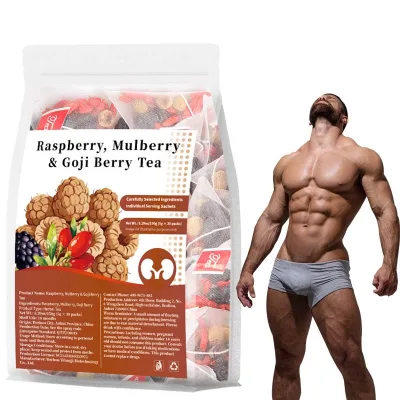
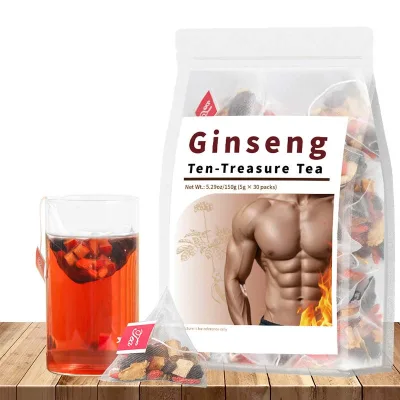
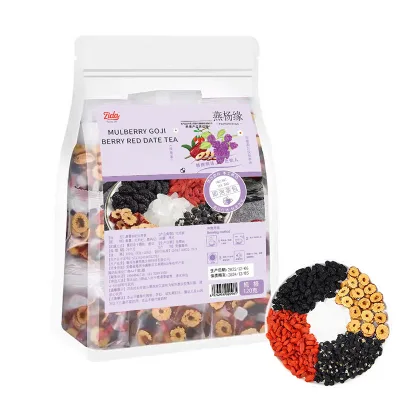
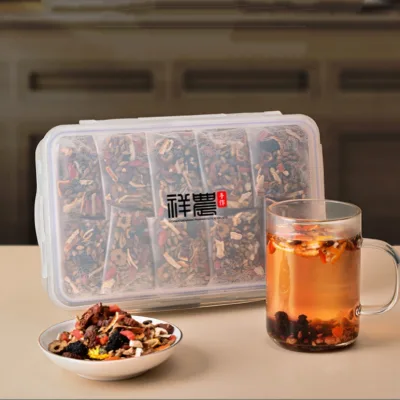
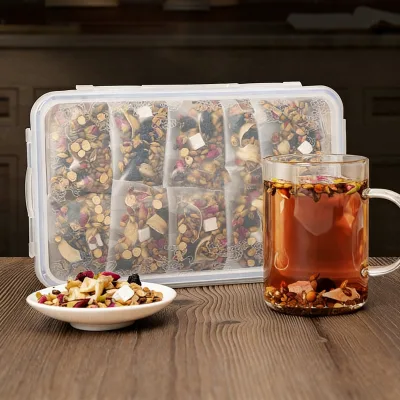
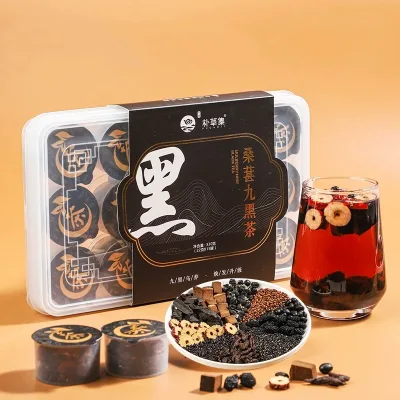
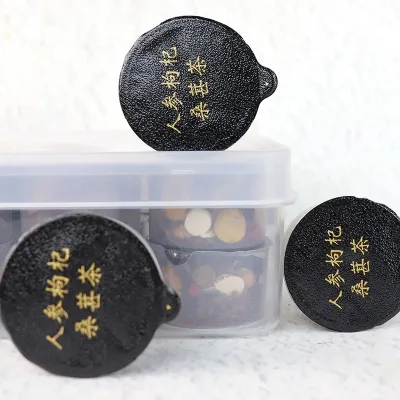


Comprehensive Sourcing Guide
Mulberry Red Jujube Health Tea Supplier Concentration and Factory Types
When searching for Mulberry Red Jujube Health Tea, buyers will notice that the supplier results do not cluster under a single declared company location. The one company-level location shown in this category is Zhejiang, while individual product listings point to other origins, including Fujian with a Fuding address and Anhui with a Bozhou address. This matters because it tells you the category is supplied by businesses spread across several herbal-tea-producing regions rather than one concentrated factory town. To identify real clusters, buyers should record the Place of Origin and Address fields from every listing they shortlist, tally them over multiple searches, and then decide whether a region deserves a dedicated sourcing trip or verification visit. Never assume a company's registered location matches the production address printed on a product listing.
Supplier types in this category also differ in ways that affect your vetting. At least one supplier is labeled a Trading Company, which means it may broker tea produced by someone else rather than blending it in-house. Product evidence shows manufacturers listed as OEM, with listings that explicitly accept OEM orders, so private-label production is common in this category. Buyers should ask each shortlisted supplier directly whether they blend and pack the tea themselves or subcontract, and request proof of the facility address. A trading company can still be a fine partner, but the diligence questions change: you verify the blender, not just the seller.
How to Verify Mulberry Red Jujube Health Tea Suppliers
Verification should start with the attributes actually displayed in supplier results, then move to documents the supplier provides on request. Useful displayed signals include company type, location, response time and main products. In this category, one supplier shows a response time of one hour and a lead time of seven days, which indicates fast operational rhythm, but you must not assume these values apply to every supplier on the page. For any supplier lacking a displayed attribute, ask for the figure in writing and treat an evasive answer as information. Check whether the main products listed genuinely include health teas and related supplements; a supplier whose catalog is dominated by unrelated goods may be reselling rather than sourcing from established herbal supply chains.
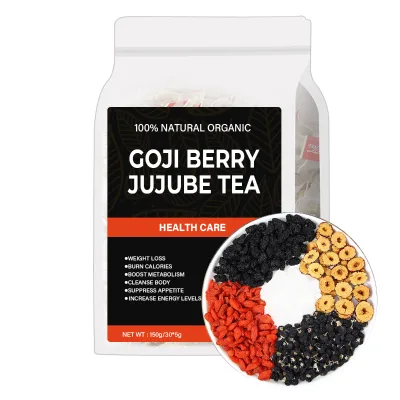
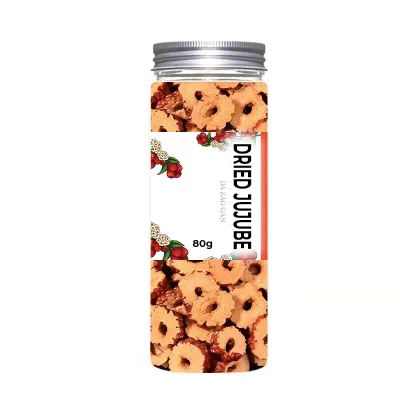
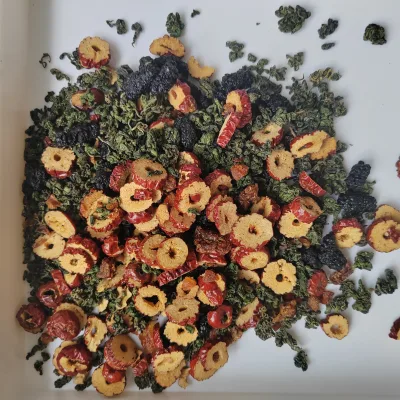
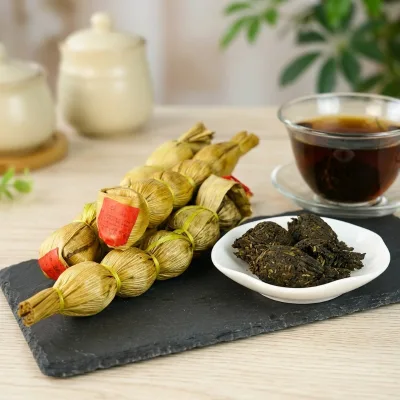
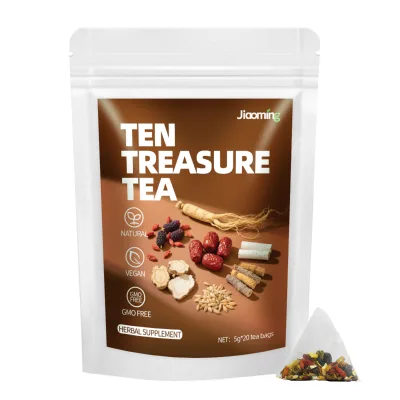
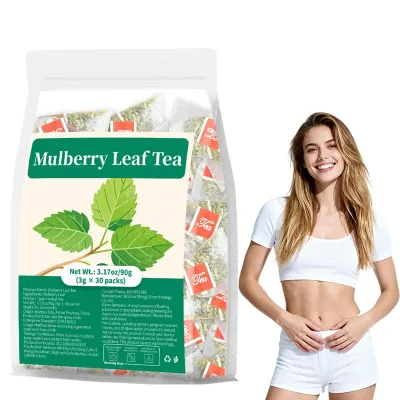
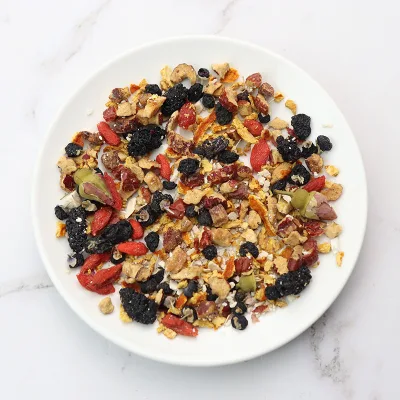
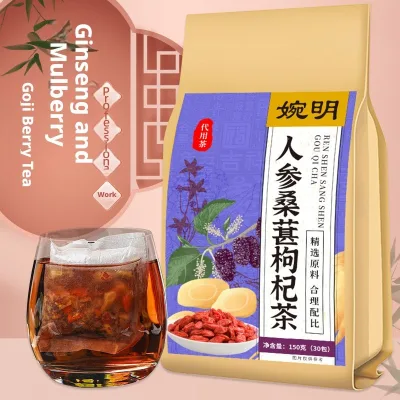
Next, verify the product itself against listing claims. Several listings in this category declare "100% natural herbs," health-tea specialty status, and specific ingredient sets such as lilies, red jujube, wolfberry, mulberry, poria, longan, rose, jasmine and ginger. Ask the supplier to confirm each ingredient in a written specification sheet with proportions, since "100% natural" on a listing is marketing copy, not a test result. Request the factory's business license, a recent third-party test report for pesticide residues and heavy metals, and photos or video of the actual blending and packing line. Finally, confirm the OEM claim: if a listing says OEM is accepted, ask which package formats, weights and private branding options they can execute, and whether packaging design support is included.
What to Compare Across Mulberry Red Jujube Health Tea Suppliers
Build a comparison sheet using the dimensions visible in supplier results, filling gaps by asking each supplier the same questions. The most practical fields are: lead time, MOQ, response speed, establishment year, escrow availability, location, company type and main products. In the current results, lead times of seven days and MOQs ranging from 10 to 50 units appear on individual products, showing that entry-level order sizes can be small in this category, but these numbers are per-listing evidence, not category-wide guarantees. Response time of one hour appears for one supplier; log it and compare against others by sending an identical first inquiry to each and timing replies over several days. Establishment year and escrow status are commonly displayed on supplier profiles; note them where present and request them where absent.
Also compare product-level economics and specifications rather than headline prices alone. Visible unit price ranges in this category run roughly from under two dollars to under three dollars per pack across different products, but weights differ dramatically — from 100g and 150g formats to 175g triangle-bag sets and small 5g-bag boxes — so normalize to price per gram before judging value. Compare shelf life too: listings here show 12 months, 18 months and 2 years depending on product. Record specification formats (3g x 20 bags, 5g x 35 pieces, 5g x 30 pieces) so you can match a supplier's standard format to your retail needs instead of paying tooling costs for customization on a first order.
Common Mulberry Red Jujube Health Tea Sourcing Risks
The first recurring risk in this category is ingredient and content ambiguity. Listings advertise "100% natural herbs" and "excellent health care function," but a few listings declare a single "Content" or "Ingredients" value such as Mulberry while the product name names five or more botanicals. If a specification sheet never itemizes each ingredient and its proportion, you risk receiving a blend dominated by the cheapest component, with red jujube or mulberry present only for marketing. Require an itemized formula, and for any functional claim on your retail packaging, confirm what health-function language is legally permitted in your destination market before printing labels. Function claims on Chinese listings are rarely export-compliant as written.
The second risk cluster involves shelf life, storage and packaging mismatch. This category's listings show shelf lives of 12 months, 18 months and 2 years, so a supplier with a long production-to-shipment gap may deliver stock with substantial remaining life already consumed. Ask for the production date of the actual batch and confirm storage requirements — listings here specify clean, dry, cool places and "see packaging" instructions. Packaging risks are equally concrete: one listing declares bag packaging, another bag and box, and gross weights vary from 0.15kg to 0.2kg per unit, which affects freight quotes. Finally, beware of treating a trading company as a factory: if the OEM line is subcontracted, quality accountability blurs. Insist on knowing the actual blending facility and whether the seller accepts responsibility for batch defects.
Mulberry Red Jujube Health Tea Regional Sourcing and Logistics
The evidence in this category points to multiple supply regions rather than one. Product-level origins named in listings include Fujian (with a Fuding address) and Anhui (with a Bozhou address), while one supplier's company location is recorded as Zhejiang. These are genuine herbal-tea trade areas, and each has different strengths: Fuding is associated with tea processing heritage, and Bozhou is widely known in Chinese herbal trade networks. Because company registration and product origin do not always align, logistics planning should be based on the shipping point the supplier actually confirms, not the point on the listing. Ask each supplier for the dispatch city and whether goods ship from the blending facility or from a consolidation warehouse.
From a logistics standpoint, this category is unusually straightforward because units are light — gross weights of 0.15kg to 0.2kg per retail unit — and cartons compress well. That makes both air freight for samples and sea freight for volume viable, and it means freight cost per unit is low relative to product value, so you can afford to consolidate orders. Still, plan for humidity: herbal blends with dried jujube, longan and mulberry are moisture-sensitive, so confirm inner bags are sealed foil or equivalent and request desiccant use for sea shipments. For lead-time planning, one supplier displays a seven-day lead time, which suggests short production windows are achievable in this category, but confirm lead time per order size, since a 50-unit trial and a container-scale order rarely share the same schedule.
Mulberry Red Jujube Health Tea Commercial Terms and Order Planning
Order planning in this category can begin small, which lowers your testing cost substantially. Displayed MOQs in the current results include 10 units on one product and 50 units on another, so a first trial order is realistic for most buyers. Structure your first order to test two things at once: product quality and the supplier's follow-through. Order the smallest listed MOQ of your preferred format — the category offers 100g, 150g and 175g bagged formats plus smaller boxed sets — and inspect ingredient aroma, seal integrity, bag weight accuracy and label printing before committing to a larger run. Use the displayed price ranges (roughly $1.74–$2.84 across these listings) as a negotiation reference, but always requote against your chosen format and packaging.
On commercial terms, push for staged payments tied to inspection milestones and confirm in writing who bears cost if a batch fails your agreed specification. If a listing advertises OEM acceptance, get the OEM scope defined: private brand printing, custom box design, bag counts per pack and whether artwork fees recur per order. Compare escrow availability among shortlisted suppliers and prefer protected payment for the first transaction. Confirm lead time — one supplier shows seven days — plus production date at dispatch, remaining shelf life at arrival, and a written restocking price. Finally, plan repeat-order pricing before the first order ships: in a category with several near-identical blends, your leverage grows the moment you hold a validated spec sheet.
FAQs
What is the price range for Mulberry Red Jujube Health Tea?
Prices typically range from $1.74 to $2.84 per unit depending on the specific blend and packaging configuration. Buyers should verify the exact cost for their desired quantity, as tiered pricing often applies to bulk orders of these herbal tea products.
What is the minimum order quantity for these health teas?
Minimum order quantities vary by supplier, with some requiring as few as 10 units while others set the threshold at 50 units. Buyers must check the specific listing details to confirm the MOQ that aligns with their initial procurement volume and budget.
Where are these mulberry and jujube teas manufactured?
Manufacturing locations include Fujian, Anhui, and Zhejiang provinces in China. Specific production hubs are often found in cities like Fuding and Bozhou, which are known for processing high-quality herbal ingredients and tea blends for international export markets.
How long does it take to produce an order?
Standard lead times are approximately 7 days for production and preparation. Buyers should confirm this timeline with the supplier, as rush orders or custom packaging requirements may extend the delivery schedule beyond the standard processing window for these health tea products.
Do suppliers offer OEM services for these tea blends?
Yes, many suppliers accept OEM requests for custom branding and packaging. Buyers can often specify unique labels, bag styles, or ingredient ratios to create a distinct product identity that meets their specific market requirements and brand guidelines.
What is the shelf life of these herbal tea products?
Shelf life generally ranges from 12 to 24 months when stored correctly. Buyers should ensure products are kept in a clean, dry, and cool place to maintain freshness and potency, as specified in the product storage instructions provided by the manufacturer.