Dried Fruit Jasmine Black Tea Suppliers and Manufacturers
Find 10 verified suppliers offering Dried Fruit Jasmine Black Tea with varying lead times, MOQs, and certifications. Compare response times, locations, and product specs to source effectively. Contact suppliers directly to request samples and confirm pricing; review the available evidence before requesting comparable quotations from suitable candidates.
Updated
Suppliers List

Changchun Jinsheng Zhuoyu Trading Co., Ltd.
- Trading Company
- Jilin, China
- Lead time0 days
- Avg. response≤ 7h
Main productsTea,Ginseng,Herbs,Tea accessory,Gift
Main marketsWestern Europe(20.00%), North America(20.00%), Northern Europe(10.00%), Central America(10.00%), South America(10.00%), Southern Europe(5.00%), Mid East(5.00%), Eastern Europe(5.00%), Eastern Asia(4.00%), Southeast Asia(4.00%), Oceania(4.00%), Africa(2.00%), South Asia(1.00%)
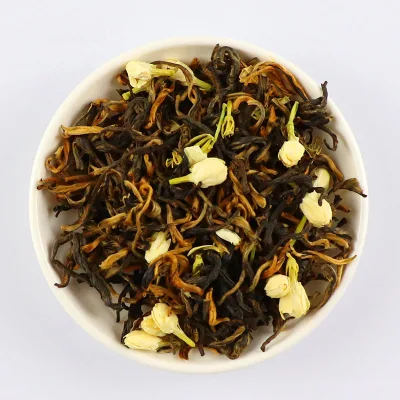
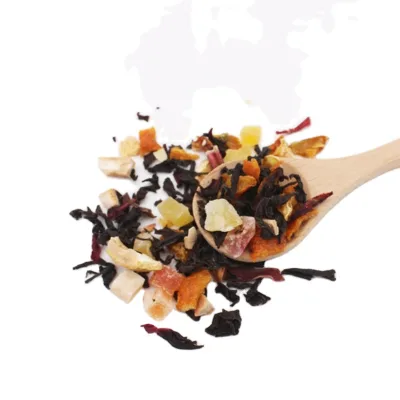
Factory Price for Blended Tea, Dried Fruit Flavor Tea, Tropical Fruit Black Tea
$27.00 - $28.00
MOQ: 10
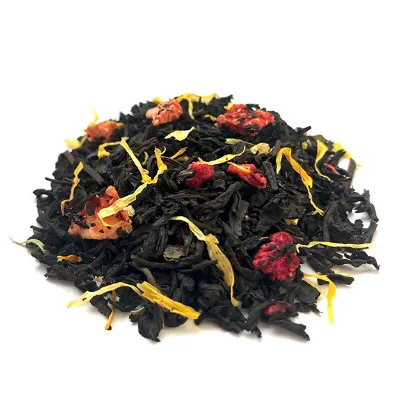
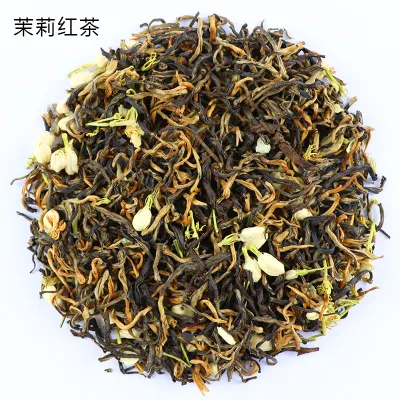
Wholesales Flavor Tea Jasmine Black Tea Natural and Popular Dried Fruit Tea OEM Order Customize logo
$30.00 - $31.00
MOQ: 5 kilograms

- Verified by CTI
- Trading Company
- China Anhui
- Lead time15 days
- Avg. response≤ 8h
Main productsHerbal Medicine, Blue Lotus Flower, Red Ginseng Root, Chinese Herbal
Main marketsSouth America,Africa,Southeast Asia/ Mideast,East Asia(Japan/ South Korea),Europe,Australia,North America

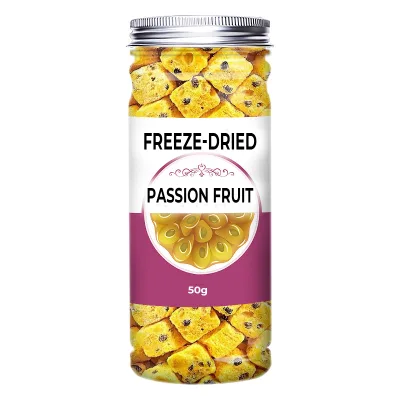
Wholesale frozen dried fruits tea frozen passion Lemon kumquat fruit blend tea
$3.60 - $5.80
MOQ: 10 box


Private label detox fruit and flower tea chinese dried blend fresh fruit
$0.19 - $0.49
MOQ: 100 Pieces



Kunming Funyoung Trade Co., Ltd.
- Trading Company
- Yunnan, China
- Lead time15 days
- Avg. response≤ 5h
Main productsBeauty products,Health care products,OEM,ODM,OBM
Main marketsEastern Europe(15.00%), Oceania(10.00%), Northern Europe(10.00%), Western Europe(10.00%), North America(10.00%), South America(10.00%), Southern Europe(8.00%), South Asia(7.00%), Eastern Asia(5.00%), Mid East(5.00%), Africa(5.00%), Southeast Asia(5.00%)
Anhui Alltofit Impex Co., Ltd.
- Verified by TüVRheinland
- Trading Company
- Lead time15 days
- Avg. response≤ 4h
Main productsFruit Tea, Flower Tea, Herbal Tea, Loose Tea, Teabag
Main marketsNorth America(40%), Southeast Asia(10%), Oceania(10%)

Yunnan Natural's Agricultural Tech. Co., Ltd.
- Verified by SGS
- Trading Company
- China Yunnan
- Lead time15 days
- Avg. response≤ 7h
Main productsTea, Yunnan Tea, Black Tea, Green Tea, Puer Tea, White Tea, Tea Ware, Herbal Tea, Blooming Tea, Oolong Tea
Main marketsNorth America

Discount Biotechnology (Chengdu) Co., Ltd.
- Verified by SGS
- Trading Company
- China Sichuan
- Lead time23 days
- Avg. response≤ 4h
Main productsHealth Supplement, Energy Supplement, Honey Supplement, Functional Gummy, Energy Drink, Sports Supplement, Energy Pouches Customization, Diabetic Supplement, Feminine Health, OEM Oral Strips
Main marketsSouth America,Eastern Europe,Mid East,North America,Southeast Asia,Western Europe,Africa

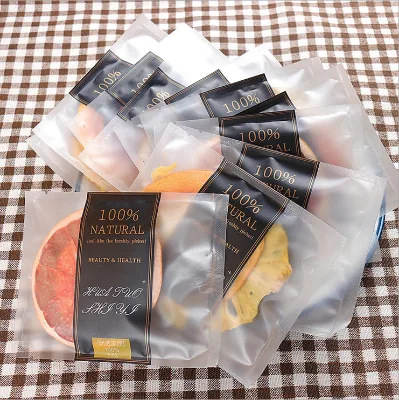
OEM Dried Fresh Mixed Fruit Slice Tea Preserved Delicious Fruits Slimming and Beauty Tea
$0.25 - $0.35
MOQ: 500 Pieces


Hibiscus Melon Kiwi Papaya Pineapple Rich in Natural Vitamines Mixed Dried Fruit Tea
$2.50 - $3.50
MOQ: 100 Pieces

Anhui Highkey Import&Export Co., Ltd.
- Trading Company
- Anhui, China
- Lead time15 days
- Avg. response≤ 2h
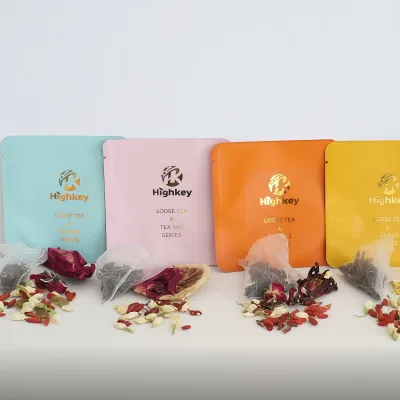
Main productsHerbal Tea,Flower Tea,Flavor Tea,Fruit Tea,Tea Bag
Main marketsNorth America(25.00%), Southeast Asia(20.00%), South Asia(5.00%), Southern Europe(5.00%), Northern Europe(5.00%), Central America(5.00%), Western Europe(5.00%), Eastern Asia(5.00%), Mid East(5.00%), Oceania(5.00%), Africa(5.00%), South America(5.00%), Eastern Europe(5.00%)

Anhui Highkey Import&Export Co., Ltd.
- Verified by TUVRHEINLAND
- Trading Company
- China Anhui
- Lead time15 days
- Avg. response≤ 6h
Main productsHerbal Medicine, Herbal Tea, Herbal Seed, Empty Tea Bag, Rhodiola Rosea, Panax Ginseng, Loofah Sponge, Healthcare Product, Planting Seed, Traditional Chinese Herbs
Main marketsSouth America,Africa,Southeast Asia/ Mideast,East Asia(Japan/ South Korea),Europe,Australia,North America

Rizhao Spring Trading Co., Ltd.
- Verified by CTI
- Manufacturer/Factory
- China Shandong
- Lead time15 days
- Avg. response≤ 4h
Main productsWalnut, Pet House, Peanut, Cat Litter, Pet Products, Pet Food, Cat Food, Pet Treats, Dog Food, Pet Toys
Main marketsMid East,North America,Western Europe

Hunan Shine Wing Tea Co., Ltd.
- Trading Company
- China Hunan
- Lead time23 days
- Avg. response≤ 7h
Main productsTea
Main marketsSoutheast Asia/ Mideast,Europe,North America







Comprehensive Sourcing Guide
Dried Fruit Jasmine Black Tea Supplier Concentration and Factory Types
The current supplier landscape for Dried Fruit Jasmine Black Tea reveals a distinct concentration of manufacturing and trading entities in specific Chinese provinces, with Jilin and Guangdong emerging as notable hubs for this specialized blend. Suppliers located in Jilin often leverage the region’s reputation for high-quality ginseng and herbal ingredients, which may influence the sourcing of complementary botanicals used in health-focused tea blends. In contrast, suppliers based in Guangdong, particularly those in the broader China region, tend to focus on the processing and blending of fruit teas, utilizing the province’s robust logistics infrastructure to handle perishable goods like dried fruits and fresh jasmine. This geographic distribution suggests that buyers should consider the origin of the primary ingredients when evaluating potential partners, as the local agricultural ecosystem can impact the authenticity and consistency of the jasmine and fruit components. Understanding these regional strengths allows for more targeted supplier searches, ensuring that the chosen partner has direct access to the raw materials necessary for producing high-quality Dried Fruit Jasmine Black Tea.
Company types in this sector vary significantly, ranging from pure trading companies to integrated factories with blending capabilities. Many suppliers identify as trading companies, which can offer a broader selection of products including tea accessories and gift sets, potentially simplifying the procurement process for buyers seeking bundled solutions. However, for buyers prioritizing direct manufacturing control and customization, identifying suppliers with in-house blending facilities is crucial. These factories often provide more flexibility in adjusting the ratio of jasmine black tea to dried fruit pieces, ensuring the final product meets specific flavor profiles and quality standards. The presence of OEM services among these suppliers indicates a willingness to customize packaging and branding, which is essential for businesses looking to establish a unique market presence. Buyers must carefully distinguish between trading entities that source from multiple factories and those that operate their own production lines, as this distinction affects lead times, quality control measures, and the ability to scale orders efficiently.
How to Verify Dried Fruit Jasmine Black Tea Suppliers
Verifying the credibility and operational capacity of Dried Fruit Jasmine Black Tea suppliers requires a multi-layered approach that goes beyond basic profile reviews. Buyers should prioritize suppliers who display third-party verification badges, such as CTI certification, which indicates that an independent agency has audited the company’s business legitimacy and operational practices. This verification is particularly important in the food and beverage sector, where compliance with safety standards is non-negotiable. Additionally, checking for specific product certifications is essential; suppliers offering dried fruit teas should ideally hold certifications such as GMP, BRC, ISO, FDA, and HACCP, which demonstrate adherence to international quality and safety management systems. These certifications are not merely decorative but serve as proof that the supplier has implemented rigorous controls over their production environment, ingredient sourcing, and final product testing. Buyers should request copies of these certificates and verify their validity through the issuing bodies to ensure they are current and applicable to the specific products being ordered.
Beyond certifications, assessing the supplier’s responsiveness and transparency is critical for establishing a reliable partnership. A quick response time, typically within a few days, indicates a well-organized sales team that is attentive to buyer inquiries and capable of providing timely information. Buyers should also examine the supplier’s main product listings to ensure they specialize in tea and related items rather than maintaining a disparate catalog that might suggest a lack of focus. Furthermore, verifying the supplier’s establishment year and company type can provide insights into their stability and expertise. Long-standing companies with a history in the tea industry are likely to have deeper relationships with raw material suppliers and more refined production processes. Buyers should also look for evidence of past performance, such as detailed product descriptions that include specific attributes like storage requirements, shelf life, and ingredient lists, which reflect a high level of transparency and professionalism in their operations.
What to Compare Across Dried Fruit Jasmine Black Tea Suppliers
When evaluating multiple suppliers for Dried Fruit Jasmine Black Tea, buyers must systematically compare key operational metrics to identify the most suitable partner for their specific needs. One of the primary factors to assess is the minimum order quantity (MOQ), which can vary significantly across different suppliers. Some suppliers may require a MOQ of 5 kilograms, while others might set the threshold at 10 kilograms or higher. Understanding these requirements is essential for aligning supplier capabilities with the buyer’s inventory management strategy and cash flow constraints. Additionally, comparing the price ranges offered by different suppliers is crucial, as costs can fluctuate based on the quality of ingredients, packaging options, and order volume. Buyers should look for transparent pricing structures that clearly outline the cost per unit and any additional fees for customization or shipping, ensuring there are no hidden charges that could impact the overall profitability of the product.
Lead times and response speeds are another critical dimension for comparison, as they directly impact the buyer’s ability to meet market demand. Suppliers with shorter lead times, such as those offering 15-day production cycles, can provide greater flexibility for rush orders or seasonal campaigns. Conversely, suppliers with longer lead times may require more advanced planning and larger inventory buffers. Response speed is equally important, as a quick reply to inquiries indicates a supplier’s commitment to customer service and their ability to resolve issues promptly. Buyers should also compare the main products offered by each supplier to ensure they align with their broader sourcing strategy. For instance, some suppliers may specialize in health teas and slimming blends, while others focus on general fruit teas. Understanding these specializations helps buyers select partners who can provide consistent quality and expertise in their specific niche, ultimately leading to a more successful and sustainable sourcing relationship.
Common Dried Fruit Jasmine Black Tea Sourcing Risks
Sourcing Dried Fruit Jasmine Black Tea involves several inherent risks that buyers must proactively manage to ensure product quality and supply chain stability. One significant risk is the variability in ingredient quality, particularly concerning the freshness of the jasmine flowers and the integrity of the dried fruits. Jasmine tea relies on the scent absorption process, which can be compromised if the tea leaves are not stored correctly or if the jasmine flowers are of inferior quality. Similarly, dried fruits can suffer from moisture retention, mold growth, or excessive sugar content if not processed and stored under optimal conditions. Buyers should request detailed information on storage requirements, such as cool dry places or room temperature storage, and verify that the supplier has robust quality control measures in place to prevent contamination or degradation of these sensitive ingredients. Failure to address these storage and handling issues can result in products that do not meet the expected flavor and safety standards.
Another common risk is the discrepancy between sample quality and bulk production, which can lead to customer dissatisfaction and financial losses. Suppliers may provide high-quality samples that do not accurately represent the consistency of the mass-produced items, particularly when dealing with natural ingredients like fruits and tea leaves. To mitigate this risk, buyers should insist on pre-shipment inspections or third-party quality checks to ensure that the bulk order matches the approved sample in terms of taste, appearance, and packaging. Additionally, buyers should be cautious of suppliers who offer unusually low prices, as this may indicate the use of lower-grade ingredients or cutting corners in the production process. It is also important to verify the supplier’s ability to handle custom orders, as poor communication or lack of experience in OEM services can lead to errors in branding and packaging. By identifying and addressing these risks early in the sourcing process, buyers can protect their brand reputation and ensure a consistent supply of high-quality Dried Fruit Jasmine Black Tea.
Dried Fruit Jasmine Black Tea Regional Sourcing and Logistics
The regional sourcing of Dried Fruit Jasmine Black Tea significantly influences logistics planning and cost structures, with locations like Jilin and Guangdong offering distinct advantages for different aspects of the supply chain. Suppliers in Jilin, often associated with herbal and ginseng products, may provide unique value for buyers seeking health-focused blends that incorporate traditional Chinese medicinal ingredients. However, the logistical considerations for sourcing from this region may differ from those in Guangdong, which is a major hub for food processing and export. Guangdong-based suppliers benefit from proximity to major ports and advanced logistics networks, which can facilitate faster shipping times and more efficient handling of perishable goods like dried fruits. Buyers should evaluate the supplier’s location in the context of their target market, as shipping costs and transit times can vary considerably depending on the origin of the product. Understanding these regional dynamics allows buyers to optimize their supply chain for cost efficiency and speed.
Logistics planning for Dried Fruit Jasmine Black Tea also requires careful attention to packaging and storage specifications to maintain product integrity during transit. Suppliers often provide detailed information on package dimensions and gross weight, such as a package size of 40x40x30 cm with a gross weight of 8.0 kg per batch, which are critical for calculating shipping costs and warehouse space requirements. Buyers should ensure that the packaging is suitable for long-distance transport, protecting the tea and fruits from moisture, heat, and physical damage. Additionally, verifying the supplier’s ability to provide customized packaging options can enhance brand visibility and product appeal in the target market. Buyers should also consider the shelf life of the product, which is typically around 18 months to 2 years, to ensure that the inventory turnover rate aligns with the product’s expiration date. By integrating regional sourcing insights with robust logistics planning, buyers can minimize risks and ensure the timely delivery of high-quality Dried Fruit Jasmine Black Tea to their customers.
Dried Fruit Jasmine Black Tea Commercial Terms and Order Planning
Effective order planning for Dried Fruit Jasmine Black Tea requires a thorough understanding of commercial terms, including pricing tiers, payment conditions, and customization options. Suppliers often offer tiered pricing based on order volume, with prices ranging from approximately $27 to $31 per unit for certain blends, depending on the specific product attributes and packaging requirements. Buyers should negotiate these terms carefully to secure the best possible price while ensuring that the supplier can maintain the desired quality standards. Additionally, understanding the MOQ requirements is essential for planning inventory levels and cash flow. Some suppliers may require a MOQ of 5 kilograms, while others might set the threshold at 10 kilograms, which can impact the initial investment and storage capacity. Buyers should also inquire about the availability of free samples, which can be valuable for quality assessment before committing to a large order.
Customization options, such as OEM services and logo printing, are critical for buyers looking to establish a unique brand identity in the market. Suppliers that offer customization should provide clear guidelines on the minimum order quantities for custom packaging and the associated costs. Buyers should also verify the supplier’s ability to handle specific packaging formats, such as boxes, bulk packs, or tinned cans, to ensure that the final product meets their marketing and distribution needs. Furthermore, understanding the supplier’s production capacity and lead times is crucial for planning order schedules and avoiding stockouts. Buyers should establish clear communication channels with their suppliers to stay informed about production progress and potential delays. By carefully managing commercial terms and order planning, buyers can optimize their sourcing strategy, reduce costs, and ensure a consistent supply of high-quality Dried Fruit Jasmine Black Tea that meets their business objectives.
FAQs
What is the minimum order quantity for Dried Fruit Jasmine Black Tea?
The minimum order quantity is typically 5 kilograms for loose leaf blends. Some suppliers require a minimum of 10 units for specific factory-priced items. Buyers should verify the exact MOQ on the product page before placing an order to ensure compliance with supplier policies.
How long does it take to receive an order of blended fruit tea?
Lead times vary significantly by supplier. Some trading companies report a lead time of zero days, while others specializing in herbal blends may require up to 15 days. Buyers must check the specific supplier profile for accurate delivery estimates before finalizing purchase agreements.
What certifications are available for dried fruit tea products?
Certifications such as GMP, BRC, ISO, FDA, and HACCP are available for certain dried fruit tea products. These certifications ensure the tea meets international safety and quality standards. Buyers should request valid certification documents from the supplier to verify compliance with their local regulations.
Where are Dried Fruit Jasmine Black Tea suppliers located?
Suppliers are located in regions such as Jilin and Guangdong in China. Some herbal medicine suppliers are based in Anhui. Buyers can filter search results by these specific locations to find suppliers closer to their logistics hubs or with regional expertise in tea cultivation.
What is the price range for wholesale Dried Fruit Jasmine Black Tea?
Prices for blended fruit teas range from approximately 3.60 to 31.00 per unit depending on the product type. Lower prices apply to frozen fruit blends, while premium jasmine black tea blends cost more. Buyers should compare specific product listings to determine the exact cost for their order volume.
Can suppliers provide custom packaging and logos for fruit tea?
Customization is available for many dried fruit tea products. Suppliers offer OEM orders with customized logos and packaging options such as boxes, bulk, or tins. Buyers should confirm customization availability and minimum requirements directly with the supplier to ensure their branding needs are met.