Source Organic Probiotics Capsules for Gut, Digestive, and Oral Health
Find 30 verified Organic Probiotics Capsules tailored for digestive wellness, gut balance, and oral care. Compare specifications including CFU counts, certifications, and packaging options from Chinese manufacturers to identify the best fit for your health product line.
Key considerations
Products List


FDA Qualified Probiotics Formulations with Organic Prebiotics for Gut Health
$2.80 - $4.00
MOQ: 5000 Pieces


Probiotic Capsules for Immune Health and Enhanced Nutrient Absorption
$0.13 - $0.15
MOQ: 300000 capsule

Probiotic Capsules with Lactobacillus Bifidobacterium for Adults Women Children
$0.05 - $1.50
MOQ: 300000 Pieces


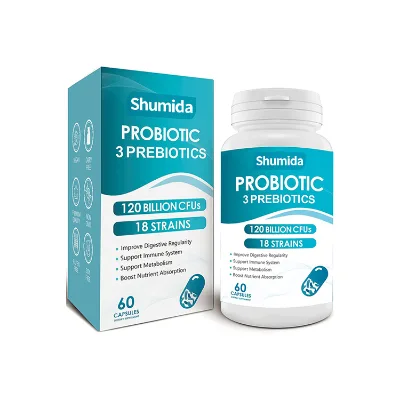


Probiotic Formula for Sensitive Stomach and Nutrient Absorption Health Food
$0.01 - $0.02
MOQ: 600000 Pieces

Nutrition Supplement Probiotic Formula for Optimal Gut Health Support
$0.44 - $0.49
MOQ: 300000 Pieces


Advanced Probiotic Formula for Gut Health and Stress Relief Health Care Supplement
$0.44 - $0.49
MOQ: 300000 Pieces


Comprehensive Sourcing Guide
Organic Probiotics Capsules Sourcing Guide
Procuring organic probiotic capsules requires a rigorous approach to distinguishing between raw material specifications and finished product formulations. The market offers a diverse range of options, from freeze-dried probiotic powders encapsulated in HPMC shells to tablets designed for specific health outcomes like oral or digestive health. Buyers must carefully align their product requirements with the available dosage forms, which include capsules, drops, and tablets, ensuring the selected format matches the intended delivery method and consumer preference.
A critical initial step involves verifying the active substance content and the specific strain identification, such as 16s rRNA, which confirms the biological identity of the probiotic. While many listings indicate high potency standards like 100 billion or 60 billion CFU per capsule, these figures are product-specific observations rather than universal guarantees. Sourcing teams must demand batch-specific assay results to confirm that the actual colony-forming units meet the claimed standards, as the shelf life and efficacy of the product are directly dependent on maintaining these active substance levels above 90% throughout the supply chain.
Product Scope and Observed Listing Signals
The observed product landscape for organic probiotic capsules spans a wide spectrum of physical appearances and packaging configurations. Listings frequently describe the product color as ranging from white to yellow or beige powder, with some capsules appearing transparent or white. The packaging varies significantly from bulk cartons to individual GSP or HDPE bottles containing 30, 60, or 90 pieces, and some suppliers offer flexible packaging like aluminum foil bags or rum-style containers. Buyers should treat these visual and packaging attributes as variable observations that depend on the specific manufacturer's capabilities rather than fixed industry standards.
Commercial signals in the market indicate a highly flexible but complex ordering environment, with Minimum Order Quantities (MOQs) ranging from as low as 1 bottle to as high as 600,000 units. Price points observed in the market also fluctuate widely, ranging from $0.01 to $200, reflecting differences in potency, certification levels, and packaging complexity. Procurement professionals must navigate these variables by clearly defining their volume needs and budget constraints early in the process, as the MOQ and price structure are often tied to the specific product model, such as ProCap or LB45, and the chosen dosage form.
Technical Specifications to Verify
Technical due diligence must focus on the precise formulation details, including the capsule shell material and the nutrient composition. The supply chain data highlights the use of 1# HPMC capsules, which are suitable for vegetarian and vegan formulations, alongside tablets that may include added vitamins. Buyers must verify the specific nutrient composition and ensure that the product is formulated for the target demographic, such as adults, while explicitly noting that certain products are not applicable for newborns. The distinction between different product models, such as Probiotic Supplement Capsules versus Probiotic Tablets, dictates the required manufacturing process and the final delivery mechanism for the consumer.
Verification of the active ingredient processing and storage stability is equally critical for maintaining product integrity. The industry standard often involves freeze-dried probiotic powders stored in 100,000-level purification workshops to prevent contamination. Buyers should confirm that the storage method aligns with the product's requirements, typically a cool, dry place, and that the shelf life exceeds 12 months under these conditions. Additionally, the identification of the active strain via 16s rRNA and the assay method, such as HPLC or UV, must be validated to ensure the product meets the claimed potency standards of 100 billion or 60 billion CFU per unit.
Compliance and Safety Documentation
Navigating the regulatory landscape for organic probiotics requires a thorough review of the certification portfolio held by the supplier. The market data indicates a wide array of certifications, including cGMP, ISO 22000, ISO 9000, HACCP, Halal, Kosher, and FDA registration. Some suppliers also hold NOP (National Organic Program) certification, which is essential for products marketed as organic. Buyers must verify that the specific certifications listed on the product page correspond to the actual manufacturing facility and the specific product batch, as these credentials are not automatically transferable across all product lines from a single supplier.
Safety documentation must also address the specific health claims and the intended application of the product. While some products are marketed for overall digestive health and gut health, others are formulated specifically for oral health. It is imperative to confirm that the product is qualified with patent and clinical studies if such claims are being made, as this adds a layer of credibility and regulatory compliance. The supplier's ability to provide test results using methods like HPLC and their adherence to standards like NSF-GMP are vital for ensuring that the final product is safe for human consumption and meets the rigorous safety expectations of the target market.
Cost Drivers and Commercial Terms
The cost structure for organic probiotic capsules is influenced by multiple factors, including the potency of the active substance, the complexity of the certification, and the packaging requirements. High-potency products, such as those containing 100 billion CFU, generally command a higher price point compared to lower potency variants. Furthermore, the inclusion of specialized certifications like Organic or Halal, along with the use of premium packaging materials like HDPE bottles or aluminum foil bags, adds to the overall unit cost. Buyers should analyze the total cost of ownership, considering that the observed price range of $0.01 to $200 reflects these significant variations in product specification and quality.
Commercial terms, particularly regarding Minimum Order Quantities (MOQ) and sample availability, play a pivotal role in the procurement strategy. The market shows a broad MOQ range, from 1 bottle to 600,000 units, with specific listings indicating MOQs of 50 or 100 bottles. This flexibility allows buyers to start with smaller sample orders, which are often available, before committing to larger production runs. However, the lead time and production capacity must be confirmed, as high-volume orders may require significant planning to ensure the supplier can maintain the 100,000-level purification standards and meet the required delivery schedules without compromising quality.
Supplier Qualification and Quality Control
Supplier qualification extends beyond the basic listing of certifications to include an assessment of the manufacturing environment and quality control protocols. The presence of a 100,000-level purification workshop is a strong indicator of a supplier's commitment to hygiene and contamination control, which is essential for probiotic products. Buyers should request evidence of the supplier's ability to maintain these standards consistently, including audit reports or third-party verification of the workshop conditions. The ability to produce OEM products suggests a level of flexibility and experience in customizing formulations, but this must be balanced with a rigorous quality assurance process.
Quality control measures must be embedded throughout the production lifecycle, from the sourcing of raw materials to the final packaging. The use of specific identification methods like 16s rRNA and assay techniques such as HPLC and UV ensures that the active substance content remains above 90% and that the product meets the declared standards. Buyers should insist on a comprehensive quality control plan that includes batch testing for potency, microbial limits, and physical appearance, such as color and smell. The supplier's track record in providing clinical studies and patent qualifications further validates their capability to deliver high-quality, compliant probiotic capsules.
Long-Term Procurement Checks
Establishing a long-term procurement relationship requires a commitment to continuous monitoring of product consistency and regulatory compliance. As the market for organic probiotics evolves, suppliers must adapt to changing standards and consumer expectations, making it essential to review certification renewals and quality control data on a regular basis. Buyers should establish a schedule for periodic audits and re-testing of product samples to ensure that the shelf life remains above 12 months and that the storage methods continue to be effective in preserving the viability of the probiotic strains.
Strategic sourcing also involves maintaining a clear understanding of the supply chain dynamics, including the availability of raw materials and the stability of the supplier's production capacity. Given the wide range of MOQs and the potential for high-volume orders, buyers must ensure that the supplier can scale production without diluting quality. Regular communication regarding product updates, such as changes in dosage forms or packaging, will help buyers stay ahead of market trends and ensure that their product offerings remain competitive and compliant with the latest industry standards.
FAQs
What certifications do the organic probiotic capsules have?
The capsules hold multiple certifications including cGMP, ISO, HACCP, Halal, Kosher, and Organic. Additional certifications like NSF-GMP, NOP, FDA, and ISO22000 are also available depending on the specific product model selected for your order.
How is the active substance content defined in these capsules?
The content of active substances is greater than 90 percent in the supplied products. This high concentration ensures potency, with specific models offering standards like 100 billion or 60 billion CFU per capsule for targeted health benefits.
Can I customize the packaging for my organic probiotic order?
Customization is available for packaging requirements such as cartons, HDPE bottles, or aluminum foil bags. You can also select specific bottle counts like 30, 60, or 90 pieces per bottle to match your distribution needs.
What is the minimum order quantity for these probiotic supplements?
The minimum order quantity ranges from 1 unit up to 600,000 units depending on the supplier and product type. Specific listings may require a minimum of 100 bottles or 50 bottles for certain capsule models.
Which dosage forms are available for these probiotic products?
Available dosage forms include capsules, tablets, and drops. The capsules typically use 1# HPMC material, while tablets are designed for oral health with a dosage of one tablet per serving for adults.
How long is the shelf life of these organic probiotic capsules?
The shelf life exceeds 12 months when stored correctly. Products should be kept in a cool, dry place to maintain the viability of the freeze-dried probiotic powder and ensure quality throughout the storage period.
What is the origin of these organic probiotic capsule manufacturers?
The products originate from China, where manufacturers operate in 100,000-level purification workshops. This location supports the production of various forms including capsules and tablets with high-quality standards and certifications.