Source Outdoor Indoor Led Video Wall for Stage, Advertising, Shopping
Find 30 Outdoor Indoor Led Video Wall units with pixel pitches from 2.5mm to 10mm and brightness up to 6500nits. Buyers can compare specifications like refresh rates, IP ratings, and cabinet materials for stage performance, advertising, and shopping guide applications.
Updated
Key considerations
Products List


Factory Price Outdoor LED Advertising Video Display Screen Wall
$599.00 - $1999.00
MOQ: 1 Square Meters


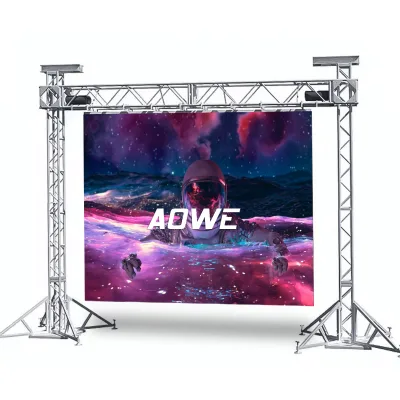


Outdoor Advertising Wall-Mounted LED Screen Full Color Panel Digital Display Video Wall
$380.00
MOQ: 5 Square Meters
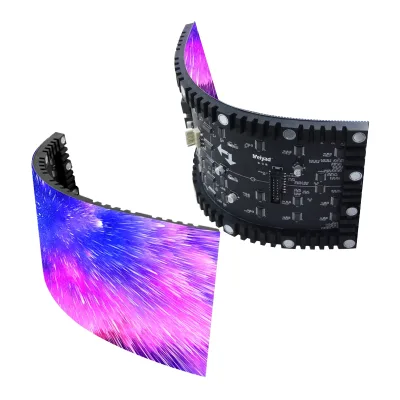
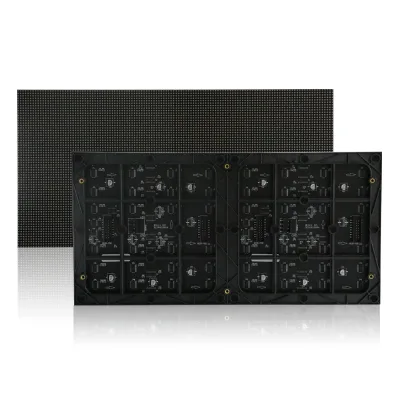

Outdoor Digital LED Advertising Electronic Billboard Display Video Wall
$1529.00 - $1655.00
MOQ: 1 Square Meters


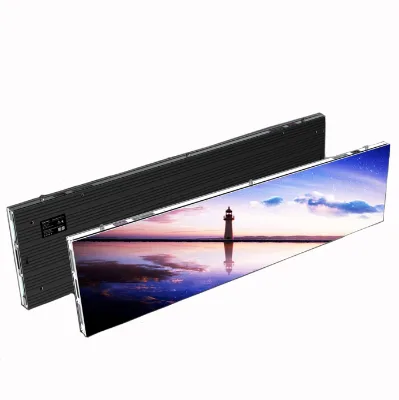
2024 Indoor Outdoor High Performance LED Video Wall LED Display Screen
$387.00 - $402.00
MOQ: 1 Square Meters
Comprehensive Sourcing Guide
Outdoor Indoor Led Video Wall Sourcing Guide
Procuring LED video walls requires balancing visual performance with environmental durability, as these displays serve diverse roles from stage performances to outdoor advertising. Buyers must first define the specific application context, whether it involves shopping guides, large-scale advertising, or immersive stage performances, as this dictates the necessary brightness and viewing distance. The observed market offers a wide range of pixel pitches, from fine resolutions like 2.5mm to larger pitches suitable for distant viewing, allowing for tailored solutions based on the audience's proximity.
Understanding the physical constraints of the installation site is equally critical for successful deployment. Factors such as cabinet weight, mounting methods, and service access determine the feasibility of the chosen hardware. For instance, some units support front and rear service for easier maintenance, while others rely on back-bolted hanging systems. Buyers should evaluate these mechanical attributes alongside the display’s power consumption and heat dissipation capabilities to ensure the infrastructure can support the load without compromising safety or operational efficiency.
Product Scope and Observed Listing Signals
The current market landscape for LED video walls exhibits significant variation in pricing and minimum order quantities, reflecting the complexity of customization and component quality. Observed listing prices range from approximately eight to nearly three thousand US dollars, indicating that buyers can find options for both small-scale informational displays and high-end, large-format installations. Minimum order quantities typically span from one unit to one thousand pieces, providing flexibility for pilot projects or bulk procurement, though buyers should verify if volume discounts apply to larger orders to optimize total cost of ownership.
Product attributes reveal a strong emphasis on customization and specific technical configurations, such as 1/16 scan modes and full-color tube chips using Epistar LEDs. These details suggest that suppliers are equipped to handle bespoke requirements, including specific cabinet materials like aluminum or steel, and standardized dimensions such as 320x960mm or 960x960mm panels. Buyers should carefully review the pixel configuration, which often follows a 1R, 1G, 1B structure, and confirm the refresh rate, which can exceed 1920Hz or reach 3840Hz, to ensure smooth video playback for fast-moving content.
Technical Specifications to Verify
Brightness and contrast ratios are primary determinants of visual quality, with observed specifications ranging from 800 nits for indoor use to over 6500 nits for high-brightness outdoor applications. Buyers must match these luminance levels to the ambient light conditions of the installation site to prevent washed-out images or excessive power consumption. Additionally, the viewing distance, often cited around three meters for finer pixel pitches, should be calculated based on the chosen pixel pitch to ensure optimal image clarity and viewer comfort without visible pixelation.
Power supply units and driver ICs play a crucial role in the stability and longevity of the display system. Common configurations include constant current drivers and specific power supply ratings, such as 5V 60A or MW-branded units, which influence the overall energy efficiency and thermal management. Buyers should also verify the IP rating, which varies from IP31 for protected indoor environments to IP65 for fully weatherproof outdoor installations, ensuring the hardware can withstand dust, moisture, and other environmental stressors without degradation in performance.
Compliance and Safety Documentation
Certification requirements are non-negotiable for international procurement, with common standards including CCC, CE, ETL, and RoHS compliance. Buyers must request valid certificates for each target market to ensure legal importation and sale, as these documents verify that the product meets regional safety, electromagnetic compatibility, and environmental regulations. It is essential to confirm that the certifications apply to the specific model and configuration being purchased, as variations in components or manufacturing batches can affect compliance status.
Electrical safety and system integration also require careful documentation review. The operating voltage range, typically AC110-240V, should be compatible with local power grids, and the control system, often based on Nova software and Windows OS, must be verified for ease of use and compatibility with existing media players. Buyers should ensure that the supplier provides comprehensive user manuals, wiring diagrams, and software licenses to facilitate smooth installation and ongoing management, reducing the risk of operational errors or system failures.
Cost Drivers and Commercial Terms
The total cost of an LED video wall is influenced by pixel pitch, brightness level, and cabinet material, with aluminum cabinets offering a balance of durability and weight efficiency. Buyers should analyze the average power consumption, which can range from 600W per square meter to higher values for high-brightness models, to estimate long-term operational expenses. Understanding these energy costs is vital for projects with extended operating hours, as electricity consumption can significantly impact the overall budget over the product's lifecycle.
Packaging and logistics are additional cost factors that require attention, especially for fragile electronic components. Products are typically packed in plywood cases to ensure safe transit, but buyers should verify the dimensions and weight per square meter, which can be around 30kg for aluminum cabinets, to plan for handling and installation. Negotiating clear terms for shipping, insurance, and potential damage claims is essential, as is confirming the lead time for production and delivery to align with project schedules and avoid costly delays.
Supplier Qualification and Quality Control
Supplier qualification should begin with a thorough review of their manufacturing capabilities and quality control processes. Buyers should inquire about the sourcing of key components, such as Epistar LED lamps and Constent Current driver ICs, to ensure consistency and reliability. Requesting factory audits or third-party inspection reports can provide insights into the supplier’s production standards, helping to mitigate risks associated with inconsistent quality or substandard materials that could lead to premature failure.
Quality control extends to the final product testing and warranty terms. Buyers should verify that each unit undergoes rigorous testing for brightness uniformity, color consistency, and dead pixel rates before shipment. Establishing clear warranty periods and after-sales support protocols is crucial, as LED displays are complex systems that may require technical assistance during installation or operation. Confirming the availability of spare parts, such as power supplies and receiving cards, can also reduce downtime and maintenance costs in the long run.
Long-Term Procurement Checks
Long-term success depends on the supplier’s ability to provide ongoing support and software updates. Buyers should assess the supplier’s track record in maintaining compatibility with evolving media content and control systems, ensuring that the display remains functional and relevant as technology advances. Regular firmware updates and access to technical support channels are essential for addressing any issues that arise during the product’s operational life, preventing minor glitches from escalating into major disruptions.
Environmental durability and maintenance accessibility are also key considerations for long-term procurement. Buyers should evaluate the ease of accessing internal components for repair, whether through front or rear service solutions, to minimize downtime during maintenance. Additionally, monitoring the supplier’s commitment to sustainability and energy efficiency can help align procurement decisions with corporate social responsibility goals, ensuring that the LED video wall not only performs well but also contributes to a sustainable operational footprint.
FAQs
What certifications do these LED video walls have?
These LED video walls carry CCC, CE, ETL, and RoHS certifications. These standards ensure safety and environmental compliance for international markets. Buyers can verify these documents directly with suppliers to confirm product quality and regulatory adherence before placing orders.
Which pixel pitch options are available for indoor use?
Available pixel pitch options include P2, P2.5, P2.604S, P3.91, P4.44, P4.81, P5, P5.33, P6, P6.67, and P10. The P2.5mm model offers a viewing distance of 3 meters. Select the pitch based on your specific viewing distance requirements and installation space constraints.
Can I customize the cabinet material and service solution?
Customization is available for cabinet materials and service solutions. Options include aluminum or steel cabinets with front and rear service capabilities. Buyers can request specific configurations to match their installation needs while ensuring the product meets their operational requirements.
What is the refresh rate and brightness of the display?
The display features a refresh rate greater than 1920Hz or up to 3840Hz depending on the model. Brightness ranges from 800nits to over 6500nits for outdoor applications. These specifications ensure smooth video playback and clear visibility in various lighting conditions.
How is the product packed and what is the origin?
Products are packed in plywood cases for safe transport. The origin of these LED video walls is China. This packaging method protects the units during shipping, ensuring they arrive in perfect condition ready for installation at the destination site.
What is the minimum order quantity for these displays?
The minimum order quantity ranges from 1 to 1000 units depending on the supplier and specific model. Buyers should check with vendors for exact MOQs tailored to their project size. Flexible ordering options allow for both small pilot projects and large-scale deployments.