3D Logo LED Dance Floor Suppliers and Manufacturers
Compare 27 verified suppliers offering 3D Logo LED Dance Floor with varying lead times, certifications, and response speeds. Review product specs like IP ratings and lifetimes, then request quotes to confirm pricing and customization options; review the available evidence before requesting comparable quotations from suitable candidates.
Updated
Suppliers List

Guangzhou HOMEI Lighting Equipment Factory
- Verified by TUVRHEINLAND
- Combined
- China Guangdong
- Lead time15 days
- Avg. response≤ 4h
Main productsLED Star Cloth, LED Video Curtain, RGB Star Curtain, LED Stage Light, LED Dance Floor, LED Starlit Dance Floor, LED Star Curtain, LED Twinkling Dance Floor, LED Moving Head, LED Parcans Light
Main marketsSouth America,Africa,Southeast Asia/ Mideast,East Asia(Japan/ South Korea),Domestic,Europe,Australia,North America


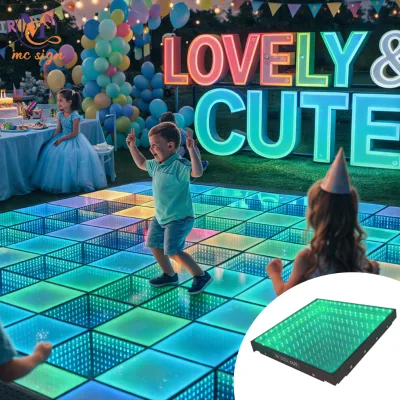
3D Abyss LED Interactive Dancefloor Light Infinity Mirror Wired LED Dance Floor
$28.00 - $40.00
MOQ: 2 Pieces


Wedding Exhibition Decoration Mirror 3D LED Dance Floor Pattern Dance Floor
$47.00 - $50.00
MOQ: 1 pcs

Shenzhen Ibestwork Technology Co., Ltd.
- Manufacturer
- Guangdong, China
- Lead time15 days
- Avg. response≤ 3h
Main productsDMX led tube light,DMX led Bar light,DMX led dot light,DMX led Strip Light,DMX LED Flood Light
Main marketsNorthern Europe(20.00%), North America(20.00%), South America(10.00%), Central America(10.00%), Domestic Market(9.00%), South Asia(5.00%), Southern Europe(5.00%), Southeast Asia(5.00%), Western Europe(5.00%), Eastern Europe(5.00%), Africa(5.00%), Eastern Asia(1.00%)

Guangzhou X Lighting Co., Limited
- Verified by SGS
- Combined
- China Guangdong
- Lead time15 days
- Avg. response≤ 3h
Main productsKinetic Lights, Moving Head Lights, LED Moving Head Light, LED Screen Display, Effect Light, LED Dance Floor, Pixel Light, Laser Light, Stage Equipments, Stage Light
Main marketsSouth America,Southeast Asia/ Mideast,East Asia(Japan/ South Korea),Europe,Australia,North America


Dance Floor 3D Dance Floor Infinity Deep Tunnel Waterproof LED Dance Floor
$40.00 - $45.00
MOQ: 1 pieces


Shandong Fandiluo Arts & Crafts Co., Ltd.
- Verified by TUVRHEINLAND
- Combined
- China Shandong
- Lead time30 days
- Avg. response≤ 10h
Main productsDisinfection Door, Disinfection Channel
Main marketsEast Asia(Japan/ South Korea),Europe,Australia


Portable Dancing Panel Wedding Disco Sensitive LED 3D Mirror Dance Floor for Sale
$40.00 - $60.00
MOQ: 10 Pieces

3D LED Dance Floor /3D Dance Floor Latest/Lamp Floor Garden/Light up Floor Tiles
$40.00 - $50.00
MOQ: 1 Pieces

Support Customize LED Round Dance Floor/Giant LED Dance Floor/3D Dance Floor
$40.00 - $50.00
MOQ: 1 Pieces
Guangzhou Can Win Electronic Technology Co., Ltd.
- Manufacturer
- Guangdong, China
- Lead time15 days
- Avg. response≤ 4h
Main productsStage Truss,Flight Case,Stage Lighting,Electric chain hoists,Stage Effect
Main marketsNorth America(30.00%), South America(20.00%), Western Europe(15.00%), Eastern Europe(5.00%), Northern Europe(5.00%), Mid East(5.00%), Oceania(5.00%), Africa(5.00%), Southern Europe(5.00%), Eastern Asia(3.00%), Southeast Asia(2.00%)
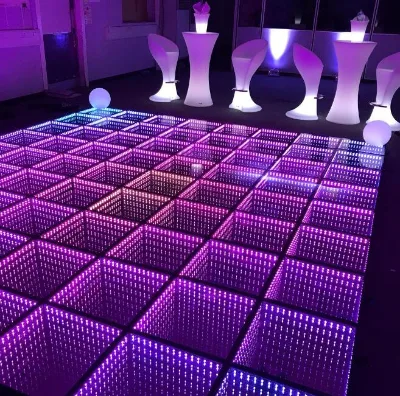
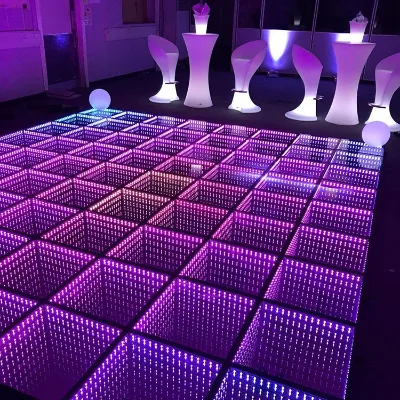
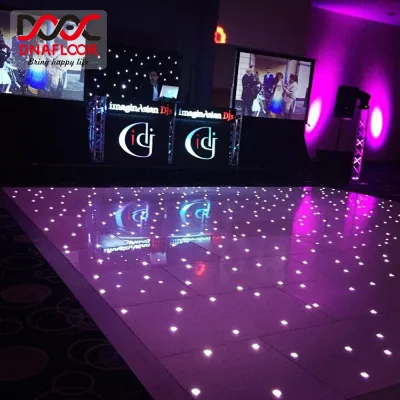
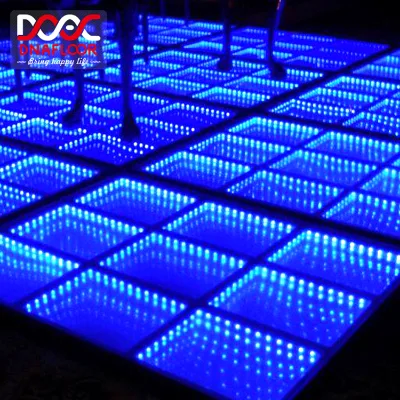
3D Full Color Brightness Easily Clean Night Club Dance Led Floor Large-Scale Programs Floors
$26.6423 - $33.7124
MOQ: 10 pieces
Lu'an Mucheng Advertising Logo Co., Ltd.
- Verified by TüVRheinland
- Manufacturer, Trading Company
- Lead time0 days
- Avg. response≤ 2h
Main productsLuminous Character, Neon Light, Neon Marquee Letter, Spirit Fortress
Main marketsNorth America(26%), Eastern Europe(10%), Oceania(10%)
Shenzhen Kkmark Event Co., Ltd.
- Manufacturer, Trading Company, Distributor/Wholesaler
- Guangdong, China
- Lead time20 days
- Avg. response≤ 4h
Main productsAluminum truss,truss clamps,Flight Road Cases,event stage,plastic HDPE flight case
Main marketsNorth America(50.00%), Oceania(20.00%), Eastern Europe(10.00%), Southeast Asia(5.00%), South Asia(4.00%), Domestic Market(2.00%), South America(2.00%), Mid East(1.00%), Africa(1.00%), Southern Europe(1.00%), Northern Europe(1.00%), Central America(1.00%), Western Europe(1.00%), Eastern Asia(1.00%)
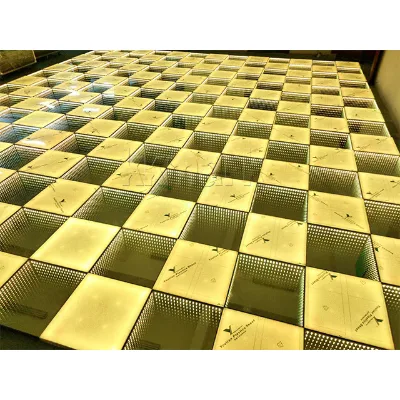
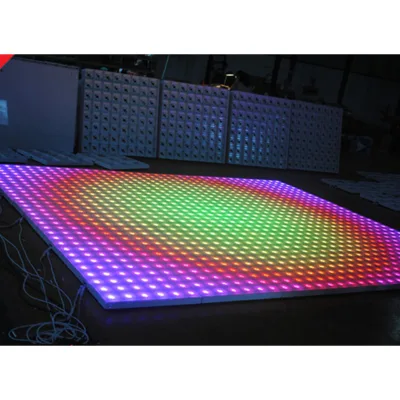
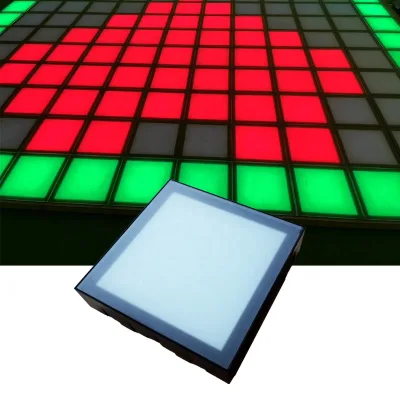
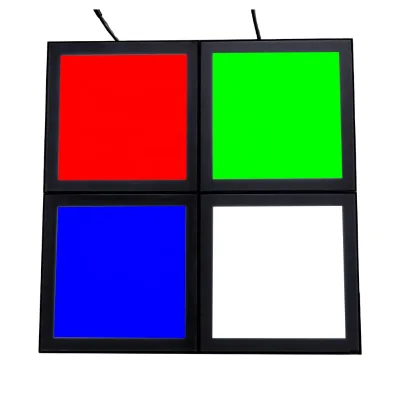
Led Dance Floor Panels/LED Interactive Dance Floor/led Sensor Light Board
$102.4655 - $204.9311
MOQ: 20 pieces
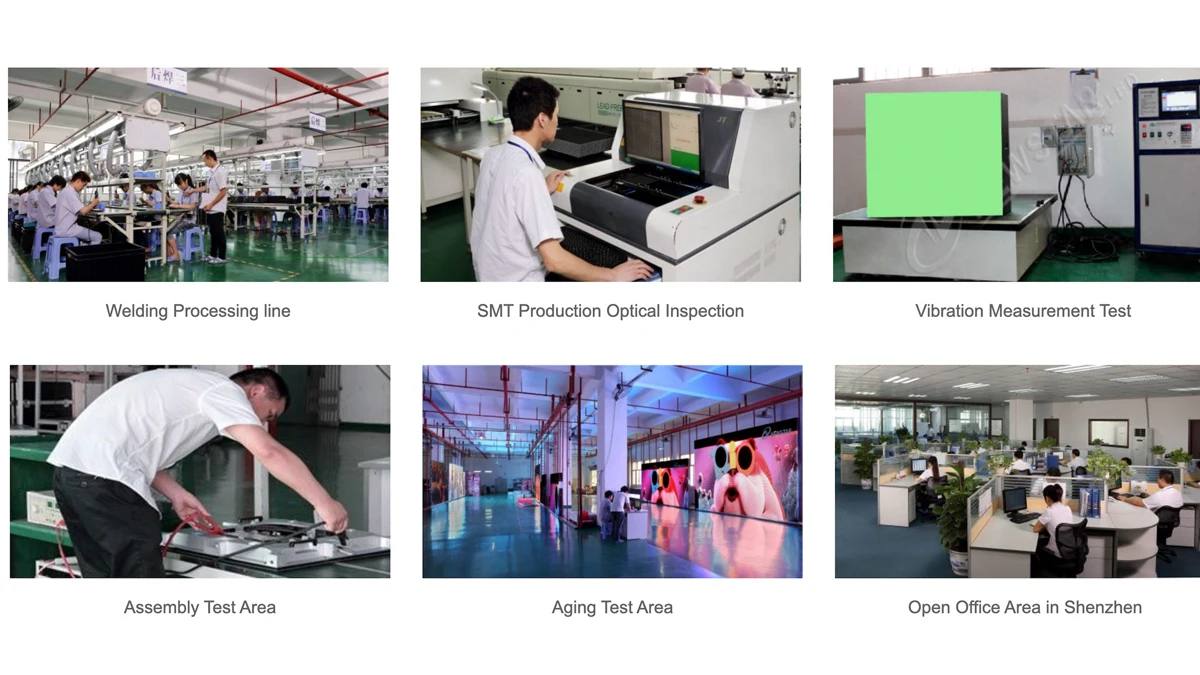
Shenzhen Matrix Displays Co., Ltd.
- Trading Company
- Guangdong, China
- Lead time0 days
- Avg. response≤ 7h
Main productsLED Displays, LED Dance Floor, LED Lighting
Main marketsNorth America(20.00%), Western Europe(20.00%), South America(15.00%), Oceania(10.00%), Eastern Europe(10.00%), Southeast Asia(10.00%), Southern Europe(5.00%), Northern Europe(5.00%), Mid East(5.00%)
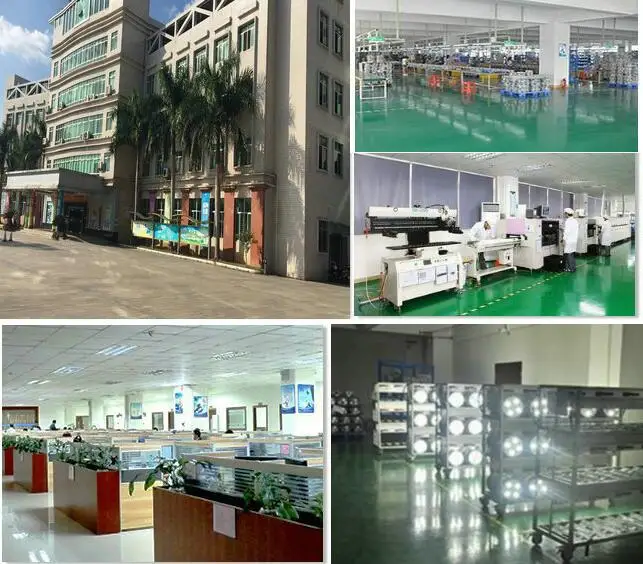
Green Lantern Optoelectronic Light Factory
- Manufacturer, Trading Company
- Guangdong, China
- Lead time7 days
- Avg. response≤ 7h
Main productscamping lanetern,head lamp,flashlight,led strip light,led night light
Main marketsWestern Europe(17.00%), Southern Europe(13.00%), Domestic Market(12.00%), Mid East(10.00%), Central America(9.00%), Northern Europe(8.00%), South America(8.00%), North America(7.00%), Eastern Asia(5.00%), Eastern Europe(5.00%), South Asia(2.00%), Africa(1.00%), Southeast Asia(1.00%)
- Manufacturer, Trading Company
- Lead time旺季: "1 - 100":7,"> 100":"To be negotiated", 淡季: "1 - 100":7,"> 100":"To be negotiated"
- Avg. response≤ 3h
Main productsElectronic Signs, LED Illuminated Sign, Door Sign/Pylon Sign, Marquee Number/Light Box, Neon Lights/Neon Sign

Guangzhou Geliang Lighting Technology Co., Ltd.
- Verified by SGS
- Combined
- China Guangdong
- Lead time15 days
- Avg. response≤ 6h
Main productsLED Stage Light/Stage Lighting, LED Stage Lighting, LED Dance Floor, DMX Controller, LED Indoor and Outdoor Display Screen, LED PAR Can/LED PAR Light, Moving Head Light, LED Wall Washer, LED DMX Tube, LED Moving Head Light
Main marketsAfrica,Southeast Asia/ Mideast,Europe,Australia,North America

Sunfrom Pro Lighting Equipment Co., Ltd.
- Manufacturer/Factory
- China Guangdong
- Lead time15 days
- Avg. response≤ 3h
Main productsLED Dance Floor, LED Display Screen, Transparent LED Screen, LED Wireless Dance Floor, LED Moving Head, Moving Head, LED Screen, Rental LED Screen, LED Video Dance Floor, LED Interactive Dance Floor Screen
Main marketsEastern Europe,Mid East,North America,Western Europe,Africa


Wedding Portable Dancing Magnetic Infinity Party Light up LED 3D Dance Floor
$42.90 - $46.90
MOQ: 10 Pieces


New Design Disco Wedding Party Stage Decoration RGB Portable 3D LED Dance Floor for Sale
$45.00 - $55.00
MOQ: 50 Pieces
Shenzhen Jingcan Opto-Tec Co., Ltd.
- Verified by SGS Group
- Trading Company
- Lead time10 days
- Avg. response≤ 2h
Main productsLED Display, LED Module, LED Cabinet, LED Signboard, LED Accessories
Main marketsOceania(30%), Eastern Europe(15%), Southeast Asia(10%)
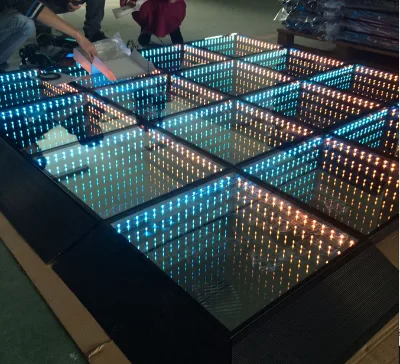
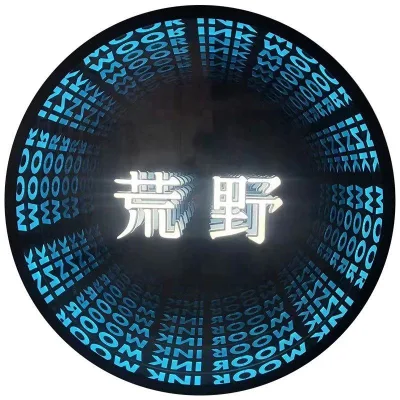
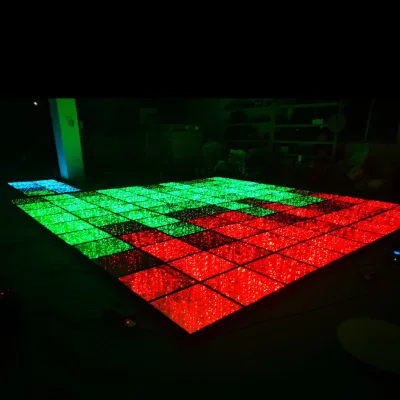
$288.6846 - $293.8398
MOQ: 1 pieces
Guangzhou Tianlang Advertising Equipment Co., Ltd.
- Verified by SGS Group
- Manufacturer, Trading Company
- Lead time15 days
- Avg. response≤ 1h
Main productsAdvertising Light Box, LED Lighting Equipment, Exhibition Display Equipment, Poster Printing
Main marketsNorth America(30%), Eastern Europe(10%), Northern Europe(10%)

Anhui Baoyang Lighting Technology Co., Ltd.
- Verified by SGS
- Trading Company,Manufacturer/Factory,Group Corporation
- China Anhui
- Lead time15 days
- Avg. response≤ 4h
Main productsLED Wall Light, LED Flood Light, LED Wall Washer, LED Brick Light, LED Garden Light, LED Solar Light, LED Pixel Light, LED Street Light, LED Pendant Light, Spc Flooring
Main marketsSouth America,Eastern Europe,Mid East,North America,Southeast Asia,Eastern Asia,Oceania,Western Europe,Africa

Activate Game LED Floor/Portable Dance Floor/Interactive LED Dance Floor
$16.50 - $45.43
MOQ: 50 pieces

20W 3D Interactive LED Floor LED Dancing Floor DJ Lighting Dance Floor for Party
$26.95 - $45.43
MOQ: 20 pieces

Wedding Portable 3D Abyss LED Interactive Dance Floor Light Infinity Mirror Wired LED Dance Floor
$25.10 - $35.20
MOQ: 5 pieces


Colorful Light up Dance Floor Illuminated Interactive LED Dance Floor with LED Light Panel
$18.55 - $45.56
MOQ: 100 pieces

Activate Game LED Floor 30X30cm Interactive Light Active Game Interactive LED Dance Floor
$18.96 - $42.55
MOQ: 50 pieces
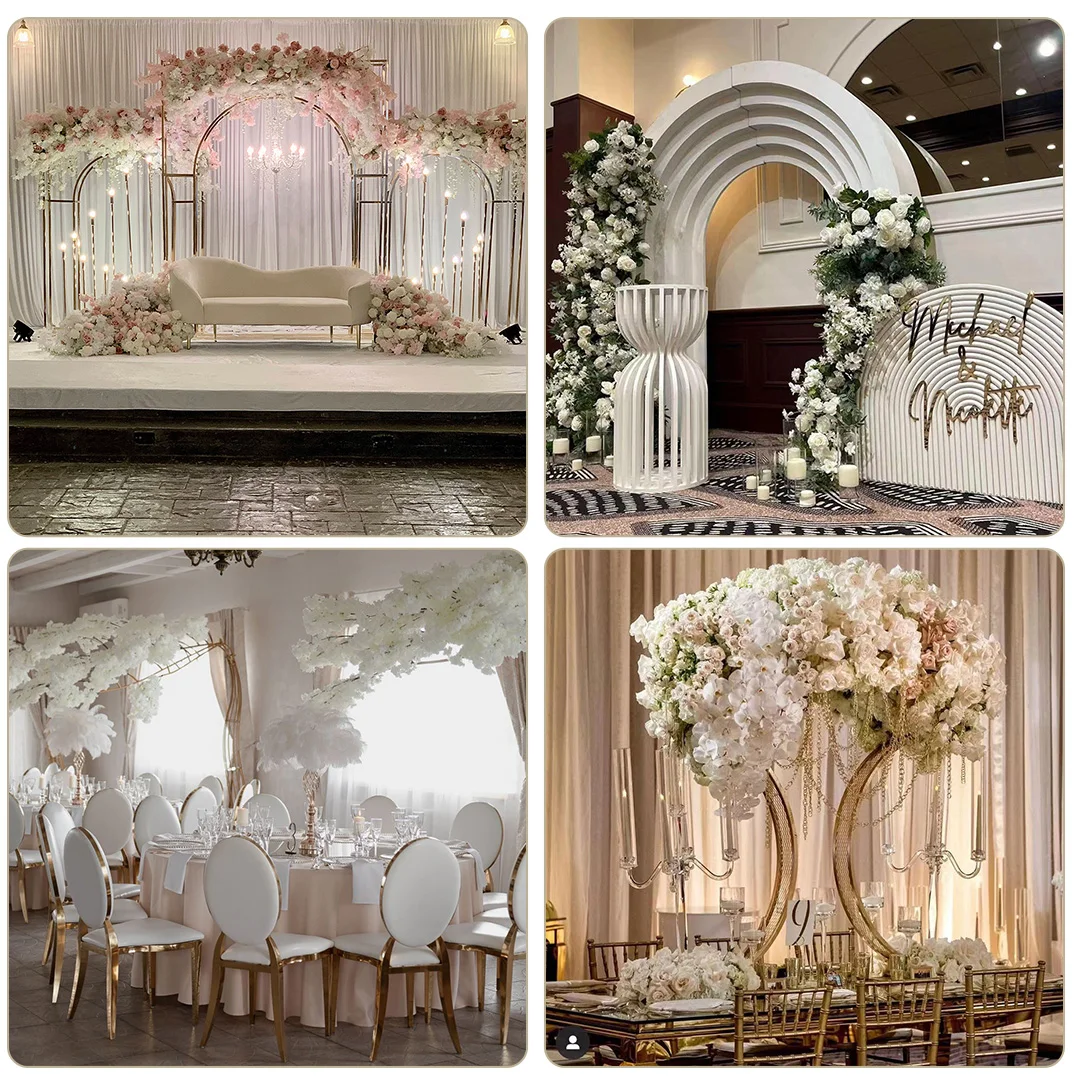
Foshan Zhongyi Furniture Co., Ltd.
- Manufacturer, Trading Company
- Guangdong, China
- Lead time15 days
- Avg. response≤ 3h
Main productsWedding Backdrop, Decorative Flowers, Table Centerpieces, Event Furniture, Banquet Chair And Table
Main marketsNorth America(48.00%), Eastern Europe(22.00%), Domestic Market(20.00%), Oceania(10.00%)
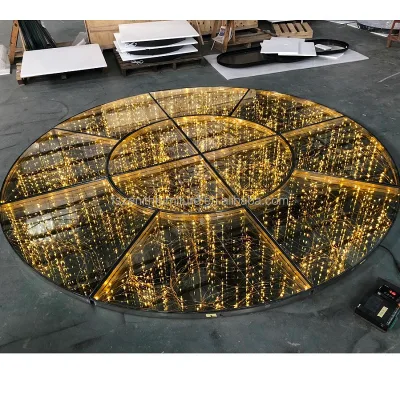
Wedding Portable Rgb Light Dance Floor Interactive 3d Led Dance Floor for Party Events
$685.00 - $860.00
MOQ: 1
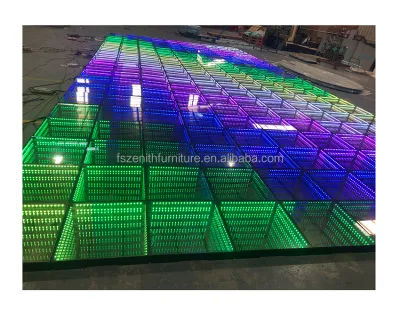
Wedding Stage Magnetic Disco Digital Lighting Pixel Dancing Floor 3D Infinity Mirror Led Dance Floor
$53.7992 - $56.9019
MOQ: 2 pieces
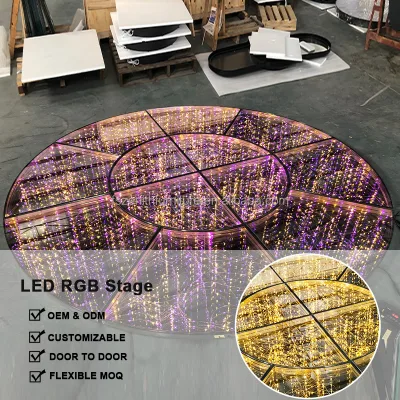
Portable Dance Floor 3D Infinite Party Stage Led Dance Floor Light Stage Wedding Led Floor to Dance
$706.2451 - $886.6717
MOQ: 2 pieces
Huizhou City Huiyang District Zhenglong Huajun Crafts Products Factory
- Verified by SGS Group
- Manufacturer, Trading Company
- Lead time5 days
- Avg. response≤ 2h
Main productsLED Decoration Lights, LED Furniture, LED Outdoor Lights, LED Kids Product, LED Traffic Lights
Main marketsNorth America(18%), Western Europe(15%), Mid East(13%)

- Verified by TUVRHEINLAND
- Combined
- China Guangdong
- Lead time30 days
- Avg. response≤ 8h
Main productsOutdoor LED Display, Indoor LED Display, Outdoor Rental LED Display, Indoor Rental LED Display, Perimeter LED Display, Super HD LED Display, LED Modules, Curtain LED Display, Outdoor Front Access LED Display, Creative LED Display
Main marketsEurope
- Verified by TüVRheinland
- Trading Company
- Lead time5 days
- Avg. response≤ 2h
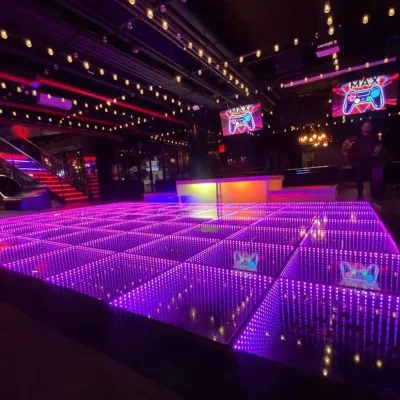
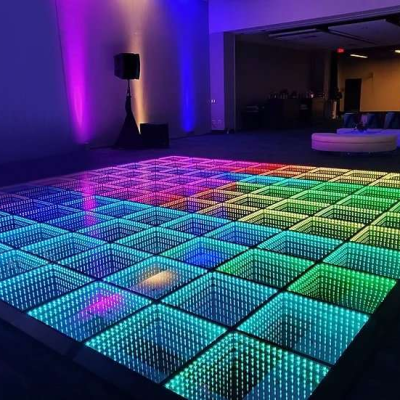
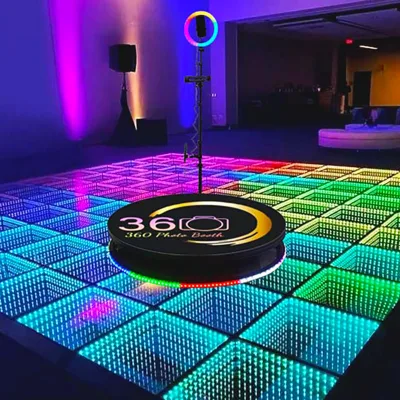
Main productsLED Display Screen, LED Dance Floor, 360 Photo Booth, Inflatable Bounce House
Main marketsNorth America(60%), South America(6%), Eastern Europe(6%)
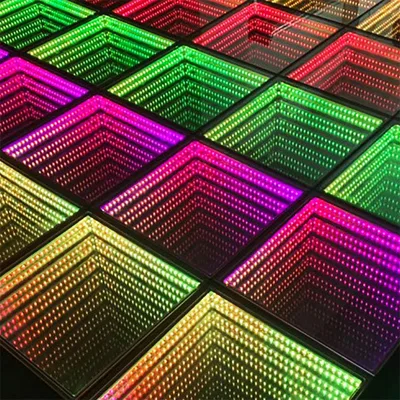
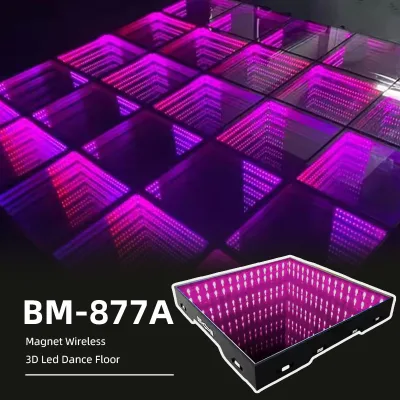
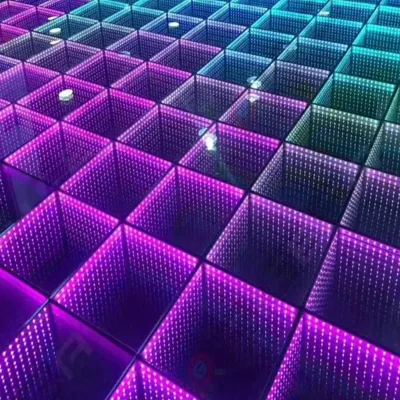
$158.00 - $568.00
MOQ: 1 sets
Guangzhou Hongyun Optoelectronic Equipment Co., Ltd.
- Manufacturer, Trading Company, Distributor/Wholesaler
- Guangdong, China
- Lead time0 days
- Avg. response≤ 10h
Main productsled dance floor,moving head light,stage light,effect machine
Main marketsNorth America(30.00%), South America(20.00%), Mid East(5.00%)
Meto Laser Technology (henan) Co., Ltd.
- Verified by SGS Group
- Trading Company
- Lead time10 days
- Avg. response≤ 3h
Main productsLed Display Screen, LED Dance Floor, Mirror Photo Booth, Magazine Photo Booth Box, Overhead 360 Photo Booth
Main marketsNorth America(70%), Western Europe(10%), Eastern Europe(5%)

ShenZhen ibestwork Technology Co., Ltd.
- Manufacturer/Factory
- China Guangdong
- Lead time15 days
- Avg. response≤ 7h
Main productsLED Entertainment Lighting, LED Building Lighting, LED Stage Light, RGB LED Tube, LED Digital Bar, LED 3D Ball, RGB LED Pixel Light
Main marketsEastern Europe,North America,Southeast Asia,Eastern Asia,Western Europe

LED Dance Floor Magnetic Wedding Party Eventos Fiestas 3D Infinity Mirror LED Portable Dance Floor
$18.50 - $21.00
MOQ: 1 Pieces


LED 3D Dance Floor White Modular Interactive Wedding LED Dancing Floor 15W Party Decoration Light
$19.10 - $20.00
MOQ: 1 Pieces


Guangzhou Huadu Top Stage Light Equipment Factory
- Verified by TüVRheinland
- Manufacturer, Trading Company
- Lead time15 days
- Avg. response≤ 3h
Main productsLED Dance Floor, LED Screen
Main marketsNorth America(30%), Eastern Europe(15%), South America(10%)
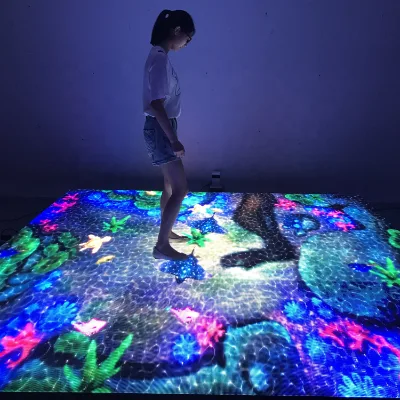
Interactive Starlit Twinkle 3d Sea Led Dance Floor Wireless
$289.00 - $402.00
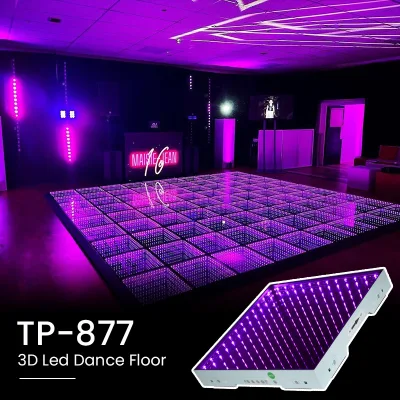
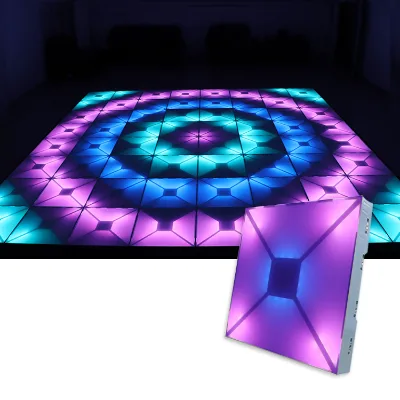
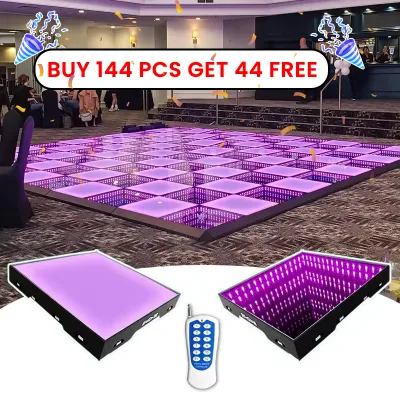
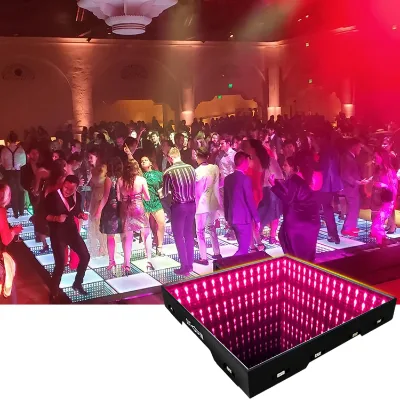
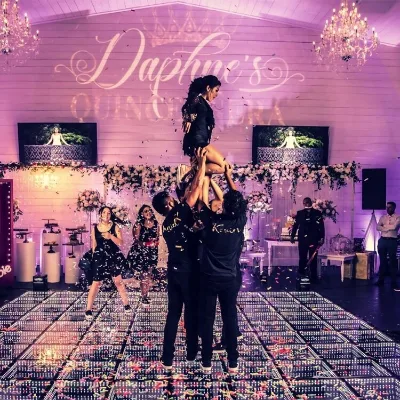
$46.2055 - $71.6689
MOQ: 2 pieces

sz hongking stage equipment co., ltd.
- Verified by TUVRHEINLAND
- Combined
- China Guangdong
- Lead time15 days
- Avg. response≤ 4h
Main productsFull Color LED Display, Indoor LED Display, Outdoor LED Display, Rental LED Display, Outdoor SMD LED Display, Outdoor DIP LED Display, Full Color LED Display Module, Single Color LED Display Module, Transparent LED Display, Advertising LED Screen
Main marketsSouth America,Africa,Others(foreignTradeCapacity.exportBusinessCapacityMarketOther),Southeast Asia/ Mideast,East Asia(Japan/ South Korea),Europe,Australia,North America


$280.00 - $320.00
MOQ: 1 Sets
- Verified by Intertek
- Manufacturer, Trading Company
- Lead time15 days
- Avg. response≤ 2h
Main productsLED Point Light, LED Wall Washer Light, LED Flood Light, Permanent Christmas Light, LED Control Box
Main marketsNorth America(85%), Southeast Asia(10%), Mid East(5%)
- Verified by SGS Group
- Manufacturer, Trading Company
- Lead time15 days
- Avg. response≤ 2h
Main productsDance Floor, Stage, Stage Lighting, Pipe Drape
Main marketsNorth America(50%), Southeast Asia(10%), Eastern Europe(5%)
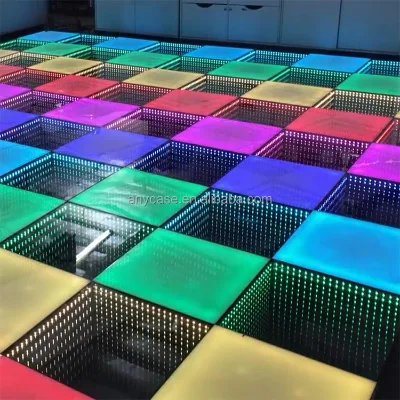
Led Mirror Infinity 3d Dance Floor Wireless Magnetic Dance Floor Panels for Sale
$63.00 - $65.00
MOQ: 10
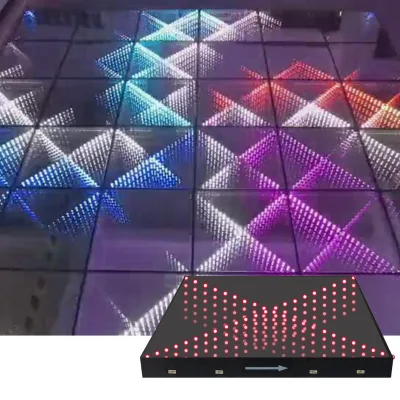
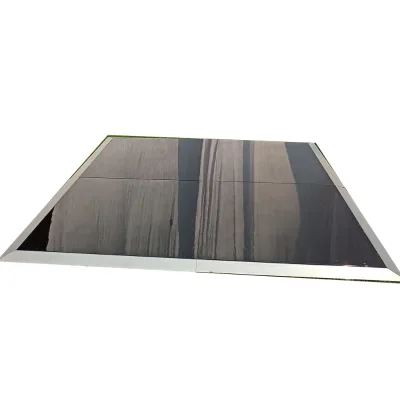
Premium Modern LED Dance Floor with Special Effects New Stage Decorations for Weddings
$55.00 - $58.00
MOQ: 10

Shenzhen Jingcan Opto-Tec Co., Ltd.
- Trading Company
- China Guangdong
- Lead time15 days
- Avg. response≤ 3h
Main productsLED Display Screen, LED Module, Full Color LED Screen, LED Signboard, LED Pharmacy Cross, LED Taxi Sign, Transparent LED Screen, Flexible LED Display, Arc LED Display, LED Strip
Main marketsEurope,Australia,North America

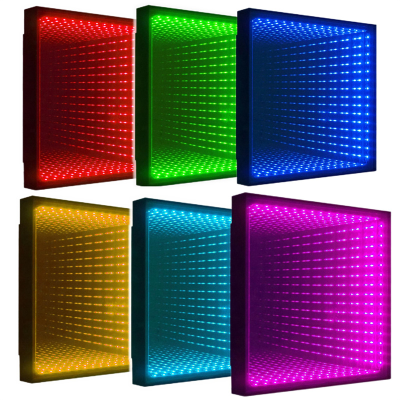
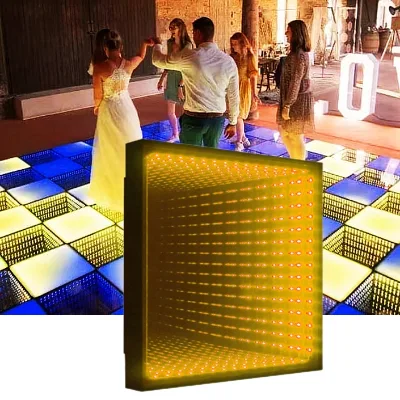
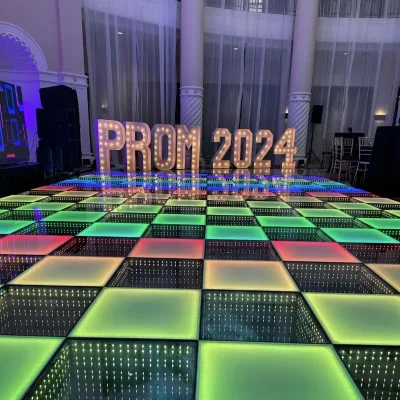
Wireless Control Infinity 3D Mirror Lighted LED Dance Floor for Wedding Party Stage
$40.00 - $45.00
MOQ: 1 Pieces





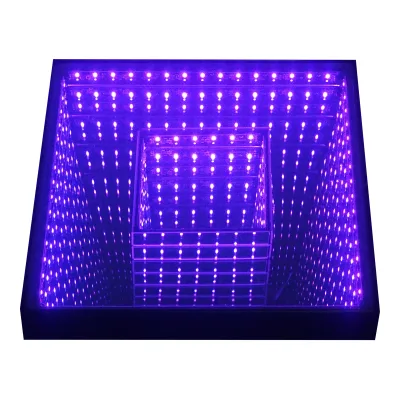
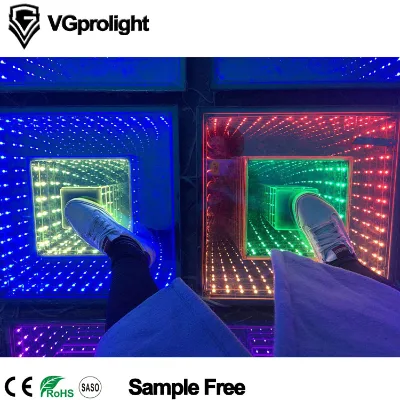
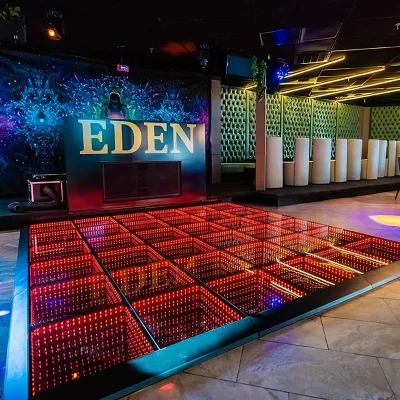
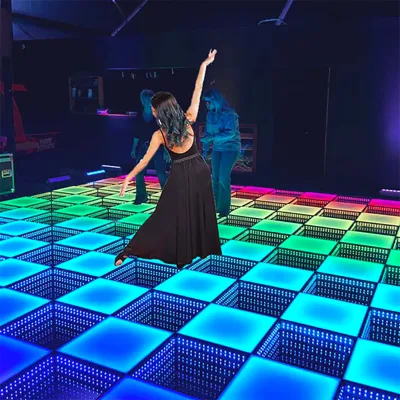
Comprehensive Sourcing Guide
3D Logo LED Dance Floor Supplier Concentration and Factory Types
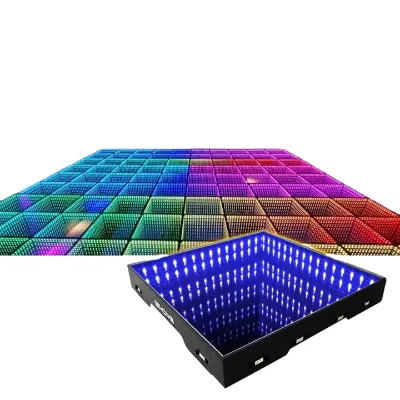
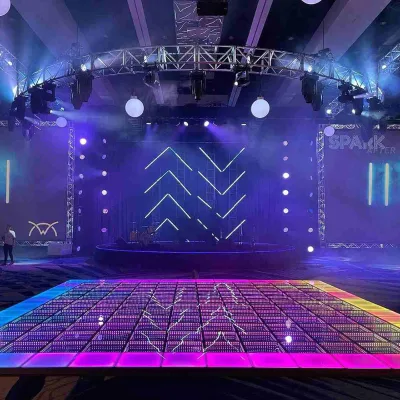
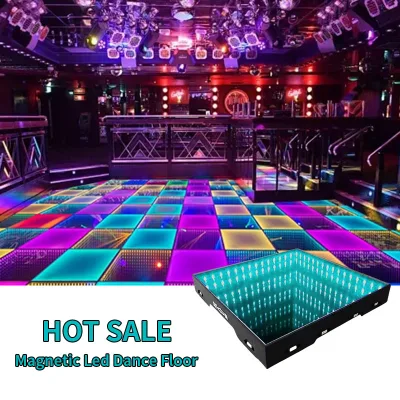
The current supplier landscape for 3D logo LED dance floors reveals a distinct concentration of manufacturing activity within China, specifically in the Guangdong region. This geographic clustering is significant because it indicates a mature supply chain ecosystem where specialized components, such as high-brightness LEDs, toughened glass, and complex control systems, are readily available. Buyers evaluating potential partners should recognize that suppliers located in this area often benefit from established logistics networks and a dense network of sub-suppliers, which can facilitate faster production cycles and more competitive pricing structures. The presence of these manufacturers in Guangdong suggests that buyers will likely encounter a high volume of options, ranging from small-scale workshops to large-scale industrial facilities, all competing for market share in the professional lighting and event equipment sectors.
Within this regional cluster, the supplier types vary significantly, primarily falling into two categories: manufacturers and combined entities. The data indicates that some suppliers operate strictly as manufacturers, focusing on the direct production of items like DMX LED tube lights, bar lights, and strip lights, which are integral to the construction of dance floor systems. These entities often possess specific system certifications, such as a Declaration of Conformity, which underscores their capability to manage the technical aspects of production in-house. In contrast, other suppliers are classified as combined entities, which may blend trading operations with manufacturing capabilities. These combined suppliers might offer a broader array of main products, including LED star cloths, video curtains, and moving head lights, suggesting a one-stop-shop approach for event organizers who require multiple lighting and flooring solutions from a single source. Understanding this distinction is crucial for buyers to determine whether they need a dedicated production partner or a diversified sourcing agent.
How to Verify 3D Logo LED Dance Floor Suppliers
Verification is a critical step in mitigating risk when sourcing 3D logo LED dance floors, as the visual appeal of the product can sometimes mask underlying quality or compliance issues. Buyers should prioritize suppliers who have undergone third-party verification processes, as this provides an additional layer of confidence regarding the legitimacy and operational capacity of the business. For instance, some suppliers in the current results have been verified by TÜV Rheinland, a globally recognized testing and certification organization. This specific verification status serves as a strong indicator that the supplier has met certain rigorous standards for business operations and product quality. However, buyers must not assume that all suppliers possess this level of verification; therefore, it is essential to actively check the verification badge or status on each supplier’s profile before initiating any serious negotiations or placing orders.
Beyond third-party verification, buyers should scrutinize the specific certifications listed for the products themselves, as these are often more relevant to the end-use of the dance floors. The product evidence shows that many 3D mirror and LED dance floors carry CE, RoHS, and GS certifications. These marks indicate compliance with European safety, environmental, and health standards, which are particularly important if the dance floors are intended for use in international markets or large-scale public events. Buyers should request copies of these certificates to ensure they are valid and correspond to the specific models being considered. Additionally, the presence of a Declaration of Conformity for certain LED lighting components suggests that the supplier is aware of regulatory requirements. It is advisable to cross-reference these certifications with the supplier’s claimed capabilities to ensure consistency, as a mismatch between claimed certifications and actual product attributes can be a red flag for potential quality control issues.
What to Compare Across 3D Logo LED Dance Floor Suppliers
When evaluating multiple suppliers for 3D logo LED dance floors, buyers must compare a range of operational and product-specific metrics to identify the best fit for their needs. One of the most critical factors is the lead time, which directly impacts project planning and event scheduling. The data indicates that some suppliers offer a lead time of approximately 15 days, which is a reasonable timeframe for custom or semi-custom lighting equipment. However, buyers should not assume this is a universal standard; lead times can vary significantly based on order volume, customization requirements, and current production loads. Comparing lead times across different suppliers allows buyers to assess reliability and plan for potential delays, ensuring that their events are not compromised by late deliveries. It is also important to inquire about expedited shipping options if the standard lead time does not align with tight project deadlines.
Another key dimension for comparison is the Minimum Order Quantity (MOQ) and the associated pricing structure. The product evidence reveals a wide range of MOQs, from as low as one unit for certain models to twenty units for others. This variability is crucial for buyers who may be testing the market with a small order or planning a large-scale installation. Suppliers with lower MOQs offer greater flexibility for startups or smaller events, while those with higher MOQs may offer more competitive per-unit pricing for bulk purchases. Additionally, buyers should compare the price ranges, which in the current results span from approximately $28 to $58 per unit, depending on the specific model and features. It is essential to ensure that the price includes all necessary components, such as controllers, power supplies, and packaging, to avoid hidden costs. By systematically comparing these factors, buyers can make informed decisions that balance cost, quantity, and delivery speed.
Common 3D Logo LED Dance Floor Sourcing Risks
Sourcing 3D logo LED dance floors involves several inherent risks that buyers must proactively manage to ensure a successful procurement process. One significant risk is the discrepancy between product specifications and actual delivery, particularly regarding durability and performance. The product evidence highlights various materials, such as toughened glass and acrylic, with different weight and size specifications. For example, some panels weigh 10kg while others are 40kg, which can impact shipping costs and installation requirements. Buyers must verify that the materials and construction quality match the advertised specifications, as inferior materials can lead to premature failure or safety hazards during use. Additionally, the IP rating, which is listed as IP20 for some models, indicates that these floors are not suitable for outdoor use without additional protection. Misunderstanding these ratings can lead to product damage and customer dissatisfaction, so buyers must carefully review the usage conditions and environmental ratings before finalizing their orders.
Another common risk is the complexity of control systems and compatibility issues. The dance floors often feature advanced control modes, including DMX512, PC control, and sound activation, which require specific technical knowledge to operate effectively. Buyers must ensure that the control systems provided by the supplier are compatible with their existing lighting and sound equipment. The product evidence mentions PC controllers that can be reprogrammed, which offers flexibility but also requires technical support. If the supplier does not provide adequate documentation or support, buyers may struggle to program the desired effects, such as 3D mirror abyss animations or video displays. Furthermore, the lifetime of the LEDs, ranging from 50,000 to 100,000 hours, is a critical factor for long-term reliability. Buyers should verify these claims through independent testing or customer reviews, as inflated lifetime claims can lead to unexpected maintenance costs and operational disruptions.
3D Logo LED Dance Floor Regional Sourcing and Logistics
The regional concentration of suppliers in Guangdong, China, offers distinct advantages for sourcing 3D logo LED dance floors, particularly in terms of logistics and supply chain efficiency. This region is a global hub for electronics and lighting manufacturing, which means that buyers can benefit from a well-developed infrastructure for exporting goods. The proximity to major ports and logistics providers facilitates faster and more cost-effective shipping options. However, buyers must also consider the implications of this geographic concentration, such as potential bottlenecks during peak seasons or global supply chain disruptions. Understanding the logistics landscape is essential for planning shipments and managing inventory levels. Buyers should work closely with their suppliers to determine the most efficient shipping methods, whether by sea, air, or express courier, depending on the urgency and size of the order.
Logistics planning also involves careful consideration of packaging and handling requirements. The product evidence indicates that dance floors are typically packed in cartons or flight cases, which are designed to protect the delicate LED components and glass surfaces during transit. Buyers must ensure that the packaging is robust enough to withstand long-distance shipping, especially if the goods are being transported internationally. Additionally, the weight and dimensions of the packages, which can vary significantly between models, will impact shipping costs and handling requirements. For instance, heavier panels may require special handling equipment at the destination, while larger packages may incur higher freight charges. Buyers should request detailed packing lists and dimensions from their suppliers to accurately calculate shipping costs and plan for warehouse storage. By addressing these logistical details early in the sourcing process, buyers can minimize risks and ensure a smooth delivery experience.
3D Logo LED Dance Floor Commercial Terms and Order Planning
Effective order planning for 3D logo LED dance floors requires a thorough understanding of commercial terms and payment structures. Buyers should negotiate clear terms regarding payment methods, such as using escrow services to protect their funds until the goods are received and verified. The response time of suppliers, which is listed as approximately 3.31 days in the current results, is another important factor to consider. A faster response time can indicate a more responsive and customer-oriented supplier, which is beneficial for resolving issues quickly. However, buyers should not rely solely on response times; they should also assess the quality and relevance of the responses to ensure that the supplier understands their specific requirements. Establishing a clear communication channel with the supplier is essential for managing expectations and ensuring that the order proceeds smoothly.
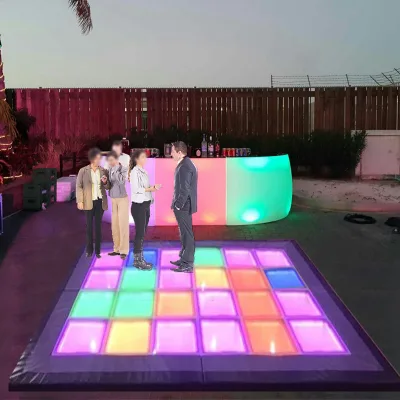
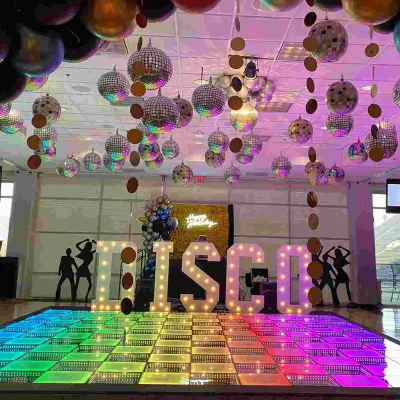
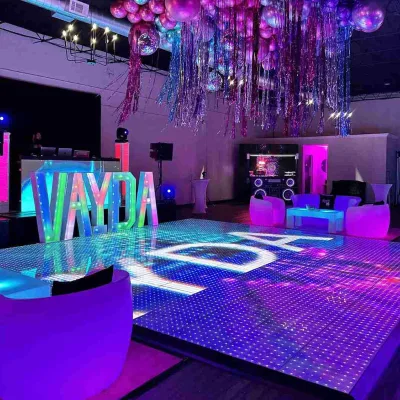
Customization is a key feature of many 3D logo LED dance floors, with suppliers offering available customization options for logos, colors, and effects. Buyers must provide detailed specifications for any customizations to avoid misunderstandings and ensure that the final product meets their expectations. The product evidence shows that customization is available for various models, but buyers should confirm the additional costs and lead times associated with these customizations. Additionally, warranty terms, such as the one-year warranty mentioned for some products, should be clearly defined in the contract. Buyers should also inquire about after-sales support, including technical assistance and spare parts availability, to ensure long-term satisfaction. By carefully planning the commercial terms and customization details, buyers can secure a reliable supply of high-quality 3D logo LED dance floors that meet their specific needs.
FAQs
What is the price range for 3D LED dance floors?
Prices typically range from $28 to $58 per panel depending on specifications. Basic models start around $28, while premium options with higher brightness or specific certifications cost up to $58. Buyers should verify exact pricing based on quantity and customization needs.
What certifications do these dance floors have?
Most units carry CE, RoHS, and GS certifications for safety and compliance. Some products may only list CE and RoHS. Buyers should request specific certification documents for each model to ensure they meet local regulatory standards for their intended market or event type.
What is the minimum order quantity for these panels?
MOQs vary significantly, ranging from 1 piece to 20 pieces. Some suppliers accept single units for testing, while others require a minimum of 20 for standard pricing. Buyers should confirm the MOQ with the supplier before placing an order to avoid surprises.
How long is the production lead time?
The standard lead time is approximately 15 days for production. This duration may vary based on order volume and customization requirements. Buyers should confirm the exact timeline with the supplier to ensure timely delivery for their specific event or project schedule.
Are these dance floors suitable for outdoor use?
Many models are rated for indoor, outdoor, and semi-outdoor usage. However, IP ratings vary, with some units rated IP20, which is not waterproof. Buyers must check the specific IP rating and material, such as toughened glass or acrylic, for outdoor suitability.
What is the expected lifespan of the LED panels?
Lifespan typically ranges from 50,000 to 100,000 hours. Some high-end models claim a lifetime of over 100,000 hours. This longevity ensures reliable performance for frequent use in events, clubs, or permanent installations without frequent replacement needs.
Can these floors be customized for specific events?
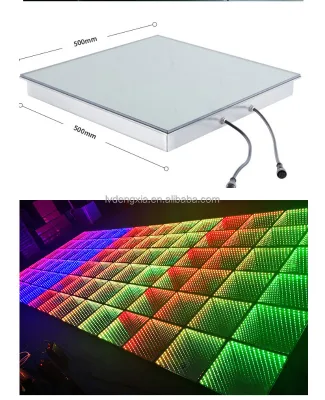
Customization is available for most models, including size, graphics, and control modes. Buyers can choose from DMX512, sound active, or PC control options. Specific dimensions like 50x50cm or 60x60cm are standard, but custom sizes may be requested for unique setups.