Indoor Outdoor Rental Led Display Suppliers and Manufacturers
Compare 32 verified suppliers offering Indoor Outdoor Rental Led Display with ISO9001:2015 and ISO14001:2015 certifications. Review response times, lead times, and product specs like pixel pitch and brightness before contacting vendors for quotes; review the available evidence before requesting comparable quotations from suitable candidates.
Updated
Suppliers List

Shenzhen Zhongxian Beixin Technology Co., Ltd.
- Verified by BV
- Combined
- China Guangdong
- Lead time15 days
- Avg. response≤ 4h
Main productsDisplay Device, Electronic Products, Semiconductor Lighting Device, Electronic Measuring Instrument, LED Displays, Intelligent Control System Integration, Audio Equipment, Lighting Equipment, Digital Video Surveillance System, Stationery Equipment Rental
Main marketsEurope,North America


New Design Full Color Stage Rental Indoor Outdoor LED Display
$1065.00 - $1265.00
MOQ: 1 Square Meters

Indoor Stage LED Video Wall Screen Full Color Outdoor Rental Advertising LED Display
$356.00 - $974.00
MOQ: 1 Square Meters


- Verified by TUVRHEINLAND
- Combined
- China Guangdong
- Lead time30 days
- Avg. response≤ 9h
Main productsOutdoor LED Display, Indoor LED Display, Outdoor Rental LED Display, Indoor Rental LED Display, Perimeter LED Display, Super HD LED Display, LED Modules, Curtain LED Display, Outdoor Front Access LED Display, Creative LED Display
Main marketsEurope


P4 Indoor outdoor LED Display Screen for Rental Events for CCTV Show
$500.00 - $2800.00
MOQ: 1 Square Meters


Shenzhen Xing Guang Cai Technology Co., Limited
- Verified by CTI
- Combined
- China Guangdong
- Lead time15 days
- Avg. response≤ 5h
Main productsLED Display Screen, Indoor LED Display, Outdoor LED Screen, Small Pixel LED Display, Creative LED Display, Stage LED Display, Rental LED Display, Transparent LED Display, LED Display Control System, LED Display Power Supply
Main marketsSouth America,Africa,Southeast Asia/ Mideast,East Asia(Japan/ South Korea),Domestic,Europe,Australia,North America

Indoor Outdoor Rental LED Video Display Advertising Stage Background Fold LED Screen Display
$599.00 - $742.00
MOQ: 1 Square Meters

Outdoor Stage Rental LED Screen P3.91 Indoor Rental Stage Background LED Display
$650.00 - $680.00
MOQ: 1 Square Meters

Zhixian Lino (Shenzhen) Technology Co., Ltd
- Verified by Intertek
- Manufacturer, Trading Company
- Guangdong, China
- Lead time7 days
- Avg. response≤ 2h
Main productsLED Rental Screen , Outdoor LED Screen, Indoor LED Screen, Floor LED Screen, Transparent LED Screen
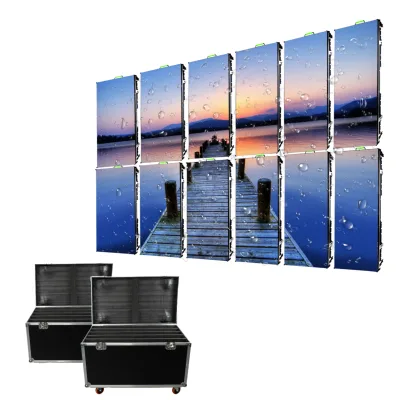
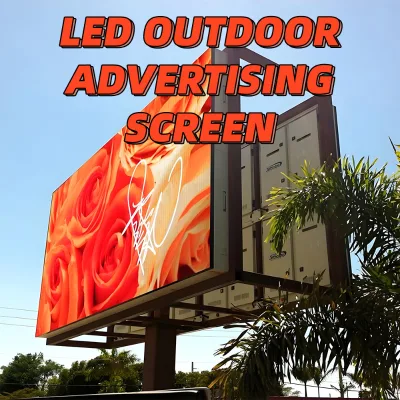
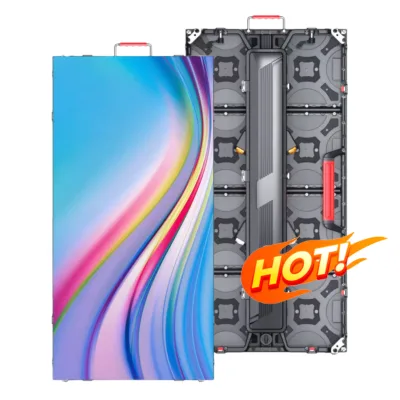
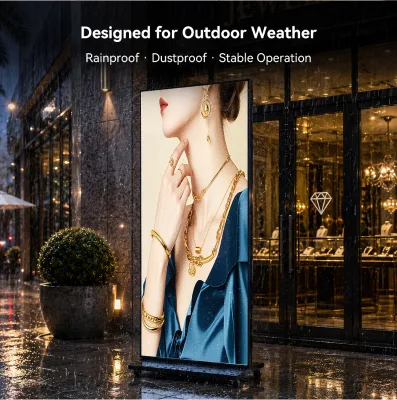
$277.2558 - $442.7818
MOQ: 1 pieces

sz hongking stage equipment co., ltd.
- Verified by TUVRHEINLAND
- Combined
- China Guangdong
- Lead time15 days
- Avg. response≤ 4h
Main productsFull Color LED Display, Indoor LED Display, Outdoor LED Display, Rental LED Display, Outdoor SMD LED Display, Outdoor DIP LED Display, Full Color LED Display Module, Single Color LED Display Module, Transparent LED Display, Advertising LED Screen
Main marketsSouth America,Africa,Others(foreignTradeCapacity.exportBusinessCapacityMarketOther),Southeast Asia/ Mideast,East Asia(Japan/ South Korea),Europe,Australia,North America


Indoor Outdoor Rental Stage LED Big Screen Background Video Wall LED Display Panel
$526.00 - $680.00
MOQ: 1 Square Meters

- Verified by TüVRheinland
- Manufacturer, Trading Company
- Guangdong, China
- Lead time7 days
- Avg. response≤ 3h
Main productsRental Led Display, Led Video Wall, Led Modules, Led Lighting
Main marketsDomestic Market(40%), Southeast Asia(10%), Mid East(8%)
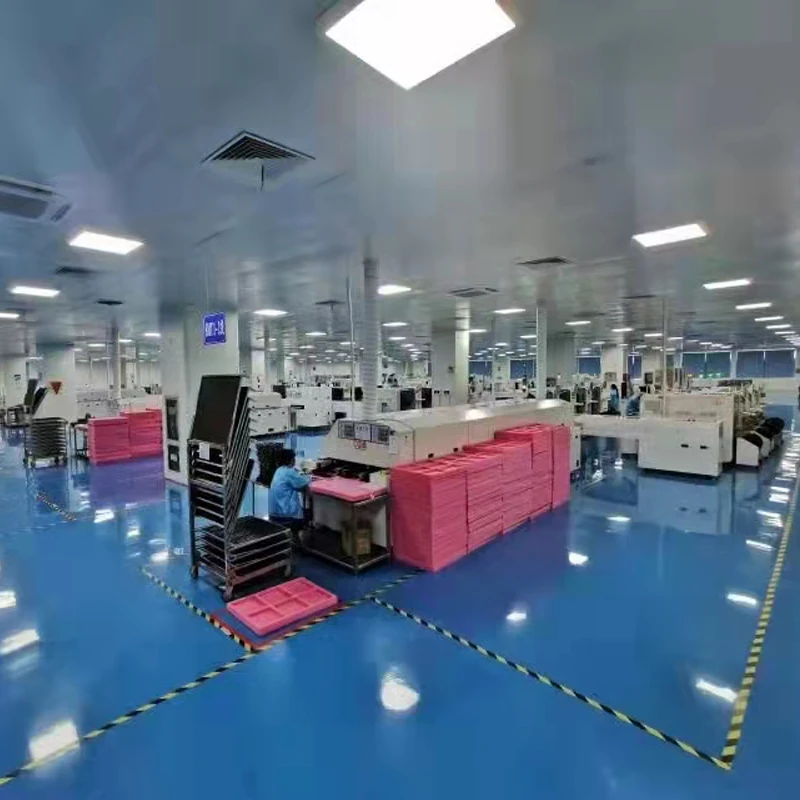
Shenzhen Chinastar Otoelectronic Co., Limited.
- Manufacturer
- Guangdong, China
- Lead time15 days
- Avg. response≤ 7h
Main productsLED Video Wall,Outdoor Led Screen,Rental LED Screen,Film Transparent Led Display,Customized Magic Led Screen
Main marketsNorth America(30.00%), Southeast Asia(30.00%), Western Europe(20.00%), South America(10.00%), Northern Europe(10.00%)
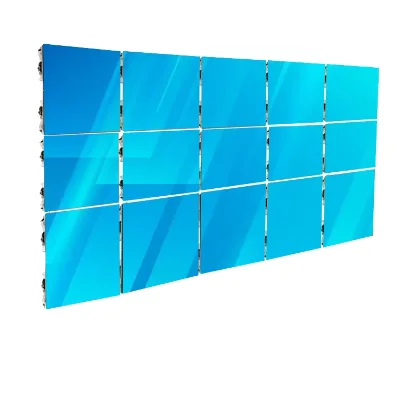
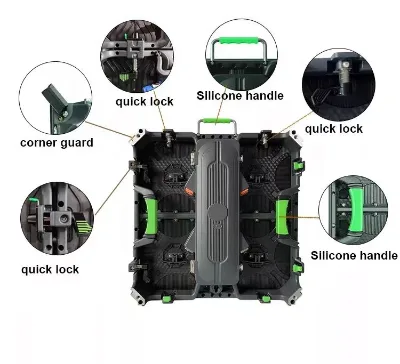
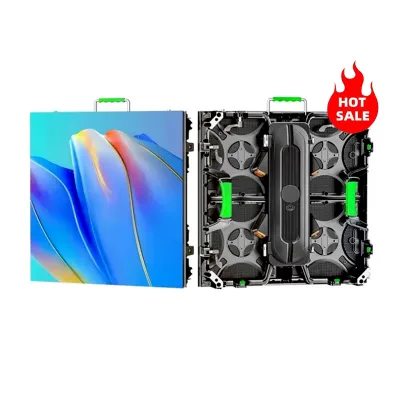
P3.91mm 500mm X 500mm High Image Quality Outdoor Rental Curved Led Display/screen P3.91
$125.00 - $138.00
MOQ: 6 pieces
$142.6186 - $172.3734
MOQ: 2 pieces
Shenzhen Abxing Industrial Co., Ltd.
- Trading Company
- Lead time旺季: "1 - 4":7,"5 - 100":15,"101 - 300":20,"> 300":"To be negotiated", 淡季: "1 - 4":7,"5 - 100":15,"101 - 300":20,"> 300":"To be negotiated"
- Avg. response≤ 1h
Main productsTransparent LED Display, Mesh LED Display, Fixed Installation LED Display, Rental LED Display, Grille LED Display
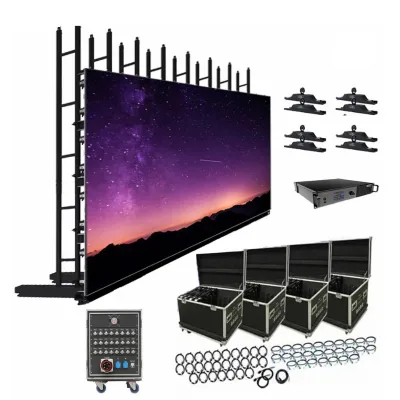
Indoor Slim Electronic Digital Panel Advertising Transparent Window P3.91 Rental Led Display
$173.00 - $193.00
MOQ: 2 pieces

Nanjing Chechi Technology Co., Ltd.
- Verified by BV
- Trading Company,Manufacturer/Factory
- China Jiangsu
- Lead time38 days
- Avg. response≤ 2h
Main productsLED Display, Outdoor LED Display, Indoor LED Display, Rental LED Display, Flexble LED Display, Transparent LED Display, LCD Display
Main marketsSouth America,Eastern Europe,Mid East,North America,Southeast Asia,Eastern Asia,Oceania,Western Europe,Africa

Full Color Rental Indoor Outdoor Advertising LED Screen Display for Store
$762.50 - $1700.00
MOQ: 1 Square Meters


Outdoor High Brightness P1.56 Stage Elegant Backdrop Rental LED Display
$1286.00 - $2821.00
MOQ: 1 Pieces

Factory Direct Portable Advertising Indoor Full Color Rental LED Screen Display
$1286.00 - $2821.00
MOQ: 1 Pieces

Outdoor High Resolution Advertising LED Display P1.56 Rental LED Screen for Event
$1286.00 - $2821.00
MOQ: 1 Pieces

Shenzhen Fionexx Technologies Ltd
- Manufacturer, Trading Company
- Guangdong, China
- Lead time3 days
- Avg. response≤ 5h
Main productsDigital Signage,Indoor Outdoor LCD Displays,Irregular LCD Display,High Brightness Window Facing Display,Outdoor LCD display
Main marketsWestern Europe(50.00%), North America(10.00%), Northern Europe(10.00%), Southern Europe(9.00%), Eastern Europe(5.00%), Southeast Asia(5.00%), Mid East(5.00%), Domestic Market(3.00%), South America(3.00%)
Shenzhen Topwill Technology Co., Ltd.
- Manufacturer, Trading Company
- Guangdong, China
- Lead time15 days
- Avg. response≤ 1h
Main productsIndoor LED Display,Outdoor LED Display,Rental LED Display,Fixed LED Display,LED Vido Wall
Main marketsNorth America(30.00%), South Asia(25.00%), Western Europe(10.00%), Eastern Asia(5.00%), South America(5.00%), Oceania(5.00%), Southern Europe(5.00%), Southeast Asia(5.00%), Mid East(2.00%), Africa(2.00%), Northern Europe(2.00%), Central America(2.00%), Eastern Europe(2.00%)
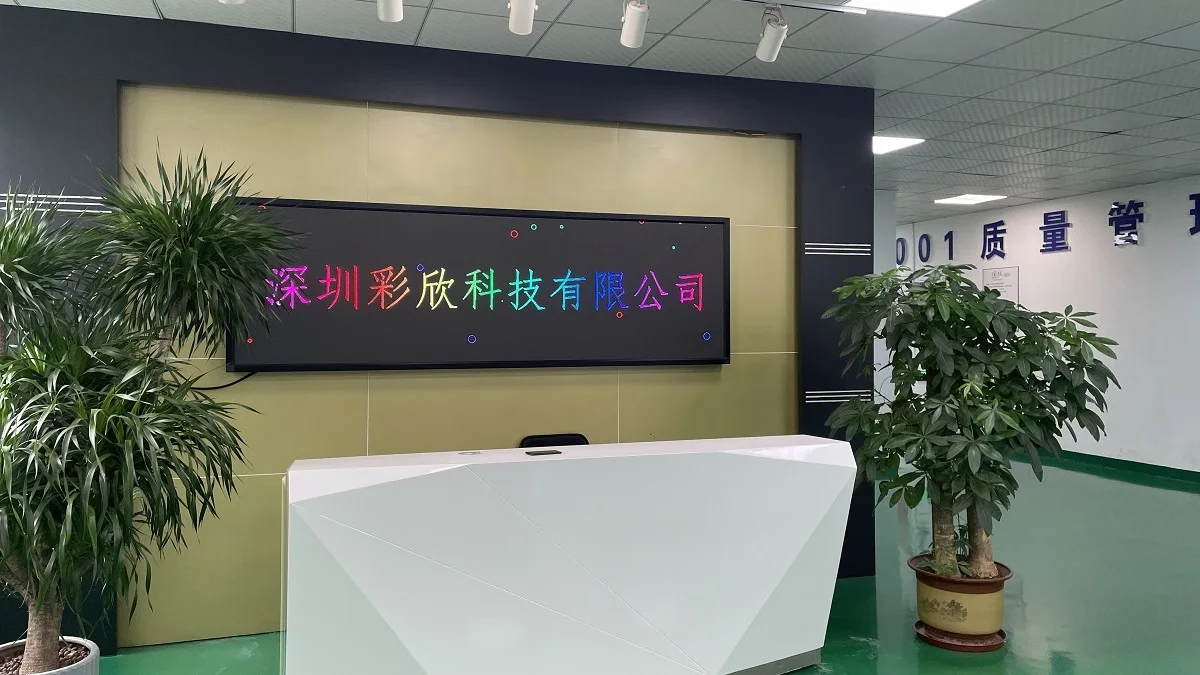
Shenzhen Caixin Technology Co., Ltd.
- Manufacturer, Trading Company
- Guangdong, China
- Lead time10 days
- Avg. response≤ 8h
Main productsLED Display, LED Display Control System, LED Display Power Supply
Main marketsDomestic Market(30.00%), North America(10.00%), Mid East(10.00%), Southeast Asia(10.00%), Eastern Asia(10.00%), South America(10.00%), Western Europe(7.00%), Eastern Europe(5.00%), South Asia(3.00%), Africa(3.00%), Oceania(1.00%), Central America(1.00%)
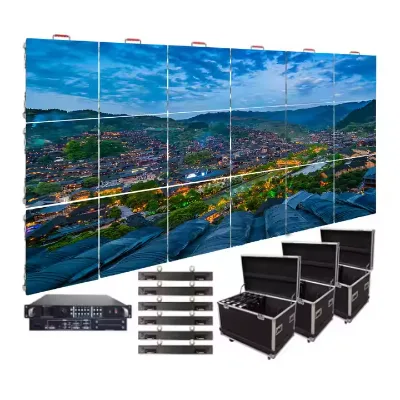
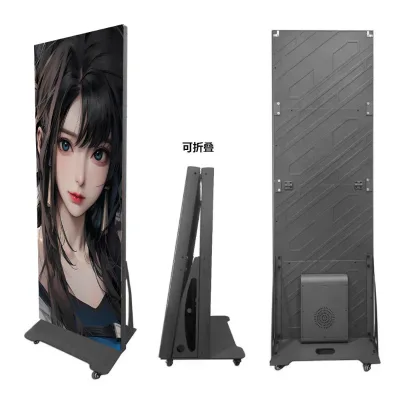
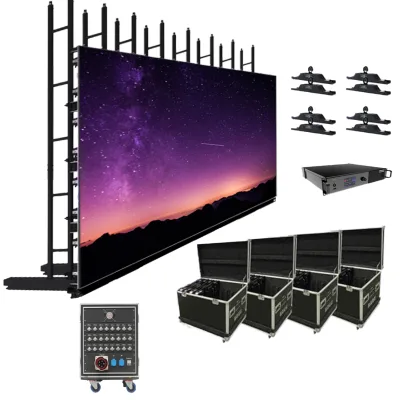
High BrightnessRental LED Display P3.91 P4.81Outdoor Live Performance LED Screen 4K LED Wall
$135.7068
MOQ: 10 Minimum
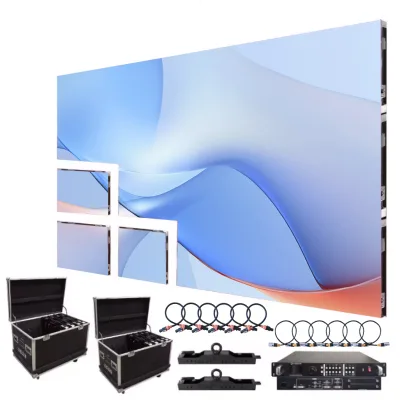
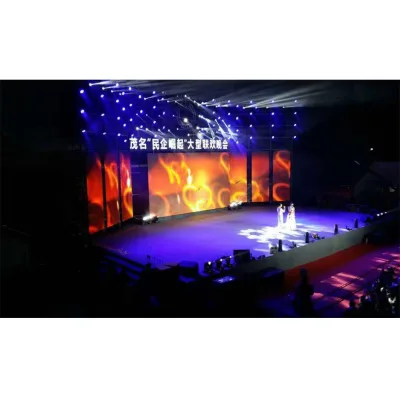
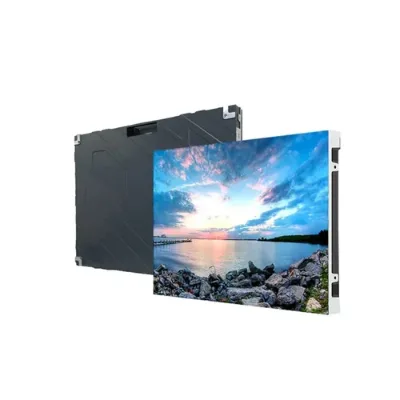
Indoor High Refresh P2.5 640x480mm 4K HDR10 500cd LED Display with Front Maintenance Cabinet
$155.6332 - $158.1918
MOQ: 6 pieces

Shenzhen Heqi Technology Co., Ltd
- Verified by SGS
- Trading Company,Manufacturer/Factory
- China Guangdong
- Lead time23 days
- Avg. response≤ 1h
Main productsLED Display, LED Screen, Indoor LED Screen, LED Poster, LED Dance Floor, LED Video Wall, LED Billboard, LED Light, Outdoor LED Screen
Main marketsSouth America,Eastern Europe,Mid East,North America,Southeast Asia,Eastern Asia,Oceania,Western Europe,Africa

Shenzhen Hopestar Sci-Tech Co., Ltd.
- Verified by SGS
- Manufacturer
- China Guangdong
- Lead time15 days
- Avg. response≤ 3h
Main productsLED Screen Factory, LED Display Factory, LED Display Screen Factory, LED Video Wall Factory, LED Screen Manufacturer, LED Display Manufacturer, Outdoor LED Screen, Indoor LED Display, Transparent LED Screen, Flexible LED Display
Main marketsEast Asia(Japan/ South Korea),Europe,North America


Indoor Outdoor LED Stage Rental Display Modular Lightweight HD Resolution Easy Installation
$490.00
MOQ: 10 Square Meters

Guangzhou Qichuang Electronic & Technology Co., Ltd.
- Verified by TUVRHEINLAND
- Trading Company,Manufacturer/Factory
- China Guangdong
- Lead time23 days
- Avg. response≤ 3h
Main productsLED Display, LED Screen, Outdoor LED Display, Indoor LED Display, LED Panel, LED Advertising Billboard, Full Color LED Display, Stage LED Display, LED Sign, LED Billboard
Main marketsSouth America,Eastern Europe,Mid East,North America,Southeast Asia,Eastern Asia,Oceania,Western Europe,Africa
Quanzhou Jiacai Electronics Co., Ltd.
- Verified by TüVRheinland
- Manufacturer, Trading Company
- Lead time5 days
- Avg. response≤ 2h
Main productsLED Display, LED Module
Main marketsNorth America(45%), South America(15%), Eastern Europe(10%)
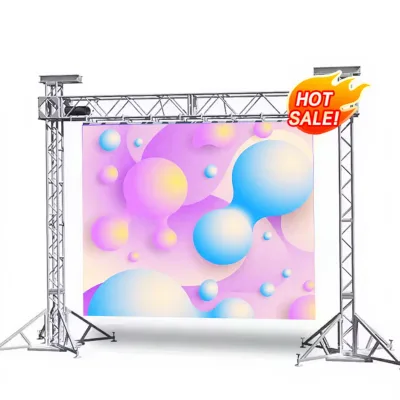
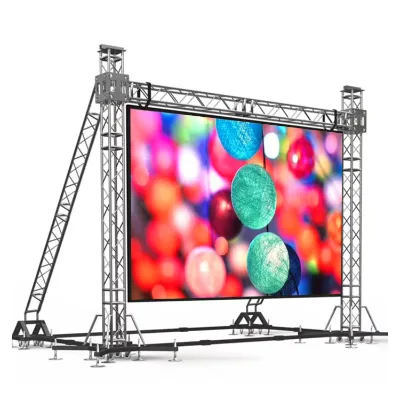
$102.4198 - $170.6986
MOQ: 1 pieces
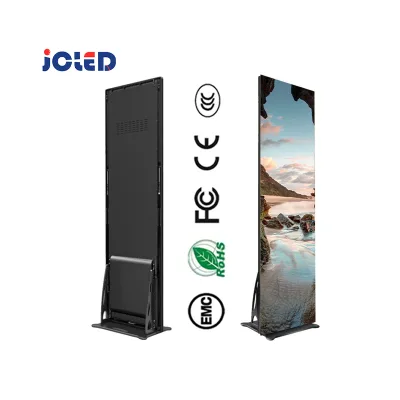
High Brightness P2 P2.5 P3 Waterproof Display Buy Full Color Hs Code Led Display Poster Led Screen
$817.2818 - $1034.5338
MOQ: 1 pieces
Shenzhen Jingjiuyuan Electronics Co., Ltd.
- Verified by Intertek
- Manufacturer, Trading Company
- Lead time7 days
- Avg. response≤ 9h
Main productsLED Module, LED Screen
Main marketsNorth America(51%), South America(18%), Eastern Europe(15%)
Shenzhen Fulida Display Co., Ltd.
- Verified by SGS Group
- Trading Company
- Lead time7 days
- Avg. response≤ 2h
Main productsLED Screens
Main marketsEastern Europe(29%), North America(25%), Southeast Asia(15%)
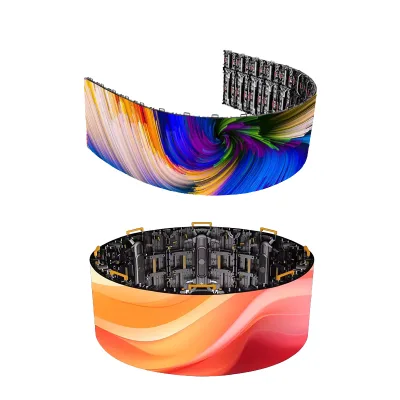
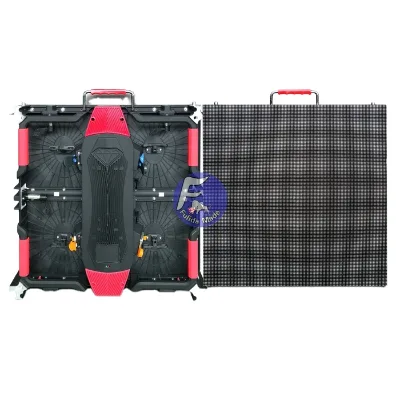
P3.91 P4.81 Shenzhen Good Price high refresh indoor rental advertising led display
$350.00 - $380.00
MOQ: 2 square
Shenzhen DDW Technology Co., Ltd.
- Manufacturer, Trading Company
- Lead time旺季: "1 - 100":15,"> 100":"To be negotiated", 淡季: "1 - 100":15,"> 100":"To be negotiated"
- Avg. response≤ 3h
Main productsRental LED Screen, COB LED Screen, Indoor Outdoor LED Screen, Transparent LED Screen, Creative LED Screen
Meto Laser Technology (henan) Co., Ltd.
- Verified by SGS Group
- Trading Company
- Lead time10 days
- Avg. response≤ 3h
Main productsLed Display Screen, LED Dance Floor, Mirror Photo Booth, Magazine Photo Booth Box, Overhead 360 Photo Booth
Main marketsNorth America(70%), Western Europe(10%), Eastern Europe(5%)

Shenzhen D-King Photoelectric Technology Co., Ltd.
- Verified by BV
- Combined
- China Guangdong
- Lead time15 days
- Avg. response≤ 3h
Main productsLED Display, LED Screen, LED Video Wall, Rental LED Display, Fixed Installation LED Display, Interactive Floor LED Display, Poster LED Display, Transparent LED Display, Light Pole LED Display, Stadium LED Display
Main marketsSouth America,East Asia(Japan/ South Korea),Europe,North America


P3.91 Outdoor LED Rental Screen for Events and Exhibitions LED Display
$150.00 - $160.00
MOQ: 1 Pieces
Aikeshi Technology Group Co., Ltd.
- Verified by SGS Group
- Trading Company
- Lead time5 days
- Avg. response≤ 1h
Main productsConference all-in-one, LCD video wall, Indoor and outdoor LED display screen, Advertising machine
Main marketsNorth America(30%), Western Europe(20%), Mid East(20%)

Shenzhen M-Shine Electronic Technology Co., Ltd.
- Manufacturer
- Guangdong, China
- Lead time25 days
- Avg. response≤ 3h
Main productsLED Display,Transparent LED display,Outdoor mesh LED display,LED screen,Irregularshape LED display
Main marketsNorth America(17.00%), Domestic Market(16.00%), Western Europe(10.00%), Eastern Europe(9.00%), Southeast Asia(8.09%), South America(8.00%), Northern Europe(6.00%), Africa(5.09%), Southern Europe(5.00%), South Asia(5.00%), Eastern Asia(5.00%), Mid East(3.00%), Oceania(2.50%)
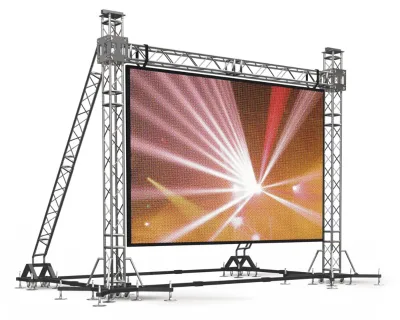
$226.0362 - $308.23
MOQ: 1 square
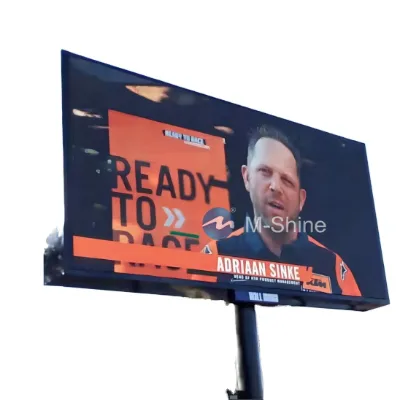
Outdoor Fixed LED Screen Advertising Led Display P5.33/P6.67/P8/P10/P16/P20 Front&Back Service
$769.5196 - $778.7533
MOQ: 1 square
Dongguan Scree Optoelectronics Co., Ltd.
- Verified by SGS Group
- Manufacturer, Trading Company
- Lead time5 days
- Avg. response≤ 2h
Main productsLED Screen, LED Module
Main marketsDomestic Market(40%), North America(25%), Mid East(15%)

- Manufacturer/Factory
- China Guangdong
- Lead time23 days
- Avg. response≤ 7h
Main productsOutdoor LED Display, Indoor LED Display, Outdoor Rental LED Display, Indoor Rental LED Screen, Window LED Display, Store LED Screen, Perimeter LED Screen, Traffic LED Sign, Creative LED Display
Main marketsSouth America,Eastern Europe,Mid East,North America,Southeast Asia,Eastern Asia,Oceania,Western Europe,Africa
Shenzhen Longcheng Photoelectric Technology Co., Ltd.
- Manufacturer, Trading Company
- Guangdong, China
- Lead time10 days
- Avg. response≤ 2h
Main productsLED Display Screen,LED Outdoor Advertising Screen,LED Stage Rental Screen,LED Small Pixel Pitch Screen,LED Indoor Display Screen
Main marketsEastern Europe(15.00%), Western Europe(10.00%), Eastern Asia(10.00%), Southeast Asia(10.00%), North America(10.00%), South America(10.00%), Domestic Market(6.00%), Northern Europe(5.00%), Central America(5.00%), South Asia(5.00%), Southern Europe(5.00%), Mid East(3.00%), Oceania(3.00%), Africa(3.00%)
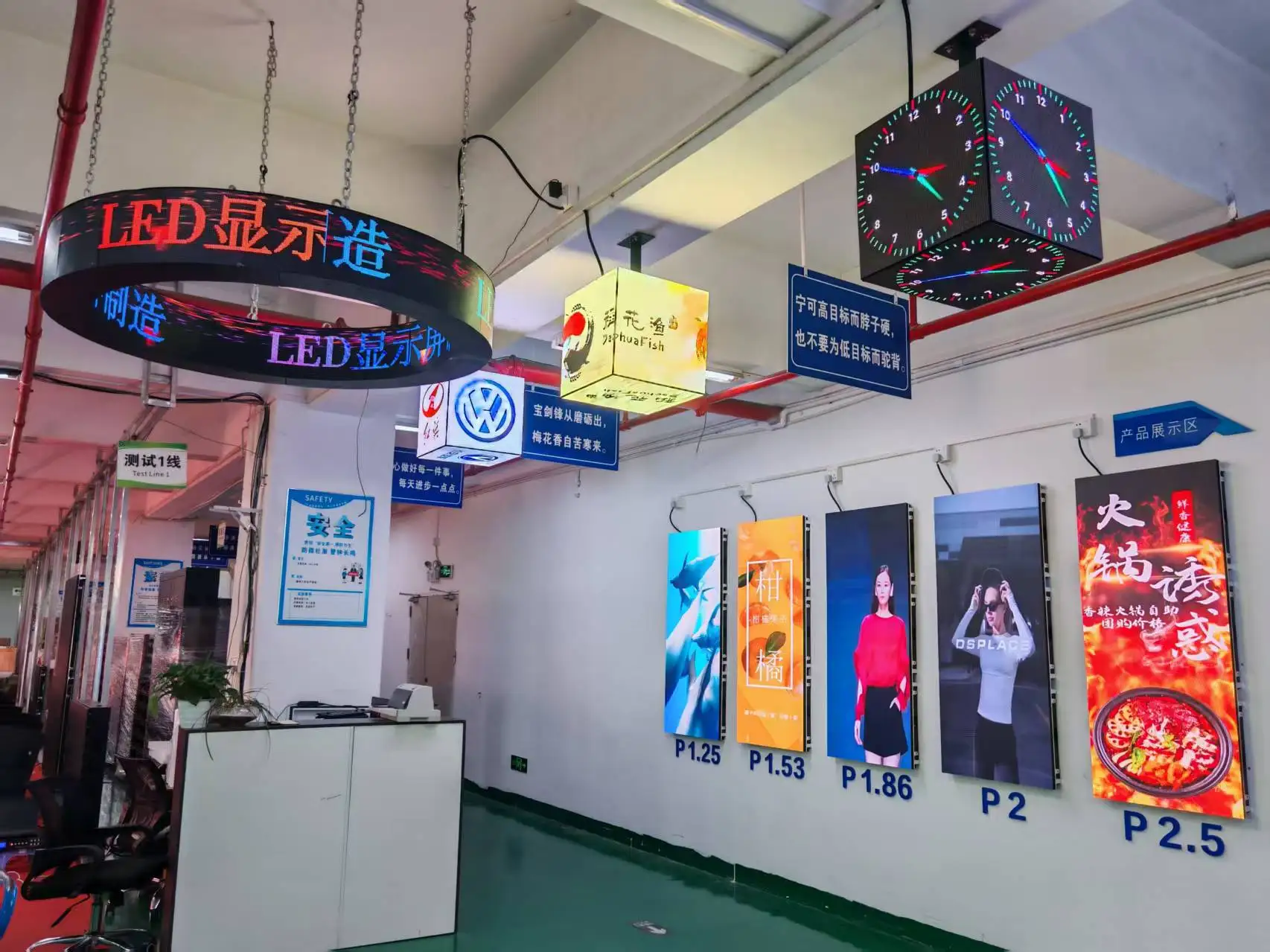
Hefei Yao Shi Ling Hang Import And Export Co., Ltd.
- Manufacturer, Trading Company
- Anhui, China
- Lead time0 days
- Avg. response≤ 2h
Main productsLED Screen,LCD Screen,LED Module,Outdoor LED Screen,Indoor LED Screen
Main marketsNorth America(30.00%), Western Europe(20.00%), Eastern Europe(15.00%), Southern Europe(15.00%), Southeast Asia(10.00%), Oceania(5.00%), Northern Europe(5.00%)
Guangzhou Huineng Photoelectric Technology Co., Ltd.
- Verified by SGS Group
- Manufacturer, Trading Company
- Lead time7 days
- Avg. response≤ 3h
Main productsLED Display And Stage Lights
Main marketsSouth America(30%), North America(20%), Southern Europe(18%)
Jingsuo Light Box (Dongguan) Co., Ltd.
- Manufacturer, Trading Company
- Guangdong, China
- Lead time30 days
- Avg. response≤ 2h
Main productsRental LED Screen,Transparent LED Screen,LED Poster Screen,DJ Booth,Fixed LED Screen
Main marketsSoutheast Asia(60.00%), North America(11.00%), Domestic Market(10.00%), South America(5.00%), Central America(5.00%), Eastern Europe(5.00%), Northern Europe(2.00%), Mid East(1.00%), Africa(1.00%)
- Verified by SGS Group
- Manufacturer, Trading Company
- Lead time15 days
- Avg. response≤ 5h
Main productsLED Display, Rental LED Display, Delivery Box LED Display, COB LED Display, Taxi Top LED Display
Main marketsSoutheast Asia(21%), South America(20%), Western Europe(20%)
Shenzhen Uhled Technology Co., Ltd.
- Verified by SGS Group
- Manufacturer, Trading Company
- Lead time20 days
- Avg. response≤ 1h
Main productsLED Display Screen
Main marketsNorth America(45%), Western Europe(20%), South America(15%)
Shenzhen Ledtao Photoelectric Technology Co., Ltd
- Manufacturer, Agent, Distributor/Wholesaler
- Guangdong, China
- Lead time7 days
- Avg. response≤ 2h
Main productsLED display,LED module,LED rental cabinet,LED controller,LED display power
Main marketsMid East(85.00%), Africa(5.00%), Eastern Europe(5.00%), South America(3.00%), South Asia(2.00%)




Comprehensive Sourcing Guide
Indoor Outdoor Rental Led Display Supplier Concentration and Factory Types
The current supplier landscape for Indoor Outdoor Rental Led Display products reveals a distinct concentration of manufacturing capabilities within specific geographic regions, with China Guangdong emerging as a primary hub for these specialized electronic goods. This regional clustering is significant because it indicates a mature supply chain ecosystem where components, assembly lines, and logistics networks are optimized for high-volume production of complex display technologies. Buyers evaluating potential partners should recognize that suppliers located in this area often benefit from established infrastructure that supports rapid prototyping and large-scale manufacturing, which is critical for meeting the tight deadlines typical of event and rental industries. The presence of combined company types in the results suggests a mix of trading companies and actual factories, requiring buyers to distinguish between pure intermediaries and manufacturers who also handle sales. Understanding this distinction is vital because factory-direct relationships often provide better control over production schedules and quality assurance processes, whereas trading companies may offer broader product portfolios but with less direct oversight of the manufacturing floor.
Factory types in this sector vary significantly in their operational focus, ranging from pure OEM providers to those offering ODM services and own brand development. Suppliers with ODM capabilities can assist buyers in customizing display specifications, such as pixel pitch, brightness levels, and cabinet dimensions, to meet specific event requirements without requiring extensive in-house engineering resources. Meanwhile, those with OEM focus typically produce to exact buyer specifications, ensuring brand consistency for rental companies that lease equipment to third parties. The diversity in company types also extends to the range of main products offered, with some suppliers specializing exclusively in LED displays while others integrate related electronic products, semiconductor lighting, or intelligent control systems. This specialization level impacts the depth of expertise a buyer can access, as a supplier focused solely on LED technology may provide more advanced solutions for challenging environments compared to a generalist electronics manufacturer. Buyers must assess whether their specific needs align with the supplier’s core competencies to ensure optimal performance and support throughout the product lifecycle.
How to Verify Indoor Outdoor Rental Led Display Suppliers
Verifying the legitimacy and capability of Indoor Outdoor Rental Led Display suppliers requires a multi-layered approach that goes beyond simple profile reviews, focusing heavily on third-party certifications and independent verification badges. The presence of BV (Bureau Veritas) verification on some suppliers indicates that an external agency has audited their business operations, providing a baseline level of trust regarding their legal standing and operational capacity. Similarly, TUVRHEINLAND verification signals rigorous testing and compliance with international standards, which is particularly important for electronic displays that must meet safety and performance criteria for public use. Buyers should prioritize suppliers who display these verification badges, as they represent an objective assessment of the supplier’s reliability. However, verification alone is not sufficient; buyers must also scrutinize the specific system certifications listed, such as ISO9001:2015 for quality management and ISO14001:2015 for environmental management. These certifications demonstrate a structured approach to production consistency and sustainability, which are critical for maintaining high standards in rental equipment that undergoes frequent transport and setup.
Beyond certifications, buyers should actively investigate the supplier’s response times and historical performance metrics to gauge their operational efficiency and customer service quality. A response time of approximately 3.68 hours for some suppliers suggests a highly responsive team capable of addressing urgent inquiries, which is essential during the planning phases of events where last-minute changes are common. In contrast, suppliers with longer response times, such as those around 8.52 hours, may indicate larger organizations with more complex internal processes or different time zone alignments. Buyers should request detailed product evidence, including specific model numbers like AS2.604 or AS3.91, and verify that the technical specifications match their requirements for pixel configuration, brightness, and refresh rate. It is also crucial to confirm the authenticity of product attributes, such as the use of Epistar LED lamps or specific driver ICs, by asking for test reports or factory audit videos. This due diligence ensures that the supplier’s claims about product quality and performance are substantiated by verifiable data, reducing the risk of receiving substandard equipment that could fail during critical rental assignments.
What to Compare Across Indoor Outdoor Rental Led Display Suppliers
When comparing suppliers, buyers must evaluate a range of operational and commercial dimensions to identify the best fit for their specific business needs, with lead time and minimum order quantity (MOQ) being primary differentiators. Lead times vary significantly across the supplier base, with some offering a 15-day turnaround while others require up to 30 days for production and delivery. This difference is critical for buyers managing tight event schedules, as a shorter lead time allows for greater flexibility in responding to sudden booking changes or emergency replacements. Similarly, MOQs can range from as low as one unit to higher thresholds, impacting the initial investment required for new rental fleets or expansion into new markets. Buyers with smaller budgets or those testing new product lines may prefer suppliers with low MOQs, while those with established large-scale operations might leverage higher volumes for better pricing. Understanding these constraints helps buyers align their procurement strategy with their operational capacity and financial planning, ensuring they do not overcommit inventory or face delays that disrupt their rental business.
Beyond logistical metrics, buyers should compare the technical specifications and customization options available from each supplier to ensure the products meet their performance standards. Attributes such as pixel pitch, brightness levels, and refresh rates vary across different models, with options ranging from 2.5mm to 3.91mm pixel pitches and brightness levels up to 4000 nits for outdoor applications. Suppliers offering customization options allow buyers to tailor displays to specific venue requirements, such as curved installations or unique aspect ratios, which can provide a competitive advantage in the rental market. Additionally, the range of main products offered by each supplier should be assessed, as some may provide comprehensive solutions including control systems and mounting hardware, while others focus solely on the display panels. Buyers should also consider the supplier’s capacity for ODM and OEM services, as this indicates their ability to innovate and adapt to evolving market trends. By systematically comparing these technical and operational factors, buyers can make informed decisions that balance cost, quality, and service levels to maximize their return on investment.
Common Indoor Outdoor Rental Led Display Sourcing Risks
Sourcing Indoor Outdoor Rental Led Display equipment involves several inherent risks that buyers must proactively manage to avoid operational disruptions and financial losses. One significant risk is the potential mismatch between advertised specifications and actual product performance, particularly regarding critical attributes like brightness, contrast ratio, and refresh rate. Suppliers may list ideal laboratory conditions for these metrics, but real-world performance can vary based on environmental factors and usage patterns. Buyers must verify that the displayed specifications, such as a 5000:1 contrast ratio or 16-bit color processing, are consistently maintained across production batches to ensure uniform visual quality. Another risk is the variability in build quality and durability, as rental equipment undergoes frequent transport, setup, and teardown. Differences in cabinet materials, such as die-cast aluminum versus other alloys, can impact the longevity and protection of the internal components. Buyers should request detailed information on maintenance types, such as front or back access, to ensure that repairs can be performed efficiently in the field without requiring specialized tools or extensive downtime.
Supply chain disruptions and communication barriers also pose substantial risks, particularly when sourcing from international suppliers with different time zones and cultural contexts. Misunderstandings regarding technical requirements or delivery expectations can lead to costly errors, such as receiving incorrect pixel pitches or incompatible control systems. Buyers must establish clear communication channels and verify that the supplier has a robust quality control process in place to catch defects before shipment. Additionally, the risk of intellectual property infringement or unauthorized replication of proprietary designs is a concern, especially when working with suppliers who offer ODM services. Buyers should ensure that their custom designs are protected through appropriate legal agreements and that the supplier adheres to strict confidentiality protocols. Furthermore, fluctuations in raw material costs, such as those for LED chips and aluminum, can impact pricing stability and lead times. Buyers should monitor market trends and negotiate fixed-price contracts where possible to mitigate the impact of these external factors on their procurement budget and operational planning.
Indoor Outdoor Rental Led Display Regional Sourcing and Logistics
Regional sourcing decisions significantly impact the total cost of ownership and logistical efficiency for Indoor Outdoor Rental Led Display procurement, with China Guangdong serving as a key manufacturing hub that influences global supply chains. Suppliers located in this region benefit from proximity to component suppliers and specialized logistics networks, which can reduce lead times and shipping costs for international buyers. However, buyers must account for the complexities of international freight, including customs clearance, import duties, and insurance, which can add significant time and expense to the delivery process. Understanding the specific origin of the products, such as Shenzhen, helps buyers assess the reliability of the local infrastructure and the supplier’s experience with export procedures. Buyers should also consider the environmental conditions of the manufacturing region, as humidity and temperature fluctuations can affect production quality if not properly controlled. Establishing a clear understanding of the supplier’s logistics capabilities, including their experience with packaging and handling fragile electronic components, is essential to ensure that products arrive in pristine condition.
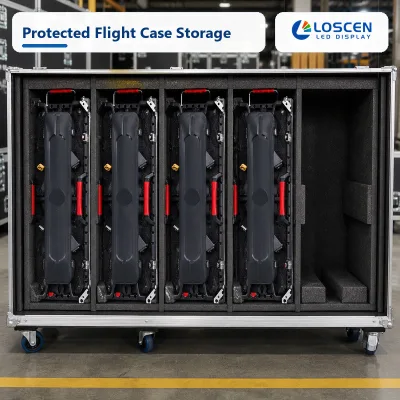
Logistics planning must also address the unique requirements of rental equipment, which often needs to be shipped in standardized cases for easy transport and storage. Suppliers typically use aviation cases for their LED displays, which provide robust protection during transit but add weight and volume to the shipment. Buyers must calculate the total shipping volume and weight to determine the most cost-effective freight method, whether by air, sea, or rail. Additionally, the lead time for logistics can vary based on the destination and the availability of shipping slots, particularly during peak seasons. Buyers should work closely with their suppliers to coordinate production schedules with shipping timelines, ensuring that equipment arrives in time for scheduled events. It is also important to consider the after-sales logistics, such as the availability of spare parts and the ease of returning defective units for repair. Suppliers with established reverse logistics networks can provide faster resolution of technical issues, minimizing downtime for rental customers. By carefully planning the regional sourcing and logistics strategy, buyers can optimize their supply chain for efficiency, cost-effectiveness, and reliability.
Indoor Outdoor Rental Led Display Commercial Terms and Order Planning
Commercial terms and order planning are critical components of successful procurement for Indoor Outdoor Rental Led Display equipment, requiring careful negotiation to balance cost, quality, and service levels. Pricing structures can vary widely, with some suppliers offering competitive rates for high-volume orders while others charge premiums for customization or urgent delivery. Buyers should analyze the price ranges provided, such as those between $356 and $1265 per unit, to understand the value proposition of each supplier and identify opportunities for cost savings. It is essential to clarify whether the quoted prices include taxes, shipping, and installation services, as these additional costs can significantly impact the total expenditure. Buyers should also negotiate payment terms that align with their cash flow needs, such as partial upfront payments with the balance due upon delivery or completion of quality inspections. Establishing clear commercial terms helps prevent disputes and ensures that both parties have a shared understanding of their obligations and expectations throughout the transaction.
Order planning must also consider the scalability of the supplier’s production capacity and their ability to handle large or complex orders. Suppliers with ODM and OEM capabilities may have more flexible production lines that can accommodate custom requests, but this flexibility may come with longer lead times or higher minimum order quantities. Buyers should assess the supplier’s historical performance in handling similar orders to gauge their reliability and consistency. Additionally, buyers should plan for future expansion by establishing long-term relationships with suppliers who can support their growth, including providing consistent quality and competitive pricing over time. It is also important to consider the supplier’s commitment to innovation and product development, as the LED display market is rapidly evolving with new
FAQs
What is the price range for rental LED displays?
Prices for rental LED displays typically range from $356 to $1265 per unit. The final cost depends on the specific model, pixel pitch, and configuration selected. Buyers should review the detailed product specifications to determine the exact pricing for their required display size and resolution.
What certifications do these LED displays have?
Most rental LED displays feature CCC, CE, and RoHS certifications. Some models also include ETL certification for additional safety compliance. These certifications ensure the products meet international standards for electrical safety and environmental protection, which is essential for global sourcing and deployment.
What is the typical lead time for orders?
The typical lead time for these orders is between 15 and 30 days. This timeframe allows for manufacturing, quality control, and packaging preparation. Buyers should confirm the exact delivery schedule with the supplier before placing an order to ensure timely arrival for events.
What is the minimum order quantity for these products?
The minimum order quantity is generally one unit. This low MOQ allows buyers to test the product quality or purchase small batches for specific events. It provides flexibility for both large-scale installations and smaller rental requirements without significant inventory commitment.
What is the expected lifespan of the LED modules?
The expected lifespan of the LED modules is approximately 50,000 hours. This durability ensures reliable performance for frequent use in rental applications. Regular maintenance and proper handling can help extend the operational life of the display panels for many years.
Are customization options available for these displays?
Customization is available for many of the rental LED display models. Buyers can often request specific pixel pitches, cabinet sizes, or branding options. It is important to discuss these requirements directly with the supplier to ensure the final product meets the specific event needs.