Indoor LED Display Digital Signage Suppliers and Manufacturers
Compare 30 verified suppliers of Indoor LED Display Digital Signage based on location, lead times, certifications, and response times. Review product specs like pixel pitch and brightness to select the right vendor for your project needs; review the available evidence before requesting comparable quotations from suitable candidates.
Updated
Suppliers List

- Manufacturer/Factory
- China Guangdong
- Lead time23 days
- Avg. response≤ 7h
Main productsOutdoor LED Display, Indoor LED Display, Outdoor Rental LED Display, Indoor Rental LED Screen, Window LED Display, Store LED Screen, Perimeter LED Screen, Traffic LED Sign, Creative LED Display
Main marketsSouth America,Eastern Europe,Mid East,North America,Southeast Asia,Eastern Asia,Oceania,Western Europe,Africa


High Resolution Indoor P1.95 Digital Billboard Advertising LED Display
$400.00 - $600.00
MOQ: 1 Square Meters

- Verified by TUVRHEINLAND
- Manufacturer/Factory
- China Guangdong
- Lead time23 days
- Avg. response≤ 3h
Main productsLCD Digital Signage, LED Digital Display, LED Screen Display, 3D LED Display, LED Rental Display, Lamp Pole LED Display, Shelf LED Display, LED Poster Display, LCD Poster Diusplay, Lamp Pole Banner Bracket
Main marketsSouth America,Eastern Europe,Mid East,Eastern Asia,Africa

Indoor Elevator Advertising HD LCD Screen Display Menu LED Board Digital Signage
$159.00 - $999.00
MOQ: 1 Pieces

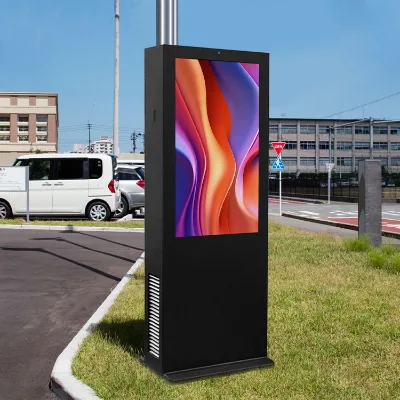
Indoor Advertising Floor Standing Android Capacitive Touch Screen Digital Display LED Signage
$399.00 - $999.00
MOQ: 1 Pieces


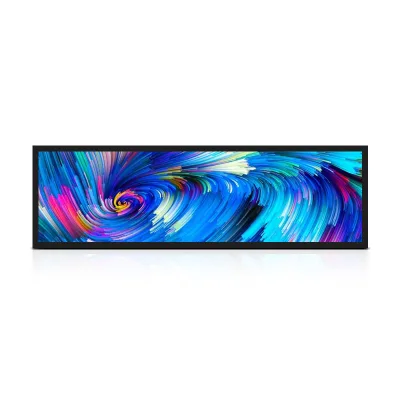
Indoor Creative Commercial High Brightness Bar LED Advertising Digital Screen Display Signage
$499.00 - $1399.00
MOQ: 1 Pieces

Indoor Advertising 35inch Shelf LCD Display Screen Digital Signage for Stores
$350.00 - $370.00
MOQ: 1 Pieces

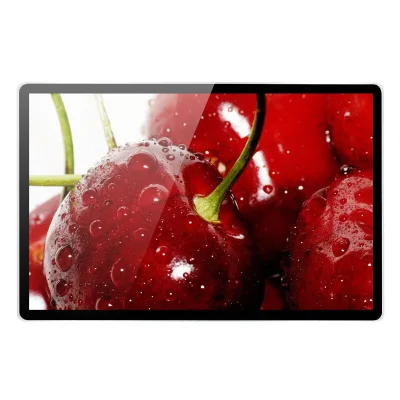
LCD Video Display Poster Commercial Squares Indoor Ad 55inch Digital Signage
$399.00 - $799.00
MOQ: 1 Pieces

Shenzhen Yaxunda LCD Display Equipment Co., Ltd.
- Verified by TUVRHEINLAND
- Combined
- China Guangdong
- Lead time15 days
- Avg. response≤ 5h
Main productsOutdoor Digital Signage, Digital Window Display, Drive Thru Menu Display, Touch Screen Kiosk, LCD Video Wall, LED Display, Stretched Bar Display
Main marketsSouth America,Southeast Asia/ Mideast,East Asia(Japan/ South Korea),Europe,Australia,North America

Shenzhen Dinosaur Display Co., Ltd.
- Verified by SGS
- Trading Company,Manufacturer/Factory
- China Guangdong
- Lead time15 days
- Avg. response≤ 3h
Main productsDisplay, Digital Signage, Interactive Whiteboard, Smart Touch Table, Vido Wall, Payment Kiosk
Main marketsSouth America,Eastern Europe,Mid East,North America,Southeast Asia,Eastern Asia,Oceania,Western Europe,Africa

Indoor Floor Standing Touch Screen Transparent OLED Digital Signage
$1577.00 - $1599.00
MOQ: 99 Pieces

Indoor Floor Standing Display Commercial LCD Touch Screen Advertising Digital Signage
$239.00 - $297.00
MOQ: 1 units


Indoor Floor Standing High Resolution Transparent OLED Digital Signage
$1577.00 - $1599.00
MOQ: 99 Pieces

Indoor High Resolution LCD Touch Screen Wall Mounted Advertising Digital Signage
$239.00 - $297.00
MOQ: 1 units

Guangzhou Bems Electronics Co., Ltd.
- Verified by SGS
- Combined
- China Guangdong
- Lead time15 days
- Avg. response≤ 5h
Main productsDigital Signage and Displays, Interactive Whiteboard, All in One Touch Screen, Outdoor Totem Kiosk, LCD Menu Board Screen
Main marketsSoutheast Asia/ Mideast,Europe

- Verified by TUVRHEINLAND
- Combined
- China Guangdong
- Lead time30 days
- Avg. response≤ 8h
Main productsOutdoor LED Display, Indoor LED Display, Outdoor Rental LED Display, Indoor Rental LED Display, Perimeter LED Display, Super HD LED Display, LED Modules, Curtain LED Display, Outdoor Front Access LED Display, Creative LED Display
Main marketsEurope


Low Brightness Energy Saving P7.62 Indoor Advertising LED Digital Display
$299.00 - $499.00
MOQ: 1 Square Meters

High Brightness P1.95 Price Digital Advertising LED Display Indoor
$400.00 - $600.00
MOQ: 1 Square Meters
Shenzhen GemDragon Display Technology Co., Ltd.
- Verified by SGS Group
- Trading Company
- Lead time3 days
- Avg. response≤ 5h
Main productsLCD Video Wall, Digital Signage, Advertising Player, Kiosk, Interactive Whiteboard
Main marketsNorth America(20%), Southeast Asia(20%), South America(15%)
Shenzhen UAD Electromechanical Co., Ltd.
- Manufacturer, Trading Company
- Guangdong, China
- Lead time15 days
- Avg. response≤ 6h
Main productsLED Die Casting Cabinet; LED Iron Cabinet; LED Car Top Cabinet; LED Stadium Cabinet; Cabinet Flight Case
Main marketsDomestic Market(40.00%), South Asia(20.00%), North America(5.00%), Oceania(5.00%), Western Europe(5.00%), Southern Europe(5.00%), Eastern Asia(5.00%), Northern Europe(5.00%), Eastern Europe(5.00%), Mid East(5.00%)
Shenzhen Mass United Technology Co., Ltd.
- Manufacturer, Trading Company
- Guangdong, China
- Lead time30 days
- Avg. response≤ 2h
Main productsMechanical Structure Creative Dispaly, OLED Transparent Display, Matrix Display, Seamless Display, Naked Eye 3D Display
Main marketsNorth America(20.00%), Southeast Asia(10.00%), South America(10.00%)
Shenzhen Maan Optoelectronics Technology Co.,ltd.
- Verified by SGS Group
- Trading Company
- Lead time12 days
- Avg. response≤ 2h
Main productsFull Color LED Display, Transparent LED Display, LED Module
Main marketsEastern Asia(20%), South America(10%), Mid East(10%)
Shenzhen Fulida Display Co., Ltd.
- Verified by SGS Group
- Trading Company
- Lead time7 days
- Avg. response≤ 2h
Main productsLED Screens
Main marketsEastern Europe(29%), North America(25%), Southeast Asia(15%)
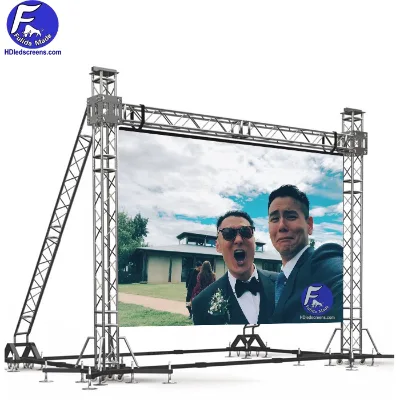
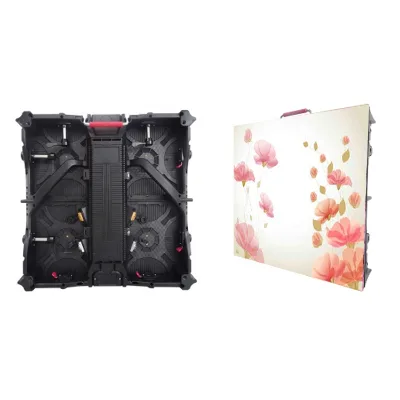
p3.91 p4.81 indoor super slim advertising video led display sign
$350.00 - $380.00

Dongguan Kingone Technology Co., Ltd.
- Verified by SGS
- Combined
- China Guangdong
- Lead time15 days
- Avg. response≤ 4h
Main productsDigital Signage, Advertising Display, Interactive Whiteboard, Interactive Flat Panel, Smart Board, Touch Screen Kiosk, Industrial PC Panel, Wall Mount Display, Digital Kiosk, Outdoor Digital Signage
Main marketsDomestic
Shenzhen Fionexx Technologies Ltd
- Manufacturer, Trading Company
- Guangdong, China
- Lead time3 days
- Avg. response≤ 5h
Main productsDigital Signage,Indoor Outdoor LCD Displays,Irregular LCD Display,High Brightness Window Facing Display,Outdoor LCD display
Main marketsWestern Europe(50.00%), North America(10.00%), Northern Europe(10.00%), Southern Europe(9.00%), Eastern Europe(5.00%), Southeast Asia(5.00%), Mid East(5.00%), Domestic Market(3.00%), South America(3.00%)

Nanjing Chechi Technology Co., Ltd.
- Verified by BV
- Trading Company,Manufacturer/Factory
- China Jiangsu
- Lead time38 days
- Avg. response≤ 2h
Main productsLED Display, Outdoor LED Display, Indoor LED Display, Rental LED Display, Flexble LED Display, Transparent LED Display, LCD Display
Main marketsSouth America,Eastern Europe,Mid East,North America,Southeast Asia,Eastern Asia,Oceania,Western Europe,Africa


Portable High Definition Indoor LED Video Display Digital Signage Display
$1.143 - $5.571
MOQ: 1 Pieces
- Trading Company
- Guangdong, China
- Lead time5 days
- Avg. response≤ 1h
Main productsLCD Video Wall, Digital Signage, Stretched LCD Display, Digital Window Display, Touch Kiosk
Main marketsNorth America(16.00%), South America(14.00%), Western Europe(11.00%), Northern Europe(11.00%), Eastern Europe(11.00%), Mid East(11.00%), Central America(10.00%), Southern Europe(9.00%), South Asia(2.00%), Eastern Asia(2.00%), Oceania(1.00%), Africa(1.00%), Southeast Asia(1.00%)
Shenzhen Shundarong Technology Co., Ltd.
- Verified by Intertek
- Manufacturer, Trading Company
- Lead time10 days
- Avg. response≤ 1h
Main productsRental LED Display, LED Poster Display, Indoor LED Display, Outdoor LED Display, LCD Digital Signage
Main marketsNorth America(30%), Southeast Asia(25%), Eastern Europe(15%)

Shenzhen Windro Technology Co., Ltd.
- Verified by CTI
- Manufacturer/Factory
- China Guangdong
- Lead time15 days
- Avg. response≤ 2h
Main productsIndustrial Panel PC, Digital Signage, Mini PC, All in One Computer, LCD Monitor, Industrial Computer, Advertising Player
Main marketsSouth America,Eastern Europe,Mid East,North America,Southeast Asia,Eastern Asia,Oceania,Western Europe,Africa
Jingsuo Light Box (Dongguan) Co., Ltd.
- Manufacturer, Trading Company
- Guangdong, China
- Lead time30 days
- Avg. response≤ 2h
Main productsRental LED Screen,Transparent LED Screen,LED Poster Screen,DJ Booth,Fixed LED Screen
Main marketsSoutheast Asia(60.00%), North America(11.00%), Domestic Market(10.00%), South America(5.00%), Central America(5.00%), Eastern Europe(5.00%), Northern Europe(2.00%), Mid East(1.00%), Africa(1.00%)
Shenzhen Hongnuo Zhuanxian Technology Co., Ltd.
- Verified by Intertek
- Manufacturer, Trading Company
- Lead time0 days
- Avg. response≤ 2h
Main productsDigital Signage, Outdoor Digital Signage, Window Display, Magic Mirror, Stretch Screen
Main marketsDomestic Market(50%), North America(10%), Southeast Asia(10%)

Shenzhen Zhongxian Beixin Technology Co., Ltd.
- Verified by BV
- Combined
- China Guangdong
- Lead time15 days
- Avg. response≤ 4h
Main productsDisplay Device, Electronic Products, Semiconductor Lighting Device, Electronic Measuring Instrument, LED Displays, Intelligent Control System Integration, Audio Equipment, Lighting Equipment, Digital Video Surveillance System, Stationery Equipment Rental
Main marketsEurope,North America


Full Color Indoor Advertising Sign Board Advertising Digital Billboard Transparent LED Display
$812.00 - $912.00
MOQ: 1 Square Meters


$856.00 - $987.00
MOQ: 1 Square Meters

Transparent LED Display with High Brightness for Commercial and Digital Signage
$812.00 - $912.00
MOQ: 1 Square Meters
Shenzhen Cosun Sign Smart-Tech Co., Ltd.
- Verified by SGS Group
- Manufacturer, Trading Company
- Lead time10 days
- Avg. response≤ 2h
Main productsDigital Signage, Wayfinding Signage, Poster Screen, Kiosk, Stretched Bar Display
Main marketsDomestic Market(40%), North America(24%), Oceania(10%)
Shenzhen Topwill Technology Co., Ltd.
- Manufacturer, Trading Company
- Guangdong, China
- Lead time15 days
- Avg. response≤ 1h
Main productsIndoor LED Display,Outdoor LED Display,Rental LED Display,Fixed LED Display,LED Vido Wall
Main marketsNorth America(30.00%), South Asia(25.00%), Western Europe(10.00%), Eastern Asia(5.00%), South America(5.00%), Oceania(5.00%), Southern Europe(5.00%), Southeast Asia(5.00%), Mid East(2.00%), Africa(2.00%), Northern Europe(2.00%), Central America(2.00%), Eastern Europe(2.00%)
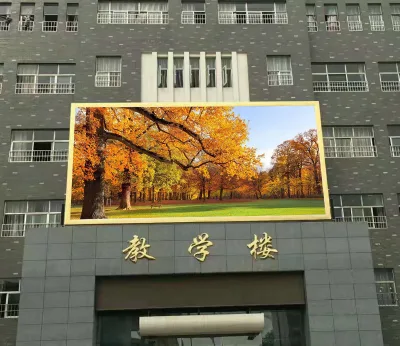
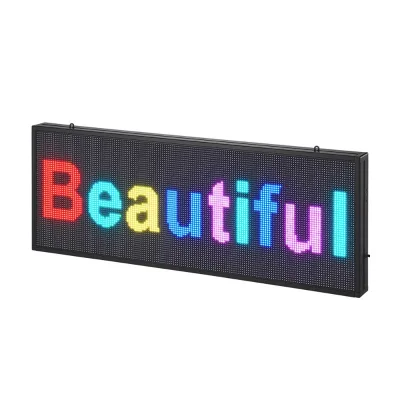
LED Building Signs Commercial University LED Digital Signage P3 High Resolution LED Screen Board
$616.0588 - $646.8629
MOQ: 1 square

Shanghai ZEMSO Urban Furniture Technology Co., Ltd.
- Verified by BV
- Combined
- China Shanghai
- Lead time60 days
- Avg. response≤ 4h
Main productsBus Shelter, Bus Stop Digital Signage, Outdoor LCD&LED Digital Signage, Container House, Smart Bench
Main marketsDomestic
Shenzhen Maxcolor Visual Co., Ltd.
- Verified by TüVRheinland
- Trading Company
- Lead time15 days
- Avg. response≤ 2h
Main productsLED Display Screen, LED Display Module, Transparent LED Display, Stage Rental LED Display
Main marketsNorth America(15%), South America(15%), Eastern Europe(15%)

Shenzhen Lightingart LED Display Co., Ltd.
- Verified by TUVRHEINLAND
- Manufacturer/Factory
- China Guangdong
- Lead time15 days
- Avg. response≤ 5h
Main productsRental LED Screen Display, LED Display Screen, LED Video Wall, LED Display, LED Screen, LED Panel, LED Billboard, Advertising LED Display, Indoor LED Display, Outdoor LED Display
Main marketsSouth America,Eastern Europe,Mid East,North America,Southeast Asia,Eastern Asia,Oceania,Western Europe,Africa
Guangzhou Anning Technology Co., Ltd.
- Verified by Intertek
- Trading Company
- Lead time0 days
- Avg. response≤ 17h
Main productsAdvertising Machine, Smartboard, LED

$121.50 - $148.00
MOQ: 1 Minimum
Dongguan Beloong Technology Co., Ltd.
- Verified by TüVRheinland
- Manufacturer, Trading Company
- Guangdong, China
- Lead time5 days
- Avg. response≤ 1h
Main productsFloor Standing Digital Display, Interactive Whiteboard, Touch Screen Kiosk, Payment Kiosk, Wall-Mounted Digital Display
Main marketsMid East(62%), Eastern Europe(13%), South America(12%)
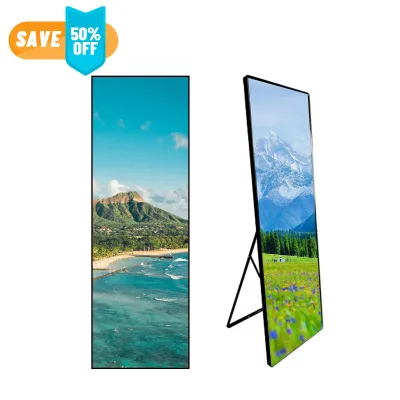
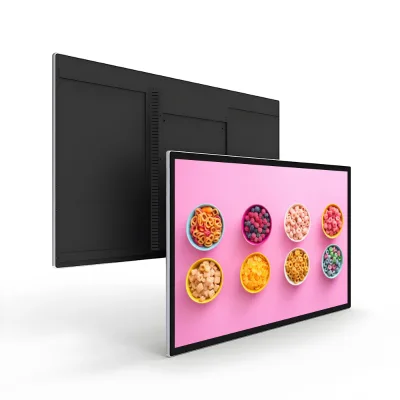
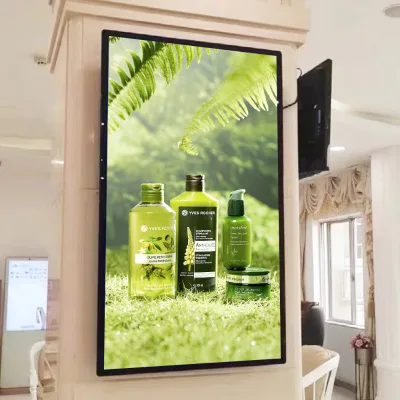
Sign Screen Shop Advertisement Board Thin Digital Signage Wall Mounted Advertising Machine Display
$119.885 - $156.7733
MOQ: 2 pieces

Guangzhou Li Cheng Electronic Technology Co., Ltd.
- Verified by SGS Group
- Manufacturer, Trading Company
- Lead time15 days
- Avg. response≤ 4h
Main productsOutdoor High Brightness LCD Display, High Brightness LCD Window Display, Outdoor LED Advertising Display, LED Billboards Outdoor, Alumimnum light box
Main marketsSouth America(10%), Eastern Europe(10%), Western Europe(10%)
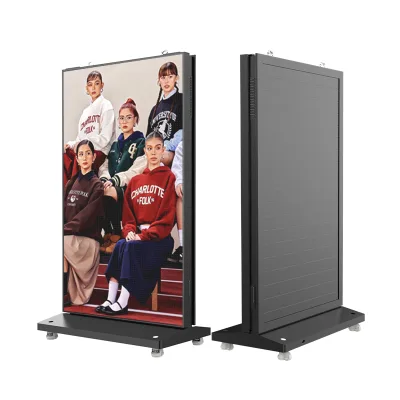
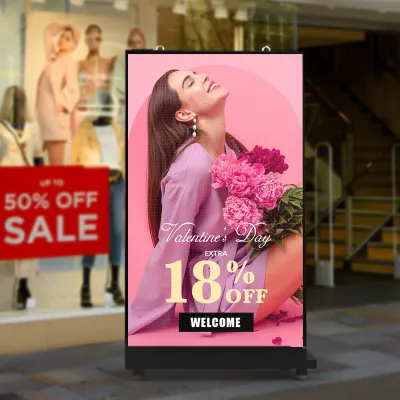
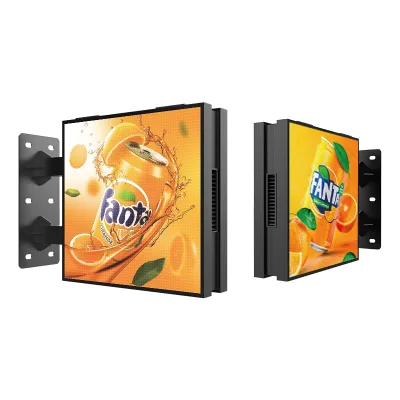
IP 65 Waterproof LED Doorway Display P4.0/P2.5 Durable Digital Signage for Outdoor Shop Advertising
$779.3158 - $820.3855
MOQ: 1 square
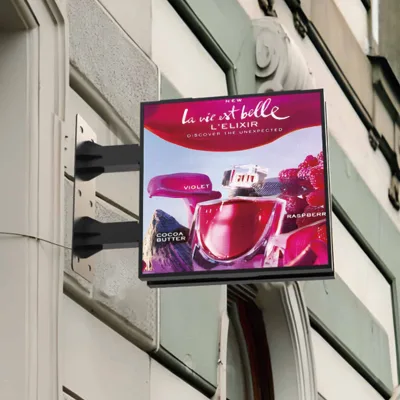
P2.5 4500 Nit Outdoor Wall-mounted LED Digital Signage Displays for Front Store Advertising
$306.9747 - $408.2778
MOQ: 1 sets

Shenzhen Avlink Technology Co., Ltd.
- Verified by SGS
- Trading Company
- China Guangdong
- Lead time15 days
- Avg. response≤ 2h
Main productsDigital Signage, Stretch Screen, 23.6inch Round Display, Display Stretch Screen, Touch Screen, LCD Android Monitor, TV Screen, Holographic Display
Main marketsOthers(foreignTradeCapacity.exportBusinessCapacityMarketOther)
Dongguan Jinyu Optoelectronic Technology Co., Ltd.
- Manufacturer, Trading Company
- Guangdong, China
- Lead time0 days
- Avg. response≤ 1h
Main products7 Segment LED Display,Customized LED Display,Dot Matrix LED Display,SMD Seven Segment LED Display,14 Segment Display
Main marketsEastern Europe(20.00%), North America(20.00%), South America(10.00%), Northern Europe(8.00%), Southeast Asia(5.00%), Central America(5.00%), Western Europe(5.00%), Eastern Asia(5.00%), Domestic Market(5.00%), Oceania(5.00%), Africa(5.00%), South Asia(3.00%), Mid East(3.00%), Southern Europe(1.00%)











Comprehensive Sourcing Guide
Indoor LED Display Digital Signage Supplier Concentration and Factory Types
The current supplier landscape for Indoor LED Display Digital Signage reveals a distinct concentration of manufacturing capabilities within specific geographic regions, with China Guangdong emerging as a primary hub for production. This regional clustering suggests a mature supply chain ecosystem where component sourcing, assembly, and logistics are optimized for efficiency. Buyers evaluating potential partners should recognize that suppliers located in this area often benefit from established industrial infrastructure, which can translate to more consistent quality control and faster turnaround times for complex orders. The presence of numerous manufacturers in this cluster indicates a high level of competition, which may drive innovation in product features such as pixel pitch, brightness levels, and customization options. However, buyers must also be aware that not all suppliers in this region operate with the same level of transparency or adherence to international standards, making due diligence essential.
In terms of company structure, the majority of suppliers identified as manufacturers or factories offer a range of production models, including OEM, ODM, and own-brand solutions. This diversity allows buyers to select partners based on their specific needs, whether they require fully customized designs or standardized products with minor modifications. Suppliers with OEM and ODM capabilities typically possess robust R&D departments, enabling them to adapt existing technologies to meet unique client requirements. For instance, some manufacturers specialize in creating proprietary brands while simultaneously offering white-label services for other businesses. This dual approach can be advantageous for buyers seeking flexibility, as it allows for both brand differentiation and cost-effective production. Understanding the specific manufacturing model of a supplier is crucial for aligning expectations regarding intellectual property rights, production timelines, and long-term partnership potential.
How to Verify Indoor LED Display Digital Signage Suppliers
Verifying the legitimacy and capability of Indoor LED Display Digital Signage suppliers requires a multi-layered approach that goes beyond simple online profiles. One critical step is to check for third-party verification badges, such as those provided by TÜV Rheinland, which indicate that the supplier has undergone rigorous audits of their business operations and manufacturing processes. These verifications provide a layer of confidence regarding the supplier’s legal standing and operational integrity. Additionally, buyers should scrutinize the certifications listed for both the company and its products. Certifications like ISO 9001 for quality management systems, along with product-specific marks such as CCC, CE, ETL, and RoHS, are strong indicators of compliance with international safety and environmental standards. The absence of these certifications should prompt further inquiry, as they are often mandatory for exporting to certain markets.
Beyond certifications, buyers should assess the supplier’s responsiveness and communication efficiency, as these factors often reflect their overall professionalism and customer service quality. Response times, such as those recorded at 2.66 or 6.19 hours, can serve as a preliminary metric for evaluating how quickly a supplier can address inquiries or resolve issues. A faster response time generally suggests a more agile and customer-centric operation. Furthermore, buyers should request detailed product specifications and test reports to verify claims about performance metrics like brightness, refresh rate, and viewing angle. For example, confirming that a P10 display has a brightness of 2000 nits and a refresh rate of 3840 Hz requires direct evidence from the supplier. Engaging in technical discussions about these specifications can help buyers gauge the supplier’s expertise and transparency, ensuring that they are dealing with a knowledgeable and reliable partner.
What to Compare Across Indoor LED Display Digital Signage Suppliers
When comparing suppliers, buyers should focus on key operational metrics that directly impact project success, such as lead times, minimum order quantities (MOQ), and pricing structures. Lead times, for instance, can vary significantly, with some suppliers offering a standard lead time of 23 days, which is crucial for planning project schedules. Buyers must ensure that the quoted lead time aligns with their project deadlines, accounting for potential delays in production or shipping. Similarly, MOQs can range from as low as one unit to higher thresholds, depending on the supplier’s production model and the complexity of the product. Understanding these constraints helps buyers determine the feasibility of their orders and negotiate terms that suit their volume requirements. Pricing should also be compared across different product models, such as P10, P5, and P2.6 displays, to identify the best value proposition.
In addition to operational metrics, buyers should evaluate the range of main products and customization options offered by each supplier. Suppliers specializing in a diverse portfolio, including indoor and outdoor LED displays, rental screens, and digital signage solutions, may offer greater flexibility and compatibility for large-scale projects. Customization availability is another critical factor, as many buyers require specific dimensions, mounting options, or control systems to fit their unique environments. For example, some suppliers offer front service cabinets for easier maintenance, while others provide back-fixed installations. Buyers should also compare the technical specifications of different models, such as pixel pitch, cabinet weight, and viewing distance, to ensure they meet the technical requirements of their intended application. By systematically comparing these attributes, buyers can make informed decisions that balance cost, quality, and functionality.
Common Indoor LED Display Digital Signage Sourcing Risks
Sourcing Indoor LED Display Digital Signage comes with inherent risks that buyers must proactively manage to avoid project disruptions. One significant risk is the potential for quality inconsistencies, particularly when dealing with suppliers who lack robust quality control processes. Without proper verification, buyers may receive products that do not meet the specified technical standards, such as incorrect pixel density or insufficient brightness levels. This can lead to costly replacements and delays, especially for large orders. Another risk is the miscommunication of technical specifications, which can result in products that are incompatible with existing infrastructure or unsuitable for the intended application. For instance, a display with a viewing distance of 10 meters may not be appropriate for a close-range indoor environment, leading to poor user experience.
Supply chain disruptions are another common risk, particularly when sourcing from international suppliers. Delays in production, shipping, or customs clearance can impact project timelines, especially if the supplier has a long lead time or limited capacity. Buyers should also be cautious of suppliers who offer unusually low prices, as this may indicate the use of substandard components or poor manufacturing practices. Additionally, intellectual property risks can arise if buyers work with suppliers who do not respect proprietary designs or branding agreements. To mitigate these risks, buyers should establish clear contracts, conduct regular quality inspections, and maintain open communication with their suppliers. Understanding these potential pitfalls allows buyers to implement preventive measures and protect their investments.
Indoor LED Display Digital Signage Regional Sourcing and Logistics
Regional sourcing decisions play a crucial role in determining the overall cost and efficiency of Indoor LED Display Digital Signage procurement. Suppliers located in China Guangdong, for example, benefit from established logistics networks that facilitate efficient shipping to global destinations. Buyers should consider the proximity of the supplier to major ports or airports, as this can impact transit times and shipping costs. Additionally, the supplier’s experience with international shipping and customs documentation is vital for ensuring smooth delivery. Buyers should verify that the supplier can provide all necessary export documents, such as commercial invoices, packing lists, and certificates of origin, to avoid delays at customs. Understanding the logistical capabilities of the supplier helps buyers plan for potential challenges and optimize their supply chain.
Logistics also involve considerations related to product packaging and handling, which are critical for protecting delicate electronic components during transit. Suppliers typically use plywood cases or flight cases to ensure safe delivery, but buyers should confirm the packaging standards to prevent damage. For large-scale installations, buyers may need to coordinate with local logistics providers for final delivery and installation, which requires careful planning and coordination. Buyers should also consider the environmental impact of shipping, as larger displays may require special handling or freight options. By evaluating the logistical aspects of sourcing, buyers can ensure that their products arrive in perfect condition and on time, supporting the successful implementation of their digital signage projects.
Indoor LED Display Digital Signage Commercial Terms and Order Planning
Effective order planning for Indoor LED Display Digital Signage requires a thorough understanding of commercial terms, including payment methods, warranty policies, and after-sales support. Buyers should negotiate clear payment terms that align with their cash flow needs, such as partial upfront payments and balance upon shipment. It is also essential to clarify the warranty period and coverage, as this protects against defects and ensures long-term reliability. Suppliers offering comprehensive warranty services demonstrate confidence in their product quality and provide buyers with peace of mind. Additionally, buyers should inquire about the availability of spare parts and technical support, as these are crucial for maintaining the displays over time. Understanding these commercial terms helps buyers establish a solid foundation for a successful partnership.
Furthermore, buyers should plan for potential customization and integration requirements, which can impact the overall project timeline and cost. Customization options, such as specific control systems or software compatibility, should be discussed early in the sourcing process to avoid surprises. Buyers should also consider the scalability of their orders, as expanding projects may require additional units or upgrades. By carefully planning the commercial aspects of their sourcing strategy, buyers can minimize risks and ensure that their digital signage installations meet their operational and financial goals. This proactive approach enables buyers to navigate the complexities of the market and achieve their desired outcomes with confidence.
FAQs
What certifications do indoor LED displays have?
Indoor LED displays typically hold CCC, CE, ETL, and RoHS certifications to ensure safety and environmental compliance. These standards verify that the electronic components and materials meet rigorous international requirements for electrical safety and hazardous substance restrictions, providing assurance for commercial installations.
What is the typical lead time for orders?
The typical lead time for manufacturing indoor LED displays is approximately 23 days. This duration allows for production, quality control, and packaging preparation. Buyers should confirm specific timelines with suppliers, as rush orders or custom configurations may alter the standard delivery schedule significantly.
What is the minimum order quantity for LED screens?
The minimum order quantity for many indoor LED display models is just one unit. This low MOQ allows buyers to test product quality or purchase small batches for specific projects. It supports flexible sourcing strategies for both large-scale deployments and smaller commercial signage needs.
What pixel pitches are available for indoor signage?
Available pixel pitches for indoor signage include P1.87, P1.95, P2.6, P5, and P10. Lower pitch values like P1.87 offer higher resolution for close viewing distances, while P10 is suitable for larger screens viewed from further away. Selection depends on the specific viewing distance requirements.
What is the price range for indoor LED displays?
Prices for indoor LED displays generally range from $299 to $600 per unit, depending on the pixel pitch and specifications. Higher resolution models like P1.95 command higher prices compared to standard P10 units. Buyers should request detailed quotes based on their specific size and configuration requirements.
What response time can buyers expect from suppliers?
Buyers can expect supplier response times ranging from 2.66 to 6.19 hours. Faster response times indicate more responsive customer service teams ready to address inquiries promptly. This efficiency helps streamline the sourcing process and ensures quick communication regarding product details and order status updates.
What certifications are required for LED displays?
LED displays commonly require CCC, CE, ETL, and RoHS certifications for market access. These certifications ensure compliance with regional safety and environmental regulations. Buyers should verify that the specific models they intend to purchase hold the necessary certifications for their target markets to avoid import issues.