1000nits Pixel LED Video Wall Suppliers and Manufacturers
Compare 28 verified suppliers offering 1000nits Pixel LED Video Wall with specifications like brightness, pixel pitch, and certifications. Review response times, lead times, and MOQs to select the right factory for your project needs today; review the available evidence before requesting comparable quotations from suitable candidates.
Updated
Suppliers List

- Manufacturer/Factory
- China Guangdong
- Lead time23 days
- Avg. response≤ 7h
Main productsOutdoor LED Display, Indoor LED Display, Outdoor Rental LED Display, Indoor Rental LED Screen, Window LED Display, Store LED Screen, Perimeter LED Screen, Traffic LED Sign, Creative LED Display
Main marketsSouth America,Eastern Europe,Mid East,North America,Southeast Asia,Eastern Asia,Oceania,Western Europe,Africa


Indoor P1.95 Advertising Digital Display Screens LED Video Wall
$400.00 - $600.00
MOQ: 1 Square Meters

Full Color P1.8 Indoor LED Advertising Display Screen LED Video Wall
$399.00 - $589.00
MOQ: 1 Square Meters

Indoor P1.5 High Quality Advertising Digital Screen LED Video Wall
$599.00 - $699.00
MOQ: 1 Square Meters
Shenzhen Topwill Technology Co., Ltd.
- Manufacturer, Trading Company
- Guangdong, China
- Lead time15 days
- Avg. response≤ 1h
Main productsIndoor LED Display,Outdoor LED Display,Rental LED Display,Fixed LED Display,LED Vido Wall
Main marketsNorth America(30.00%), South Asia(25.00%), Western Europe(10.00%), Eastern Asia(5.00%), South America(5.00%), Oceania(5.00%), Southern Europe(5.00%), Southeast Asia(5.00%), Mid East(2.00%), Africa(2.00%), Northern Europe(2.00%), Central America(2.00%), Eastern Europe(2.00%)
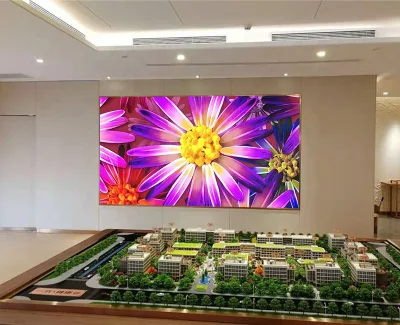
Pixel LED Video Wall Presentation Room P1.86 Fixed LED Board 1.8mm LED Screen Wall
$630.00 - $660.00
MOQ: 1 square
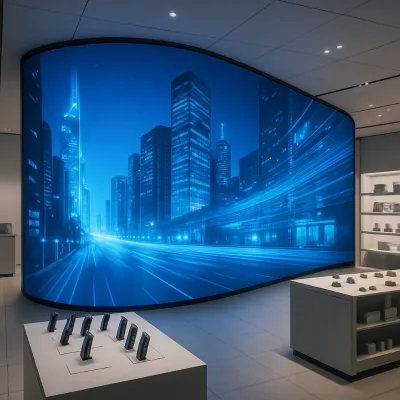
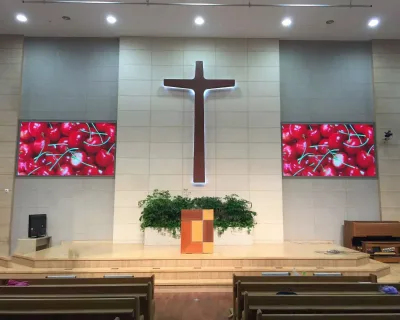
GOB LED Display Church LED Screen Panel High Definition P3 Fixed LED Video Screen Wall
$429.7649 - $460.4628
MOQ: 1 square
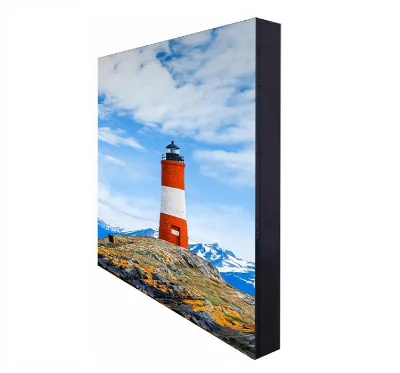
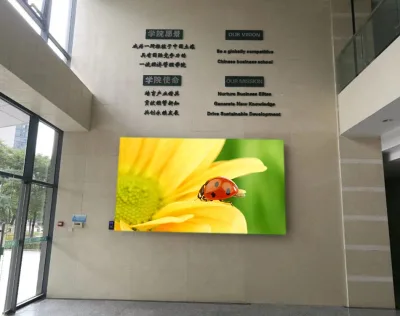
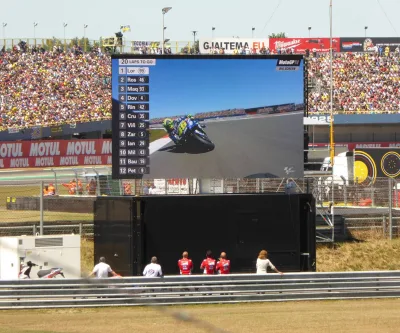
Pixel LED Screen Decoration Car Race Rental LED Video Wall P2.976 Rental Outdoor LED Board
$592.6778 - $623.3338
MOQ: 1 square

- Verified by TUVRHEINLAND
- Combined
- China Guangdong
- Lead time30 days
- Avg. response≤ 8h
Main productsOutdoor LED Display, Indoor LED Display, Outdoor Rental LED Display, Indoor Rental LED Display, Perimeter LED Display, Super HD LED Display, LED Modules, Curtain LED Display, Outdoor Front Access LED Display, Creative LED Display
Main marketsEurope

Waterproof High Brightness P100 Flexible Outdoor LED Video Wall
$499.00 - $599.00
MOQ: 1 Square Meters


Shenzhen Rx-Vision Optoelectronic Co., Ltd.
- Verified by SGS
- Trading Company
- China Guangdong
- Lead time23 days
- Avg. response≤ 1h
Main productsLED Display Screen LED Screen Panel, Outdoor LED Screen, Rental LED Panel, Stadium LED Screen, Flexible LED Modules, Outdoor Billboard Screen, Truck LED Screen, LED Screen Board, LED Dance Floor, 3D Naked Panel
Main marketsSouth America,Southeast Asia/ Mideast,Europe,North America

Indoor HD Pixel P1.8 LED Display Meeting Video Wall Smaller Pixel Pitch LED Video Wall
$623.00 - $650.00
MOQ: 6 Square Meters

HD Pixel Indoor Full Color High Refresh Rate P3.076 LED Display LED Video Wall
$446.00 - $466.00
MOQ: 6 Square Meters


Indoor HD Pixel LED Video Wall P1.25 for Conferences and Wall Mounting Use LED Display Screen
$1190.00 - $1241.00
MOQ: 6 Square Meters

Shenzhen Seny Technology Co., Ltd.
- Verified by TUVRHEINLAND
- Trading Company,Manufacturer/Factory
- China Guangdong
- Lead time23 days
- Avg. response≤ 1h
Main productsLED Screen Factory, LED Display Factory, LED Display Screen Factory, LED Video Wall Factory, LED Billboard Factory, LED Panel Factory, LED Display Board Factory, LED Sign Factory, Rental LED Display Factory, LED Grow Light Factory
Main marketsSouth America,Eastern Europe,Mid East,North America,Southeast Asia,Eastern Asia,Oceania,Western Europe,Africa

Shenzhen Zhongxian Beixin Technology Co., Ltd.
- Verified by BV
- Combined
- China Guangdong
- Lead time15 days
- Avg. response≤ 4h
Main productsDisplay Device, Electronic Products, Semiconductor Lighting Device, Electronic Measuring Instrument, LED Displays, Intelligent Control System Integration, Audio Equipment, Lighting Equipment, Digital Video Surveillance System, Stationery Equipment Rental
Main marketsEurope,North America

P2.6 High Brightness Transparent LED Screen Display LED Video Wall
$812.00 - $912.00
MOQ: 1 Square Meters


Indoor P2.5 High Brightness HD Big LED Video Wall for Meeting/Ads
$412.00 - $1250.00
MOQ: 1 Square Meters


Shenzhen FWS Technology Co., Ltd.
- Verified by TUVRHEINLAND
- Manufacturer/Factory
- China Guangdong
- Lead time15 days
- Avg. response≤ 3h
Main productsOutdoor LED Disipay, Indoor LED Display, High Definition Full Color LED Screen, LED Module, P2.5 Full Color LED Display Indoor, P8 Full Color LED Disipaly Outdoor, LED Video Billboard, LED Display Power Supply, LED Dipslay System, Die-Casting Cabinet
Main marketsSouth America,Eastern Europe,Mid East,North America,Southeast Asia,Eastern Asia,Oceania,Western Europe,Africa


Indoor LED Display Panel Screen Video Wall with High Visibility for Advertising
$480.00 - $528.00
MOQ: 1 Square Meters

Shenzhen Top Shine Electronic Co., Ltd.
- Trading Company
- Guangdong, China
- Lead time20 days
- Avg. response≤ 7h
Main productsLED Display,LED MODULE,LED SCREEN,LED CROSS,LED VIDEO WALL
Main marketsNorth America(20.00%), Western Europe(13.00%), Oceania(10.00%), Eastern Asia(9.00%), Southeast Asia(7.00%), Mid East(6.00%), South America(6.00%), Eastern Europe(6.00%), Northern Europe(5.00%), Africa(5.00%), South Asia(5.00%), Domestic Market(3.00%), Southern Europe(3.00%), Central America(2.00%)
Meto Laser Technology (henan) Co., Ltd.
- Verified by SGS Group
- Trading Company
- Lead time10 days
- Avg. response≤ 3h
Main productsLed Display Screen, LED Dance Floor, Mirror Photo Booth, Magazine Photo Booth Box, Overhead 360 Photo Booth
Main marketsNorth America(70%), Western Europe(10%), Eastern Europe(5%)
Shenzhen Eliteled Electronics Co., Ltd
- Manufacturer, Trading Company
- Guangdong, China
- Lead time15 days
- Avg. response≤ 2h
Main productsled display screen,flexible led screen,led advertising board,led poster,led video wall
Main marketsDomestic Market(54.12%), Mid East(16.05%), Southeast Asia(11.53%), South Asia(9.08%), North America(5.22%), Western Europe(4.00%)
Zhixian Lino (Shenzhen) Technology Co., Ltd
- Verified by Intertek
- Manufacturer, Trading Company
- Lead time7 days
- Avg. response≤ 2h
Main productsLED Rental Screen , Outdoor LED Screen, Indoor LED Screen, Floor LED Screen, Transparent LED Screen
Main marketsNorth America(30%), Southeast Asia(16%), South America(10%)
- Verified by TüVRheinland
- Trading Company
- Lead time5 days
- Avg. response≤ 5h
Main productsDigital Signage, Glass Display, Rolling Display, Transparent Display, DJ Box
Main marketsNorth America(25%), Western Europe(20%), Mid East(17%)

Shenzhen D-King Photoelectric Technology Co., Ltd.
- Verified by BV
- Combined
- China Guangdong
- Lead time15 days
- Avg. response≤ 3h
Main productsLED Display, LED Screen, LED Video Wall, Rental LED Display, Fixed Installation LED Display, Interactive Floor LED Display, Poster LED Display, Transparent LED Display, Light Pole LED Display, Stadium LED Display
Main marketsSouth America,East Asia(Japan/ South Korea),Europe,North America
Shenzhen Apexls Optoelectronic Co., Ltd.
- Verified by SGS Group
- Manufacturer, Trading Company
- Lead time0 days
- Avg. response≤ 1h
Main productsLED Display
Main marketsDomestic Market(30%), North America(25%), Eastern Asia(15%)
$258.4684 - $496.2591
MOQ: 1 units
$730.00 - $780.00
MOQ: 10 square
Shenzhen Hd Led Technology Co., Ltd.
- Manufacturer
- Guangdong, China
- Lead time3 days
- Avg. response≤ 3h
Main productsRental LED Display,led display,Fixed LED Display,flexible led module,stage led screen
Main marketsNorth America(50.00%), Eastern Asia(30.00%), Southeast Asia(10.00%)
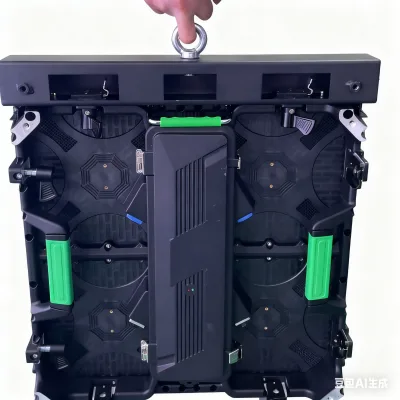
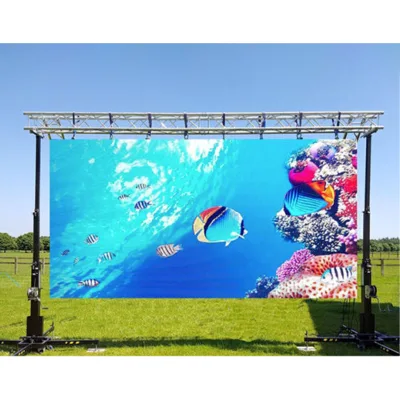
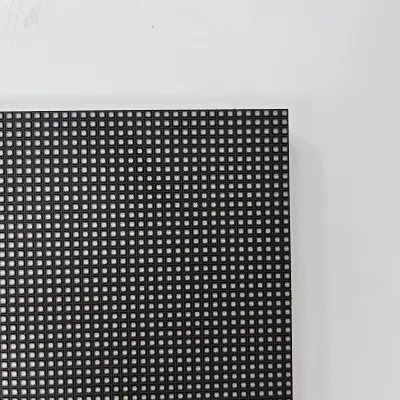
Outdoor P2.976 High-definition Full-color LED Video Wall Widely Used in Stage Background Walls
$26.50 - $28.50
MOQ: 10 pieces
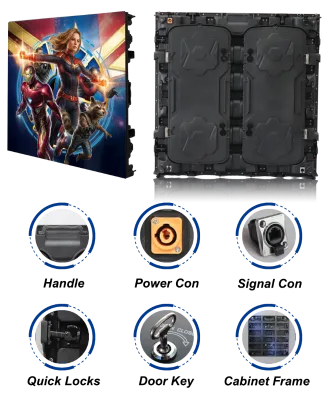
Wholesale of High-Quality Indoor Energy-Saving LED Video Walls in Factories
$230.00 - $260.00
MOQ: 2 square

Guangzhou Junchen Display Technology Co., Ltd.
- Verified by SGS
- Combined
- China Guangdong
- Lead time15 days
- Avg. response≤ 2h
Main productsLED Screen, LED Display, LED Video Wall, LED Module, LED Panel, LED Sign, LED Advertising Board, LED Billboard
Main marketsDomestic,Europe
Shenzhen Abxing Industrial Co., Ltd.
- Verified by Intertek
- Trading Company
- Lead time25 days
- Avg. response≤ 2h
Main productsTransparent LED Display, Mesh LED Display, Fixed Installation LED Display, Rental LED Display, Grille LED Display
Main marketsNorth America(15%), South America(15%), Western Europe(13%)
Taizhou Jingchuan Electronics Technology Co., Ltd.
- Verified by TüVRheinland
- Manufacturer, Trading Company
- Lead time35 days
- Avg. response≤ 2h
Main productsLED Truck, LED Trailer, Custom LED Vehicle, Portable LED Screen, LED Truck Body
Main marketsDomestic Market(30%), North America(20%), Oceania(20%)
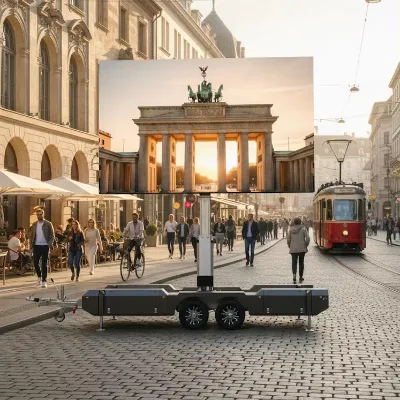
Folding Design Mobile LED Video Wall for Easy Transport and Rapid Deployment Trailer
$16211.772
MOQ: 1 Minimum
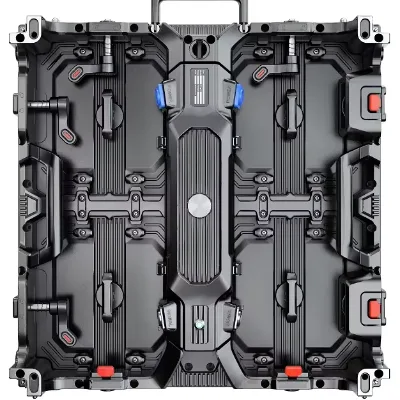
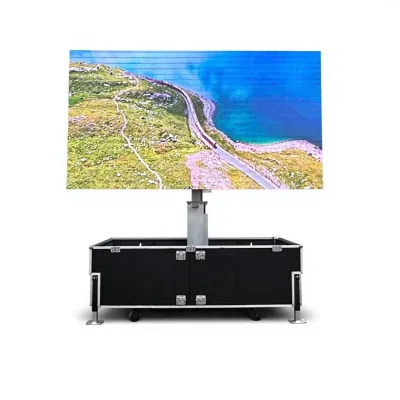
Shenzhen Maxcolor Visual Co., Ltd.
- Verified by TüVRheinland
- Trading Company
- Lead time15 days
- Avg. response≤ 2h
Main productsLED Display Screen, LED Display Module, Transparent LED Display, Stage Rental LED Display
Main marketsNorth America(15%), South America(15%), Eastern Europe(15%)
Guangzhou Taoying Electronics Co., Ltd.
- Trading Company
- Guangdong, China
- Lead time15 days
- Avg. response≤ 2h
Main productsLED Screen,Projector,Holographic Projection,3D Mapping,Interactive Projection
Main marketsDomestic Market(35.00%), North America(5.00%), South Asia(5.00%), Southern Europe(5.00%), Northern Europe(5.00%), Central America(5.00%), Western Europe(5.00%), Eastern Asia(5.00%), Mid East(5.00%), Oceania(5.00%), Africa(5.00%), Southeast Asia(5.00%), Eastern Europe(5.00%), South America(5.00%)

Shenzhen Jingcan Opto-Tec Co., Ltd.
- Trading Company
- China Guangdong
- Lead time15 days
- Avg. response≤ 3h
Main productsLED Display Screen, LED Module, Full Color LED Screen, LED Signboard, LED Pharmacy Cross, LED Taxi Sign, Transparent LED Screen, Flexible LED Display, Arc LED Display, LED Strip
Main marketsEurope,Australia,North America


HD LED 640X640mm P5/P4/P6/P8 Indoor Full Color Rental LED Video Wall
$450.00 - $480.00
MOQ: 1 Square Meters


Shenzhen Lightall Optoelectronic Co., Limited
- Manufacturer, Trading Company
- Lead time旺季: "1 - 1000":12,"> 1000":"To be negotiated", 淡季: "1 - 1000":12,"> 1000":"To be negotiated"
- Avg. response≤ 3h
Main productsLED Display, LED Screen, LED Video Wall, LED Module

Shenzhen Lightingart LED Display Co., Ltd.
- Verified by TUVRHEINLAND
- Manufacturer/Factory
- China Guangdong
- Lead time15 days
- Avg. response≤ 5h
Main productsRental LED Screen Display, LED Display Screen, LED Video Wall, LED Display, LED Screen, LED Panel, LED Billboard, Advertising LED Display, Indoor LED Display, Outdoor LED Display
Main marketsSouth America,Eastern Europe,Mid East,North America,Southeast Asia,Eastern Asia,Oceania,Western Europe,Africa

Fine Pixel Pitch LED Display Screen P1.667 Indoor LED Video Wall for Church
$755.00 - $770.00
MOQ: 1 panel

High Definition Small Pixel Pitch 1.25mm LED Display P1.2 Indoor LED Display LED Video Wall
Negotiable
MOQ: 1 cabinet

Shenzhen Hopestar Sci-Tech Co., Ltd.
- Verified by SGS
- Manufacturer
- China Guangdong
- Lead time15 days
- Avg. response≤ 3h
Main productsLED Screen Factory, LED Display Factory, LED Display Screen Factory, LED Video Wall Factory, LED Screen Manufacturer, LED Display Manufacturer, Outdoor LED Screen, Indoor LED Display, Transparent LED Screen, Flexible LED Display
Main marketsEast Asia(Japan/ South Korea),Europe,North America

Advertising LED Display Screen High Brightness Small Pitch LED Video Wall
$350.00 - $420.00
MOQ: 10 Square Meters

Shenzhen Coreman Technology Co., Limited
- Verified by TüVRheinland
- Trading Company
- Lead time5 days
- Avg. response≤ 5h
Main productsLED Display, LED Video Wall, Rental LED Screen
Main marketsNorth America(26%), Western Europe(26%), South America(14%)
Shenzhen Ledful Electronics Company Limited
- Manufacturer, Trading Company
- Lead time旺季: "1 - 1":15,"> 1":"To be negotiated", 淡季: "1 - 1":15,"> 1":"To be negotiated"
- Avg. response≤ 1h
Main productsLED Poster, Transparent LED, Flex LED, Outdoor LED Display, Rental LED Display
- Verified by TüVRheinland
- Trading Company
- Lead time5 days
- Avg. response≤ 2h
Main productsLED Display Screen, LED Dance Floor, 360 Photo Booth, Inflatable Bounce House
Main marketsNorth America(60%), South America(6%), Eastern Europe(6%)
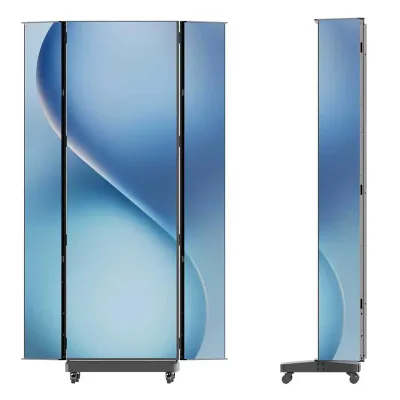
$113.0228 - $123.2973
MOQ: 1 pieces
$113.9623 - $124.3221
MOQ: 1 pieces
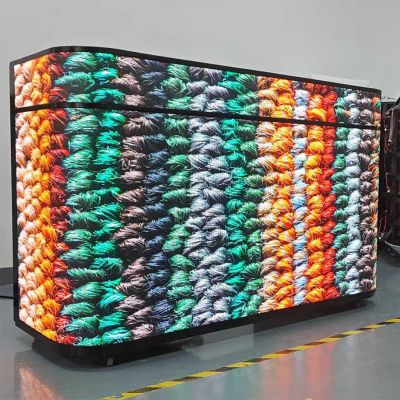
Professional Indoor Advertising LED Video Wall With Roll Up Screens For Cinema Matrix Paneles Poster
$112.945 - $123.2121
MOQ: 1 pieces

Shenzhen GM Technology Co., Ltd.
- Manufacturer/Factory
- China Guangdong
- Lead time23 days
- Avg. response≤ 2h
Main productsOutdoor Advertising LED Display, Indoor Advertising LED Display, Outdoor Rental LED Display, Indoor Rental LED Display, Outdoor Indoor LED Module, Transparent LED Display, LED Mesh LED Curtain, LED Advertising Machine, LED Floor Screen, Outdoor LED Display
Main marketsSouth America,Eastern Europe,Mid East,North America,Southeast Asia,Eastern Asia,Oceania,Western Europe,Africa

High-Quality Outdoor Indoor LED Video Wall for Fixed (P2.5-P3-P4-P5-P6)
$435.00 - $580.00
MOQ: 1 Square Meters

P2.5 Indoor Full Color LED Video Wall, High Refresh Background LED Display
$560.00 - $820.00
MOQ: 1 Square Meters




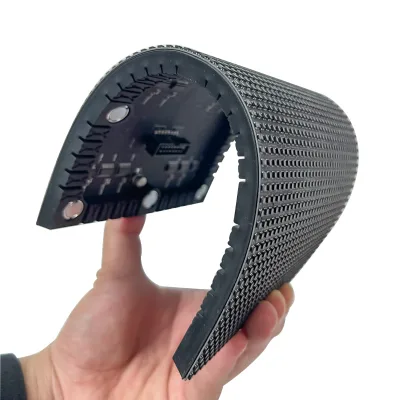
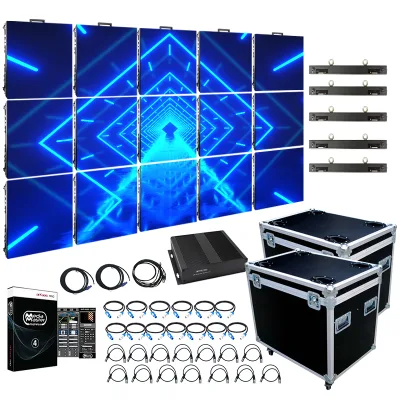
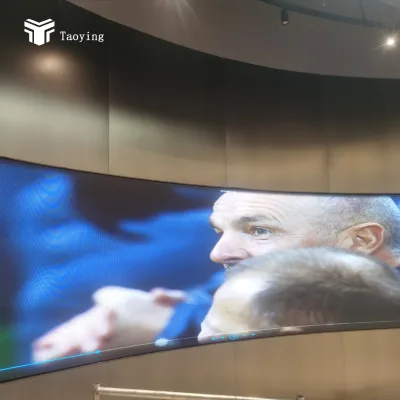
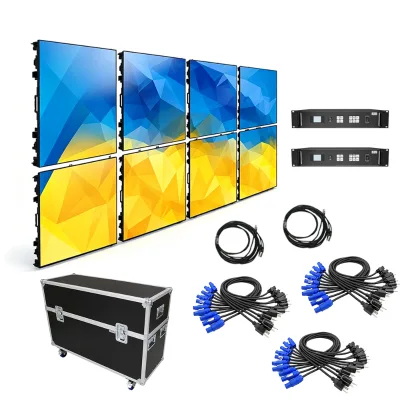
Comprehensive Sourcing Guide
1000nits Pixel LED Video Wall Supplier Concentration and Factory Types
The current supplier landscape for 1000nits Pixel LED Video Wall products reveals a distinct concentration of manufacturing capabilities within specific geographic regions, primarily identified as China and Guangdong. This regional clustering is significant for buyers seeking direct factory access, as the data indicates that the majority of available suppliers operate as Manufacturer/Factory entities rather than purely trading companies. This structural advantage allows for greater control over production quality and customization options, which are critical for high-resolution displays. The presence of companies offering both OEM and ODM services suggests a mature industrial ecosystem capable of adapting standard 1000nits specifications to unique client requirements. Buyers evaluating these suppliers should note that the concentration in Guangdong often correlates with established supply chains for electronic components, potentially influencing both lead times and material quality. Understanding this geographic and structural concentration helps in narrowing down the search to entities that possess the physical infrastructure necessary for producing complex LED video walls with specific brightness ratings.
In addition to the factory type, the product portfolio of these suppliers provides insight into their specialization and technical depth. Many of the identified manufacturers list a broad range of LED display products, including Outdoor LED Display, Indoor LED Display, and Rental LED Screen, indicating a versatile production line. This versatility is particularly relevant for the 1000nits Pixel LED Video Wall category, as it suggests that the suppliers have the technical expertise to handle various pixel pitches and applications. The data shows that suppliers often produce models with specific pixel configurations, such as P1.8 or P1.86, which are closely related to the 1000nits brightness requirement. By examining the main products listed, buyers can assess whether a supplier’s core competency aligns with their specific needs for high-brightness indoor or outdoor displays. The coexistence of Manufacturer and Trading Company types in the results further highlights the importance of verifying the actual source of production, as trading companies may offer broader catalogs but less direct oversight of the manufacturing process for specialized items like 1000nits Pixel LED Video Wall units.
How to Verify 1000nits Pixel LED Video Wall Suppliers
Verifying the legitimacy and capability of suppliers for 1000nits Pixel LED Video Wall products requires a rigorous examination of their stated certifications and system qualifications. The available data indicates that many manufacturers hold ISO 9001 certification, which serves as a baseline indicator of quality management systems in place during production. However, buyers must go beyond this general certification to verify product-specific compliance, such as CCC, CE, ETL, and RoHS, which are frequently listed in product attributes for LED displays. These certifications are crucial for ensuring that the 1000nits brightness output is achieved safely and meets international electrical and environmental standards. It is essential to request valid certificates directly from the supplier and cross-reference them with issuing bodies, as the presence of these marks on a product page does not guarantee current validity. Additionally, buyers should inquire about the testing procedures used to validate the 1000nits claim, as brightness can degrade over time or vary across different panels. This verification process helps mitigate the risk of receiving products that do not meet the specified luminance requirements, which are critical for visibility in well-lit environments.
Beyond certifications, assessing the supplier’s operational responsiveness and production capacity is vital for ensuring a smooth procurement process. The data shows varying response times, with some suppliers indicating a response time of 6.19 hours, while others claim a response time of 1 hour. This metric is a strong indicator of the supplier’s customer service efficiency and their ability to address technical queries regarding the 1000nits Pixel LED Video Wall specifications promptly. Buyers should also evaluate the stated lead times, which range from 15 to 23 days in the observed results, to determine if the supplier can meet project deadlines. Furthermore, examining the supplier’s capacity for customization, such as available OEM and ODM services, can reveal their flexibility in adapting standard 1000nits models to specific design or functional requirements. By combining verification of certifications with an assessment of operational metrics, buyers can build a comprehensive profile of each supplier’s reliability and technical competence, ensuring that the chosen partner can deliver high-quality 1000nits Pixel LED Video Wall solutions on time and within specification.
What to Compare Across 1000nits Pixel LED Video Wall Suppliers
When comparing suppliers for 1000nits Pixel LED Video Wall products, buyers should prioritize the technical specifications that directly impact performance and installation. Key attributes to evaluate include pixel pitch, brightness levels, and refresh rates, as these factors determine the visual quality and suitability for different environments. The data reveals a range of pixel pitches, such as P1.8, P1.86, P2.5, and P3.91, each offering different viewing distances and resolution capabilities. Buyers must ensure that the selected pixel pitch aligns with their intended viewing distance, as closer pitches provide higher resolution but may come at a higher cost. Additionally, while the core keyword specifies 1000nits, some products may offer variable brightness ranges, such as 800nits to 4000nits, allowing for adjustment based on ambient light conditions. Comparing these technical details across suppliers helps in identifying the best value proposition for specific application needs, whether for indoor advertising, stage performance, or retail displays. It is also important to check the scanning mode and driver IC type, as these components influence the stability and longevity of the display.
In addition to technical specs, buyers should compare commercial terms such as pricing, MOQ, and lead times to optimize their procurement strategy. The observed price ranges for LED video walls vary significantly, with some models starting as low as $399 per square meter and others reaching up to $699. These price differences often correlate with the pixel pitch, brightness, and included features like front service access or specific cabinet materials. Buyers should also note the MOQ, which is often listed as 1 unit, providing flexibility for small-scale projects or prototyping. Lead times, ranging from 15 to 23 days, should be factored into project planning to avoid delays. Furthermore, comparing the warranty terms, such as the 3-year warranty mentioned for some products, can provide insight into the supplier’s confidence in their product quality. By systematically evaluating these commercial and technical dimensions, buyers can make informed decisions that balance cost, performance, and service reliability, ensuring that the selected 1000nits Pixel LED Video Wall supplier meets both their budgetary and operational requirements.
Common 1000nits Pixel LED Video Wall Sourcing Risks
One of the primary risks in sourcing 1000nits Pixel LED Video Wall products is the potential discrepancy between advertised specifications and actual product performance. Buyers may encounter suppliers who claim high brightness levels, such as 1000nits, but deliver units that degrade quickly or fail to maintain consistent luminance across the entire panel. This risk is exacerbated by the use of lower-quality LED lamps or driver ICs, which can lead to uneven brightness or color shifts over time. To mitigate this, buyers should request detailed technical datasheets and, if possible, conduct third-party testing to verify the brightness and color consistency of the 1000nits Pixel LED Video Wall units. Additionally, the risk of receiving products with incompatible control systems or software is significant, as different suppliers may use varying driver ICs and software OS, such as Windows or proprietary systems. Ensuring compatibility with existing infrastructure is crucial to avoid integration issues and additional costs for adapters or software licenses. Buyers should also be cautious of suppliers who do not provide clear information about the scanning mode or pixel configuration, as these factors can impact the overall visual quality and power consumption of the display.
Another common risk is the variability in build quality and durability, particularly regarding the cabinet materials and IP rating for outdoor applications. While indoor displays may use aluminum cabinets, outdoor units often require steel or specialized materials to withstand environmental conditions. The data shows variations in cabinet types, such as Alu/Steel, and IP ratings, which are critical for protecting the internal components from dust and moisture. Buyers must verify that the 1000nits Pixel LED Video Wall units are constructed with appropriate materials for their intended environment, as substandard cabinets can lead to premature failure and costly repairs. Furthermore, the risk of inadequate after-sales support is a concern, especially for large-scale installations that may require technical assistance during setup or maintenance. Buyers should assess the supplier’s support capabilities, including the availability of spare parts and the responsiveness of their technical team. By identifying and addressing these risks through thorough due diligence and clear contractual agreements, buyers can protect their investments and ensure the long-term reliability of their 1000nits Pixel LED Video Wall installations.
1000nits Pixel LED Video Wall Regional Sourcing and Logistics
Sourcing 1000nits Pixel LED Video Wall products from regional clusters, particularly in China and Guangdong, offers logistical advantages but also presents specific challenges that buyers must manage. The concentration of manufacturers in these regions facilitates efficient production and access to a robust supply chain for electronic components, which can reduce lead times and costs. However, buyers must account for the complexities of international shipping, as LED video walls are large, heavy, and fragile items that require specialized packaging and handling. The data indicates that products are often packed in plywood cases, which provide adequate protection but add to the overall weight and volume of the shipment. Buyers should work closely with their suppliers to optimize packaging strategies and select appropriate freight methods, whether by sea or air, based on project urgency and budget. Additionally, understanding the export regulations and customs requirements of the destination country is essential to avoid delays and additional duties. Buyers should also consider the impact of regional logistics on lead times, as factors such as port congestion or seasonal demand can affect delivery schedules.
Furthermore, the regional sourcing of 1000nits Pixel LED Video Wall products involves considerations related to local support and maintenance. Suppliers located in manufacturing hubs may offer faster initial response times, but buyers in distant regions may face challenges in accessing on-site technical support. To address this, buyers should inquire about the availability of remote troubleshooting services and the shipment of spare parts, such as power supply units and receiver cards, which are critical for maintaining display functionality. The data shows that some suppliers offer front service solutions, which can simplify maintenance by allowing access to components from the front of the cabinet. Buyers should evaluate these features when selecting a supplier, as they can significantly reduce downtime and maintenance costs. Additionally, buyers should consider the environmental conditions of their location, as extreme temperatures or humidity levels may require specific adjustments to the display’s operation or cooling systems. By carefully planning for regional logistics and support, buyers can ensure that their 1000nits Pixel LED Video Wall installations remain operational and efficient throughout their lifecycle.
1000nits Pixel LED Video Wall Commercial Terms and Order Planning
Effective order planning for 1000nits Pixel LED Video Wall products requires a clear understanding of the commercial terms offered by suppliers, including pricing structures, payment terms, and warranty policies. The observed price ranges, from $399 to $699 per square meter, highlight the importance of obtaining detailed quotes that break down costs by component, such as LED modules, power supplies, and control systems. Buyers should negotiate for volume discounts if their project requires a large number of units, as this can significantly reduce the overall cost. Additionally, understanding the payment terms, such
FAQs
What is the price range for 1000nits pixel LED video walls?
Prices for these displays typically range from $399 to $699 per square meter depending on pixel pitch and specifications. Higher resolution models with finer pixel pitches generally command higher prices. Buyers should verify exact costs based on their required brightness and resolution needs.
What certifications do these LED video walls carry?
Manufacturers typically provide CCC, CE, ETL, and RoHS certifications for their LED video wall products. These certifications ensure compliance with international safety and environmental standards. Buyers should request valid certificates to verify product quality and regulatory adherence before placing orders.
What is the typical lead time for manufacturing?
Lead times for these LED video walls generally range from 15 to 23 days. The exact duration depends on order volume and customization requirements. Buyers should confirm specific timelines with suppliers to ensure timely delivery for their project schedules and installation deadlines.
What is the minimum order quantity for these displays?
The minimum order quantity is typically one unit, allowing buyers to test samples or order small batches. This low MOQ facilitates easier procurement for smaller projects or initial quality assessments. Buyers can start with single units before scaling up for larger installations.
Where are these LED video walls manufactured?
These products are primarily manufactured in Guangdong, China. This region is a major hub for electronic display manufacturing with established supply chains. Buyers sourcing from this location benefit from competitive pricing and access to a wide variety of LED display technologies.
What is the average power consumption of these units?
Average power consumption for outdoor models is approximately 300W per square meter. Indoor models may vary based on brightness settings and pixel pitch. Buyers should calculate total energy costs based on the specific model's power rating and expected daily usage hours.
What response time can buyers expect from suppliers?
Supplier response times vary, with some responding within one day and others taking up to six days. Faster response times indicate active sales teams ready to assist with inquiries. Buyers should prioritize suppliers with quicker response rates for efficient communication and project planning.