Source Damascus Steel Chef Knife Set for Chefs, Housewives, and Caterers
Explore 28 options for a Damascus Steel Chef Knife Set designed for slicing, chopping, and fruit preparation. Compare models with stainless steel blades, wood or resin handles, and various pack sizes to find the right fit for professional chefs and home cooks.
Key considerations
Products List


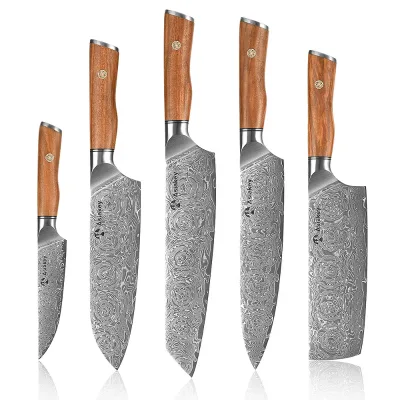
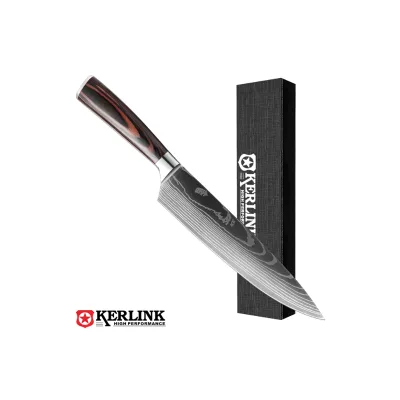


Comprehensive Sourcing Guide
Damascus Steel Chef Knife Set Sourcing Guide
Sourcing high-performance kitchen cutlery requires a nuanced understanding of material properties and manufacturing origins. The global market for premium chef knives is heavily concentrated in specific industrial hubs, with Yangjiang, China, emerging as a dominant production center for both standard and specialized steel products. Buyers must distinguish between mass-produced stainless steel sets and those utilizing layered or pattern-welded techniques often marketed under the "Damascus" label. This distinction is critical for procurement teams managing brand positioning, as the perceived value and functional performance of these tools vary significantly based on the forging process and blade composition.
Procurement decisions should also account for the diverse functional roles these knives play in professional and domestic settings. Listings frequently categorize these items as slicing knives, bone choppers, or fruit knives, indicating a need for specialized inventory management. Whether targeting professional chefs or housewives, the end-user’s requirement for sharpness, comfort, and durability dictates the selection criteria. Understanding these usage patterns allows buyers to align their purchasing orders with specific market segments, ensuring that the product mix meets the distinct operational needs of culinary professionals versus home cooks.
Product Scope and Observed Listing Signals
Market analysis reveals a wide variance in product configurations, ranging from single-unit slicing knives to comprehensive multi-piece sets. Observed listings indicate that packaging formats are diverse, including individual white boxes, color boxes, and bulk cartons, which directly impacts logistics and retail presentation strategies. Some suppliers offer complete sets containing five to eight pieces, while others provide individual models with specific dimensions such as seven-inch or eight-inch blades. This variability requires buyers to carefully define their SKU structure to avoid inventory confusion and ensure that the final product matches the marketing claims made to end consumers.
The observed price range for these items spans from approximately $0.75 to over $200, reflecting the vast difference between entry-level stainless steel tools and premium forged options. Minimum order quantities (MOQ) also fluctuate significantly, with some suppliers accepting orders as low as two units for sampling, while others require bulk commitments of up to two thousand pieces. This disparity suggests that buyers can access flexible entry points for market testing or commit to larger volumes for cost efficiency. It is essential to verify whether the listed prices include customization services, such as logo printing, which can add value but also increase the initial investment and lead time.
Technical Specifications to Verify
Blade material composition is the primary technical differentiator in this category. While many listings specify standard stainless steel, others highlight advanced materials such as Damascus steel or specific stainless steel grades, which imply superior edge retention and corrosion resistance. Buyers must verify the actual steel grade and layer count, as the term "Damascus" is sometimes used loosely for patterned stainless steel rather than true layered forge-welded steel. Additionally, handle materials vary between resin and wood, each offering distinct aesthetic and ergonomic properties. Resin handles may provide better durability in humid environments, whereas wooden handles offer a traditional, premium feel that appeals to certain consumer demographics.
Dimensional specifications and model numbers are critical for ensuring consistency across orders. Observed data includes specific model identifiers like ZY-RSK005 and Zy-Hhk005, along with standard sizes such as 34*4.8cm or 5-inch blades. These precise measurements must be cross-referenced with international sizing standards to prevent discrepancies in product descriptions. Furthermore, the forging process, whether stamped or hand-forged, significantly influences the knife’s balance and longevity. Buyers should request detailed technical sheets that confirm the blade thickness, handle ergonomics, and overall weight distribution to ensure the product meets the expected performance standards for professional culinary use.
Compliance and Safety Documentation
Food safety certifications are non-negotiable for kitchenware entering regulated markets. Buyers must ensure that suppliers provide valid documentation for materials coming into contact with food, such as LFGB or CE/EU compliance certificates. These certifications verify that the steel and handle materials do not leach harmful substances into food during normal use. Additionally, raw material certificates may be required to trace the origin and quality of the steel used in production. Without these documents, products risk being rejected at customs or facing legal liabilities in regions with strict food safety regulations, making verification a critical step in the supplier qualification process.
Customization and branding requirements also intersect with compliance, particularly regarding logo application and packaging materials. Suppliers offering customized logos must ensure that the inks or engraving processes used do not compromise the safety or integrity of the product. Furthermore, packaging standards, such as the use of specific box types or protective bags, must align with environmental regulations in the destination market. Buyers should verify that all packaging components are recyclable or meet local waste management standards. This holistic approach to compliance ensures that the product not only performs well but also adheres to the legal and ethical standards of the target market.
Cost Drivers and Commercial Terms
The cost structure of Damascus steel chef knife sets is influenced by several key factors, including material complexity, labor intensity, and packaging requirements. Hand-forged blades and layered steel construction typically command higher prices due to the skilled labor and time required for production. Conversely, stamped stainless steel knives offer a more economical option for volume-driven procurement. Buyers should analyze the cost breakdown to understand where value is added, whether through superior steel quality, ergonomic handle design, or comprehensive set configurations. This analysis helps in negotiating better terms and identifying opportunities for cost optimization without compromising quality.
Commercial terms, including MOQs and payment structures, vary widely among suppliers. Some manufacturers accept low MOQs for customized orders, allowing for flexible inventory management, while others require large bulk purchases to maintain profitability. Lead times are also a critical consideration, as customizations and complex forging processes can extend production schedules. Buyers should establish clear agreements on delivery timelines and penalty clauses for delays. Additionally, understanding the total landed cost, including shipping and duties, is essential for accurate margin calculation. Transparent communication regarding these terms helps mitigate risks and ensures a smooth supply chain operation.
Supplier Qualification and Quality Control
Evaluating supplier capabilities requires a thorough assessment of their manufacturing processes and quality control systems. Buyers should verify the supplier’s experience in producing Damascus or high-grade stainless steel knives, as specialized knowledge is crucial for maintaining product consistency. Requesting samples is a vital step to evaluate the sharpness, balance, and finish of the blades. Additionally, suppliers should provide evidence of their quality control procedures, such as inspection protocols for blade hardness, handle attachment strength, and packaging integrity. This due diligence helps identify reliable partners who can consistently deliver products that meet specified standards.
OEM and ODM capabilities are important for buyers seeking unique product offerings. Suppliers who accept customized designs and logos demonstrate flexibility and a commitment to meeting specific brand requirements. However, buyers must ensure that these customization services do not compromise the core quality of the product. Establishing a clear communication channel for design approvals and sample confirmations is essential to avoid misunderstandings. Furthermore, building a long-term relationship with a supplier who prioritizes quality and compliance can lead to better pricing, priority production, and improved support for future procurement needs.
Long-Term Procurement Checks
Sustainable procurement practices require ongoing monitoring of supplier performance and market trends. Buyers should regularly review supplier compliance with safety standards and environmental regulations, as these requirements can evolve over time. Maintaining open communication with suppliers regarding any changes in material sourcing or production processes helps ensure continued product quality and regulatory adherence. Additionally, staying informed about advancements in knife technology and materials can provide opportunities to upgrade product offerings and maintain a competitive edge in the market.
Feedback from end-users and market performance data should be integrated into future procurement decisions. Analyzing sales trends and customer reviews can highlight specific features that are highly valued, such as handle comfort or blade durability. This insight allows buyers to refine their product specifications and align their inventory with consumer preferences. Furthermore, diversifying the supplier base can mitigate risks associated with supply chain disruptions. By continuously evaluating and adapting procurement strategies, buyers can ensure long-term success and resilience in the competitive kitchenware market.
FAQs
What materials are used for the handles of these knife sets?
The handles are crafted from either resin or wood, offering distinct aesthetic and functional benefits. Resin handles provide durability and moisture resistance, while wooden handles offer a traditional, comfortable grip. Both materials are selected to ensure a secure hold during precise slicing and chopping tasks in professional or home kitchens.
Can I customize the logo on the damascus steel knife sets?
Yes, customized logos are available for bulk orders. Buyers can request specific branding to enhance product identity. This customization option allows businesses to tailor the knife sets to their market needs. Please confirm logo details and placement with the supplier to ensure alignment with production capabilities and quality standards.
What certifications do the stainless steel knife sets hold?
The knife sets hold CE/EU and LFGB certifications, ensuring compliance with strict safety standards. Additionally, a Raw Material Certificate is provided to verify the quality of the stainless steel used. These certifications guarantee that the products meet international requirements for food contact safety and material integrity for global distribution.
What is the minimum order quantity for these knife sets?
The minimum order quantity varies by product model, typically ranging from 500 to 1000 sets. Some specific models may require a minimum of 2000 units. Buyers should check the specific MOQ for their chosen model to plan inventory effectively. Flexible MOQs are often available for standard configurations.
Which sizes are available for the damascus steel chef knife sets?
Available sizes include 5-inch, 7-inch, and 8-inch blades, catering to various culinary needs. Specific models also feature dimensions like 34*4.8cm for specialized tasks. These sizes cover essential functions such as slicing, chopping, and fruit preparation, providing versatility for both professional chefs and home cooks in daily kitchen operations.
How are the knife sets packaged for shipping?
Packaging options include white boxes, color boxes, cartons, and PP bags with knife tip sets. Some models use simple box packaging, while others offer comprehensive set packaging. Secure packaging ensures product protection during transit. Buyers can select packaging that aligns with retail presentation needs or bulk shipping efficiency requirements.