Source Plastic Toddler Pushing Car Walker for learning, training, and play
Compare 30 Plastic Toddler Pushing Car Walker options from verified Chinese suppliers. Buyers can evaluate features like foldability, load bearing, and certifications to find the right walker for learning, training, and play; compare the available evidence and request quotations based on your requirements.
Updated
Key considerations
Products List
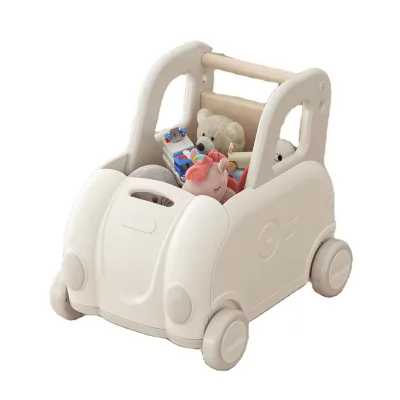
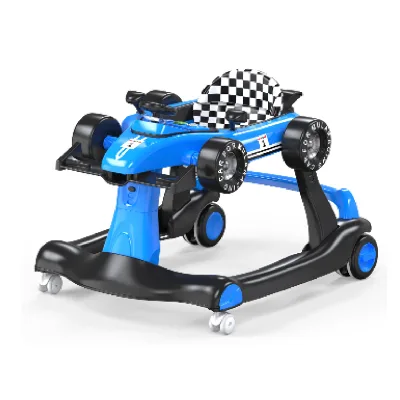
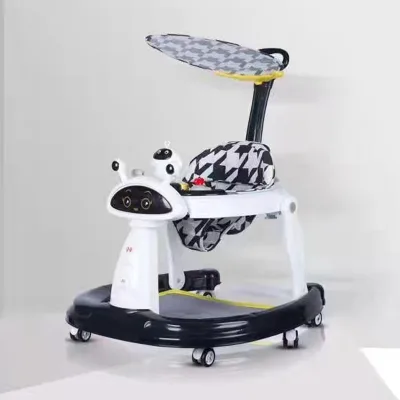
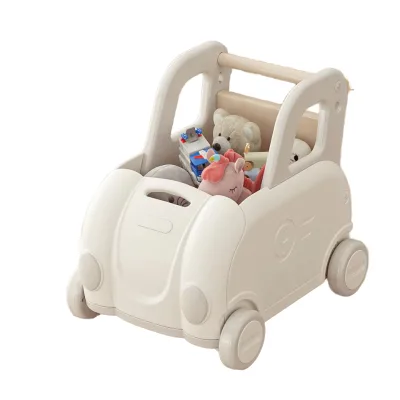
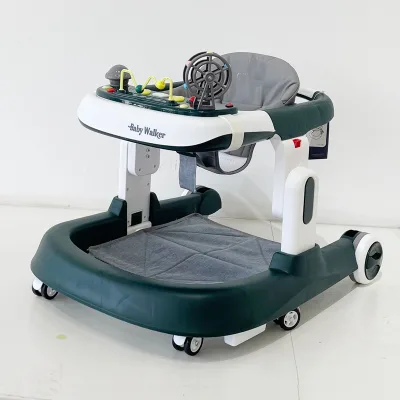
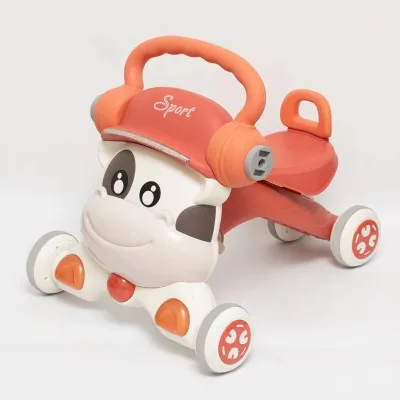


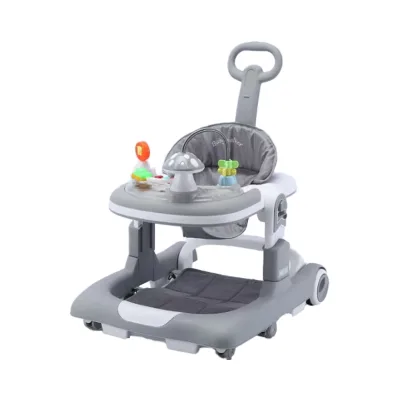
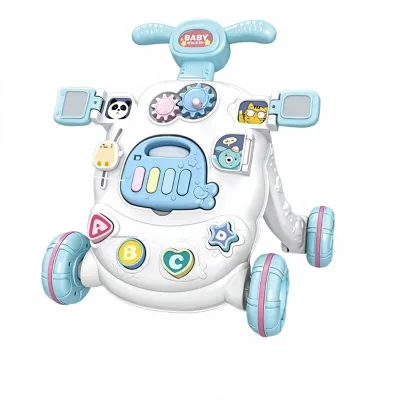
New Arrival Plastic Multifunctional Baby Walking Chair Walker with Wheels
$8.00 - $12.00
MOQ: 50 Pieces


$9.40 - $10.80
MOQ: 300 Pieces


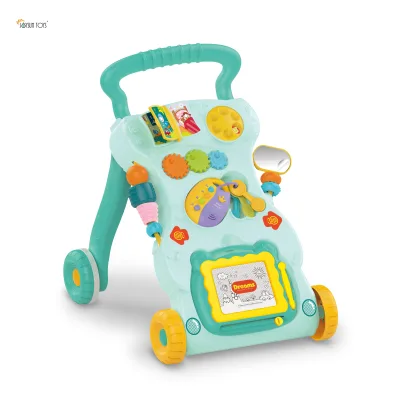
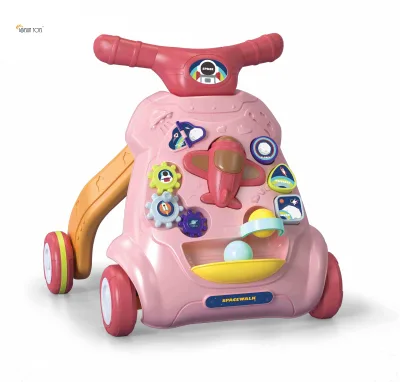
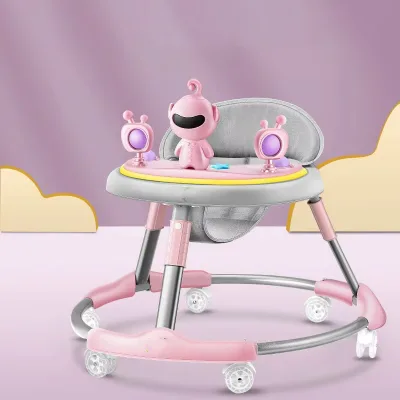


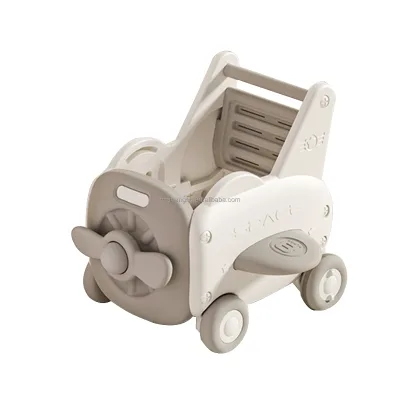
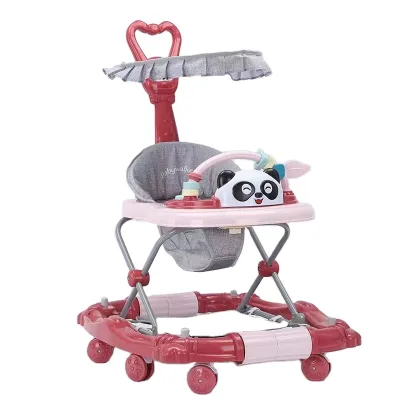
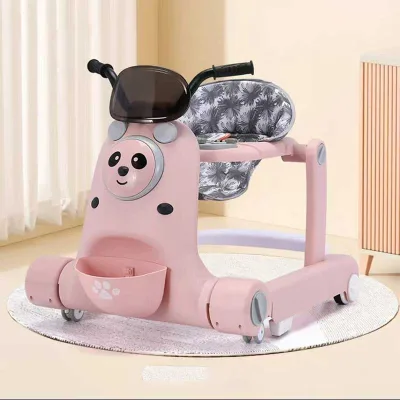
Comprehensive Sourcing Guide
Plastic Toddler Pushing Car Walker Sourcing Guide
Sourcing plastic toddler pushing car walkers requires a careful balance between structural durability, safety compliance, and aesthetic appeal. These products serve as essential mobility aids for infants transitioning from crawling to independent walking, offering stability while encouraging physical development. Buyers must navigate a market where material quality and design functionality directly impact child safety and parent satisfaction. The following guide outlines critical verification steps for procurement professionals seeking reliable supply chain partners for these developmental toys.
Product Scope and Observed Listing Signals
Market listings for plastic toddler pushing car walkers reveal a diverse range of specifications, with observed prices ranging from $6.47 to $27.70 USD. This variance often reflects differences in material grade, packaging complexity, and included accessories such as removable toys or musical components. Buyers should note that minimum order quantities (MOQ) typically span from 1 to 500 units, allowing for both sample testing and bulk procurement flexibility. Understanding these commercial signals helps in budgeting and negotiating favorable terms with potential suppliers.
The observed product attributes indicate significant variation in physical dimensions and weight, which impacts shipping costs and storage requirements. For instance, single package sizes range from compact dimensions like 20x59x55 cm to larger configurations such as 61x16x73 cm. Weight observations vary from 4.9 kg to 6.0 kg per unit, suggesting differences in plastic density or structural reinforcement. Procurement teams must align these logistical metrics with their distribution channels to avoid unexpected freight surcharges or handling difficulties at the destination port.
Technical Specifications to Verify
Verifying frame material and structural integrity is paramount, as most listings specify plastic construction, with some highlighting HDPE for enhanced environmental protection and durability. Buyers should confirm whether the walker is foldable, as this feature significantly affects storage efficiency and portability for retail display or home use. Some models offer easy folding mechanisms, while others are fixed-frame designs, each presenting distinct advantages for different market segments. Ensuring the frame can withstand typical toddler weight without deformation is a critical technical check.
Load-bearing capacity and age group suitability must be explicitly confirmed to prevent safety liabilities. While some products support up to 20 kg, others are rated for only 5 kg, which may limit their usability for heavier toddlers. Age recommendations vary widely, from 0-3 years to specific ranges like 6 months to 3 years, requiring careful alignment with target demographic expectations. Additionally, verifying the presence of anti-tip wheels and secure toy attachments ensures the product meets functional expectations for learning to walk safely.
Compliance and Safety Documentation
Safety certification is non-negotiable for toddler mobility products, with observed listings citing EN standards and broader certificates like CPC, CE, SNI, GCC, and ISO9001. Buyers must verify that the specific model holds valid certifications for their target export markets, as regulatory requirements differ significantly between regions. Documentation should include third-party test reports confirming compliance with mechanical, flammability, and chemical safety standards for plastics used in children’s products.
Proper labeling and instructional materials are equally critical for regulatory compliance and consumer safety. Suppliers should provide clear age warnings, assembly instructions, and maintenance guidelines in the destination language. Buyers should request sample units to inspect print quality, warning labels, and the clarity of usage instructions. Ensuring that all safety warnings are prominently displayed helps mitigate liability risks and enhances brand trust among discerning parents.
Cost Drivers and Commercial Terms
Several factors influence the final landed cost of plastic toddler pushing car walkers, including raw material prices, manufacturing complexity, and packaging design. Customization options, such as OEM/ODM services and customized logos, often incur additional setup fees and higher MOQs. Buyers should evaluate whether the cost of branding justifies the investment based on their sales volume and market positioning strategy. Transparent pricing structures help in comparing suppliers accurately without hidden charges.
Shipping terms and port of dispatch also play a significant role in total procurement costs. Common dispatch ports include Ningbo, Shanghai, and Guangzhou, which offer robust logistics networks but may vary in transit times and freight rates. Buyers should negotiate clear Incoterms to define responsibility for insurance and customs clearance. Understanding sample lead times, typically 5-7 days, allows for better planning of product launches and inventory replenishment cycles.
Supplier Qualification and Quality Control
Evaluating supplier capability involves assessing their production capacity, quality management systems, and past performance. Buyers should verify the supplier’s ability to maintain consistent quality across large batches, especially when dealing with plastic injection molding processes. Requesting references or case studies from previous clients can provide insights into reliability and responsiveness. A robust quality control process minimizes the risk of receiving defective units.
Pre-shipment inspections are essential to ensure that products meet agreed-upon specifications and safety standards. Buyers should define clear acceptance criteria for cosmetic defects, structural integrity, and functional performance before authorizing shipment. Implementing a random sampling plan for inspection helps identify potential issues early. Establishing a clear communication channel for addressing non-conformities ensures swift resolution and maintains supply chain continuity.
Long-Term Procurement Checks
Continuous monitoring of supplier performance is crucial for maintaining product quality and service reliability over time. Buyers should track key metrics such as on-time delivery rates, defect percentages, and responsiveness to issues. Regular audits or periodic quality checks help identify trends and prevent recurring problems. Building a strong partnership with suppliers fosters collaboration and innovation in product design and safety features.
Market feedback and post-sales data should be regularly analyzed to inform future procurement decisions. Understanding customer complaints or returns related to specific models helps refine selection criteria and supplier requirements. Staying updated on regulatory changes and emerging safety standards ensures ongoing compliance. A proactive approach to supplier management supports sustainable growth and brand reputation in the competitive toddler product market.
FAQs
What is the load bearing capacity of the plastic walker?
The plastic walker supports a maximum load of 20 kilograms for safe usage. Some models listed have a lower capacity of 5 kilograms. Buyers should verify the specific model number and load rating before purchase to ensure the product meets the child's weight requirements.
Which certifications are available for these baby walkers?
Available certifications include EN, CPC, CE, SNI, GCC, and ISO9001 standards. These documents verify safety and quality compliance for international markets. Buyers must confirm which specific certificate applies to the selected model number and color option before placing a bulk order.
Can the plastic walker be folded for portable storage?
Some models feature an easy folding portable design for convenient storage and transport. Other listed variants are not foldable and require fixed assembly. Buyers should check the specific product attributes for the Is Foldable status to match their storage needs.
What is the typical sample time for custom orders?
The standard sample time is five to seven days for production and delivery. This duration applies to customized logo requests and specific color selections like gray, pink, or black. Buyers should plan their procurement timeline accordingly to accommodate this lead time.
Which age groups are suitable for this baby walker?
The product is designed for children ranging from six months to three years old. Some listings also indicate suitability for ages zero to six months or over three years. Buyers must select the specific age group attribute that matches the intended user's developmental stage.
What is the single package size for the walker?
Single package sizes vary by model, with dimensions such as 57 by 28 by 36.5 centimeters or 61 by 16 by 73 centimeters. The gross weight per package ranges from 4.9 to 6 kilograms. Buyers should verify the exact dimensions for shipping calculations.
Can buyers request a customized logo on the product?
Yes, customized logo services are available for branding purposes. Buyers can request specific designs to be applied to the plastic walker frame. This customization option is typically offered alongside other OEM and ODM services for bulk orders.