Source Wooden Car Track with 4 Random Cars for Playrooms, Schools, and Gift Shops
Compare 30 listings of Wooden Car Track with 4 Random Cars from verified Chinese suppliers. Evaluate specifications, pricing, and customization options for educational toys and children's playsets to find the best fit for your business needs today; compare the available evidence and request quotations based on your requirements.
Updated
Key considerations
Products List
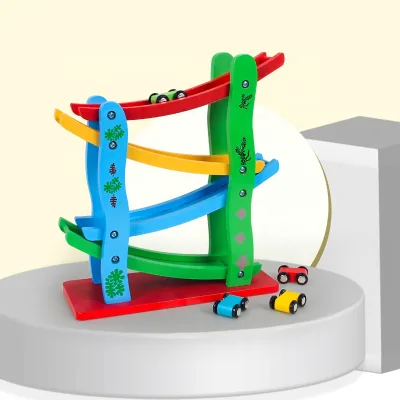
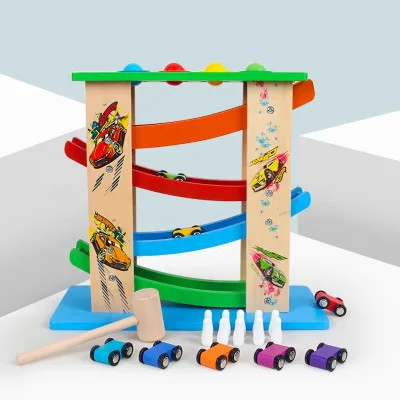
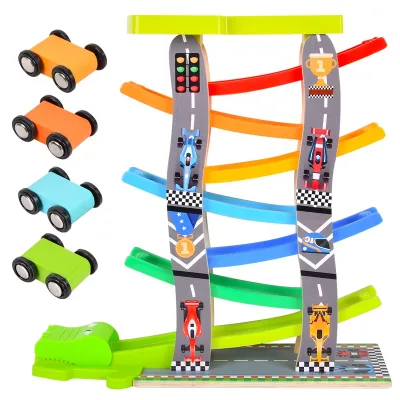
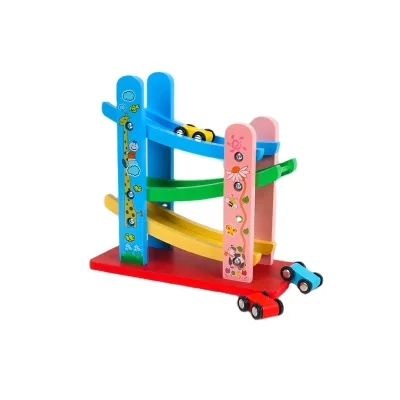
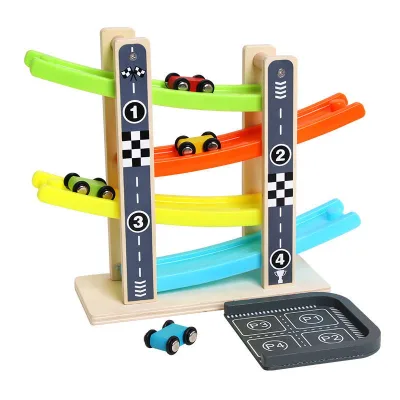
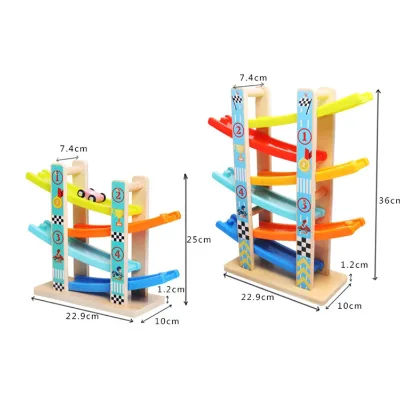


Customize Mini Kids Children Baby Wooden Ramp Classic Ramp Sliding Race Car Toy
$3.98 - $4.98
MOQ: 500 Pieces
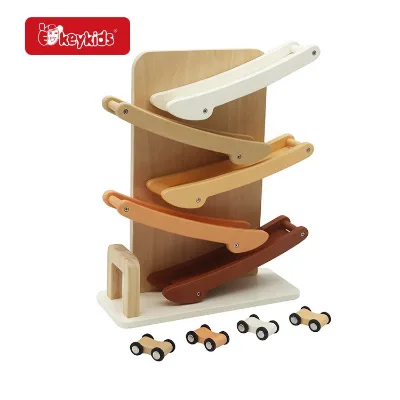
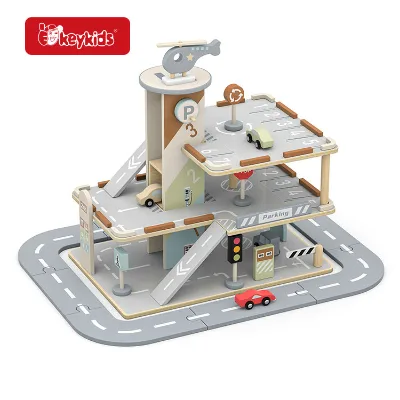
Toddler Race Car Ramp Track Toy Set Wooden Toy Car Garage with Rails W04B135
$16.4515 - $17.4798
MOQ: 500 sets
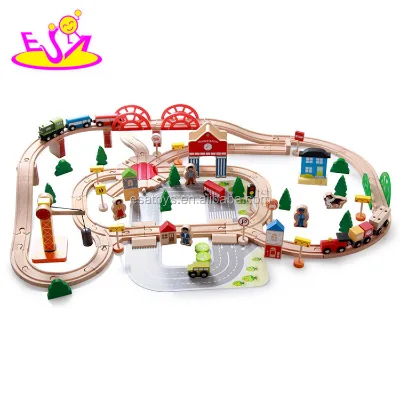
Wholesale Cheap 120 Pcs Construction Toy Wooden Race Car Track for Kids W04C074
$10.00 - $30.00
MOQ: 100 Minimum
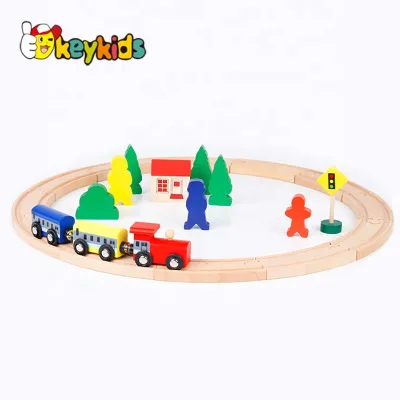

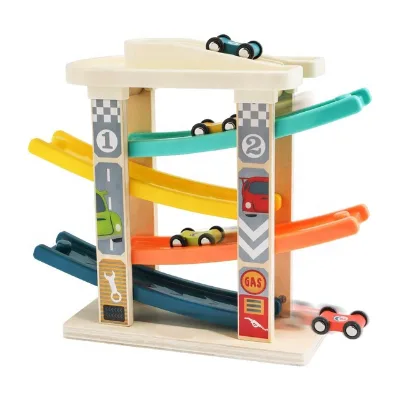
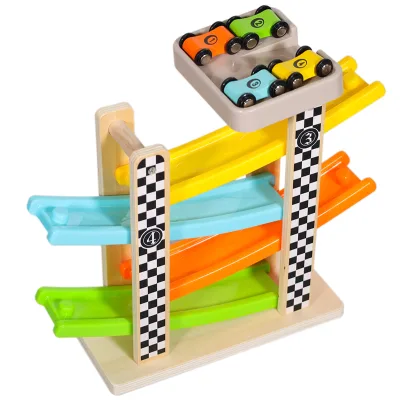
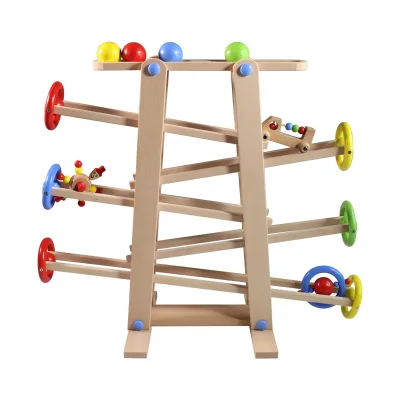
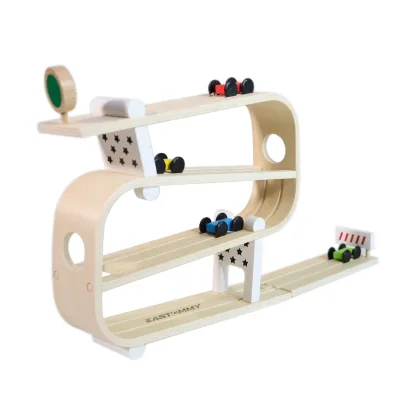


New Hottest Kids Slot Racing Wooden Ramp Track with 4 Gliding Cars W04e060
$1.00 - $6.00
MOQ: 100 Pieces

Wooden Race Track Car Wood Ramp Race Car Toys Four-Layer Rail Car Toyw04e455
$3.00 - $10.00
MOQ: 1000 Pieces


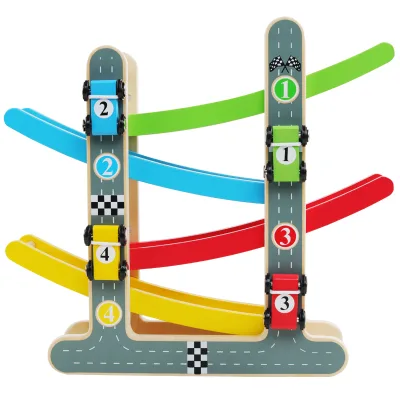
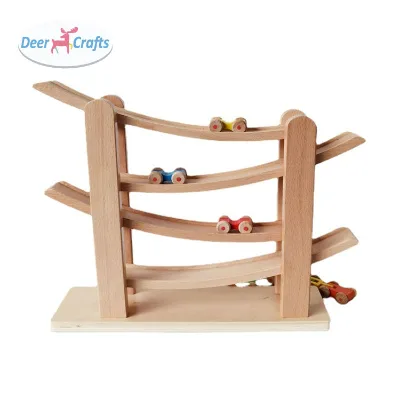
Wooden Mini Race Car Track Toy Sliding Racing Ramp with Mini Cars DE04454
$10.79 - $10.99
MOQ: 500 sets

Comprehensive Sourcing Guide
Wooden Car Track with 4 Random Cars Sourcing Guide
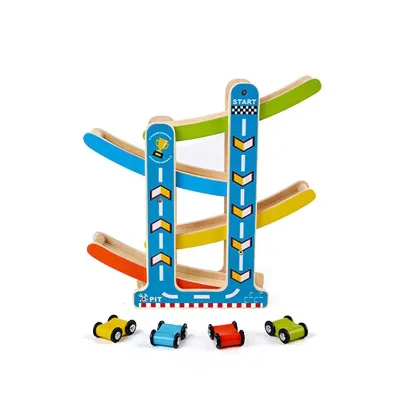
Procuring wooden car tracks with random car assortments requires careful attention to the specific model definitions provided by manufacturers. The available listings indicate distinct product lines, such as the hc-ty296 and hc-ty297 models, which feature sliding rail mechanisms designed for children aged two to seven years. Buyers must verify that the "random cars" component aligns with the specific packaging details, as some listings specify a single item selling unit while others define a carton quantity of thirty pieces. This distinction is critical for inventory planning and ensuring the final product matches the intended educational or play value.
The supply chain for these items originates primarily from Zhejiang, China, with major dispatch ports located in Shanghai and Ningbo. Suppliers like Hoye crafts offer customization services for logos and packaging, which allows buyers to tailor the product for specific retail markets. However, the observed supply ability is capped at 1000 cartons per month for specific models, necessitating early order placement to secure stock. Buyers should also note that the "random" nature of the cars may vary by model, with some listings explicitly mentioning cartoon toy cars or specific gliding race track configurations.
Product Scope and Observed Listing Signals
The product scope encompasses various wooden track systems, including sliding rail cars and ramp race tracks, with a primary function focused on playing and educational development. Listings reveal that these toys are marketed as fine motor skills trainers, targeting unisex audiences within the 2 to 7-year age range. The physical dimensions vary significantly across models, with single package sizes ranging from approximately 15 cm in width to over 43 cm in length, directly impacting shipping costs and storage requirements for the buyer.
Observations of the listing data show a wide variance in the quantity per carton, ranging from 10 to 45 pieces depending on the specific model number and packaging design. For instance, the hc-ty292 model lists a carton quantity of 10 pieces, whereas the hc-ty295 model specifies 45 pieces per carton. This inconsistency means that a buyer ordering a specific volume must calculate the exact number of cartons required based on the chosen model, rather than assuming a standard packing configuration. The material is consistently identified as wood, which supports the educational and durability claims often associated with this product category.
Technical Specifications to Verify
Buyers must rigorously verify the single gross weight and package dimensions for each model to ensure accurate freight cost calculations. The data indicates that a single unit of the hc-ty296 model weighs 1.208 kg, while the hc-ty292 model is significantly heavier at 4.193 kg per unit. These weight differences, combined with the varying carton quantities, will drastically alter the total shipment weight and volume. It is essential to confirm whether the "4 random cars" requirement is met within the single package size or if it refers to the contents of a full carton, as the selling units are sometimes listed as single items.
The model numbers serve as the primary technical identifiers, with specific variants like hc-ty296, hc-ty297, and T-123-WY offering different functional attributes. While some models are described as "sliding rail cars," others are defined as "gliding race tracks" or "ramp race toys," which implies different mechanical designs and play patterns. Buyers should request detailed diagrams or videos to confirm the track layout and car compatibility, ensuring that the random assortment of cars provided matches the track design. The color is generally listed as "as photo," meaning visual consistency across batches must be explicitly agreed upon in the purchase agreement.
Compliance and Safety Documentation
Safety compliance is paramount for wooden toys intended for young children, particularly those in the 2 to 7-year age bracket. Although the provided context mentions FSC certification as a background signal, buyers must explicitly request current test reports from accredited laboratories to verify that the wood and finishes meet international safety standards. The absence of specific certification data in the listing means that the supplier's ability to provide valid documentation for chemical safety, mechanical stability, and small parts compliance must be a prerequisite for order confirmation.
Documentation should also cover the specific age grading claims, ensuring that the product is safe for the stated 2-year-old demographic. Buyers need to verify that the wooden components are free from splinters and that any painted surfaces use non-toxic, child-safe materials. Since the product is classified as an educational toy, the safety testing must also address the durability of the sliding mechanisms and the stability of the track structure during active play. Without verified test results, the risk of product recalls or regulatory non-compliance in the destination market remains high.
Cost Drivers and Commercial Terms
The commercial terms for these wooden tracks are heavily influenced by the Minimum Order Quantity (MOQ), which varies significantly between models. The observed MOQ ranges from 10 pieces for the hc-ty292 model to 30 pieces for the hc-ty296, with some listings indicating an MOQ of 16 or 24 pieces for other variants. This variability requires buyers to negotiate the total order volume carefully to meet the supplier's threshold while maintaining a balanced inventory mix. The price range observed in the market is between 1 and 30 USD, but the final unit cost will depend on the specific model selected and the volume ordered.
Customization services, such as adding a customized logo or altering the color box packaging, introduce additional cost drivers that must be factored into the budget. While the base product is a standard wooden track, the OEM/ODM capabilities allow for branding, which can increase the unit price. Buyers should also consider the supply ability limit of 1000 cartons per month, which may necessitate a phased ordering strategy to avoid production delays. The port of dispatch, typically Shanghai or Ningbo, will also impact the final landed cost depending on the buyer's location and chosen shipping method.
Supplier Qualification and Quality Control
Supplier qualification should focus on verifying the production capacity and the consistency of the "Hoye crafts" brand or equivalent manufacturers. The supply ability of 1000 cartons per month suggests a mid-sized operation, and buyers should assess whether this capacity can scale to meet peak demand periods without compromising quality. It is advisable to conduct a factory audit or request third-party inspection reports to ensure that the manufacturing processes adhere to the stated specifications for wooden construction and assembly.
Quality control protocols must address the specific risks associated with wooden toys, such as wood grain inconsistencies, paint chipping, or loose fittings in the sliding rail mechanisms. Since the product is designed for children, the inspection should include a rigorous check for sharp edges and the structural integrity of the track pieces. Buyers should establish a clear acceptance criteria for the "random cars" assortment, ensuring that the variety and quality of the included vehicles meet the agreed-upon standards before the goods are shipped from the Zhejiang origin.
Long-Term Procurement Checks
Long-term procurement success depends on establishing a reliable supply chain that can consistently deliver the specific model numbers and packaging configurations required. Buyers should monitor the supplier's ability to maintain the 1000-carton monthly supply rate and ensure that the lead times remain stable despite market fluctuations. Regular communication regarding production schedules is essential to prevent stockouts, especially given the varying MOQs and the potential for seasonal demand spikes in the children's toy market.
Continuous quality monitoring is also necessary to ensure that the product attributes, such as the wooden material and educational function, remain consistent over time. Buyers should implement a system for tracking defect rates and customer feedback to identify any recurring issues with the sliding rail cars or track stability. By maintaining a close relationship with the supplier and conducting periodic quality audits, buyers can mitigate risks and ensure that the wooden car tracks continue to meet the safety and performance expectations of their target market.
FAQs
What is the MOQ for wooden track cars?
The minimum order quantity varies by model, ranging from 10 to 45 pieces. Specific models like hc-ty292 require 10 pcs, while hc-ty295 requires 45 pcs. Other options start at 16 or 30 pieces. Buyers should check the specific model number to confirm the exact MOQ requirement before placing an order.
Can I customize the logo on these toys?
Yes, customized logos are provided for these wooden track cars. The supplier offers OEM and ODM customization services to meet specific branding needs. Buyers can request tailored packaging and product markings. This service allows businesses to brand the toys effectively for their target market while maintaining the core educational and playing functions.
Where are these wooden track cars manufactured?
These wooden track cars are manufactured in Zhejiang, China. The products are dispatched from the Shang Hai or Ning Bo ports. This location supports efficient logistics for international buyers. The manufacturing base ensures consistent quality for the wooden materials and sliding rail mechanisms used in these educational toys for children aged two to seven years.
What is the supply capacity for these toys?
The supply ability is 1000 cartons per month for these wooden track cars. This capacity supports regular bulk orders from international buyers. The monthly output ensures steady availability for various model numbers. Buyers planning large-scale procurement can rely on this consistent production rate to meet their distribution timelines and inventory requirements effectively.
What packaging details are included for these cars?
The products are packaged in color boxes. Each carton contains a specific quantity, such as 10, 16, 30, or 45 pieces depending on the model. The single package sizes vary, for example, 17.8X11.5X29.5 cm for one model. This packaging protects the wooden cars during transit and presents them attractively for retail display.
Which age range is suitable for these track cars?
These wooden track cars are suitable for children aged 2 to 4 years and 5 to 7 years. The design supports fine motor skills development through playing. The sliding rail mechanism provides an engaging educational experience. Parents and buyers can confidently select these toys for early childhood development, knowing they are tailored for these specific age groups.