Source Polarized Fashion Sunglasses for Driving Beach Travel
Explore 30 listings of Polarized Fashion Sunglasses featuring TAC and acrylic lenses with UV400 protection. Buyers can compare frame materials like composite and alloy, lens colors, and customization options for oval faces.
Key considerations
Products List
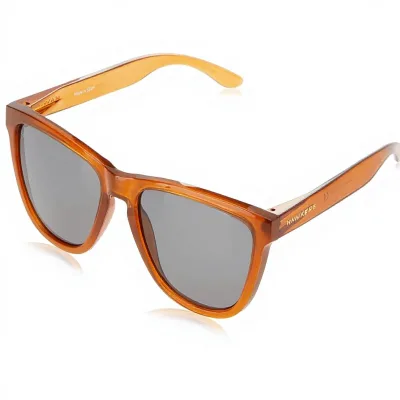


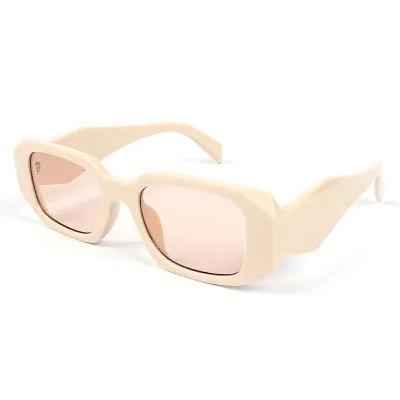


Comprehensive Sourcing Guide
Strategic Sourcing Guide for Polarized Fashion Sunglasses
Understanding Product Attributes and Optical Performance
When sourcing Polarized Fashion Sunglasses, the primary objective is to balance aesthetic appeal with functional optical performance. The market offers a diverse range of configurations, but the core definition of a high-quality unit relies on specific material and optical attributes. Based on observed product data, the frame materials frequently include composite, alloy, monel, and polycarbonate (PC). Each material offers distinct advantages: composite and alloy frames often provide a balance of durability and weight, while monel is known for its corrosion resistance and flexibility, making it suitable for high-stress applications. Polycarbonate frames are lightweight and impact-resistant, ideal for casual or sport-oriented fashion lines.
The optical performance is equally critical. The lenses are predominantly constructed from TAC (Triacetate Cellulose) or acrylic materials. TAC lenses are widely recognized for their ability to effectively filter glare while maintaining clarity, a necessity for the "polarized" attribute observed in the supply data. The lenses are available in various colors, including black carbon-blue, clear blue, fusion rose gold, raw transparent, and raw dark-black, often with polarized coatings. Some listings also indicate smoke, green, and brown options, sometimes with mirror finishes. The polarization attribute is a non-negotiable feature for this category, designed to reduce reflected light from horizontal surfaces. Buyers must verify that the "Polarized" or "Polarizer" attribute is explicitly stated in the product specifications, as this distinguishes the item from standard tinted eyewear.
The frame shapes vary significantly, with ellipse and other customizable shapes being common. The sizing data indicates a range of dimensions, such as 63-65-13mm or 13-17-140mm, with options for S/M/L sizing. This variability allows buyers to target specific demographic segments, from unisex general fashion to specific face shapes like oval. The customization options extend to frame colors, with black, tortoise, red, white, blue, orange, pink, and yellow being available. This extensive color palette supports the "fashion" aspect of the keyword, allowing retailers to align inventory with seasonal trends.
Compliance Standards and Certification Verification
Navigating the regulatory landscape is a fundamental step in B2B procurement for eyewear. The supply data highlights several specific standards and certifications that serve as benchmarks for quality and safety. Buyers should prioritize suppliers who can provide documentation for CE, FDA, and UV400 compliance. The observed product data explicitly references standards such as AS/NZS1067:2003 and EN1836:2005. These are critical for market access in Australia, New Zealand, and Europe, respectively. Additionally, the EN ISO 12311:2013 standard is mentioned, which relates to the testing of sunglasses and related eyewear for optical and physical properties.
It is essential to distinguish between general claims and verified standards. While some background knowledge suggests ISO 12312 or ISO 16321, the specific data provided confirms the presence of EN ISO 12311:2013 and AS/NZS1067:2003. Buyers must request test reports that specifically cite these standard numbers to ensure the products meet the required safety thresholds for UV protection and impact resistance. The "UV400" certification is a recurring attribute, indicating that the lenses block 100% of UVA and UVB rays up to 400 nanometers. However, this claim must be backed by third-party testing results rather than just a label on the product.
The certification landscape also includes FDA approval, which is relevant for products entering the United States market. The data notes "FDA and CE" together, suggesting that some manufacturers may hold dual compliance. When evaluating a supplier, procurement teams should ask for the specific certificate numbers and the issuing authority. Relying on generic "CE" marks without supporting documentation is insufficient for high-volume procurement. The presence of SGS in the observed data further indicates that third-party inspection services are utilized by some manufacturers, adding a layer of credibility to the quality assurance process.
Cost Drivers and Pricing Dynamics
The pricing structure for Polarized Fashion Sunglasses is influenced by a complex interplay of material costs, customization requirements, and order volume. The observed price range in the market spans from $0.39 to $53.78 USD. This wide disparity reflects the difference between basic, mass-produced units and premium, highly customized designs. The lower end of the spectrum typically corresponds to products with standard frame materials like PC or basic composite, simple lens tints, and minimal customization. Conversely, the higher price points are associated with advanced materials such as monel, complex polarization technologies, and bespoke frame shapes or colors.
Order volume is a significant determinant of the final unit cost. The observed Minimum Order Quantity (MOQ) ranges from 2 to 3,000 units. Suppliers offering lower MOQs, such as 2 or 12 pieces, often cater to sample buyers or small boutique retailers, resulting in a higher per-unit cost. As the order volume increases, particularly towards the 300-piece carton level or higher, the economies of scale typically reduce the unit price. The packing specifications, such as 12 pieces per inner box and 300 pieces per carton, suggest that logistics efficiency is a factor in pricing. Bulk orders that maximize carton utilization can reduce shipping costs, which indirectly affects the total landed cost.
Customization is another major cost driver. The data indicates that logo customization, frame color selection, and even frame shape adjustments are available. These value-added services require additional setup time, mold usage, and quality control checks, all of which increase the manufacturing cost. Buyers should anticipate a price premium for custom logos or unique frame colors compared to standard stock items. Furthermore, the complexity of the lens technology, such as specific polarized tints like "fusion rose gold" or "carbon blue," may incur higher material costs than standard smoke or green lenses. Understanding these variables allows buyers to negotiate more effectively and align their budget with their specific product requirements.
Typical Applications and Market Segmentation
Polarized Fashion Sunglasses serve a broad spectrum of applications, driven by their dual nature as both protective eyewear and style accessories. The primary application is consumer fashion, where the emphasis is on aesthetic appeal and brand identity. The availability of diverse frame colors and styles, such as ellipse or customizable shapes, makes these products suitable for seasonal fashion collections. The "Unisex" and "Men" attributes observed in the data indicate that the market targets a wide demographic, though specific models may be tailored to gender preferences.
Beyond general fashion, these sunglasses have significant utility in outdoor and recreational activities. The polarization feature is essential for reducing glare in bright environments, making them ideal for driving, fishing, and beach activities. The "Visor Sunglasses" type mentioned in the data suggests a specific niche application, possibly for sports or outdoor work where a visor-style design offers better sun protection for the eyes without obstructing peripheral vision. The "Non Myopia" attribute confirms that these are intended for users with normal vision, distinguishing them from prescription eyewear.
The B2B market also includes corporate gifting and promotional merchandise. The ability to customize logos and frame colors makes these sunglasses attractive for branding campaigns. Companies often order these items in bulk to distribute as corporate gifts or event giveaways. The "Customization: Available" and "Logo: Can Be Customized" attributes are particularly relevant here. Buyers in this segment should focus on suppliers who can handle large volume orders with consistent branding quality. The packaging specifications, such as 12 pieces per inner box, are well-suited for retail display or gift sets, enhancing the product's appeal in these applications.
Supplier Evaluation and Sourcing Strategy
Selecting the right supplier requires a rigorous evaluation process that goes beyond price comparisons. The observed data indicates that the place of origin is primarily China, with specific mentions of Xiamen as a production hub. Xiamen is a well-known manufacturing center for eyewear, offering a mature supply chain and access to specialized materials. However, buyers should not assume that all suppliers from this region offer the same level of quality. It is crucial to verify the supplier's production capacity, quality control processes, and ability to meet specific customization requirements.
When evaluating potential partners, buyers should request samples to assess the build quality, lens clarity, and polarization effectiveness. The physical specifications, such as the single package size of 16.3x6.8x5.2 cm and a gross weight of 0.109 kg, provide a baseline for logistics planning. Buyers should also inquire about the supplier's experience with the specific standards mentioned, such as EN1836:2005 and AS/NZS1067:2003. A supplier's ability to provide valid test reports for these standards is a strong indicator of their compliance capability.
Communication and responsiveness are also key factors. The customization options, including logo placement and frame color, require clear communication to ensure the final product meets expectations. Buyers should establish a clear workflow for design approval and sample iteration before committing to large orders. Additionally, the MOQ flexibility should be considered; suppliers offering lower MOQs may be more suitable for testing the market, while those with higher capacity are better for scaling up production.
Quality Control and Long-Term Procurement Considerations
Maintaining consistent quality is essential for long-term procurement success. The observed data highlights the importance of material consistency, with frame materials ranging from composite to monel and lenses from TAC to acrylic. Buyers should implement a quality control plan that includes pre-shipment inspections to verify that the products match the agreed specifications. This includes checking the polarization effect, lens color accuracy, and frame durability. The "Condition: New" attribute implies that products should be free from defects, but this must be verified through physical inspection.
Long-term procurement considerations also involve supply chain stability and scalability. The observed packing specifications, such as 300 pieces per carton, suggest that suppliers are equipped for bulk shipping. However, buyers should confirm lead times and production capacity to ensure timely delivery, especially during peak seasons. The availability of customization services should be evaluated for its reliability; a supplier that can consistently deliver custom logos and colors without compromising quality is a valuable partner.
Finally, buyers should consider the environmental and regulatory implications of their sourcing decisions. The use of materials like TAC and PC, along with compliance with standards like REACH (though not explicitly confirmed in the primary data, it is a relevant background consideration), indicates a focus on safety and environmental standards. Staying informed about evolving regulations in target markets will help buyers avoid compliance issues and maintain a competitive edge. By focusing on these technical, regulatory, and operational aspects, buyers can build a robust sourcing strategy for Polarized Fashion Sunglasses that delivers value and quality over the long term.
FAQs
What certifications do Polarized Fashion Sunglasses typically hold?
Products often carry CE, FDA, and UV400 certifications. Some listings also include AS/NZS1067:2003 and EN1836:2005 standards. Buyers should verify specific test reports for these documented standards to ensure compliance.
Which frame materials are available for these sunglasses?
Frames are commonly made from composite, alloy, monel, or polycarbonate. Monel offers corrosion resistance, while polycarbonate provides impact resistance. The specific material depends on the chosen model and customization requirements.
Can buyers customize the logo and frame colors?
Yes, logo and frame color customization are available. Buyers can select from colors like black, tortoise, red, and blue. Custom shapes and lens tints may also be adjusted based on the supplier's capacity and order volume.
What is the typical minimum order quantity for these items?
The minimum order quantity ranges from 2 to 3000 units. Lower MOQs suit sample buyers, while higher volumes reduce unit costs. Bulk orders often align with carton sizes of 300 pieces per carton.
Where are these sunglasses primarily manufactured?
The primary place of origin is China, with Xiamen noted as a specific production hub. Suppliers from this region offer mature supply chains for eyewear manufacturing and material sourcing.
How are the lenses constructed for polarization?
Lenses are typically made from TAC or acrylic materials with polarized coatings. They filter glare effectively while maintaining clarity. Available lens colors include smoke, green, and brown, often with mirror finishes.