Source Polarized Fishing Sunglasses for Boating, Angling, and Water Sports
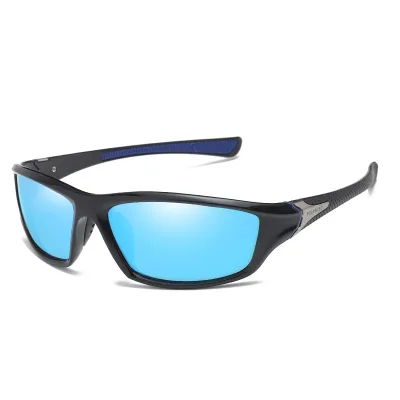
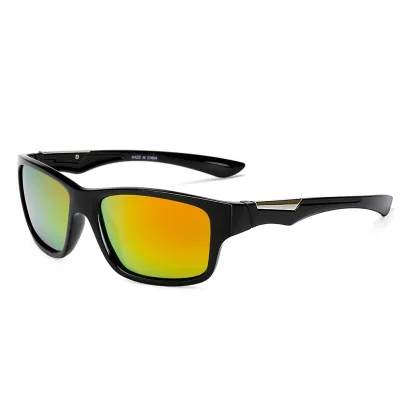
Explore 30 listings of Polarized Fishing Sunglasses designed for anglers and water enthusiasts. Buyers can compare frame materials like PC and Tr90, lens options including TAC and Acrylic, and features such as UV400 protection and polarization across various styles and colors.
Key considerations
Products List


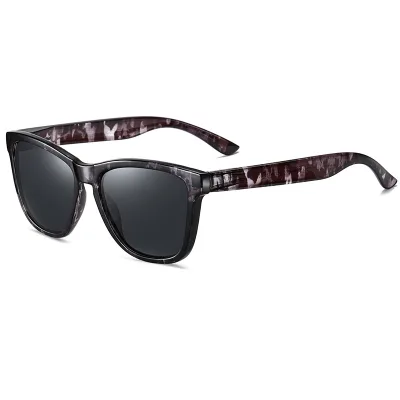
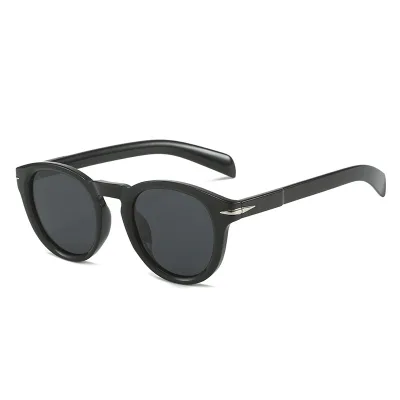
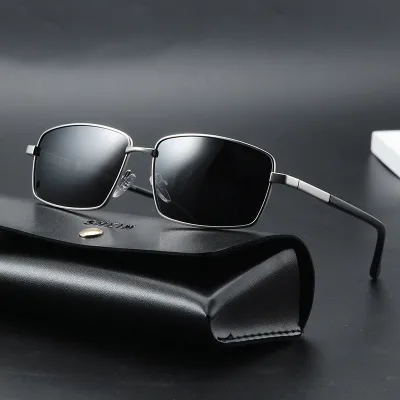
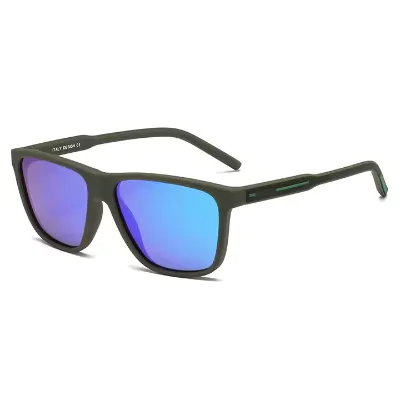


Comprehensive Sourcing Guide
Polarized Fishing Sunglasses Sourcing Guide
Sourcing Polarized Fishing Sunglasses requires a nuanced understanding of optical performance, material durability, and commercial flexibility. These eyewear pieces are not merely fashion accessories but functional tools designed to enhance visual clarity in high-glare environments. The primary objective for buyers is to identify suppliers who can deliver consistent polarization quality while accommodating custom branding and specific frame geometries suitable for active use. This guide synthesizes observed market signals and technical requirements to help procurement professionals navigate the complexities of this category effectively.
The following sections provide a structured approach to evaluating suppliers, verifying technical specifications, and managing commercial risks. By focusing on evidence-based verification steps and clear commercial terms, buyers can mitigate the risks associated with low-quality optics or unreliable manufacturing processes. The guidance herein is designed to support informed decision-making throughout the sourcing lifecycle, from initial supplier qualification to long-term quality assurance.
Product Scope and Observed Listing Signals
The current market landscape for Polarized Fishing Sunglasses reveals a diverse range of product configurations, with observed price points ranging from $0.49 to $29.99 USD. This wide variance suggests a spectrum of quality tiers, from basic promotional items to higher-end performance eyewear. Buyers must recognize that price alone is not a definitive indicator of optical quality; rather, it reflects differences in frame materials, lens coatings, and the extent of customization services offered. Understanding this range helps in setting realistic budget expectations and aligning product selection with target market segments.
Observed minimum order quantities (MOQs) vary significantly, spanning from 2 pieces to 600 pieces, indicating flexibility in supplier production models. Some suppliers cater to small-batch custom orders, which is ideal for testing new designs or launching niche brands, while others require larger volumes to achieve economies of scale. The availability of free samples and OEM/ODM services is a common feature among listed suppliers, allowing buyers to evaluate product quality before committing to large orders. This flexibility is crucial for businesses looking to balance inventory risk with the need for customized branding.
Technical Specifications to Verify
Frame and lens materials are critical determinants of durability and comfort for fishing sunglasses. Common materials observed include Tr90, PC (polycarbonate), and acrylic, each offering distinct advantages in terms of weight, flexibility, and impact resistance. Tr90 frames are often preferred for their lightweight and flexible nature, making them suitable for active use, while PC frames provide robust impact protection. Lens materials such as TAC (tri-acetate cellulose) and acrylic are frequently used, with TAC being a standard for polarized lenses due to its clarity and cost-effectiveness. Buyers should verify the specific material composition to ensure it meets the durability requirements for outdoor activities.
Optical attributes, particularly polarization and UV protection, are non-negotiable for fishing sunglasses. Effective polarization reduces glare from water surfaces, enhancing visibility and reducing eye strain. UV400 protection is essential to shield eyes from harmful ultraviolet radiation. Observed listings often highlight features such as anti-corrosion properties, which are beneficial for exposure to seawater, and specific lens colors like brown, red, and blue, which can enhance contrast in different lighting conditions. Buyers must ensure that the claimed optical attributes are backed by verifiable data, as poor polarization can lead to distorted vision and safety hazards.
Compliance and Safety Documentation
Compliance with international standards is vital for ensuring product safety and market access. Standards such as FDA, CE, ISO, and EN 14889:2003 are referenced in some listings, indicating a level of regulatory adherence. However, buyers should not assume that all products meet these standards without verification. It is crucial to request valid certification documents from suppliers and confirm their authenticity with relevant testing laboratories. Compliance with these standards ensures that the sunglasses meet specific safety and performance criteria, reducing the risk of product recalls or legal issues.
In addition to formal certifications, buyers should verify the presence of UV400 labeling and other safety claims. These labels should correspond to actual test results that demonstrate the product's ability to block 100% of UVA and UVB rays. Suppliers may claim various certifications, but it is the buyer's responsibility to ensure that these claims are substantiated. Documentation such as test reports from accredited third-party labs can provide additional assurance of product quality and compliance. This due diligence is essential for maintaining brand reputation and ensuring customer safety.
Cost Drivers and Commercial Terms
Several factors influence the cost of Polarized Fishing Sunglasses, including material selection, customization options, and order volume. Custom branding, such as logo printing or packaging design, typically incurs additional costs and may have minimum order requirements, such as 300 pieces for customer logos. The complexity of the frame design and the quality of the lens coatings also play significant roles in pricing. Buyers should request detailed cost breakdowns to understand how these factors impact the final price and to identify opportunities for cost optimization.
Payment terms and shipping logistics are also important commercial considerations. Common payment methods include T/T (telegraphic transfer), and buyers should negotiate terms that align with their cash flow needs. Shipping costs can vary based on product dimensions and weight, with some listings providing specific packaging dimensions and gross weights. Understanding these logistical details helps in calculating the total landed cost and planning inventory management. Clear communication regarding lead times and shipping methods is essential to avoid delays and ensure timely delivery.
Supplier Qualification and Quality Control
Supplier qualification involves assessing their manufacturing capabilities, quality control processes, and after-sales support. Buyers should inquire about the supplier's experience in producing polarized sunglasses and their ability to meet specific technical requirements. Requesting samples is a critical step in evaluating product quality, allowing buyers to inspect frame construction, lens clarity, and polarization effectiveness firsthand. Suppliers that offer free samples demonstrate confidence in their products and provide an opportunity for thorough evaluation.
Quality control measures should be clearly defined and agreed upon before production begins. This includes specifications for material quality, optical performance, and cosmetic appearance. Buyers should establish clear acceptance criteria and consider implementing third-party inspections for larger orders. After-sales service, such as warranties or replacement policies, is also an important factor in supplier selection. A reliable supplier should be responsive to issues and committed to resolving any quality concerns promptly. Building a strong relationship with a qualified supplier ensures consistent product quality and supports long-term business success.
Long-Term Procurement Checks
Long-term procurement success depends on continuous monitoring of supplier performance and product quality. Regular audits and periodic re-evaluation of samples help ensure that suppliers maintain consistent standards over time. Buyers should track key performance indicators such as defect rates, delivery times, and responsiveness to issues. Establishing a feedback loop with suppliers allows for continuous improvement and addresses any emerging concerns proactively. This ongoing engagement fosters a collaborative relationship that benefits both parties.
Market trends and consumer preferences in the fishing eyewear sector are constantly evolving. Buyers should stay informed about new materials, technologies, and design innovations that could enhance product appeal and performance. Adapting to these changes requires flexibility in sourcing strategies and a willingness to explore new suppliers or product variations. By maintaining a proactive approach to procurement, buyers can ensure that their product offerings remain competitive and meet the evolving needs of their customers. This strategic mindset is essential for sustaining growth and profitability in the long run.
FAQs
What certifications do the Polarized Fishing Sunglasses have?
The products hold FDA, CE, and ISO En 14889: 2003 Standards certifications. These ensure the sunglasses meet international safety and quality requirements for optical performance and durability during outdoor activities.
Can I get a free sample for these fashion sunglasses?
Yes, free sample fashion sunglasses are available for evaluation. This service allows buyers to verify the quality, fit, and polarization features before committing to a larger order volume.
Which frame materials are used for these sunglasses?
Frames are constructed from durable materials like TRL, PC, and Tr90. These materials offer a balance of lightweight comfort and resistance to corrosion by seawater, making them ideal for fishing environments.
What is the minimum order quantity for custom logo printing?
The minimum order quantity varies by supplier, with options starting at 2 pieces or 50 pieces. Custom logo printing typically requires a minimum of 300 pieces for customer branding on the frames.
How do I customize the sunglasses for my brand?
OEM and ODM services are accepted for full customization. Buyers can request specific frame colors, lens tints, and logo placement to create a unique product line tailored to their market needs.
What lens optical attributes are available for these sunglasses?
Lenses feature UV400 protection and polarization to reduce glare. Available lens colors include brown, red, and blue, with materials such as Acrylic and TAC designed for clear vision and eye protection.