Source Polarized Acetate Cat-Eye Sunglasses for Retail
Explore 30 Polarized Acetate Cat-Eye Sunglasses from verified Chinese manufacturers. Compare frame colors, lens materials, and OEM options to find the best fit for your brand needs and style preferences; compare the available evidence and request quotations based on your requirements.
Key considerations
Products List
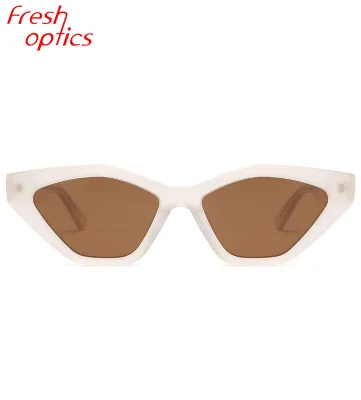
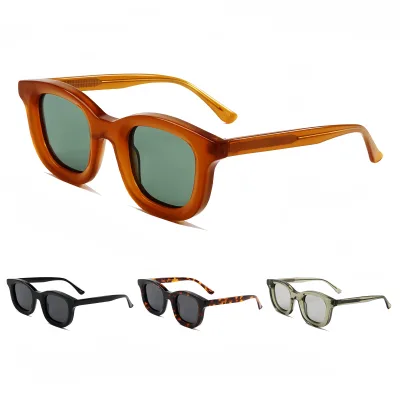
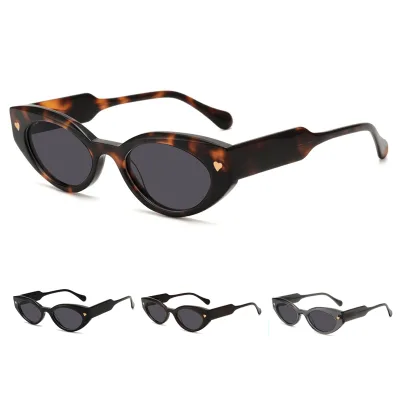


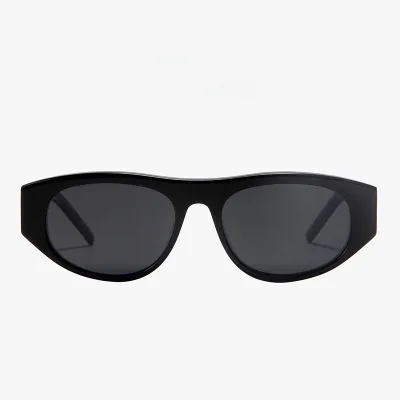
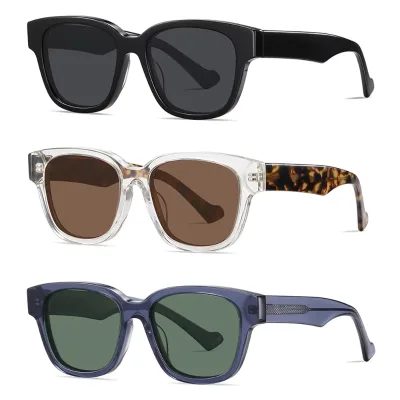


Teal Cat-Eye Sunglasses UV-Protective Stylish Trendy Unisex Fashion Chic
$6.00 - $9.00
MOQ: 900 Pieces

Black Cat-Eye Sunglasses UV-Protective Stylish Trendy Unisex Fashion Chic
$6.00 - $9.00
MOQ: 900 Pieces


Comprehensive Sourcing Guide
Polarized Acetate Cat-Eye Sunglasses Sourcing Guide
Sourcing Polarized Acetate Cat-Eye Sunglasses requires a careful balance of aesthetic appeal and optical performance. These frames combine the durability and finish of acetate with the visual flair of a cat-eye silhouette, making them a popular choice for fashion-forward retail segments. Buyers must distinguish between generic stock items and customizable OEM opportunities, as the latter often involve higher minimum order quantities and longer lead times. Understanding the specific material properties of acetate versus metal alternatives is crucial for ensuring the final product meets both durability expectations and style requirements for the target demographic.
The market offers a wide variety of lens technologies, with polarized TAC lenses being a common standard for this category. Polarization reduces glare, enhancing comfort for outdoor use, while the acetate frame provides a lightweight yet sturdy structure. Procurement teams should verify whether the listed "cat eye" style is a fixed design or if the supplier supports custom shape modifications. Additionally, the availability of multiple frame colors and lens tints allows for extensive brand differentiation, but buyers must confirm that color consistency is maintained across large production runs to avoid customer dissatisfaction.
Product Scope and Observed Listing Signals
Current market listings indicate a diverse range of options, with observed price points varying significantly based on customization levels and order volume. The typical minimum order quantity (MOQ) for these items often starts at twelve units per color, facilitating smaller test orders for new designs. However, larger bulk orders may require higher MOQs, such as 900 units, which can impact cash flow and inventory management strategies. Buyers should note that some suppliers offer OEM services, allowing for custom logos and packaging, while others provide standard designs with limited color variations.
Observed product attributes highlight the prevalence of acetate materials and TAC polarized lenses in this segment. Frame colors range from classic black and beige to vibrant reds and greens, catering to diverse consumer preferences. Some listings specify model numbers like FLRC1035 or SR23SA004-CY-7, which can help in tracking specific design iterations. It is essential to verify the single package dimensions and gross weight, as these factors influence shipping costs and storage requirements. Buyers should also check if the supplier accepts custom designs, as this capability can be a decisive factor in securing unique product offerings.
Technical Specifications to Verify
When evaluating technical specifications, the lens material and optical attributes are paramount. TAC polarized lenses are frequently cited, offering effective glare reduction and UV400 protection, which is a critical safety feature for eyewear. Buyers must confirm that the UV protection meets international standards, as this is a non-negotiable aspect of consumer safety. Additionally, the frame material, typically acetate, should be assessed for its flexibility and resistance to cracking. The cat-eye shape requires precise molding to ensure comfort and proper fit for various face shapes, particularly round faces which are often highlighted as suitable for this style.
Frame construction details, including hinge quality and temple arm design, significantly impact longevity and wearability. Acetate frames often feature metal cores within the temples for added strength, a detail that should be verified during sample inspection. The lens color options, such as smoke, beige, or black, should be matched with the frame color to ensure aesthetic harmony. Buyers should also inquire about the single gross weight, which can vary from 0.045 kg to 0.500 kg depending on the design complexity. Understanding these technical nuances helps in selecting products that balance style with functional durability.
Compliance and Safety Documentation
Compliance with regional safety standards is essential for importing sunglasses into major markets. Certifications such as CE mark the product as meeting European health, safety, and environmental protection standards. Buyers should request valid certification documents from suppliers to ensure that the products have undergone necessary testing for optical quality and material safety. Without proper documentation, shipments may be held at customs, leading to delays and additional costs. It is also important to verify that the UV400 claim is backed by laboratory test results, as this is a common point of failure in non-compliant products.
Beyond regulatory compliance, buyers should consider the ethical and environmental implications of their supply chain. Acetate is a plant-based plastic, but its production processes can vary in sustainability. Inquiring about the source of the acetate and the manufacturing practices can provide insights into the product's environmental footprint. Additionally, ensuring that the supplier adheres to labor standards and provides safe working conditions is crucial for maintaining brand reputation. Buyers should include compliance clauses in their contracts to protect against potential legal and reputational risks associated with non-compliant suppliers.
Cost Drivers and Commercial Terms
Several factors influence the final cost of Polarized Acetate Cat-Eye Sunglasses, including material quality, customization complexity, and order volume. Custom logos and unique frame shapes typically increase production costs due to the need for specialized molds and additional labor. Buyers should negotiate clear pricing structures that account for these variables, ensuring that there are no hidden fees for sample making or mold creation. Payment terms, such as 100% payment before shipping, can impact cash flow, so buyers should assess their financial capacity before committing to large orders.
Shipping and logistics also play a significant role in the total cost of ownership. The single package size and gross weight determine shipping costs, which can vary based on the chosen freight method. Buyers should compare quotes from multiple logistics providers to find the most cost-effective solution. Additionally, considering the lead time for production and shipping is crucial for inventory planning. Suppliers located in regions like Zhejiang or Shenzhen may offer competitive pricing, but buyers should factor in potential currency fluctuations and import duties when calculating the final landed cost.
Supplier Qualification and Quality Control
Selecting a reliable supplier involves thorough due diligence to ensure consistent quality and timely delivery. Buyers should verify the supplier's experience in manufacturing acetate sunglasses and their capability to handle OEM/ODM requests. Checking for past client references and reviewing their portfolio can provide insights into their design and production capabilities. It is also important to assess their quality control processes, including in-line inspections and final random inspections, to ensure that the products meet the specified standards. Suppliers who offer sample making services allow buyers to evaluate quality before committing to large orders.
Establishing clear communication channels and setting expectations for quality standards is vital for a successful partnership. Buyers should provide detailed specifications and reference samples to minimize misunderstandings. Regular communication during the production process can help identify and address potential issues early. Additionally, implementing a robust quality control plan, including third-party inspections if necessary, can mitigate the risk of receiving defective goods. Buyers should also consider the supplier's responsiveness and problem-solving abilities, as these traits are crucial for handling any unforeseen challenges during the procurement process.
Long-Term Procurement Checks
Long-term success in sourcing Polarized Acetate Cat-Eye Sunglasses requires ongoing monitoring and relationship management. Buyers should regularly review supplier performance metrics, such as on-time delivery rates and defect rates, to ensure continued reliability. Building a strong relationship with the supplier can lead to better pricing and priority treatment during peak seasons. Additionally, staying updated on market trends and consumer preferences allows buyers to adjust their product offerings accordingly. Engaging in continuous feedback loops with the supplier can drive improvements in product design and quality over time.
Risk management is another critical aspect of long-term procurement. Diversifying the supplier base can reduce dependency on a single source and mitigate supply chain disruptions. Buyers should also monitor regulatory changes and market dynamics that could impact the industry. Regularly updating contracts and compliance requirements ensures that both parties remain aligned with current standards. By maintaining a proactive approach to supplier management and market analysis, buyers can secure a competitive advantage and sustain growth in the sunglasses market.
FAQs
What materials are used for these sunglasses?
The frames are crafted from stainless steel and acetate, providing durability and a premium feel. The lenses are made of TAC polarized material, ensuring clear vision and UV400 protection. This combination offers a lightweight yet sturdy design suitable for daily wear and outdoor activities.
Can I customize the logo and color?
Yes, OEM and ODM services are fully accepted. You can customize the logo, frame color, lens color, and shape. The product supports custom branding, allowing you to tailor the sunglasses to your specific brand identity and market requirements with flexible design options.
What is the minimum order quantity?
The minimum order quantity is typically 12 units per color. This MOQ allows for manageable initial orders while ensuring production efficiency. Buyers should note that specific MOQs may vary slightly based on the complexity of customization and the specific model selected for production.
Where are these sunglasses manufactured?
These sunglasses are manufactured in Zhejiang, China, with some specific models originating from Shenzhen. The production facilities are equipped to handle both standard and custom orders, ensuring consistent quality and adherence to international standards for optical accessories and fashion eyewear products.
What certifications do the products have?
The products hold CE certification, indicating compliance with European health, safety, and environmental protection standards. This certification ensures that the sunglasses meet necessary regulatory requirements for sale in many international markets, providing buyers with confidence in the product's quality and safety standards.
What payment terms are required?
The standard payment term is 100% payment before shipping. This policy ensures secure transactions for both parties. Buyers should arrange full payment prior to the dispatch of goods to facilitate smooth logistics and timely delivery of the ordered sunglasses to the specified destination.