Source Polarized Acetate Pilot Sunglasses for Driving, Travel, Work
Compare 30 listings of Polarized Acetate Pilot Sunglasses featuring UV400 protection and customizable frames. Buyers can review specifications from manufacturers in Xiamen, China, including options for square and long face shapes with various lens colors.
Key considerations
Products List




Comprehensive Sourcing Guide
Strategic Sourcing Guide for Polarized Acetate Pilot Sunglasses
Understanding the Product Category and Core Attributes
The term "Polarized Acetate Pilot Sunglasses" refers to a specific niche within the eyewear market that combines functional lens technology with premium frame materials and a distinct aesthetic style. In the context of B2B procurement, understanding the intersection of these attributes is critical for defining the scope of the search. The "pilot" style typically denotes a large, shield-like or aviator-inspired silhouette that offers extensive coverage, often associated with a vintage or fashion-forward look. The "acetate" designation indicates that the frame is constructed from cellulose acetate, a plant-based plastic known for its durability, luster, and ability to be layered with complex colors and patterns. Finally, "polarized" refers to the lens treatment that filters out reflected light, reducing glare and enhancing visual clarity, a feature highly valued in driving, water sports, and general outdoor activities.
Based on available market data, this product category is characterized by a diverse range of specifications. The frame material is consistently identified as acetate, often featuring metal decorations to enhance structural integrity and aesthetic appeal. The lenses are frequently described as being made from materials such as Cr-Lenses, TAC (Tri-Acetate Cellulose), or PC (Polycarbonate), with specific optical attributes including polarization and UV400 protection. The "pilot" or "visor" style is often marketed as suitable for various face shapes, including square, long, and unisex demographics, indicating a broad target audience. Procurement teams must recognize that while the core description remains consistent, the specific combination of frame color, lens tint, and customization options can vary significantly between suppliers.
Technical Specifications and Material Composition
When evaluating potential suppliers for Polarized Acetate Pilot Sunglasses, the technical specifications of the materials used are the primary determinant of product quality and longevity. The frame material is a non-negotiable asset in this category. Acetate frames are preferred over standard plastic or metal for their ability to hold intricate designs and their hypoallergenic properties. The supply data indicates that these frames often feature metal decorations, which serve both a structural and decorative purpose. Buyers should verify the specific grade of acetate used, as lower-quality acetate may be prone to cracking or fading over time, whereas high-grade acetate offers superior flexibility and color retention.
The lens technology is equally critical. The observed market data highlights several lens materials, including Cr-Lenses, TAC, and PC. TAC lenses are commonly associated with polarized optics, offering a cost-effective solution with good clarity. PC lenses are noted for their impact resistance, making them suitable for active use cases. The optical attributes must explicitly state "Polarized" to ensure the glare-reduction benefits are present. Furthermore, the lens color is a variable attribute, with options such as smoke, green, brown, and various Revo coatings available. The data also notes that the lens color can differ from the frame color, allowing for significant customization. Buyers must ensure that the polarized coating is applied correctly and that the lens material matches the intended use case, whether it is for fashion, driving, or sports.
| Attribute Category | Common Observations in Supply Data | Verification Requirement for Buyers |
|---|---|---|
| Frame Material | Acetate, Acetate with Metal Decoration | Verify acetate grade and metal plating quality. |
| Lens Material | Cr-Lenses, TAC, PC, Resin | Confirm material suitability for polarization. |
| Lens Optical Attribute | Polarized, UV400, Photochromic | Ensure polarization is standard, not optional. |
| Lens Color | Smoke, Green, Brown, Revo variations | Check for consistency in tint and coating. |
| Frame Style | Visor, Pilot, Vintage, Fashion | Confirm silhouette matches "pilot" definition. |
| Customization | Frame shape/color, Lens color, Logo | Define limits of OEM customization capabilities. |
Compliance, Certification, and Regulatory Standards
Navigating the regulatory landscape is a fundamental aspect of sourcing eyewear for international markets. The supply data indicates a strong emphasis on compliance with various international standards. Common certifications and standards mentioned include CE, FDA, UV400, ISO9001, and specific eyewear standards such as EN1836: 2005, EN ISO 12311:2013, and EN ISO 12312-1. These standards cover everything from optical clarity and UV protection to impact resistance and general safety. For instance, EN ISO 12312-1 specifically addresses the requirements for sunglasses and related eyewear, ensuring that the lenses provide adequate protection against solar radiation.
Buyers must verify that the supplier can provide valid documentation for these certifications. The presence of a "CE" mark indicates conformity with health, safety, and environmental protection standards for products sold within the European Economic Area. Similarly, "FDA" compliance suggests adherence to United States Food and Drug Administration regulations regarding medical devices and optical products. The data also references "UV400," which is a critical specification indicating that the lenses block 100% of ultraviolet radiation up to 400 nanometers. It is essential to distinguish between a supplier claiming a standard and one that can provide a test report from an accredited laboratory. The "Optical class level lens" specification mentioned in the data further suggests a focus on optical precision, which should be validated through third-party testing if the target market has strict optical requirements.
Cost Drivers and Pricing Dynamics
The pricing structure for Polarized Acetate Pilot Sunglasses is influenced by several factors, including material quality, customization complexity, and order volume. The observed price range in the market data spans from $0.50 to $13.00 USD. This wide variance suggests that the final price is highly dependent on the specific configuration of the product. Lower-priced units likely correspond to standard configurations with basic acetate frames and standard polarized lenses, produced at scale. Conversely, the higher end of the price spectrum likely reflects premium acetate materials, complex metal decorations, custom lens tints, or specialized packaging.
Minimum Order Quantity (MOQ) is another significant cost driver. The data indicates an MOQ range of 9 to 1000 units. Suppliers with lower MOQs (e.g., 9 units) may cater to small businesses or sample orders, potentially carrying a higher per-unit cost due to the overhead of handling smaller batches. Suppliers requiring higher MOQs (e.g., 1000 units) typically offer more competitive unit pricing but require a larger upfront capital investment. Buyers should also consider the cost of customization. The ability to customize frame shape, color, and lens tint, as well as the addition of a customized logo, often incurs additional setup fees or higher per-unit costs. Packaging is another variable; options range from simple poly bags to inner boxes and cartons, with different specifications for inner box quantities (10, 12, or 14 pieces) and carton sizes affecting logistics costs.
Typical Applications and Market Segmentation
The versatility of Polarized Acetate Pilot Sunglasses makes them suitable for a wide range of applications and market segments. The product data explicitly notes suitability for "Square Face," "Long Face," and "Unisex" demographics, indicating that the design is inclusive and appeals to a broad consumer base. The "Vintage" and "Fashion" style attributes suggest that these sunglasses are often purchased as lifestyle accessories rather than purely functional eyewear. This positions them well for retail channels focusing on fashion, lifestyle, and seasonal trends.
However, the functional attributes, such as polarization and UV400 protection, also make them suitable for specific use cases. The "Pilot" or "Visor" style provides extensive coverage, which is beneficial for activities involving high glare, such as driving, boating, or outdoor sports. The "Photochromic" option mentioned in the data further expands the application scope, allowing the sunglasses to adapt to changing light conditions, making them practical for daily wear. The "OEM" branding capability indicates that these products are frequently used by private label brands, retailers, and corporate entities looking to create their own branded eyewear lines. The "Customized Logo" feature reinforces this, suggesting a strong B2B market for promotional items and corporate gifts.
Supplier Evaluation and Quality Control Protocols
Selecting the right supplier requires a rigorous evaluation process that goes beyond price and basic specifications. Given the "Made in Xiamen, China" origin noted in the data, buyers should be aware of the manufacturing capabilities in this region, which is a hub for eyewear production. Evaluation should focus on the supplier's ability to maintain consistent quality across batches, especially when dealing with acetate frames which can vary in texture and color. Buyers should request samples to verify the "Acetate Frame with Metal Decoration" quality, ensuring that the metal components are securely attached and do not corrode.
Quality control protocols must be clearly defined. The data mentions various standards like ISO9001, which implies a structured quality management system. Buyers should verify if the supplier conducts in-house testing for polarization efficiency, UV protection levels, and impact resistance. The "Optical class level lens" specification suggests a focus on optical precision, which should be validated through visual inspection and instrument testing. Additionally, the packaging specifications, such as "1PC/Poly Bag, 10PCS/Inner Box, 300PCS/Carton," must be reviewed to ensure they meet the buyer's logistics and retail requirements. Buyers should also assess the supplier's flexibility regarding customization, as the ability to adjust frame colors, lens tints, and logos is a key differentiator in this market.
Long-Term Procurement Considerations and Sustainability
Sourcing Polarized Acetate Pilot Sunglasses is not just a transactional activity but a strategic partnership that requires long-term planning. The "Customization: Available" attribute highlights the importance of building a relationship with a supplier who can adapt to changing design trends and market demands. As fashion trends shift, the ability to introduce new designs, such as the "Many New Designs Available: Vintage Designs Available" mentioned in the data, will be crucial for maintaining a competitive edge. Buyers should consider the supplier's lead times and their ability to scale production during peak seasons.
Sustainability is an increasingly important factor in the eyewear industry. Acetate is a plant-based material, which is a positive attribute from an environmental perspective compared to petroleum-based plastics. However, buyers should inquire about the specific sourcing of the acetate and the supplier's waste management practices. The "OEM Order Accepted" status suggests that many buyers are looking for partners who can support their brand's sustainability goals through responsible manufacturing. Furthermore, the "Sunglasses Hs Code: 90041000" is a critical piece of information for logistics and tariff classification, which buyers must keep in mind for long-term supply chain planning. Ensuring that the supplier adheres to labor standards and environmental regulations will mitigate risks and support the brand's reputation in the global market.
FAQs
What frame materials are used for Polarized Acetate Pilot Sunglasses?
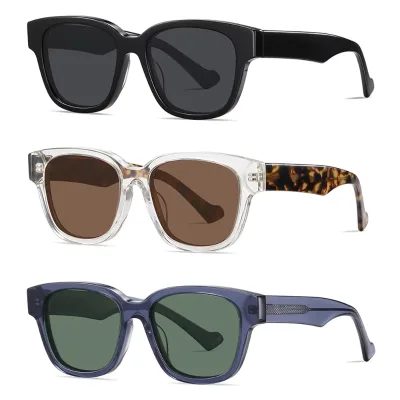
Frames are constructed from acetate, often featuring metal decorations for durability and style. Buyers can find options with clear brown or black frames, and some models offer customized shapes and colors to meet specific design requirements.
Which lens materials and optical attributes are available?
Lenses are made from materials including Cr-Lenses, TAC, PC, and Resin with optical attributes like polarization and photochromic properties. Common lens colors include smoke, green, and brown, with UV400 protection being a standard feature across most models.
Can I customize the logo and packaging for these sunglasses?
Yes, customization is available for the logo, frame shape, color, and lens tint. Packaging options include poly bags, inner boxes of 10 or 12 pieces, and cartons holding 300 pieces, allowing for tailored presentation for different retail needs.
What certifications do these sunglasses meet for international markets?
Products meet standards such as CE, FDA, UV400, ISO9001, and EN ISO 12311:2013. These certifications ensure compliance with safety and optical quality requirements for markets in Europe, the United States, and other regions requiring strict eyewear regulations.
What is the minimum order quantity for Polarized Acetate Pilot Sunglasses?
The minimum order quantity ranges from 9 to 1000 units depending on the supplier and customization level. Lower MOQs are available for sample orders, while larger orders typically secure more competitive pricing and standard packaging configurations.
Where are these sunglasses manufactured and what is the origin?
The products are made in Xiamen, China, a known hub for eyewear manufacturing. This location supports efficient production of acetate frames and polarized lenses while maintaining compliance with international quality standards and certification requirements.