Source Polarized Cat Eye Sunglasses for Women, Men, and Travel
Explore 30 listings of Polarized Cat Eye Sunglasses featuring acetate frames and UV400 protection. Buyers can compare customization options, frame shapes, and pricing details from verified Chinese manufacturers.
Key considerations
Products List


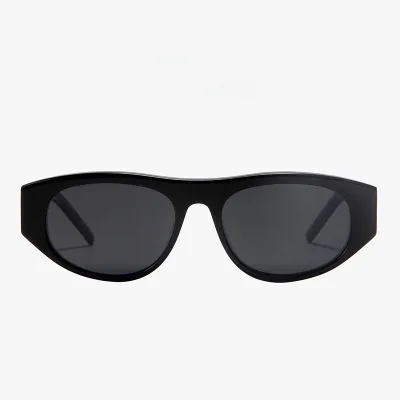


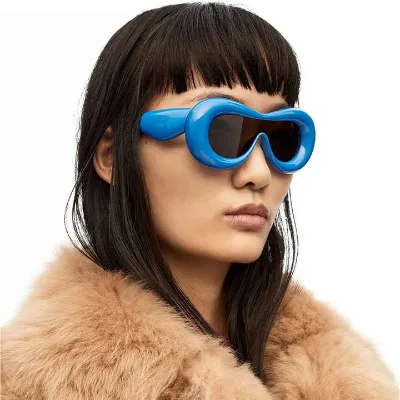
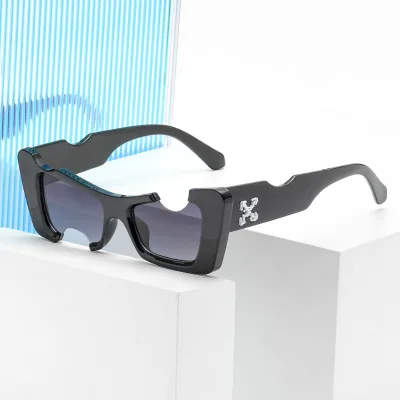
Comprehensive Sourcing Guide
Strategic Sourcing Guide for Polarized Cat Eye Sunglasses
The global market for fashion eyewear continues to evolve, with Polarized Cat Eye Sunglasses representing a high-demand segment that blends retro aesthetics with modern optical functionality. For B2B procurement professionals, sourcing this specific category requires a nuanced understanding of material science, regulatory compliance, and supply chain logistics. The following guide outlines the critical factors buyers must evaluate to secure a reliable supply of high-quality Polarized Cat Eye Sunglasses, ensuring that the final product meets both commercial expectations and safety standards.
Technical Specifications and Material Composition
When evaluating Polarized Cat Eye Sunglasses, the primary technical differentiator lies in the lens material and the polarization technology integrated within it. The core optical attribute for this category is polarization, which reduces glare from reflective surfaces such as water, roads, and snow. In the current supply landscape, buyers frequently encounter lenses made from TAC (Triacetate Cellulose) or Nylon. TAC lenses are widely utilized for their cost-effectiveness and ability to be easily molded into complex shapes, such as the distinctive cat eye silhouette. Nylon lenses, on the other hand, offer superior impact resistance and optical clarity, making them a preferred choice for high-performance applications.
The frame material is equally critical in defining the product's durability and aesthetic appeal. Acetate is the dominant material observed in high-quality fashion sunglasses, including those with cat eye designs. Acetate provides a rich depth of color and a smooth finish that is difficult to replicate with plastic alternatives. It is also hypoallergenic and flexible, allowing for adjustments that improve fit. Buyers should verify that the frame construction utilizes "Handmade Acetate" or high-grade acetate sheets to ensure the longevity of the hinge and frame integrity. The specific model numbers often associated with these specifications, such as 883316S or 60047, indicate specific mold configurations that define the cat eye geometry.
| Feature | TAC Lens | Nylon Lens | Acetate Frame | Plastic Frame |
|---|---|---|---|---|
| Primary Benefit | Cost-effective, good polarization | High impact resistance, clarity | Rich color, hypoallergenic | Low cost, lightweight |
| Durability | Moderate | High | High | Moderate |
| Aesthetic Quality | Good | Excellent | Excellent | Variable |
| Common Use | Fashion, casual wear | Sports, outdoor | High-end fashion | Budget fashion |
Compliance and Certification Verification
Navigating the regulatory landscape is a non-negotiable aspect of sourcing eyewear. For sunglasses to be legally sold in major markets, they must meet specific safety and optical standards. The most common certifications observed in the supply chain for this category include CE (Conformité Européenne) and FDA (Food and Drug Administration) compliance. These certifications indicate that the product meets European and American safety requirements regarding optical quality and material safety.
Buyers must specifically look for evidence of UV protection. The standard requirement for sunglasses is UV400 protection, which blocks 100% of UVA and UVB rays up to 400 nanometers. Some suppliers may also reference drop ball tests, a mechanical stress test that ensures the lenses and frames can withstand impact without shattering. While ISO 12312 is a recognized international standard for sunglasses, buyers should verify if the supplier explicitly adheres to it rather than assuming compliance based on general market knowledge. The presence of a "CE FDA" label on the product or its documentation is a strong indicator of regulatory adherence, but it must be backed by valid test reports from accredited laboratories.
Cost Drivers and Pricing Structures
The pricing of Polarized Cat Eye Sunglasses is influenced by several variable factors, including material selection, customization levels, and order volume. The observed price range for these products in the market typically spans from $1.02 to $13.00 per unit. This wide variance is largely driven by the choice between TAC and Nylon lenses, as well as the complexity of the acetate frame manufacturing. Handmade acetate frames generally command a higher price point due to the labor-intensive production process required to achieve the desired finish and hinge quality.
Minimum Order Quantity (MOQ) is another significant cost driver. Suppliers often structure their pricing tiers based on volume, with MOQs ranging from as low as 2 pieces for sampling to 300 pieces for bulk production. A typical MOQ for a custom order might be set at 12 pieces, allowing smaller retailers to test the market without excessive inventory risk. However, buyers should be aware that lower MOQs often come with a higher per-unit cost. Conversely, larger orders, such as those exceeding 300 pieces, may benefit from economies of scale in packaging and shipping. The packaging method also impacts costs; options range from simple 1PC/OPP Bag to more complex 12PCS/Inner Box and 300PCS/CTN configurations, which affect the final landed cost.
Typical Applications and Target Demographics
Understanding the intended application of Polarized Cat Eye Sunglasses is essential for aligning product selection with market demand. These sunglasses are primarily designed for fashion and casual wear, appealing to a demographic that values style as much as function. The "cat eye" shape is historically associated with women's fashion, yet modern designs increasingly target a unisex audience. Market data indicates that these styles are suitable for various face shapes, including oval and square faces, making them versatile for a broad customer base.
The usage scenarios for these products extend beyond simple sun protection. The polarization feature makes them ideal for driving, fishing, and other outdoor activities where glare reduction is necessary. The "Smoke" lens color is a popular choice for these applications as it offers high contrast without distorting colors. Additionally, the "Visor Sunglasses" style variation suggests a specific design trend that may appeal to consumers looking for a unique, sporty aesthetic. Buyers should consider the "Suitable for" attributes listed by suppliers, such as "Woman" or "Unisex," to ensure the product matches their target customer profile.
Supplier Evaluation and Customization Capabilities
When selecting a supplier for Polarized Cat Eye Sunglasses, buyers must assess their capacity for customization and their geographical location. Many suppliers in the region, particularly in Zhejiang and Guangdong provinces in China, offer OEM (Original Equipment Manufacturer) and ODM services. This means buyers can request custom logos, specific frame colors, and unique packaging solutions. The "Logo: Custom" and "OEM: Ok" attributes indicate that the supplier is equipped to handle branding requests, which is crucial for retailers looking to build a distinct brand identity.
Geographical location can also influence lead times and shipping costs. Suppliers located in Zhejiang or Guangdong are known for their robust eyewear manufacturing ecosystems. However, buyers should verify the specific origin, as "China" is a broad designation. A supplier listing "Zhejiang, China (Mainland)" or "Guangdong, China" provides a more precise location, which can be helpful for logistics planning. Furthermore, the "Quality: High" or "High Qulaity" (noting the spelling variation in some listings) claims should be treated as observations rather than guarantees. Buyers must request samples and conduct their own quality checks to validate these claims before committing to large orders.
Quality Control and Long-Term Procurement Considerations
Implementing a rigorous quality control (QC) process is vital to mitigate the risks associated with mass production. Buyers should establish clear acceptance criteria for critical attributes such as hinge strength, lens clarity, and frame symmetry. The "Hinge: 3+2 Barrier" specification, for instance, suggests a specific mechanical design that may offer enhanced durability, but this must be verified physically. Regular inspections during production and pre-shipment checks are necessary to ensure that the final product matches the approved sample.
Long-term procurement considerations involve building a sustainable relationship with suppliers who can consistently deliver high-quality products. Buyers should evaluate the supplier's ability to maintain consistent standards across different production batches. The "prod_packing" details, such as "1PC/OPP Bag" or "CTN," should be standardized to ensure product protection during transit. Additionally, buyers should monitor the "prod_standard" dimensions, such as "51-19-145" or "50-23-148 mm," to ensure the sizing remains consistent with their inventory requirements. By focusing on these technical and operational details, buyers can secure a reliable supply chain for Polarized Cat Eye Sunglasses that meets both immediate commercial needs and long-term strategic goals.
FAQs
What certifications do these Polarized Cat Eye Sunglasses have?
These sunglasses hold CE and FDA certifications to meet safety standards. Some listings also specify UV400 protection and drop ball test compliance to ensure optical quality and impact resistance for the buyer.
Which lens materials are available for this product category?
The available lens materials include TAC and Nylon for polarized options. TAC is often used for cost-effective fashion designs, while Nylon offers superior impact resistance and optical clarity for high-performance applications.
Can I request a custom logo on these sunglasses?
Yes, customization is available including custom logos and OEM services. Suppliers typically accept customer logos and can adjust frame colors to match your brand identity requirements for bulk orders.
What is the minimum order quantity for these sunglasses?
The minimum order quantity ranges from 2 to 300 pieces depending on the supplier. A common MOQ for custom orders is 12 pieces, allowing smaller retailers to test the market with lower inventory risk.
Where are these sunglasses manufactured?
These products originate from China, specifically Zhejiang and Guangdong provinces. Suppliers in these regions are known for robust eyewear manufacturing ecosystems and offer various shipping options for international buyers.
What frame materials are used for these sunglasses?
The primary frame material is Acetate, often described as handmade acetate. This material provides rich color depth, a smooth finish, and hypoallergenic properties suitable for high-end fashion designs.
How are these sunglasses packaged for shipment?
Packaging options range from single units in OPP bags to bulk cartons. Common configurations include 12 pieces per inner box and 300 pieces per carton to ensure product protection during transit.