Source Portable 650nm Diode Lipolaser Machine for clinics
Compare 30 Portable 650nm Diode Lipolaser Machine options from verified suppliers. These devices support lipolysis, skin tightening, and endolifting for use in clinics, beauty salons, and hospitals. Buyers can review dual wavelength capabilities, power outputs, and fiber types to select the right equipment for vascular removal, nail fungus treatment, and gynecology applications.
Updated
Key considerations
Products List

Portable Lipolysis 1470nm Diode Laser Surgery Lipolysis Laser Machine
$3799.00 - $3999.00
MOQ: 1 Pieces

Portable Endolaser Machine Cooling High Power 980nm 1470nm Diode Laser Liposuction
$1899.00 - $1999.00
MOQ: 1 Pieces


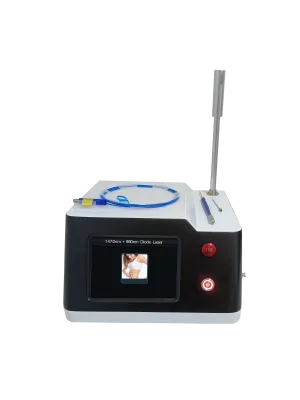


New 650nm Lipo Laser Portable Diode Fat Removal Lipolaser Beauty Equipment
$1388.00 - $1899.00
MOQ: 1 set


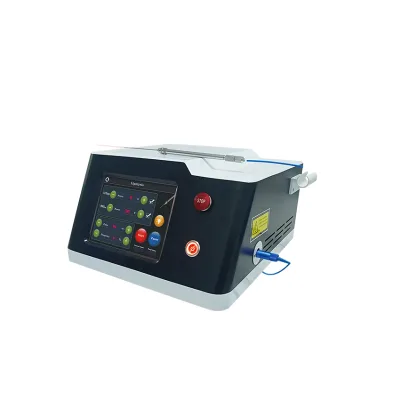
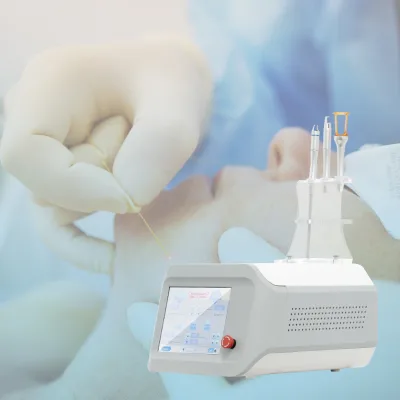
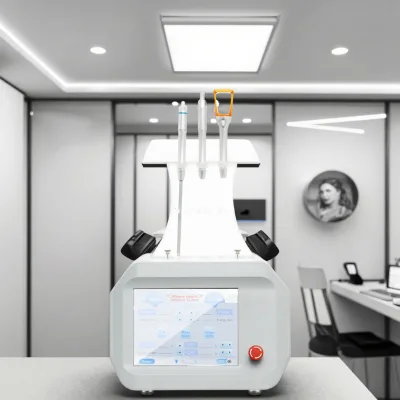
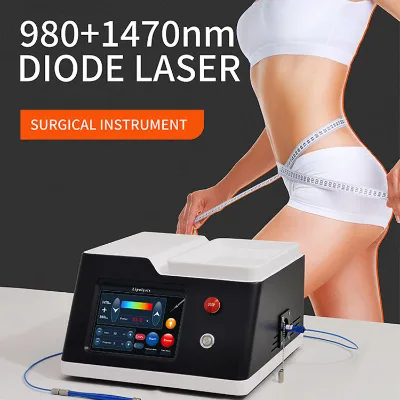
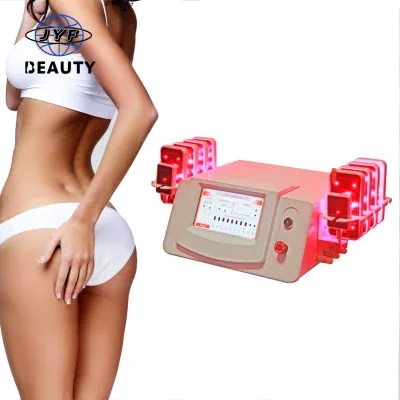
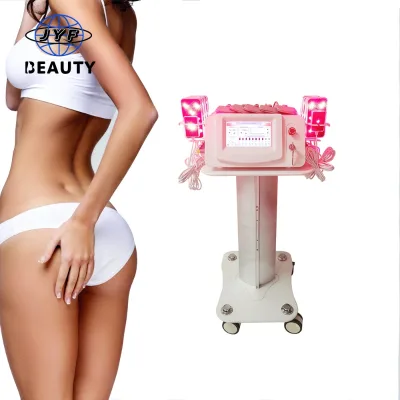


980nm+1470nm Diode Laserfiber Surgical Fat Liposuction Diode Laser Lipolysis Machine
$2500.00 - $4000.00
MOQ: 1 Pieces
Comprehensive Sourcing Guide
Portable 650nm Diode Lipolaser Machine Sourcing Guide
Procuring a portable diode lipolaser machine requires careful evaluation of wavelength accuracy and power stability, as these factors directly influence treatment efficacy and patient safety. While the core keyword specifies a 650nm diode, current market observations indicate a prevalence of dual-wavelength systems, specifically 980nm and 1470nm configurations, which offer distinct advantages for lipolysis and skin tightening. Buyers must verify whether the listed 650nm specification is a standalone unit or part of a multi-wavelength platform, ensuring the device meets the specific clinical or aesthetic requirements of their practice.
The portability of these units is a significant commercial advantage, allowing for flexible deployment in clinics, beauty salons, and even home-use settings. Observed listings highlight aluminum alloy packaging and compact dimensions, suggesting designs optimized for transport without compromising internal component integrity. However, buyers should scrutinize the weight and power requirements, as some portable models still require specific voltage inputs and cooling systems that may limit truly mobile applications. Understanding the physical constraints of the device is essential for integrating it into existing workflow and infrastructure.
Product Scope and Observed Listing Signals
The observed product scope reveals a diverse range of applications beyond simple lipolysis, including vascular removal, endolifting, and various surgical procedures in urology and anorectal fields. Listings frequently associate these devices with functions such as nail fungus removal, skin tag removal, and hemorrhoid treatment, indicating a multi-purpose design rather than a single-indication tool. Buyers should carefully map these claimed functions against their intended use cases, as the versatility of the device may require additional training or specific fiber attachments to achieve optimal results in different anatomical areas.
Marketing signals often emphasize the dual-wavelength capability, with 980nm and 1470nm being the most commonly cited specifications in current listings. These wavelengths are typically paired with varying fiber diameters, such as 200um, 400um, 600um, and 800um, to accommodate different tissue depths and treatment goals. The presence of features like continuous, pulse, and single output modes further suggests a sophisticated control system. Buyers must verify that the specific model they are sourcing includes the necessary fiber types and output modes for their targeted procedures, as not all listed functions may be available on every unit.
Technical Specifications to Verify
Technical verification should begin with the laser output power and wavelength accuracy, as these are critical for consistent treatment outcomes. Observed specifications indicate output powers of up to 60W at 980nm and 15W at 1470nm, with tolerances of ±10% or ±5nm. Buyers must confirm that the device maintains these power levels across the entire operating range and that the wavelength stability is within acceptable clinical limits. Inaccurate wavelength or power delivery can lead to ineffective treatments or unintended tissue damage, making precise calibration a non-negotiable requirement for any procurement decision.
Cooling systems and voltage compatibility are also vital technical considerations for portable units. Most observed models utilize air cooling, which is lighter but may have limitations in continuous operation compared to water-cooled systems. Buyers should verify the operating voltage range, typically AC110V-220V, to ensure compatibility with local power grids, especially if the device will be used in multiple regions. Additionally, the pulse width range, observed from 0.05ms to 1s, should be reviewed to ensure it offers sufficient flexibility for different tissue types and treatment protocols, allowing for precise control over energy delivery.
Compliance and Safety Documentation
Compliance with international safety standards is paramount when sourcing medical aesthetic equipment. The CE certification is a common requirement for devices sold in many global markets, indicating adherence to essential health and safety requirements. Buyers must request valid certification documents and verify their authenticity with the issuing body, as counterfeit certificates are a risk in the medical device supply chain. Ensuring that the device meets the relevant regulatory standards for its intended market is a critical step in mitigating legal and operational risks associated with the use of laser equipment.
Safety features and user documentation should also be thoroughly reviewed before purchase. Devices should include clear instructions for safe operation, including warnings about eye protection and skin contact. Buyers should verify that the manufacturer provides comprehensive user manuals in the local language and that the device includes necessary safety interlocks and emergency stop functions. Additionally, the warranty terms, often observed as two years, should be clearly defined, covering both parts and labor, to ensure long-term support and maintenance availability for the purchased equipment.
Cost Drivers and Commercial Terms
Cost drivers for portable diode lipolaser machines include the complexity of the laser source, the quality of the cooling system, and the inclusion of multiple fiber types. Dual-wavelength systems with higher output powers and advanced control modes typically command higher prices, reflecting the increased manufacturing complexity and component costs. Buyers should compare the total cost of ownership, including the price of replacement fibers and maintenance services, rather than focusing solely on the initial purchase price, to ensure a sustainable investment.
Commercial terms such as MOQ and lead times can vary significantly among suppliers, impacting procurement planning. Observed listings often show an MOQ of one unit, suggesting flexibility for small clinics or individual practitioners. However, buyers should negotiate for volume discounts if purchasing multiple units or accessories. Lead times should be confirmed in advance, as manufacturing delays can impact business operations. Clear agreements on shipping terms, insurance, and return policies are essential to protect the buyer’s interests and ensure a smooth transaction process.
Supplier Qualification and Quality Control
Supplier qualification involves assessing the manufacturer’s production capabilities and quality control processes. Buyers should verify the supplier’s experience in manufacturing laser equipment and their ability to provide consistent product quality. Requesting factory audits or third-party quality reports can provide insights into the manufacturing standards and testing procedures employed by the supplier. A robust quality control system ensures that each unit meets the specified technical parameters and safety requirements before shipment, reducing the risk of receiving defective or non-compliant equipment.
After-sales support and technical assistance are critical components of supplier qualification. Buyers should evaluate the supplier’s responsiveness and expertise in providing technical support, training, and maintenance services. A reliable supplier should offer comprehensive training materials and access to technical experts to help users maximize the device’s potential. Additionally, the availability of spare parts and the speed of repair services should be considered, as downtime can significantly impact business operations. Establishing a strong relationship with a qualified supplier ensures long-term operational success and customer satisfaction.
Long-Term Procurement Checks
Long-term procurement checks should focus on the device’s durability and the supplier’s commitment to product updates and improvements. Buyers should monitor customer feedback and industry reviews to assess the long-term reliability of the device and the supplier’s reputation. Regular maintenance and calibration are essential to maintain performance and safety, so buyers should establish a routine maintenance schedule and ensure access to qualified service providers. Proactive management of the device’s lifecycle helps prevent unexpected failures and extends the useful life of the investment.
Market trends and technological advancements in laser aesthetics should also be considered for future procurement decisions. As technology evolves, newer models may offer improved efficiency, safety, and versatility. Buyers should stay informed about industry developments and evaluate whether upgrading to newer technology provides a competitive advantage. Regularly reviewing the device’s performance against clinical outcomes and customer satisfaction metrics can guide decisions on whether to replace or upgrade existing equipment, ensuring that the procurement strategy remains aligned with business goals and patient expectations.
FAQs
What wavelengths does this portable diode laser machine use?
The device utilizes dual wavelengths of 980nm and 1470nm for versatile tissue interaction. This combination supports multiple applications including lipolysis, skin tightening, and vascular removal. The specific output power is 60W at 980nm and 15W at 1470nm, allowing precise control for different treatment depths and tissue types in clinical settings.
Can this machine be customized for specific medical applications?
Yes, customization is available for various medical and beauty procedures. The system supports applications in microsurgery, urology, anorectal treatments, and endolifting. Users can select from different fiber types such as SMA905 or bare fiber, with diameters ranging from 200um to 800um, to tailor the device to specific surgical or aesthetic requirements.
What certifications does this portable laser equipment hold?
The equipment holds CE certification, ensuring compliance with European health, safety, and environmental protection standards. This certification is essential for importing and operating medical devices in many international markets. Buyers should verify specific regulatory requirements for their target region, as CE marking indicates conformity with relevant EU directives for medical laser systems.
How is the laser output power controlled during procedures?
The laser output mode supports continuous, pulse, and single pulse operations. Users can adjust the pulse width from 0.05ms to 1s for precise energy delivery. The voltage range is AC110V-220V at 60Hz, ensuring compatibility with various power grids. This flexibility allows practitioners to optimize settings for different tissue responses and treatment goals effectively.
What is the packaging and weight of the portable unit?
The machine is packaged in an aluminum alloy box for secure transport and protection. The unit weighs 24kg, making it portable for clinic or hospital use. The standard dimensions are approximately 55x45x50cm or 56x50x42cm depending on the specific model configuration. This design facilitates easy movement between treatment rooms while maintaining equipment integrity.
What warranty is provided for this diode laser system?
A 2-year warranty is provided for the laser system, covering manufacturing defects and component failures under normal use. This warranty period offers buyers peace of mind regarding the durability and reliability of the equipment. Buyers should review the specific warranty terms and conditions provided by the supplier to understand coverage details and service support options.