Source Portable Foldable Inflatable Lounger for Living Room, Hotel, Camping
Find and compare 30 Portable Foldable Inflatable Lounger options from verified suppliers. Buyers can evaluate specifications like load capacity, material certifications, and customization features for uses in living rooms, hotels, and outdoor camping.
Key considerations
Products List


Inflatable Sofa Portable Inflatable Sofa Lounge Chair for Outdoor Yoga Chaise Lounge
$10.92 - $12.08
MOQ: 1000 Pieces

Inflatable Loungers Air Sofa Couch Beach Camping Chairs Inflatable PVC Portable Sofa
$41.16 - $45.61
MOQ: 1000 Pieces

Inflatable Sofa Chair for Adults Portable Waterproof Inflatable Lounge Air Sofa Chair
$45.87 - $50.84
MOQ: 1000 Pieces

Adults Portable Waterproof Inflatable Lounger Living Room Dream Chair Beach Air Sofa
$45.87 - $50.84
MOQ: 1000 Pieces

Custom Lazy Sofa Bed Inflatable Chairs Lounger Chair Outdoor Inflatable Sofa
$41.16 - $45.61
MOQ: 1000 Pieces

Inflatable Lounge Chair with Ottoman Blow up Chaise Lounge Portable Lazy Sofa
$10.92 - $12.08
MOQ: 1000 Pieces


Heavy Duty Recliner Foldable Beach Lounge Chair Portable Folding Lounge Chairs
$8.00 - $15.00
MOQ: 500 Pieces

Outdoor Folding Beach Lounger Portable Sun Lounger with Three Position Sunbed
$9.00 - $15.00
MOQ: 500 Pieces


Inflatable Loungers Hangout Sofa Bed with Travel Bag Inflatable Couch Air Lounger
$3.78 - $3.82
MOQ: 1000 Pieces
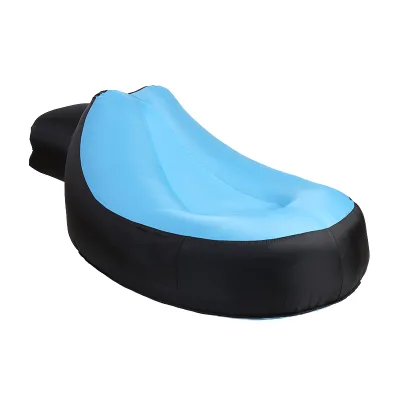


Waterproof Leaking Design Inflatable Lounger Air Hammock Portable Camping Bed
$3.30 - $3.50
MOQ: 285 Pieces

Fast Inflation Adjustable Backrest Inflatable Lounger Air Small Single Camping Bed
$4.80 - $5.00
MOQ: 200 Pieces


Comprehensive Sourcing Guide
Strategic Sourcing Guide for Portable Foldable Inflatable Loungers
The global demand for portable, foldable inflatable loungers has surged as consumers and businesses seek versatile furniture solutions that balance comfort with space efficiency. For B2B procurement professionals, navigating this market requires a disciplined approach to verifying technical specifications, compliance standards, and supplier capabilities. This guide synthesizes observed market data and verified product attributes to provide a framework for sourcing these items effectively. The focus remains on evidence-based evaluation rather than speculative claims, ensuring that procurement decisions are grounded in tangible product facts and industry standards.
Technical Specifications and Material Composition
When evaluating portable inflatable loungers, the primary technical differentiator lies in the material composition and structural design. The core product category is defined by the use of PVC (Polyvinyl Chloride) as the primary material, specifically noted in product listings as "ASTM PVC." This material choice is critical because it dictates the durability, load-bearing capacity, and safety profile of the final product. Buyers must verify that the PVC used meets specific thickness and tensile strength requirements to prevent premature failure under load.
The physical dimensions of these units vary significantly based on the intended application. Observed specifications indicate standard size ranges, such as 1558965 cm, 1707583 cm, and 1807050 cm. These dimensions directly influence the product's classification as a single-seat lounger or a larger sofa. A key observation in the market is the "S Shape" ergonomic design, which is engineered to provide support without the need for traditional armrests. This "Without Armrest" feature is a distinct design choice that reduces material usage and weight, enhancing portability.
Load-bearing capacity is another critical specification. Market data highlights a carrying capacity of up to 300kgs for certain high-end models, a figure that buyers should treat as a maximum observed limit rather than a universal standard. The "Folded" state of the product is essential for logistics; the ability to collapse the unit into a compact form allows for efficient shipping and storage. The "Carrying Bag" or "Color Box" packaging options further support the portable nature of the product, ensuring that the item remains protected during transit and is ready for immediate use upon arrival.
Compliance and Certification Verification
In the realm of inflatable furniture, particularly items intended for home, hotel, or outdoor use, compliance with safety and quality standards is non-negotiable. The market data confirms that reputable suppliers adhere to a rigorous set of certifications. The most frequently observed certifications include EN71, ASTM, and CPC (Children's Product Certificate). These standards are not merely marketing labels but represent specific testing protocols regarding chemical safety and physical durability.
Buyers must specifically verify the presence of "Phthalate Free" and "Low Cadmium" attributes in the product documentation. These chemical restrictions are vital for products that may come into prolonged contact with human skin, especially in environments like bedrooms or living rooms. The "Testing" standard listed as CPC, EN71, and ASTM suggests a comprehensive approach to safety, covering mechanical strength, flammability, and chemical composition.
While some background knowledge suggests the existence of ISO9001 or BSCI certifications, these should not be assumed as standard for every listing. Instead, procurement teams should request explicit proof of these certifications if they are required for their specific supply chain compliance policies. The "Customized" nature of the product standard means that the final specifications may vary, but the underlying safety certifications must remain consistent. Buyers should demand test reports that explicitly reference the specific product model, such as "MX-F17" or generic "Inflatable Air Sofa" models, to ensure the certification applies to the exact unit being purchased.
Cost Drivers and Pricing Dynamics
The pricing structure for portable inflatable loungers is influenced by a complex interplay of material costs, customization levels, and order volume. The observed price range in the market spans from 1.98 USD to 50.84 USD. This wide disparity is not indicative of quality alone but reflects differences in material thickness, printing complexity, and packaging requirements.
The Minimum Order Quantity (MOQ) is a significant cost driver. Data indicates an MOQ range of 1 to 1000 units, with a specific high-confidence observation of 500 units for customized orders and 1000 units for standard bulk orders. Buyers must understand that ordering below the standard MOQ often incurs a premium per unit or may not be feasible for custom branding. The "Customized" attribute extends to the product itself, including size, logo placement, and color. These customizations add to the production cost but are essential for brand differentiation in the B2B sector.
Printing methods also impact the final cost. The market supports three primary printing techniques: Silk Screen, UV, and Roller printing. Silk screen printing is typically more labor-intensive and suitable for smaller runs or specific logo placements, while UV and roller printing are often more cost-effective for large-scale, full-surface designs. The choice of packaging, whether a simple "Carry Bag" or a more elaborate "Color Box" followed by a "Master Carton," will also influence the landed cost. Buyers should request a detailed breakdown of costs to understand how much of the price is attributed to the raw PVC material versus the value-added services of branding and packaging.
Typical Applications and Usage Scenarios
The versatility of the Portable Foldable Inflatable Lounger allows it to serve a wide array of applications, from residential use to commercial and outdoor events. The observed usage categories include "Living Room," "Bedroom," "Study," "Bar," and "Hotel." In these indoor settings, the "Modern Style" and "Simple" design aesthetics make these loungers a trendy addition to contemporary interiors. The "Ergonomic" design ensures comfort, making them suitable for extended periods of use.
For outdoor applications, the product is marketed for "Camping," "Hiking," "Festivals," and "Outdoor Picnics." The "Portable" and "Inflatable" features are paramount here, as they allow users to transport the furniture easily to remote locations. The "Application" attribute explicitly lists both "Outdoor" and "Indoor," confirming the dual-purpose nature of the product. The "Mattress Type" is often described as a "Camping Air Sofa," highlighting its adaptability to rugged environments.
It is important to note that while some product attributes mention specific functions like "Sex Sofa" or "Sex Toy Sm Products," the primary B2B procurement focus for general furniture buyers should remain on the broader categories of "Home Furniture" and "Camping Furniture." Procurement teams should ensure that the specific product model selected aligns with their intended market segment to avoid brand misalignment or regulatory issues in certain jurisdictions. The "General Use" attribute of "Home Furniture, Camping Furniture" provides a safer, more universal classification for most commercial buyers.
Supplier Evaluation and Operational Capabilities
Selecting the right supplier is as critical as evaluating the product itself. The market data indicates that the "Place of Origin" is predominantly "Guangdong, China," a region known for its robust manufacturing ecosystem for PVC products. Buyers should verify the supplier's location to assess logistics feasibility and potential shipping costs. The "OEM/ODM" capability is a key indicator of a supplier's flexibility. Most observed listings confirm "Yes" for OEM/ODM, meaning suppliers can produce custom designs or manufacture under the buyer's brand.
The "Customization" attribute is available across the board, but the extent of this customization varies. Buyers should inquire about the specific limits of customization, such as whether the "Size" can be altered beyond the standard 1558965 cm or if the "Logo" can be placed in specific locations. The "Condition" of the product is consistently listed as "New," which is a baseline expectation but should be confirmed during the sampling phase.
When evaluating suppliers, procurement teams should look for evidence of a robust production process. The "Standard" of production should be verified against the "Customized" nature of the order. A supplier that offers "Customized" standards but lacks clear documentation on how they achieve this may pose a risk. The "Carrying Capacity" of 300kgs mentioned in some listings should be treated as a specific product feature rather than a general supplier capability, and buyers should request third-party verification for such high-load claims.
Quality Control and Long-Term Procurement Strategy
Ensuring consistent quality in inflatable products requires a proactive quality control (QC) strategy. Given the "Folded" nature of the product, buyers must test for seam integrity and air retention. The "Feature" of "Strong Load-Bearing" and "Easy Install" must be validated through physical testing. A robust QC plan should include pre-production samples, in-process inspections, and pre-shipment inspections.
Long-term procurement considerations involve building a relationship with suppliers who can maintain consistency in the "Printing" quality and material thickness over time. The "Product Name" variations, such as "ASTM PVC S Shape Air Inflatable Ergonomic Sofa" versus "Inflatable Lounger Sofa Chairs," suggest that the market is fragmented with many similar but distinct products. Buyers should standardize their specifications to ensure they receive the exact product they require, rather than relying on generic naming conventions.
The "Test Results" for certifications like EN71 and ASTM should be reviewed for each batch, as chemical formulations can vary. Buyers should also consider the "Packing" method; the transition from "Carry Bag" to "Master Carton" affects the product's protection during long-distance shipping. A well-structured procurement strategy will include a clause for re-testing if the supplier changes their material source or manufacturing location, ensuring that the "Phthalate Free" and "Low Cadmium" attributes remain intact.
Comparative Analysis of Product Attributes
To facilitate decision-making, the following table summarizes the key attributes observed in the market, highlighting the variations that buyers must consider.
| Attribute Category | Observed Values | Procurement Consideration |
|---|---|---|
| Material | ASTM PVC | Verify thickness and chemical safety (Phthalate Free). |
| Certifications | EN71, ASTM, CPC, Phthalate Free, Low Cadmium | Request test reports for specific batches. |
| Dimensions | 1558965 cm, 1707583 cm, 1807050 cm | Confirm fit for intended space; check for custom sizing. |
| Load Capacity | Up to 300kgs (Specific Models) | Verify load-bearing claims with third-party testing. |
| MOQ | 1 - 1000 (Common: 500, 1000) | Negotiate based on volume; understand cost implications. |
| Customization | Logo, Size, Color, Printing (Silk/UV/Roller) | Define clear specs for branding and design. |
| Packaging | Carry Bag, Color Box, Master Carton | Assess protection needs for shipping and retail. |
| Origin | Guangdong, China | Factor in lead times and logistics from this region. |
Conclusion
Sourcing portable foldable inflatable loungers requires a meticulous approach that balances technical requirements with compliance and cost considerations. By focusing on verified attributes such as ASTM PVC material, EN71 and ASTM certifications, and specific dimensional standards, buyers can mitigate risks associated with product failure or regulatory non-compliance. The market offers significant flexibility through OEM/ODM capabilities and customization options, but this flexibility must be managed through rigorous quality control and clear communication with suppliers. As the demand for versatile, space-saving furniture continues to grow, a disciplined procurement strategy ensures that buyers secure high-quality products that meet the diverse needs of their customers, whether for residential, commercial, or outdoor applications.
FAQs
What certifications are required for portable foldable inflatable loungers?
Reputable products must hold EN71, ASTM, and CPC certifications. These standards verify chemical safety including Phthalate Free and Low Cadmium content, ensuring the PVC material is safe for skin contact in living rooms, hotels, or outdoor camping environments.
How much weight can a Portable Foldable Inflatable Lounger support?
Certain high-end models support a carrying capacity of up to 300kgs. This strong load-bearing feature is a specific product attribute, so buyers should verify the exact limit for the selected model before purchasing for heavy-duty use.
Which customization options are available for bulk orders?
Customization is available for size, logo, and printing methods like Silk Screen or UV. Buyers can request specific dimensions such as 155*89*65 cm and custom logos, though Minimum Order Quantities typically start at 500 or 1000 units depending on the order type.
Can I find portable foldable inflatable loungers from Guangdong suppliers?
Yes, the place of origin for these products is predominantly Guangdong, China. Suppliers in this region offer OEM and ODM services, allowing for customized production while maintaining compliance with international safety standards like ASTM and EN71.
What is the typical price range for these inflatable loungers?
The observed price range spans from 1.98 USD to 50.84 USD per unit. This variation depends on material thickness, printing complexity, and packaging choices like carry bags or color boxes, with costs increasing for custom branding and lower MOQs.
How are portable foldable inflatable loungers packaged for shipping?
Products are packed in a carry bag or color box, then placed in a master carton. This packaging ensures the folded unit remains protected during transit and is ready for immediate use upon arrival at the destination warehouse or retail location.