Source Portable Foldable Moon Chair for Hotels, Gardens, and Outdoor Events
Explore 30 listings for the Portable Foldable Moon Chair, featuring options in fabric and aluminum with varying weights and packing sizes. Buyers can compare specifications like load capacity, dimensions, and style to find suitable units for home, hotel, or garden applications.
Key considerations
Products List

$5.00 - $10.00
MOQ: 100 Pieces

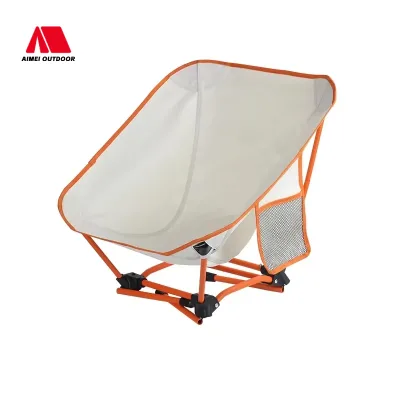


High Quality Folding Moon Chair Zero Gravity Single Folding Sleeping Chair
$5.00 - $15.00
MOQ: 500 Pieces


Hot Sale 360 Degree Rotary Folding Portable Chair Home Leisure Outdoor Moon Chair
$9.83 - $11.57
MOQ: 100 Pieces

High Quality Side Pocket Portable Storage Outdoor Folding Leisure Camping Moon Chair
$7.88 - $9.28
MOQ: 100 Pieces


Comprehensive Sourcing Guide
Strategic Sourcing Guide for Portable Foldable Moon Chairs
Understanding Product Variants and Core Specifications
The term "Portable Foldable Moon Chair" encompasses a diverse range of seating solutions designed for versatility across residential, commercial, and outdoor environments. When sourcing this category, buyers must first distinguish between the primary material constructions observed in the market. The product landscape includes variants constructed from high-strength aluminum alloys, specifically 6065 Aluminum Alloy, which offer a lightweight yet durable frame structure. These metal-framed options are often finished with a powder-coated process to enhance corrosion resistance and aesthetic appeal. Conversely, other segments of the market feature chairs constructed primarily from fabric, such as 600D Oxford cloth, supported by steel tube frames with specific dimensions like 16mm or 13mm diameters and a wall thickness of 1.0mm.
The physical geometry of these chairs is a critical differentiator. While the "moon" designation often implies a specific curved silhouette, the observed product attributes indicate a wide spectrum of shapes available, including Round, Oval, Rectangular, Square, Octagon, Hexagon, Pentagonal, and Triangle configurations. This geometric diversity allows buyers to match specific design requirements for gardens, hotels, or event spaces. A defining characteristic of the foldable variant is its compact storage capability. Data indicates that folded dimensions can be as small as 34*11cm for certain models, facilitating efficient logistics and storage. The folded state is a mandatory feature for the "portable" classification, ensuring the chair can be easily transported in vehicles or stored in small apartments.
Packaging standards vary significantly between product lines, directly impacting shipping costs and handling requirements. Some units are packed individually in cartons with dimensions around 351313 cm, while others utilize bulk packing methods where multiple units, such as 2 or 6 pieces, are consolidated into a single carton. Carton sizes can reach up to 808040 cm for larger configurations. Understanding these packing specifications is essential for calculating container loading efficiency. For instance, a 20-foot general purpose container may accommodate approximately 660 pieces of certain models, whereas a 40-foot high cube container can hold between 860 to 1600 pieces depending on the specific model and packing density.
Technical Performance and Load Capacity Analysis
When evaluating the technical integrity of portable foldable moon chairs, load capacity and structural stability are paramount. The observed data points to a specific load capacity of 100kg for certain aluminum alloy models, suggesting a robust design capable of supporting average adult weight with a safety margin. This capacity is achieved through the integration of high-grade materials like 6065 Aluminum Alloy, which provides an optimal strength-to-weight ratio. For steel-framed alternatives, the use of 1.0mm thick tubes with diameters of 13mm or 16mm contributes to the structural rigidity required for daily use in high-traffic areas.
Weight is another critical technical specification that influences the "portable" nature of the product. The market presents a wide range of unit weights, from ultralight options weighing approximately 1.95kg to heavier, more substantial models reaching 7kg per piece. The lighter variants, often associated with the 600D Oxford fabric and aluminum frames, are ideal for users who prioritize ease of transport, such as for camping or beach outings. Heavier models, while less portable, may offer enhanced stability and comfort for permanent or semi-permanent placement in hotel lobbies or garden patios.
The fabric composition plays a significant role in the chair's durability and comfort. The 600D Oxford fabric is a standard high-density material known for its resistance to tearing and abrasion. This material choice supports features such as breathability and quick-drying capabilities, which are essential for outdoor applications where exposure to moisture is common. Additionally, the inclusion of features like anti-static properties and eco-friendly manufacturing processes adds value for buyers targeting environmentally conscious markets. The "folded" state is not merely a storage convenience but a functional design element that must withstand repeated cycles of opening and closing without compromising the frame's integrity or the fabric's tension.
Cost Drivers and Pricing Dynamics
The pricing structure for portable foldable moon chairs is influenced by a complex interplay of material costs, manufacturing complexity, and logistical factors. The observed price range in the market spans from $1.96 to $130, reflecting the vast difference between basic fabric models and premium aluminum alloy constructions. Several key factors drive these costs. First, the frame material is a primary cost determinant; 6065 Aluminum Alloy is generally more expensive than standard steel tubes due to material costs and the energy-intensive processing required for alloying and extrusion. The powder-coating process applied to metal frames also adds to the unit cost but significantly extends the product's lifespan in outdoor environments.
Second, the complexity of the design and the number of customization options available directly impact the final price. Chairs with custom shapes, specific colorways, or branded finishes command higher prices than standard off-the-shelf models. The "Customized" attribute observed in the product data indicates that buyers can request specific modifications, which often involve minimum order quantities (MOQs) and setup fees. The MOQ range observed spans from 50 to 3000 pieces, suggesting that smaller buyers may face higher per-unit costs due to the lack of economies of scale, while larger volume purchasers can negotiate more favorable pricing tiers.
Logistics and packaging represent another significant cost driver. The volume of the product, measured in cubic meters (CBM), varies by model. For example, some units have a volume of 0.16 CBM per piece, while others are packed in larger cartons. The efficiency of container loading, such as the difference between 660 pieces in a 20GP container versus 1600 pieces in a 40HQ container, directly affects the landed cost. Buyers must calculate the cost per unit including freight, considering that denser packing reduces the shipping cost per piece. Additionally, the origin of the product, primarily Hebei Province, China, influences labor costs and supply chain efficiency, which are factored into the base price.
Compliance, Certification, and Quality Verification
In the B2B procurement of furniture, verifying compliance and quality standards is essential to mitigate risk and ensure product safety. While specific certification documents like ISO 27001:2022 are mentioned in background contexts, buyers should not assume that every listed product holds such certifications without explicit verification from the supplier. Instead, the focus should be on verifying the physical attributes and manufacturing processes that align with international safety and quality expectations.
Buyers must request documentation regarding the structural integrity of the frames. For aluminum models, verification of the 6065 alloy grade is crucial to ensure the material meets the specified strength requirements. For steel-framed chairs, confirmation of the tube diameter and wall thickness (e.g., 16/13x1.0mm) should be cross-referenced with the physical product or third-party test reports. The load capacity claim of 100kg should be supported by static load testing data, ensuring the chair can safely support the intended weight without deformation or failure.
Quality control should also extend to the fabric and finishing processes. The 600D Oxford fabric should be inspected for density and tensile strength to ensure it resists tearing under stress. The powder-coating process on metal frames must be checked for uniformity and adhesion to prevent chipping or peeling, which are common failure points in outdoor furniture. Buyers should verify that the "Eco-Friendly" and "Anti-Static" claims are backed by material safety data sheets or relevant testing protocols, as these terms are often used loosely in marketing without standardized backing.
Furthermore, the "Customized" nature of many products requires a rigorous quality assurance process. Custom colors, shapes, or branding elements introduce variables that can affect consistency. Buyers should establish clear quality benchmarks for these custom features before placing large orders. The "Mail packing" attribute, indicated as "Y" for some models, suggests a specific packaging standard that may be required for certain logistics channels, and this should be confirmed to avoid damage during transit.
Typical Applications and Market Segmentation
The versatility of portable foldable moon chairs allows them to serve a wide array of applications across different market segments. The observed usage data highlights a broad spectrum of environments, including Hotels, Homes, Gardens, Parks, Villas, Gyms, Warehouses, Kitchens, Farmhouses, Basements, Bedrooms, Bathrooms, Dining areas, Entryways, Schools, Supermarkets, Halls, Malls, Hospitals, Home Offices, Workshops, Living Rooms, Apartments, Courtyards, and Exterior spaces. This extensive list underscores the product's adaptability to both residential and commercial needs.
In the hospitality sector, these chairs are ideal for outdoor dining areas, poolside lounges, and event spaces where flexibility and easy storage are required. The "Modern" and "European" style attributes observed in the product data make them suitable for contemporary hotel designs. In the residential market, the "Foldable" and "Portable" features appeal to homeowners with limited space, such as those in apartments or houses with small patios. The ability to fold the chair to dimensions as small as 34*11cm allows for convenient storage in closets or under beds.
Commercial applications extend to retail environments, schools, and healthcare facilities. The "Durable" and "Lightweight" characteristics make these chairs practical for schools that need to rearrange seating frequently or for hospitals requiring movable furniture for patient rooms. The "Specific Use" as a "Garden Chair" and "General Use" as "Outdoor Furniture" indicates a strong fit for landscaping and outdoor event planning. The variety of shapes, including Round, Square, and Octagon, allows buyers to create diverse seating arrangements that match the aesthetic of the venue.
Supplier Evaluation and Procurement Strategy
Selecting the right supplier for portable foldable moon chairs requires a thorough evaluation of their capabilities, particularly regarding customization and production capacity. The observed data indicates that suppliers are located primarily in Hebei Province, China, a region known for its manufacturing infrastructure. Buyers should verify the supplier's ability to handle the full range of customization options, from color selection to shape modification, without compromising quality. The "Customized" attribute suggests that many suppliers offer tailored solutions, but the feasibility of these options depends on the supplier's production flexibility.
When evaluating suppliers, buyers should assess their quality control systems and adherence to the technical specifications outlined in the product data. A reliable supplier will provide detailed information on frame materials, fabric grades, and finishing processes. They should also be transparent about their packaging standards, including carton dimensions and packing density, to ensure accurate logistics planning. The MOQ range of 50 to 3000 pieces indicates that suppliers cater to both small and large buyers, but the lead times and pricing will vary accordingly.
Buyers should also consider the supplier's experience with international shipping and container loading. The observed container capacities (660 PCS in 20GP, 1600 PCS in 40HQ) suggest that efficient packing is a key competency. A supplier with expertise in optimizing container loads can help reduce shipping costs and improve delivery timelines. Additionally, the "Brand Name" attribute, such as "Aimei," indicates that some suppliers offer branded products, which may be preferable for buyers looking to establish their own brand identity.
Long-Term Procurement and Maintenance Considerations
Sourcing portable foldable moon chairs is not just a one-time transaction but a long-term partnership that requires consideration of maintenance and lifecycle management. The "Durable" and "Eco-Friendly" attributes suggest that these products are designed for longevity, but proper maintenance is essential to maximize their lifespan. Buyers should develop a maintenance protocol that includes regular cleaning of the fabric and inspection of the frame for signs of wear or corrosion. The powder-coated finish on aluminum frames should be checked for scratches or chips that could expose the metal to the elements.
For buyers operating in high-traffic commercial environments, the frequency of use will impact the replacement cycle. Understanding the load capacity and material limits is crucial for preventing premature failure. The "Folded" state should be inspected regularly to ensure that the folding mechanism remains smooth and that the chair returns to its original shape without sagging. The "Quick Dry" feature of the fabric is particularly valuable in outdoor settings, reducing the risk of mold or mildew growth.
Long-term procurement strategies should also account for the evolving market trends and design preferences. The wide range of styles observed, from "Modern" and "Minimalist" to "Farmhouse" and "Victorian," indicates that buyers need to stay informed about changing aesthetic demands. Suppliers who can offer a diverse portfolio of styles and colors will be better positioned to meet these changing needs. Additionally, the "Customization" capability allows buyers to adapt their product offerings to specific market segments, ensuring a competitive edge in the long run.
Comparative Analysis of Product Attributes
To facilitate informed decision-making, the following table summarizes the key attributes observed in the market for portable foldable moon chairs. This comparison highlights the differences between material types, dimensions, and usage scenarios, helping buyers align their procurement choices with specific requirements.
| Attribute Category | Aluminum Alloy Variant | Steel Tube Variant | Fabric Variant |
|---|---|---|---|
| Frame Material | 6065 Aluminum Alloy | Steel Tube (16/13x1.0mm) | N/A (Supports Fabric) |
| Primary Material | Metal | Metal | Fabric (600D Oxford) |
| Weight per Unit | ~1.95 KG | ~7 KG | Varies |
| Load Capacity | 100 KG | Not Specified | Not Specified |
| Folded Size | 34*11 cm | Not Specified | 34*11 cm |
| Packing | 1 PCS/CTN (35x13x13) | 2 PCS/CTN | 6 PCS/CTN |
| Style Options | Modern, European | Modern, Industrial | Modern, Mediterranean |
| Key Features | Lightweight, Durable | Heavy-duty, Stable | Breathable, Quick Dry |
| Typical Use | Outdoor, Garden | Hotel, Warehouse | Home, Park |
This comparison underscores the importance of selecting the right variant based on the intended application. Aluminum models are ideal for users prioritizing portability and weight, while steel models offer robustness for heavier use. Fabric variants provide comfort and breathability, making them suitable for extended outdoor seating. By carefully evaluating these attributes, buyers can make strategic procurement decisions that balance cost, performance, and longevity.
FAQs
What materials are used for Portable Foldable Moon Chair frames?
Frames are constructed from either 6065 Aluminum Alloy or steel tubes with 1.0mm thickness. The aluminum variant offers a lightweight structure while the steel option uses 16mm or 13mm diameters for rigidity.
Can these chairs be customized for specific branding needs?
Yes, customization is available for various product attributes including color and shape. Buyers should note that custom orders typically require meeting specific minimum order quantities to proceed with production.
How much weight can a Portable Foldable Moon Chair support?
Selected models feature a verified load capacity of 100kg for safe usage. This capacity is achieved through robust frame designs using high-grade aluminum alloy or thick-walled steel tubes.
What is the typical folded size for storage convenience?
Folded dimensions can be as compact as 34 by 11 cm for specific portable models. This small footprint allows for efficient storage in apartments, vehicles, or warehouse spaces.
Which packaging standards apply to bulk shipping orders?
Packaging varies by model, with options including 2 pieces per carton or 6 pieces per carton. Carton sizes can range from 35 by 13 by 13 cm up to 80 by 80 by 40 cm.
Where are these portable foldable moon chairs manufactured?
Products originate from Hebei Province, China, with some listings specifying the general region of China. This location influences shipping logistics and production lead times for international buyers.
What is the price range for portable foldable moon chairs?
Market prices range from 1.96 to 130 USD depending on material and specifications. Basic fabric models cost less, while premium aluminum alloy constructions with powder coating command higher prices.