Source Portable Food Warmer Warming Tray for Hotels, Parties, and RVs
Compare 30 Portable Food Warmer Warming Tray options featuring food-grade silicone, adjustable temperature control, and auto-shutoff protection. These versatile mats suit hotels, parties, and RVs, offering reusable, oil-proof surfaces with customizable logos and multiple plug types for global sourcing needs.
Key considerations
Products List

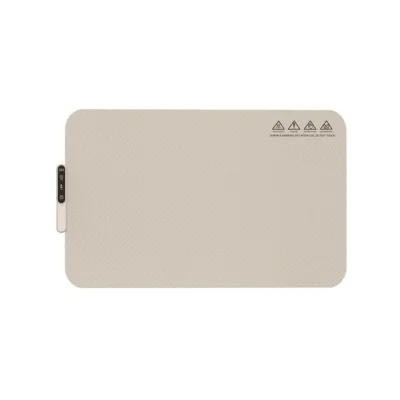


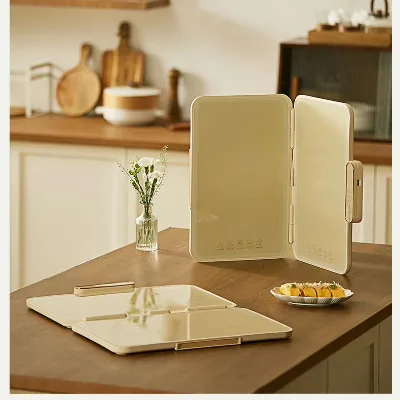
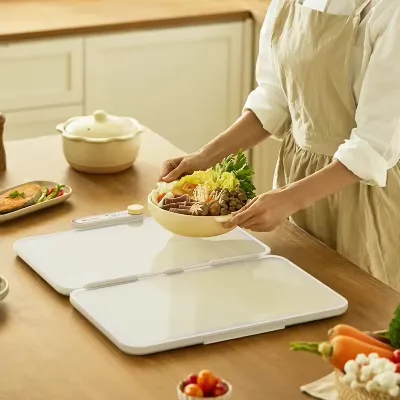
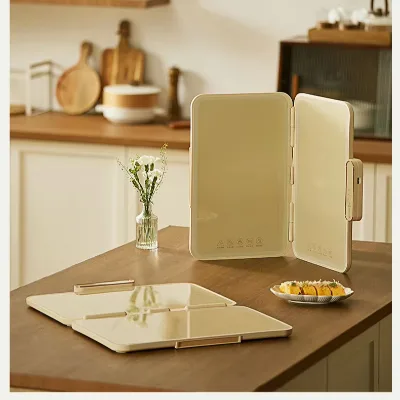


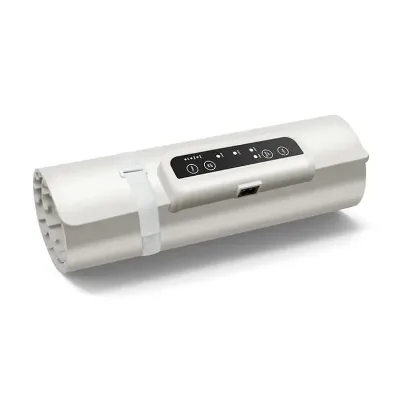

Food Warming Tray Home Jewish Warming Tray Electric Soup Heating Plate
$9.50 - $13.00
MOQ: 1000 Pieces


Home Silicone Heated Pad Food Warmer Warming Mat Electric Warming Trays for Food
$15.00 - $16.80
MOQ: 10 Pieces


Comprehensive Sourcing Guide
Portable Food Warmer Warming Tray Sourcing Guide
Procurement teams must first distinguish between passive silicone mats and active electric heating units when sourcing portable food warmers. The market data reveals a split in product definitions, with some listings describing non-disposable, food-grade silicone mats designed for passive heat retention, while others specify electric units with coil heating elements and power ratings up to 500 watts. Buyers should verify whether the specific listing refers to a simple warming pad or a multipurpose hot plate with temperature control features to ensure the product matches the intended operational use case.
Commercial viability depends heavily on understanding the customization landscape, as many suppliers offer OEM and ODM services for branding and specific dimensions. The observed product attributes indicate that logos can be customized and that materials often combine food-grade silicone with PC housing for durability. Sourcing strategies should prioritize suppliers who explicitly state their ability to customize the product shape, such as square formats, and who provide clear specifications on packing, ranging from individual color boxes to bulk carton configurations for efficient logistics.
Product Scope and Observed Listing Signals
Buyers must carefully analyze the functional scope of listings, as the term "warming tray" often encompasses both simple mats and complex electric appliances with distinct power requirements. The available data shows products ranging from 330W to 500W, with some units featuring rotary vane quantities and specific burner configurations that suggest a more robust heating capability than a standard mat. It is critical to confirm if the product includes active temperature control modes, such as the observed nine modes ranging from 40°C to 120°C, or if it relies solely on passive insulation properties for food preservation.
The application scope for these devices is broad, covering settings from home kitchens to commercial hotels, garages, and even RVs, which necessitates a clear definition of the target environment. Listings indicate that products are suitable for six dishes and feature foldable designs, yet the power requirements vary significantly between 110-120V and 220-240V regions. Procurement teams should verify the plug type compatibility, such as AU, EU, UK, or US standards, to ensure the device can be safely deployed in the intended geographic market without requiring additional adapters or voltage converters.
Technical Specifications to Verify
Technical due diligence requires a rigorous check of the heating element architecture and control mechanisms to prevent operational failures in the field. The observed specifications include coil heating elements and push button or touch control modes, which dictate the user interface complexity and maintenance needs. Buyers must confirm the exact model numbers, such as NCB-11 or 392068, to ensure they are sourcing the correct iteration of the product, as different models may have varying housing materials, ranging from plastic to composite structures, affecting heat distribution and safety.
Dimensional accuracy and thermal performance settings are equally critical for ensuring the product meets the physical constraints of the end-user environment. The data indicates standard dimensions around 600380mm or 61.540.5*1.5cm, but these figures must be cross-referenced with the specific model to avoid mismatches in table fit or storage capacity. Additionally, the heating time settings, which can range from one to six hours, and the auto-turn-off protection after 18 hours, must be verified to ensure they align with the safety protocols and usage patterns of the target customer base.
Compliance and Safety Documentation
Safety compliance is paramount when sourcing electrical appliances that interact directly with food and human environments, requiring verification of specific certification marks. The observed listings mention FDA and CE certifications, which are essential indicators that the materials and electrical components meet international safety and food contact standards. Procurement teams must request valid test reports and certificates for these specific marks to confirm that the product has undergone the necessary rigorous testing for electrical safety and material toxicity before it enters the supply chain.
Beyond general certifications, buyers must scrutinize the specific safety features embedded in the product design to mitigate fire and burn risks. The observed data highlights features such as child-proof mechanisms and 18-hour auto-turn-off protection, which are vital for commercial and household applications. It is necessary to validate that these safety functions are not merely marketing claims but are integrated into the hardware and software logic of the device, ensuring that the product remains safe even during extended unattended operation in busy restaurant or hotel settings.
Cost Drivers and Commercial Terms
Pricing structures for portable food warmers are heavily influenced by the complexity of the heating system and the level of customization requested by the buyer. The observed price range of 1.28 to 25 USD suggests a significant variance based on whether the product is a simple silicone mat or a fully electric unit with advanced temperature controls and indicator lights. Buyers should anticipate that models with higher wattage, multiple temperature modes, and specific plug configurations will command a premium price compared to basic, non-electric warming pads.
Minimum Order Quantities (MOQ) and packaging requirements are key commercial terms that directly impact the total landed cost and inventory management strategy. The data shows an MOQ range from 1 to 1600 units, offering flexibility for small retailers while potentially requiring bulk commitments for large distributors. Additionally, the packing specifications, which vary from individual color boxes to bulk cartons, must be factored into the logistics budget, as the choice of packaging can significantly affect shipping volume and the final cost per unit delivered to the destination market.
Supplier Qualification and Quality Control
Supplier qualification should focus on verifying the origin and manufacturing capabilities, as the observed data points to Shenzhen, China, as a primary production hub for these devices. Buyers must ensure that the supplier has a proven track record in producing food-grade silicone and PC material products that meet the specific electrical standards required for the target market. It is advisable to request samples that demonstrate the actual build quality, including the durability of the housing material and the reliability of the touch or push-button controls under repeated use.
Quality control protocols must be established to verify that the final products match the agreed-upon specifications regarding dimensions, power output, and safety features. Since the product attributes include customizable elements like logos and specific dimensions, the supplier must have a robust process to ensure that these customizations do not compromise the structural integrity or electrical safety of the unit. Regular inspections should be conducted to confirm that the heating time settings and temperature adjustments function accurately across the entire production batch before shipment.
Long-Term Procurement Checks
Sustainable procurement requires ongoing monitoring of product performance and supplier reliability to ensure consistent quality over time. Buyers should establish a feedback loop to track any recurring issues related to the heating elements, control modes, or material degradation, particularly in high-usage environments like commercial kitchens. Regular audits of the supplier's production lines can help identify potential quality drifts early, ensuring that the food-grade silicone and PC materials continue to meet the required safety and durability standards.
Strategic planning for future orders should account for the evolving regulatory landscape and potential changes in certification requirements for electrical appliances. As the market for portable food warmers expands, buyers must stay informed about updates to FDA, CE, and other relevant standards to ensure continued compliance. Maintaining a diverse supplier base and keeping detailed records of product specifications, such as model numbers and power ratings, will facilitate smoother transitions and quicker responses to any supply chain disruptions or quality concerns.
FAQs
What certifications do these Portable Food Warmer Warming Tray products carry?
These warming trays are listed with FDA and CE certification, supporting food-contact safety and compliance for many regions. Certification coverage can vary between individual listings, so confirm the exact certificates with each supplier before ordering. Request copies of test reports and verify they match the specific model and quantity you plan to purchase.
Can the silicone food warming mat be customized with my own logo?
Yes, logo customization is available on these electric food warmer mats, and OEM and ODM orders are welcomed. Typical customization covers printed or embossed branding on the silicone surface and retail packaging. Contact the supplier with your artwork files and order quantity to confirm setup costs, sample approval, and production timing for branded units.
How does the foldable design benefit buyers who travel or cater outdoors?
The foldable silicone design lets the warming mat collapse into a compact shape for storage in bags, vehicles, or catering kits. It is rated for home, party, restaurant, bar, hotel, car, RV, and outdoor use, making it practical for mobile food service. Unfold it flat on a stable, heat-tolerant surface before plugging it in.
What temperature range and control options does the warming mat offer?
The electric food warming mat adjusts from 40 to 120 degrees Celsius, roughly 104 to 248 degrees Fahrenheit, across nine temperature modes. Control is touch based with indicator lights and temperature settings from one to six hours. An automatic shutoff after eighteen hours protects against unattended operation, so set your timer before each use.
Which dishes and occasions is the 600 by 380 millimeter mat suited for?
The square mat measures 600 by 380 millimeters and is suitable for keeping six dishes warm at once. That capacity fits buffet lines, family dinners, parties, restaurant service, and bar settings. Arrange dishes evenly across the food-grade silicone surface so heat distributes consistently, and avoid blocking the control panel when placing heavier cookware.
How many dishes can the warmer hold and what power does it use?
This electric warming mat is rated for six dishes and operates at 330 watts of power. The moderate wattage suits household outlets and typical commercial sockets, and plug options include AU, EU, UK, and US styles. Check the voltage rating, listed as 110 to 120 volts or 220 to 240 volts, against your local supply before ordering.
Can I order a single warming mat or is a minimum quantity required?
Minimum order quantities vary by listing, and observed MOQs in this category range from one piece to 1600 pieces. Some listings are sold as a single item, which suits sample testing or personal use, while bulk pricing usually applies to carton quantities. Confirm the MOQ, packaging format, and unit price directly with each supplier before placing an order.
How is the electric food warmer mat packed for shipping and retail?
Packing options include an individual color box inside an outer carton, and some listings use standard box packing. Retail-ready color boxes support resale in home, party, and restaurant channels, while cartonized bulk packing protects units during freight. Ask suppliers to confirm carton dimensions, units per carton, and whether customized retail packaging is available for your market.