Source Portable Folding Water Bag with Suction Nozzle for Hiking
Compare 30 listings for a Portable Folding Water Bag with Suction Nozzle designed for outdoor activities. Buyers can evaluate specifications, materials, and pricing from verified manufacturers in China to find the best option for camping, hiking, and climbing.
Key considerations
Products List
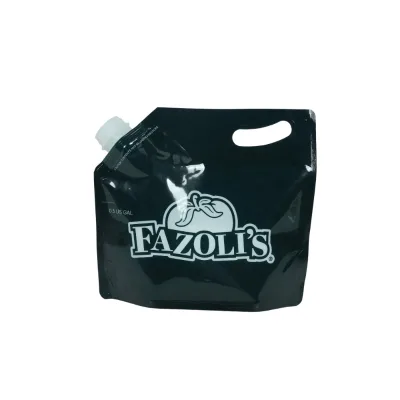
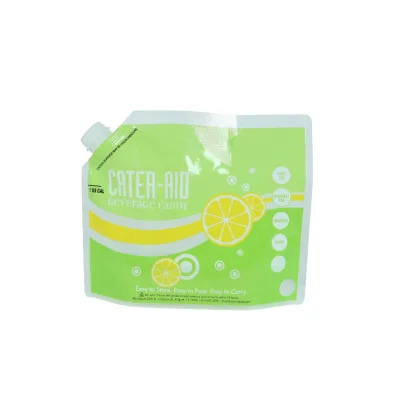
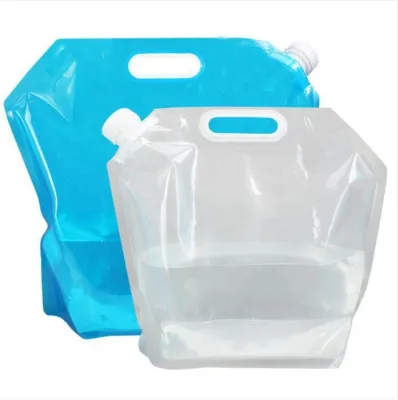
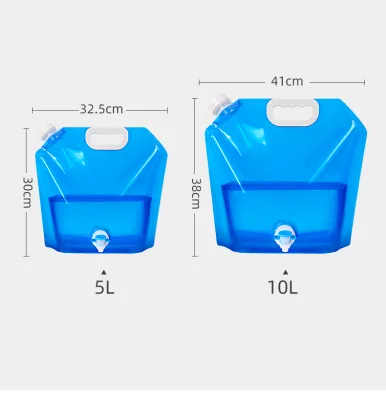

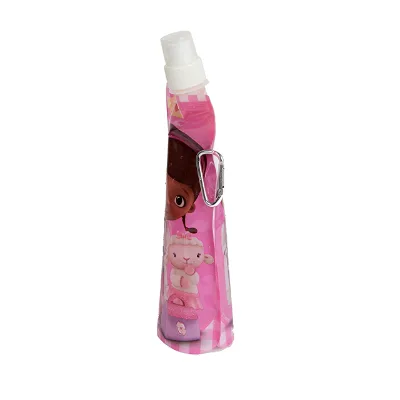
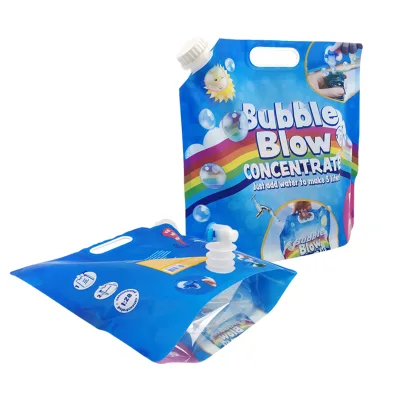


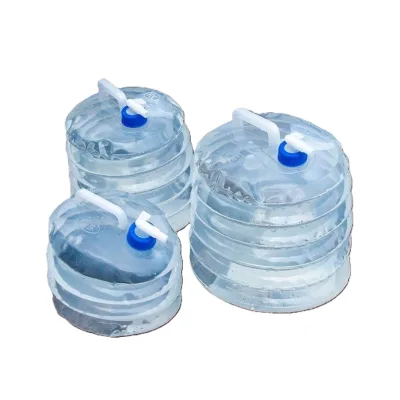

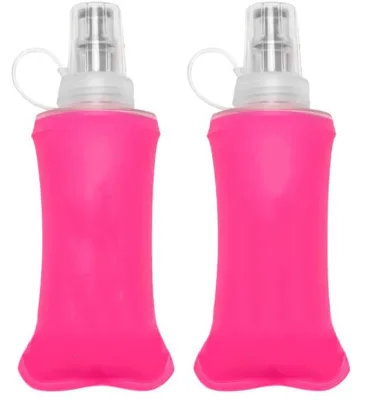

1L~10L Portable Folding Plastic Water Storage Bag Liquid Packaging Bag
$0.23 - $0.25
MOQ: 10000 Pieces


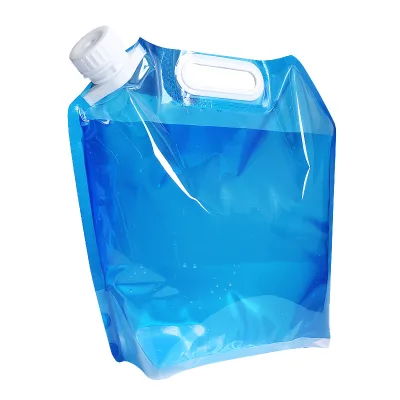


Portable Foldable Water Storage Bag for Emergency Relief
$20.00 - $302.00
MOQ: 1 Pieces
Weifang Xinlin Environmental Protection Technology Co., Ltd.


Comprehensive Sourcing Guide
Strategic Sourcing Guide for Portable Folding Water Bags with Suction Nozzles
The global demand for portable hydration solutions has surged, driven by the expansion of outdoor recreation, emergency preparedness, and the need for lightweight logistics in industrial settings. Among these solutions, the portable folding water bag with a suction nozzle represents a specialized niche that combines high-volume storage capacity with compact portability and precise dispensing control. For B2B procurement professionals, sourcing this specific category requires a disciplined approach that balances material science, regulatory compliance, and supply chain reliability. This guide outlines the critical factors buyers must evaluate when selecting suppliers for these units, ensuring that the final product meets operational requirements without compromising on safety or durability.
Technical Specifications and Material Architecture
The core functionality of a portable folding water bag relies heavily on its material architecture and structural design. In the current market, these products are frequently constructed from multi-layer composite films designed to balance flexibility, barrier properties, and durability. Common material structures observed in high-performance units include PET/NY/PE laminates, which offer excellent oxygen and moisture barrier properties essential for maintaining water quality over extended periods. Other variations may utilize PVC or combinations of PE, PET, and PV layers, each offering distinct trade-offs between cost, weight, and chemical resistance.
When evaluating technical specifications, buyers must scrutinize the dimensions and capacity. Standard configurations often feature capacities ranging from 5 liters to 10 liters, optimized for individual hikers or small teams. The physical dimensions of the folded unit are equally critical; a typical single package size might measure approximately 16x11x21 cm or 35x35x35 cm depending on the specific model and intended bulk shipping efficiency. The inclusion of a suction nozzle is a defining feature that differentiates these bags from standard bladder systems. This component allows for controlled drinking without tilting the entire container, a significant advantage during active pursuits like climbing or hiking.
The sealing mechanism and handle design also play pivotal roles in usability. Products often feature a hand-length handle for easy carrying and a robust sealing system to prevent leaks during transport. The thickness of the material is frequently customizable, allowing suppliers to tailor the product to specific pressure requirements or durability expectations. Buyers should verify that the "Foldable" attribute is genuine and that the bag can return to its original shape after repeated compression cycles without developing micro-tears or permanent deformation.
Compliance, Certification, and Safety Standards
Safety and regulatory compliance are non-negotiable when sourcing products intended for human consumption. The primary concern for any water storage device is the potential for chemical leaching or bacterial growth. Consequently, buyers must demand evidence that the materials used are food-grade. This status ensures that the plastic or laminate layers do not impart harmful substances into the stored liquid, even under varying temperature conditions.
Certification verification is a critical step in the due diligence process. One specific standard frequently associated with biodegradable or environmentally conscious packaging is DIN EN13432. While this standard is primarily focused on compostability, its presence indicates a supplier's commitment to rigorous testing and adherence to European environmental norms. However, for water bags, the primary focus should remain on food contact safety certifications, which may vary by region. Buyers should not assume that a product labeled as "Food Grade" automatically meets the specific regulatory requirements of their target market. Instead, they must request current test reports and certificates that explicitly validate the material's safety for beverage storage.
Additionally, the waterproof standard of the bag must be verified. While many suppliers claim a "Waterproof" status, this should be backed by specific testing data regarding pressure resistance and seam integrity. The absence of a standardized numerical rating for waterproofing in the general market means that buyers must rely on the supplier's internal quality control data or third-party validation to ensure the bag will not fail during transit or heavy use.
Cost Drivers and Economic Considerations
The pricing of portable folding water bags is influenced by a complex interplay of material costs, production complexity, and order volume. The observed price range in the market can be substantial, spanning from very low entry-level costs to premium pricing for specialized, high-volume custom orders. This variance is largely driven by the choice of material structure; multi-layer laminates like PET/NY/PE are generally more expensive than single-layer PVC or PE constructions due to the complexity of the lamination process and the cost of raw materials.
Order volume is another significant cost driver. Many suppliers operate with a Minimum Order Quantity (MOQ) that can range from 1 unit for sampling purposes to 50,000 units for full production runs. A common MOQ observed in this sector is around 10,000 pieces, which reflects the setup costs associated with gravure printing and custom molding. Buyers seeking smaller quantities may face higher per-unit costs or may need to source from suppliers with more flexible production lines.
Customization is a major factor in cost escalation. Attributes such as custom colors, bespoke logo printing via gravure printing, and unique size specifications add layers of complexity to the manufacturing process. The "Custom Order" attribute is widely accepted in this industry, allowing for tailored solutions, but each customization request typically incurs additional tooling or setup fees. Furthermore, the packaging method, often carton packing, adds to the overall cost, particularly if the single gross weight of the package is significant, as seen in units weighing up to 10 kg per package.
Typical Applications and Use Cases
The versatility of the portable folding water bag with a suction nozzle makes it suitable for a diverse array of applications. The primary use case is undoubtedly outdoor recreation, including camping, hiking, and climbing. In these scenarios, the lightweight and foldable nature of the bag allows users to carry significant water volume without the bulk of rigid containers. The suction nozzle is particularly advantageous here, enabling users to drink hands-free while navigating difficult terrain.
Beyond recreational use, these bags find application in emergency preparedness and humanitarian aid. Their ability to be folded flat when empty makes them ideal for storage in emergency kits or for distribution in disaster relief zones where space is at a premium. The "All Seasons" attribute suggests that these products are designed to withstand varying environmental conditions, making them suitable for year-round deployment.
In industrial and commercial contexts, the bags may be used for beverage storage or transport in settings where traditional bottles are impractical. The "Industrial Use" classification often points to applications in the beverage sector, where the bags serve as a sustainable alternative to single-use plastic bottles. The "Leather, Neoprene" material options for cooler bags or holders suggest that these water bags are often integrated into larger systems, such as insulated coolers or specialized holders, to maintain temperature control for beer, wine, or coffee.
Supplier Evaluation and Sourcing Strategy
Selecting the right supplier requires a thorough evaluation of their capabilities, particularly regarding their location and manufacturing expertise. Many suppliers in this sector are based in China, with significant manufacturing hubs in provinces like Guangdong and Jiangsu. These regions offer established supply chains for plastic processing and packaging materials, but buyers must verify the specific origin of the product to ensure consistency in quality and logistics.
When evaluating potential partners, buyers should look for suppliers who explicitly state "OEM Manufacture" capabilities. This indicates that the supplier is equipped to handle custom branding, including logo printing and color customization. The "Advantage" of being an OEM manufacturer suggests a level of flexibility and experience in producing tailored solutions for B2B clients. However, buyers must also assess the supplier's ability to maintain consistent quality across large production runs, especially given the high MOQs often required.
It is essential to verify the supplier's track record in producing food-grade products. While a supplier may claim to be an OEM, their actual experience with food safety standards is a separate metric. Buyers should request references or case studies demonstrating successful deliveries of similar products to other clients in the beverage or outdoor equipment sectors. Additionally, the supplier's ability to handle the "Gravure Printing" process is crucial for ensuring high-quality branding on the final product.
Quality Control and Long-Term Procurement
Quality control (QC) is the backbone of a successful procurement strategy for portable water bags. Given the critical nature of food contact, buyers must implement a robust QC protocol that includes pre-production sampling, in-process inspections, and final random inspections. The "Single gross weight" and "Single package size" should be verified against the agreed-upon specifications to ensure that the product meets the logistical requirements of the buyer's distribution network.
Long-term procurement considerations involve building a sustainable relationship with the supplier. This includes negotiating terms for volume discounts, establishing clear communication channels for order tracking, and agreeing on a consistent lead time. The "Lead time" is not explicitly defined in the provided data, but buyers should treat it as a variable that requires explicit confirmation in the purchase agreement. Delays in production can disrupt supply chains, particularly for seasonal products or emergency stockpiles.
Furthermore, buyers should consider the environmental impact of their procurement choices. While some products may carry certifications like DIN EN13432, indicating compostability, others may rely on traditional plastic structures. Aligning procurement decisions with corporate sustainability goals can provide a competitive advantage and enhance brand reputation. Finally, maintaining a buffer stock of critical components, such as the suction nozzles and handles, can mitigate the risk of supply chain disruptions and ensure continuity of operations.
Comparative Analysis of Product Attributes
To facilitate a clearer understanding of the market landscape, the following table summarizes key attributes observed in the portable folding water bag sector. This comparison highlights the diversity in specifications and helps buyers identify the features most relevant to their specific needs.
| Attribute Category | Observed Variations | Key Considerations for Buyers |
|---|---|---|
| Material Structure | PET/NY/PE, PE+PET+PV, PVC, Leather/Neoprene | Verify food-grade status and barrier properties for intended use. |
| Capacity | 5L, 10L | Match capacity to user group size and portability requirements. |
| Dimensions (Folded) | 16x11x21 cm, 35x35x35 cm | Ensure compatibility with storage bags or transport containers. |
| Printing Method | Gravure Printing, Custom Logo | Assess print quality and durability for branding longevity. |
| Certification | DIN EN13432, Food Grade | Confirm validity and relevance to target market regulations. |
| MOQ Range | 1 to 50,000 pcs | Align order volume with budget and storage capacity. |
| Origin | Guangdong, Jiangsu, China | Consider logistics costs and lead times based on location. |
| Feature Set | Foldable, Insulated, Waterproof, Suction Nozzle | Prioritize features based on specific application scenarios. |
By systematically evaluating these attributes and adhering to the rigorous standards outlined in this guide, procurement professionals can secure high-quality portable folding water bags that meet the demands of modern outdoor and industrial applications. The key lies in balancing technical specifications with regulatory compliance and supplier reliability to ensure a successful and sustainable sourcing outcome.
FAQs
What material structure is used for these water bags?
The product uses a PET/NY/PE laminate structure to ensure durability and barrier properties. Some variations may utilize PVC or PE+PET+PV combinations depending on the specific model and supplier capabilities.
Can I order custom colors and logos for this product?
Yes, the product accepts custom orders with customized colors and logo printing via gravure printing. Buyers can request specific branding details, though this typically requires meeting the minimum order quantity of 10,000 pieces.
What is the minimum order quantity for this item?
The standard minimum order quantity is 10,000 pieces for production runs. However, some suppliers may accept orders starting from 1 unit for sampling purposes, while others may require up to 50,000 units for full customization.
Does the bag meet food safety standards for drinking water?
The product is certified as food grade and holds DIN EN13432 certification for environmental standards. Buyers should verify specific food contact test reports to ensure compliance with their local regulatory requirements before large-scale procurement.
Where are these portable water bags manufactured?
Manufacturing locations include Guangdong and Jiangsu provinces in China. These regions host established supply chains for plastic processing and packaging materials, offering OEM manufacturing capabilities for custom branding and specifications.
What capacity options are available for the folding bag?
Available capacities include 5 liters and 10 liters for portable use. These sizes are optimized for individual hikers or small teams, fitting within a single package size of 16x11x21 cm or 35x35x35 cm.