Source Portable Form Fill Seal Machine for Tea, Meat, and Cosmetics
Find and compare 30 Portable Form Fill Seal Machine options for packaging tea, meat, and cosmetics. These automatic units support doypack and zip lock bag formats with servo-driven forming, filling, and sealing functions for efficient production.
Key considerations
Products List


$43000.00 - $45000.00
MOQ: 1 Sets

$43000.00 - $45000.00
MOQ: 1 Sets

Automatic Filling and Sealing Machine Form Fill Seal Packaging Machine
$30000.00 - $40000.00
MOQ: 1 SET

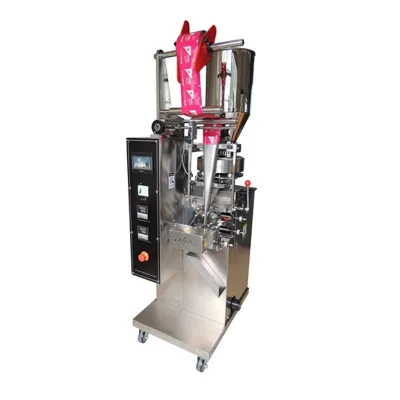


High Speed and Quality Vertical Form Fill Seal Machine for Film Rolling
$4500.00 - $12000.00
MOQ: 1 Pieces


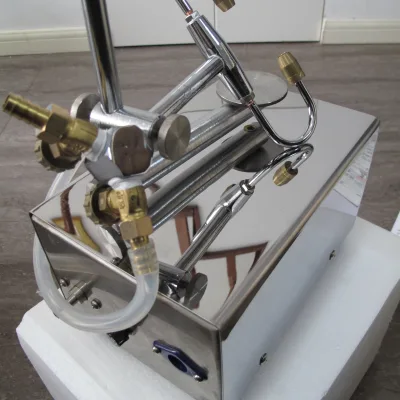

Automatic Flat Bottom Plastic Ampoule Form Fill Seal Machine for Oral Liquid
$24000.00 - $25000.00
MOQ: 1 Sets
Comprehensive Sourcing Guide
Portable Form Fill Seal Machine Sourcing Guide
Sourcing a Portable Form Fill Seal Machine requires a careful balance between operational flexibility and industrial-grade reliability. These machines are designed to handle the complete packaging process—forming the bag from a roll of film, filling it with product, and sealing it—often in a compact footprint suitable for smaller production lines or mobile operations. Buyers must distinguish between true portable units and standard benchtop models, as the latter may lack the robustness required for continuous high-volume production. The decision hinges on understanding the specific throughput needs, the nature of the product being packaged, and the available infrastructure at the point of use.
The procurement process involves evaluating a wide array of technical configurations, from servo-driven precision systems to mechanical alternatives. While the term "portable" suggests ease of movement, many of these units are heavy, industrial machines that require stable flooring and specific utility connections. Buyers should focus on verifying the machine’s ability to handle their specific packaging material, whether it is a simple flat pouch or a more complex doypack with a zipper. Understanding these nuances ensures that the selected equipment aligns with both current operational demands and future scalability plans.
Product Scope and Observed Listing Signals
The market for form fill seal machines encompasses a diverse range of capabilities, primarily centered around the creation of stand-up pouches, flat pouches, and sachets. Observed listings frequently highlight the ability to produce doypack and zip-lock bags, which are popular for premium packaging in food and consumer goods sectors. The machines typically support a variety of filling methods, including weight-based and volume cup fillers, allowing for flexibility in handling different product densities. This versatility is crucial for buyers who may need to switch between packaging dry goods like tea and rice, or semi-liquids like sauces and oils, without changing the entire packaging line.
Listing signals also indicate a strong emphasis on automation and precision control. Many units are described as automatic grade, driven by servo motors or ABB motors, which provide accurate film feeding and sealing consistency. The presence of independent film frames and align devices suggests that these machines are engineered to minimize material waste and ensure precise bag dimensions. Buyers should note that while some listings mention "portable" features, the actual specifications often point to horizontal type machines that require significant floor space and specific voltage configurations, such as 220V or 380V, rather than simple plug-and-play portability.
Technical Specifications to Verify
When evaluating technical specifications, the driven type and power source are critical determinants of performance and compatibility. Servo motor-driven machines generally offer higher precision and faster speeds, often ranging from 40 to 60 bags per minute for single-lane operations, with duplex models reaching up to 120 bags per minute. In contrast, mechanical-driven units may offer a more robust but less flexible solution. Buyers must verify the voltage requirements, which can vary between 220V and 380V, and confirm if the machine supports custom voltage configurations to match local electrical standards. Additionally, the air pressure requirement, typically around 0.7-0.8MPa, must be supported by the facility’s compressed air infrastructure.
The sealing mechanism and film handling capabilities are equally important for ensuring package integrity and material efficiency. Look for machines that offer both hot and cold sealing options, as this allows for the use of a wider range of packaging films, including those sensitive to heat. The presence of a film align device is essential for preventing misalignment during high-speed operation, which can lead to seal failures. Furthermore, verify the sealing part customization options, as different products may require specific seal patterns or strengths. The machine’s ability to handle various bag shapes, such as three or four-side seal sachets, should also be confirmed against your specific packaging requirements.
Compliance and Safety Documentation
Compliance with international safety and quality standards is non-negotiable for industrial packaging equipment. Buyers should insist on machines that carry CE and ISO certifications, which indicate adherence to European safety directives and international quality management systems. Some listings may also mention SGS certification, providing an additional layer of verification for material safety and manufacturing quality. These certifications are not just badges of honor but are often required for exporting machinery to certain markets and for ensuring that the equipment meets basic safety protocols for electrical and mechanical components.
Food-grade compliance is another critical aspect, particularly if the machine will be used for packaging consumable products. The contact parts of the machine should be constructed from SS304 stainless steel, which is resistant to corrosion and easy to clean, meeting food safety standards. Buyers must verify that all materials coming into contact with the product are indeed food-grade and that the machine’s design allows for effective cleaning and sanitation. This is especially important for applications involving dairy, meat, or liquid products, where hygiene is paramount to prevent contamination and ensure product shelf-life.
Cost Drivers and Commercial Terms
The cost of a form fill seal machine is influenced by several factors, including the level of automation, the speed of operation, and the complexity of the sealing and filling mechanisms. Machines with servo motors and advanced features like zipper adding and coding devices will typically command a higher price than basic mechanical models. The observed price range in the market can vary significantly, from entry-level units to high-end industrial systems, reflecting differences in build quality, brand reputation, and technological sophistication. Buyers should budget for the total cost of ownership, including installation, training, and potential maintenance costs.
Commercial terms such as MOQ (Minimum Order Quantity) and shipping packaging are also key considerations. Most suppliers offer an MOQ of one set, allowing for single-unit purchases for pilot testing or small-scale operations. However, buyers should be aware of the shipping requirements, as these machines are often packed in plywood or wooden cases to protect them during transit. This packaging adds to the overall weight and volume, potentially increasing shipping costs. Additionally, verify if optional accessories like conveyors or coding devices are included in the base price or quoted separately, as these can significantly impact the final invoice.
Supplier Qualification and Quality Control
Selecting a reliable supplier is as important as selecting the right machine. Buyers should prioritize suppliers who provide comprehensive documentation, including detailed technical specifications, user manuals, and maintenance guides. Suppliers based in major manufacturing hubs like Shanghai, China, often have established supply chains and experience in exporting machinery, but this does not guarantee quality. It is essential to verify the supplier’s track record, customer reviews, and after-sales support capabilities. A supplier that offers responsive technical support and readily available spare parts can save significant downtime and operational costs in the long run.
Quality control measures should be implemented both during the manufacturing process and upon delivery. Buyers should request factory acceptance test (FAT) reports or videos to verify the machine’s performance before shipment. This includes testing the sealing strength, filling accuracy, and overall operational stability. Upon receipt, conduct a thorough inspection of the machine for any transit damage and verify that all components are present and functioning correctly. Establishing a clear communication channel with the supplier for technical assistance and troubleshooting is crucial for ensuring smooth operation and quick resolution of any issues that may arise.
Long-Term Procurement Checks
Long-term procurement success depends on the machine’s durability, ease of maintenance, and the availability of spare parts. Buyers should inquire about the expected lifespan of key components, such as the sealing bars, film rollers, and servo motors, and whether these parts are easily replaceable. A well-designed machine should allow for quick changeovers between different bag sizes and types, minimizing downtime during production shifts. Additionally, consider the energy efficiency of the machine, as lower power consumption can lead to significant cost savings over time, especially for high-volume operations.
Finally, stay informed about advancements in packaging technology and regulatory changes that may affect your operations. The packaging industry is constantly evolving, with new materials and sealing techniques emerging regularly. A supplier that invests in research and development is more likely to offer upgrades and improvements that can enhance your packaging capabilities. Regularly review your packaging needs and compare them with the machine’s current performance to identify any gaps or opportunities for optimization. This proactive approach ensures that your investment continues to deliver value and supports your business growth in the long term.
FAQs
What materials can this machine process?
The machine handles tea, rice, flour, seasoning, drinks, dairy, cosmetics, oil, and cleaning detergents. It supports film packaging for powders, liquids, and granules using automatic forming and sealing functions.
Which certifications does the equipment hold?
The product carries CE, ISO, and SGS certifications. These standards ensure safety and quality compliance for international buyers seeking reliable industrial packaging solutions for various food and cosmetic applications.
Can the machine be customized for specific needs?
Yes, customization is available for bag shapes like Doypack and Zip Lock bags. Buyers can also select optional coding devices or conveyors to fit their specific production line requirements.
What is the minimum order quantity for purchase?
The minimum order quantity is one set. This low entry threshold allows small businesses to acquire automatic form fill seal machines without committing to large bulk purchases immediately.
How fast does the machine operate?
Speed ranges from 40 to 60 bags per minute for standard models and 80 to 120 bags per minute for duplex units. This capacity supports efficient production for snacks, rice, and liquid products.
What is the standard material grade used?
The machine is constructed from SS304 food grade stainless steel. This material ensures durability and hygiene, making it suitable for processing food items like meat, fish, and dairy products.