Source Portable Fractional RF Microneedle System with 35 Tips for Salon, Clinic, Home
Compare 30 portable fractional RF microneedle systems with 35 tips from verified suppliers. These devices support RF therapy and microcurrent for wrinkle removal, skin rejuvenation, and face lift treatments in salons, clinics, and home settings.
Key considerations
Products List


Portable Fractional RF Microneedle Machine Scarlet RF Microneedling Machine
$495.00 - $635.00
MOQ: 1 Pieces
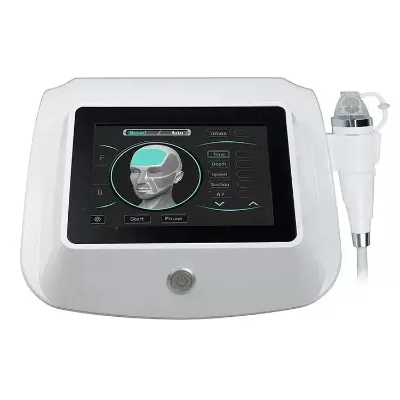


Microneedle RF Fractional Skin Tightening Micro Needle Skin Nurse System RF Microneedle Portable
$1150.00 - $1500.00
MOQ: 1 Pieces


RF Machine Tripolar Portable Fractional RF Microneedling Microneedle
$1150.00 - $1500.00
MOQ: 1 Pieces


Portable RF Fractional Laser/Fractional RF Scarlet/Fractional RF Microneedle
$1150.00 - $1500.00
MOQ: 1 Pieces


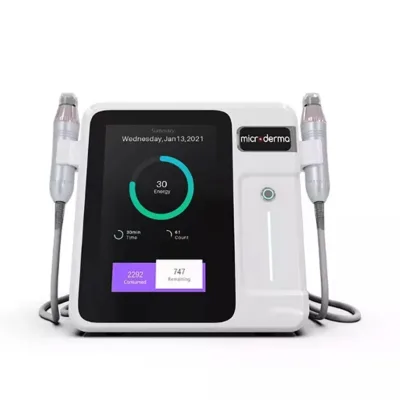
Portable Fractional Micro Needle RF Microneedling Machine for Wrinkle Removal
$515.00 - $578.00
MOQ: 1 Pieces



Comprehensive Sourcing Guide
Sourcing Guide for Portable Fractional RF Microneedle Systems
The global demand for advanced aesthetic devices has driven a significant shift toward portable fractional radio frequency (RF) microneedle systems. These devices combine the precision of microneedling with the thermal benefits of RF energy to target skin rejuvenation, wrinkle reduction, and scar remodeling. For procurement professionals in the beauty and medical sectors, sourcing a unit that balances portability, efficacy, and regulatory compliance requires a disciplined approach. This guide outlines the critical factors for evaluating portable fractional RF microneedle systems, specifically focusing on configurations that may include high-density tip arrays, such as the 35-tip configuration mentioned in your search criteria.
Technical Architecture and RF Parameters
Understanding the core technology is the first step in defining your procurement requirements. The fundamental mechanism of these systems relies on Radio Frequency (RF) energy delivered through insulated or non-insulated microneedles. This dual-action approach allows energy to be deposited directly into the dermis while the skin surface remains protected, minimizing epidermal damage. When evaluating a portable fractional RF microneedle system, buyers must scrutinize the frequency range and output power.
In the current market, standard operating frequencies for these devices typically fall between 2 MHz and 4 MHz. This range is critical for effective collagen stimulation without causing excessive thermal injury. The output power is another vital specification; systems generally offer adjustable power levels ranging from 10 Watts to 150 Watts, depending on the treatment area and depth required. A portable unit designed for clinical or salon use must provide stable power delivery across this range. Furthermore, the system should support multiple working modes, such as single or auto modes, and operate in both mono-polar and bi-polar configurations to ensure versatility in treating different skin types and conditions.
The needle depth is a defining characteristic of fractional systems. Adjustable depths are essential to tailor treatments to specific concerns, from superficial fine lines to deep acne scars. Typical adjustable ranges observed in high-quality portable units span from 0.2 mm to 3.5 mm, with some advanced models extending up to 4.0 mm. The configuration of the needle tips is equally important. While some systems utilize a single large handle, others feature dual-handle setups, such as a fractional RF handle paired with a micro-needle RF handle. The tip density, whether 10, 25, or 64 pins, dictates the treatment coverage and the intensity of the fractional effect. A system with a 35-tip configuration, while less common than standard 64-pin arrays, requires verification of its specific energy distribution pattern to ensure uniform treatment.
Operational Specifications and Portability Features
The "portable" designation in this category implies a device that is compact, lightweight, and capable of operating in various environments, from fixed clinics to mobile salon setups. Procurement teams should verify the physical dimensions and weight of the unit. Standard packaging dimensions for these systems often approximate 35 cm by 42 cm by 54 cm, with a gross weight around 15 kg. This weight profile suggests a unit that can be transported but may still require a dedicated cart or case for safe handling during travel.
Power compatibility is a crucial operational constraint for international buyers. Portable RF systems are frequently designed to operate on a wide voltage range, typically 110V to 240V, with a frequency tolerance of 50-60Hz. This dual-voltage capability ensures the device can be used globally without the need for bulky transformers. However, buyers must confirm the specific plug type included, as these often vary by region and may be listed as "Other" or require specific adapters.
The system's interface and user experience also contribute to its portability. A portable machine should feature a user-friendly display and intuitive controls to facilitate quick setup in busy salon environments. The inclusion of multiple handpieces, such as a vacuum RF handle or a micro-needle handle, enhances the device's utility. Some models come with 2 handles, allowing for simultaneous or alternating treatments. Additionally, the cooling mechanism, often integrated into the probe or handle, is vital for patient comfort during the procedure. Buyers should inquire about the specific cooling technology employed to ensure it aligns with the device's power output and treatment duration.
Compliance, Certification, and Safety Standards
While the technical specifications define the device's performance, compliance and safety standards define its marketability and legal usability. In the aesthetic industry, regulatory compliance is non-negotiable. Buyers must verify that the manufacturer adheres to relevant international safety standards, such as IEC 60601-1 for medical electrical equipment. Although specific certification status cannot be assumed for all listed products, the presence of a CE mark, FDA clearance, or ISO 13485 certification is a strong indicator of quality and safety.
When sourcing a portable fractional RF microneedle system, it is essential to request documentation proving the device's electrical safety and electromagnetic compatibility (EMC). The device should be tested to ensure it does not emit harmful interference and is safe for use in close proximity to other medical equipment. Furthermore, the disposable tips, which come in various configurations like 10P, 25P, and 64P nano heads, must be sterile and single-use to prevent cross-contamination. The packaging details, often listed as individual PVC cap packaging or air packaging, should guarantee the sterility of these consumables until the moment of use.
Buyers should also check for a warranty period, which typically ranges from 2 years for reputable manufacturers. This warranty should cover both the main unit and the handpieces, reflecting the manufacturer's confidence in the product's durability. Additionally, the device should come with comprehensive user manuals and safety guidelines that detail the proper depth settings, power levels, and contraindications for specific skin types.
Cost Drivers and Pricing Dynamics
The pricing of portable fractional RF microneedle systems is influenced by several factors, including the complexity of the technology, the quality of the components, and the level of customization offered. The observed price range for these devices in the market spans from approximately $230 to $2,552. This wide variance indicates that the market includes both entry-level portable units and high-end professional systems with advanced features.
Several key drivers contribute to these cost differences. First, the output power and frequency stability are significant cost factors. Systems capable of delivering higher wattage with precise control mechanisms often command a premium price. Second, the number and quality of the handpieces included in the package affect the cost. A system with dual handles, including both fractional RF and micro-needle options, will be more expensive than a single-handle unit. Third, the customization options, such as OEM/ODM services, can add to the initial cost but may offer long-term value through branding and tailored features.
The Minimum Order Quantity (MOQ) is another critical consideration. In many cases, the MOQ for these devices is as low as 1 unit, allowing for flexible procurement strategies. However, buyers should be aware that lower MOQs might come with higher per-unit costs compared to bulk orders. Additionally, the packaging details, such as the use of high-quality cartons or specialized air packaging, can influence the shipping costs and overall value proposition.
Typical Applications and Treatment Scope
Portable fractional RF microneedle systems are designed for a wide range of applications, making them versatile tools for clinics, salons, and even home use. The primary treatment areas include the face, neck, and body. The device's ability to target specific zones allows for customized treatment plans addressing various skin concerns.
Common applications include wrinkle removal, skin rejuvenation, and face lifting. The RF energy stimulates collagen production, leading to tighter, more youthful skin. Additionally, these systems are effective for treating fine lines, acne scars, and other textural irregularities. The adjustable needle depth allows practitioners to tailor the treatment to the severity of the condition, ensuring optimal results. For example, superficial settings can address fine lines, while deeper settings are used for acne scarring.
The versatility of these systems extends to different skin types and conditions. The combination of RF and microcurrent technology, found in some models, enhances the treatment's efficacy by promoting cellular regeneration and improving circulation. This dual-technology approach makes the device suitable for a broad spectrum of clients, from those seeking mild rejuvenation to those requiring more intensive scar remodeling.
Supplier Evaluation and Quality Assurance
Selecting the right supplier is paramount to ensuring the long-term success of your procurement. Buyers should prioritize suppliers that offer OEM/ODM services, as this indicates a commitment to customization and quality control. The presence of 24-hour online service support is also a strong indicator of a reliable supplier, ensuring that technical issues can be resolved promptly.
When evaluating suppliers, buyers should request detailed product specifications, including the model number, such as RF01 or MRK-TX640, and verify the origin of the product. Many high-quality units are manufactured in regions like Guangdong, China, known for its advanced manufacturing capabilities. However, the location of the factory should not be the sole determinant of quality; instead, buyers should focus on the supplier's track record, customer reviews, and the quality of their after-sales support.
Quality control measures should be a central part of the evaluation process. Buyers should ask for test results, quality assurance protocols, and evidence of compliance with international standards. The supplier should be transparent about their manufacturing processes and willing to provide samples for testing before a bulk order is placed. Additionally, the supplier's ability to provide training materials and technical support is crucial for the successful implementation of the device in your facility.
Long-Term Procurement and Maintenance Considerations
Sourcing a portable fractional RF microneedle system is not just a one-time purchase; it involves long-term considerations regarding maintenance, consumables, and scalability. The device's lifespan and the availability of replacement parts are critical factors. Buyers should ensure that the supplier offers a steady supply of disposable tips and other consumables, such as the 10P, 25P, and 64P nano heads.
Maintenance requirements should also be clearly defined. Regular calibration and cleaning are necessary to maintain the device's performance and safety. Buyers should inquire about the recommended maintenance schedule and the availability of service technicians. The warranty period, typically 2 years, should cover any defects or malfunctions, providing peace of mind for the investment.
Finally, scalability is an important consideration for growing businesses. As the demand for aesthetic treatments increases, the ability to upgrade the system or add additional handpieces can be a significant advantage. Buyers should look for suppliers that offer modular systems or the option to expand the device's capabilities over time. This approach ensures that the initial investment remains relevant and valuable as the business evolves.
FAQs
What is the adjustable needle depth range for this system?
The adjustable needle depth ranges from 0.2 mm to 3.5 mm, with some models extending up to 4.0 mm. This feature allows practitioners to tailor treatments for specific skin concerns like fine lines or deep acne scars effectively.
Which RF frequency range is standard for these portable units?
Standard operating frequencies typically fall between 2 MHz and 4 MHz. This range is critical for effective collagen stimulation without causing excessive thermal injury to the skin during treatment sessions.
Can the device operate on different international voltage standards?
Yes, the device supports a wide voltage range of 110V to 240V at 50-60Hz. This dual-voltage capability ensures the unit can be used globally without requiring bulky transformers for power conversion.
How many handpieces are typically included with the machine?
The system often includes two handles, such as a fractional RF handle and a micro-needle RF handle. This dual-handle setup enhances utility by allowing for simultaneous or alternating treatments on different areas.
What customization services are available from the manufacturer?
OEM and ODM services are available along with 24-hour online support. These options allow buyers to customize branding and features while ensuring prompt technical assistance for any operational issues.
What is the typical warranty period for this equipment?
Reputable manufacturers typically offer a warranty period of 2 years. This coverage usually includes both the main unit and the handpieces, reflecting confidence in the product's durability and performance.