Source Whitening Milk Body Lotion for moisturizing lightening nourishing
Explore 30 Whitening Milk Body Lotion options featuring moisturizing, lightening, and nourishing benefits. Compare specifications, certifications, and customization capabilities from suppliers in China to find the ideal product for your business needs.
Key considerations
Products List


Private Label Organic Brightening Milk Body Lotion Avocado Body Milk Lotion
$1.99 - $3.99
MOQ: 1000 Pieces


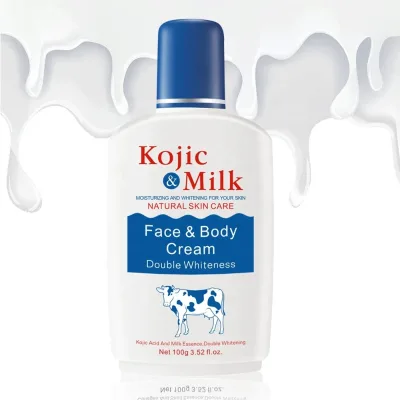
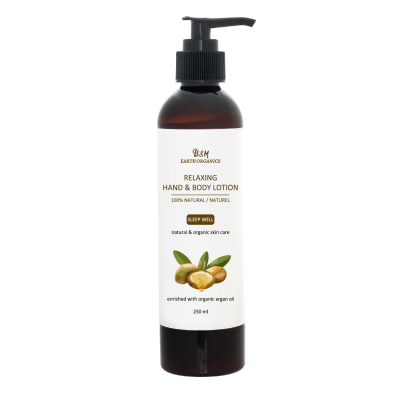
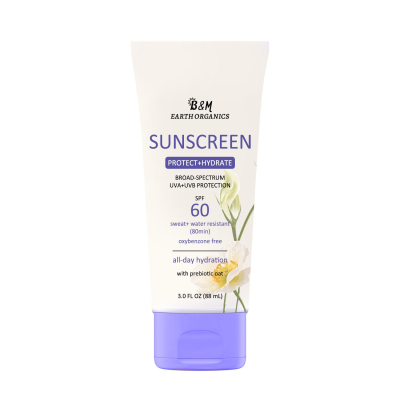
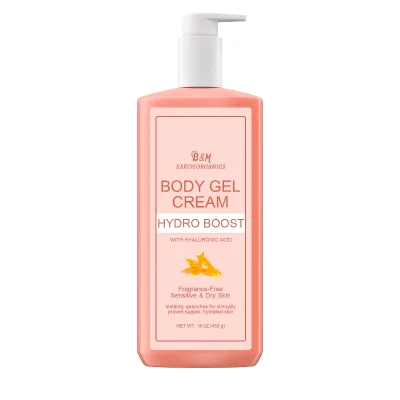
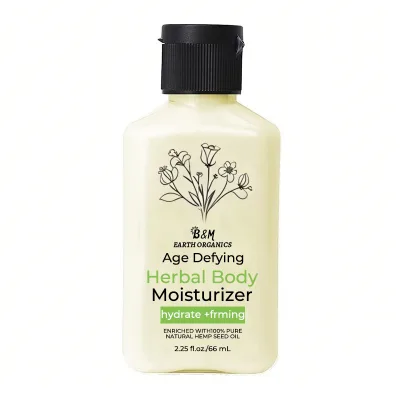
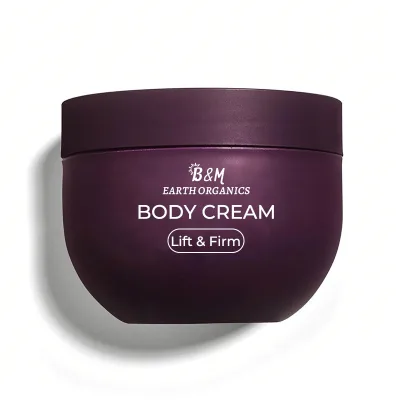
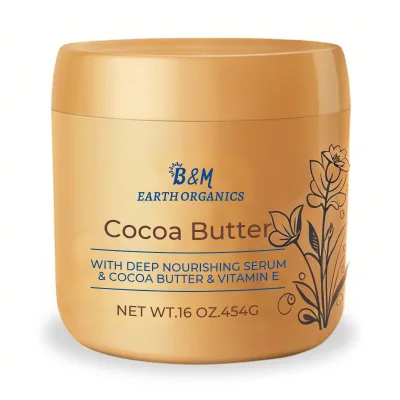


Comprehensive Sourcing Guide
Strategic Sourcing Guide for Whitening Milk Body Lotion Procurement
Understanding Product Specifications and Formulation Variability
The procurement of Whitening Milk Body Lotion requires a nuanced understanding of how product specifications can vary significantly even within a single keyword search. The core product category, often identified by terms such as "whitening body lotion" or "milk body lotion," encompasses a diverse range of formulations designed to address specific skin concerns while delivering hydration. Based on observed market data, the primary functional attributes consistently include lightening, moisturizing, nourishing, and skin revitalization. These features are not merely marketing terms but are directly tied to the formulation's ingredient profile.
When evaluating technical specifications, buyers must recognize that the "milk" designation often refers to the lotion's texture and absorption rate rather than a specific dairy-based ingredient. The formulation typically relies on a base of humectants and emollients. Commonly observed main ingredients in this category include Aloe Vera, Glycerin, Shea Butter, and occasionally Pearl extract. Glycerin serves as a primary humectant to draw moisture to the skin, while Shea Butter provides the emollient properties necessary for deep nourishment. Aloe Vera is frequently added for its soothing and anti-inflammatory properties, which can mitigate potential irritation from active whitening agents. Pearl extract, when present, is often associated with the brightening and lightening claims inherent to the product's identity.
Volume and packaging standards are critical variables that impact logistics and shelf-life management. The market displays a wide spectrum of standard volumes, ranging from 150ml to 500ml, with some suppliers offering fully customized volume options. Specific product models observed in the supply chain indicate standard sizes such as 300ml, 360ml, and 500g. It is essential for buyers to verify the exact net weight or volume per unit, as discrepancies between "300ml" and "360ml" can affect cost-per-unit calculations and regulatory compliance in destination markets. Furthermore, the packaging format varies from individual boxes (e.g., 1PCS/Box) to bulk cartons (e.g., 96PCS/Carton), and some suppliers offer blank bag packaging or OEM paper packaging to facilitate private labeling.
Compliance Framework and Certification Verification
Navigating the regulatory landscape for cosmetic products, particularly those making whitening claims, is a paramount responsibility for B2B buyers. The global market for whitening body lotions is subject to stringent safety and efficacy standards, which vary by region. In the context of sourcing from major manufacturing hubs like China, specifically Guangzhou, buyers must demand comprehensive documentation to ensure compliance.
The certification landscape for this product category is robust but requires careful verification. High-confidence data indicates that reputable suppliers in this sector often hold a combination of certifications, including CE, FDA, GMP, and MSDS. The presence of GMP (Good Manufacturing Practice) certification is particularly critical, as it validates that the product is manufactured in a controlled environment that adheres to quality standards, reducing the risk of contamination. FDA registration or compliance is a key indicator for products intended for the North American market, ensuring that the facility meets specific regulatory requirements for cosmetic manufacturing.
MSDS (Material Safety Data Sheet) is another non-negotiable document. It provides detailed information on the chemical composition of the product, including the main ingredients like Glycerin, Shea Butter, and Aloe Vera. This document is essential for logistics providers to determine shipping classifications and for safety officers to manage storage and handling protocols. Additionally, some suppliers reference SGS standards, which often relate to quality testing and product safety verification.
Buyers must exercise caution regarding the "CE" mark, which is a conformity mark indicating that a product meets EU safety, health, and environmental requirements. While often listed, the specific scope of the CE certification for cosmetics must be verified, as it primarily applies to product safety rather than efficacy claims. The "FDA" designation in the context of cosmetics often refers to facility registration rather than product approval, as the FDA does not approve cosmetic products before they are marketed. Therefore, buyers should not assume that a listed "FDA" certification implies a specific product approval but rather indicates that the manufacturer is registered with the relevant authorities.
Cost Drivers and Economic Parameters
The pricing structure for whitening milk body lotions is influenced by a complex interplay of factors, including formulation complexity, certification status, packaging customization, and order volume. The observed market price range for these products spans from $0.30 to $3.99 USD per unit. This wide variance suggests that the cost is not solely determined by the raw materials but heavily by the value-added services provided by the supplier.
The Minimum Order Quantity (MOQ) is a significant economic driver. The market data reveals an MOQ range from 96 pieces to 30,000 pieces. Smaller MOQs, such as 96 pieces or 96 boxes, are typically associated with trial orders, small businesses, or suppliers offering highly flexible private label services. These lower volume orders often carry a higher unit cost due to the fixed costs of setup and production line changes. Conversely, larger orders, such as 1,000 pieces or 30,000 pieces, allow for economies of scale, resulting in a lower cost per unit. Buyers must align their inventory strategy with their MOQ constraints to optimize cash flow and storage costs.
Packaging customization is another major cost variable. Suppliers offering "Private Customize Packaging" or "Customized Private Logo" services will charge a premium compared to those offering standard blank packaging. The complexity of the packaging design, the quality of the materials used (e.g., specific carton types, bottle finishes), and the inclusion of custom text in multiple languages (such as English and Spanish) all contribute to the final price. Additionally, the "Advantage" of a supplier with 17 years of experience may command a higher price point, reflecting their established quality control systems and supply chain reliability.
Typical Applications and Target Market Segmentation
Whitening milk body lotions are designed for a broad demographic, yet specific product attributes often target distinct market segments. The observed "Age Group" for these products ranges from "All Ages" to "Adults," indicating versatility in formulation. Products targeting "All Ages" typically feature milder concentrations of active ingredients and focus on general moisturization and skin health, making them suitable for family-oriented retail channels. In contrast, products specified for "Adults" may contain higher concentrations of whitening agents or exfoliating ingredients to address more specific skin concerns.
The "Skin Type" specification is another critical application factor. Most products in this category are formulated for "All Skin Type," suggesting a balanced pH and non-irritating base. However, the inclusion of features like "Exfoliator" in the product feature list indicates that some variants are designed for deeper skin treatment, targeting users with rough or uneven skin texture. These exfoliating lotions often combine whitening agents with physical or chemical exfoliants to remove dead skin cells, thereby enhancing the penetration of lightening ingredients.
The functional profile of these lotions extends beyond simple whitening. The combination of "Nourishing," "Moisturizer," and "Skin Revitalizer" features suggests a multi-functional approach. This makes the product suitable for various applications, from daily maintenance routines to post-sun care. The "Lightening" and "Whitening" features are the primary drivers for consumers seeking to improve skin tone uniformity, while the "Moisturizer" and "Nourishing" aspects ensure that the skin barrier remains intact and hydrated. This dual functionality is particularly appealing in markets where consumers prefer multi-purpose skincare products to simplify their routines.
Supplier Evaluation and Selection Criteria
Selecting the right supplier for whitening milk body lotons requires a rigorous evaluation process that goes beyond price comparison. Buyers should prioritize suppliers who demonstrate transparency in their manufacturing processes and provide verifiable documentation. The location of the supplier, such as Guangzhou, China, is a known hub for cosmetic manufacturing, offering access to a mature supply chain and specialized expertise in lotion production. However, the specific origin within this region can impact logistics and lead times.
Key evaluation criteria include the supplier's certification portfolio, production capacity, and customization capabilities. A supplier offering a wide range of certifications (CE, FDA, GMP, MSDS) is generally more reliable for international trade. The ability to provide "Customized Private Logo" and "Private Customize Packaging" is essential for brands looking to establish a unique market presence. Additionally, the "Shelf Life" of the product, observed to be up to 3 years, is a critical factor for inventory management. Buyers should verify the expiration date policies and ensure that the product will remain stable throughout the intended distribution period.
The "Advantage" of a supplier, such as 17 years of experience, can be a strong indicator of stability and expertise. Experienced suppliers are more likely to have robust quality control systems and the ability to handle complex customization requests. However, buyers should not rely solely on these claims and should request references or case studies to validate the supplier's track record. The "prod_model" identifiers, such as "whitening body lotion," "Avocado body milk lotion," or "danjia018," can help buyers track specific product lines and ensure consistency in future orders.
Quality Control and Long-Term Procurement Strategy
Maintaining product quality over the long term is essential for brand reputation and customer satisfaction. Quality control (QC) should be integrated into every stage of the procurement process, from raw material sourcing to final packaging. Buyers should insist on pre-shipment inspections that verify the physical attributes of the product, such as the consistency of the lotion, the accuracy of the volume (e.g., 300ml vs. 360ml), and the integrity of the packaging.
For long-term procurement, establishing a clear communication channel with the supplier is vital. This includes agreeing on specifications for future orders, such as the "Main Ingredient" ratios and "Feature" combinations. Buyers should also consider the "Standard" of the product, which may be defined by specific volume requirements (e.g., 250ml/500ml/Customized) or third-party testing standards like SGS. Regular audits of the supplier's manufacturing facility can help ensure that quality standards are consistently met.
The "prod_packing" details, such as "96PCS/Carton" or "1PCS/Box, 96boxes/Carton," should be standardized to minimize errors in shipping and receiving. Buyers should also plan for potential supply chain disruptions by maintaining a buffer stock and diversifying their supplier base if possible. Finally, staying informed about regulatory changes in the target market is crucial, as the requirements for whitening claims and ingredient safety can evolve. By adopting a proactive approach to quality control and supplier management, buyers can ensure a steady supply of high-quality whitening milk body lotions that meet the demands of their customers.
Comparative Analysis of Product Attributes
To facilitate decision-making, the following table summarizes the key attributes observed across different product models in the Whitening Milk Body Lotion category. This comparison highlights the variability in specifications, certifications, and packaging options available to buyers.
| Attribute | Model A (General Whitening) | Model B (Avocado Milk) | Model C (Custom/Private Label) | Model D (Exfoliating) |
|---|---|---|---|---|
| Main Ingredients | Aloe Vera, Glycerin, Shea Butter | Glycerin, Shea Butter | Aloe Vera, Glycerin, Pearl, Shea Butter | Shea Butter, Glycerin |
| Key Features | Lightening, Moisturizer, Nourishing | Moisturizer, Nourishing, Whitening | Exfoliator, Lightening, Moisturizer | Exfoliator, Lightening, Moisturizer |
| Volume/Standard | 300ml, 500g | 360ml | 150ml, 250ml, 500ml, Custom | 300ml, 150ml |
| Certifications | CE, FDA, GMP, MSDS | MSDS | CE, GMP, MSDS | FDA, MSDS |
| MOQ | 96 PCS | 96 boxes | 1000 PCS | 96 PCS |
| Packaging | 96PCS/Carton | 1PCS/Box, 96boxes/Carton | Private Customize Packaging | Blank Bags/OEM Paper |
| Target Age | All Ages | All Ages | Adults | All Ages |
This table illustrates that while the core function of whitening and moisturizing remains consistent, the specific formulation and service offerings vary. Buyers should use this data to align their procurement strategy with their specific market needs, whether they require high-volume standard products or low-volume customized solutions. By carefully analyzing these attributes, buyers can make informed decisions that balance cost, quality, and compliance requirements.
FAQs
What certifications do Whitening Milk Body Lotion suppliers typically hold?
Suppliers typically hold CE, FDA, GMP, and MSDS certifications. These documents verify manufacturing quality and safety standards, ensuring compliance for international markets and confirming the product meets regulatory requirements for cosmetic ingredients.
Which main ingredients are commonly found in these lotions?
Common main ingredients include Aloe Vera, Glycerin, Shea Butter, and Pearl extract. These components provide moisturizing, nourishing, and lightening effects, forming the base formulation for effective skin revitalization and hydration.
Can buyers request customized packaging and private labeling?
Yes, customization is available for private logos and packaging designs. Suppliers offer options like blank bags or OEM paper packaging, allowing brands to create unique products while meeting specific volume requirements for bulk orders.
What is the typical minimum order quantity for these products?
The minimum order quantity ranges from 96 pieces to 30,000 pieces depending on the supplier. Lower MOQs suit trial orders, while larger volumes often reduce unit costs and are available for established brands requiring bulk stock.
How long is the shelf life of Whitening Milk Body Lotion?
The shelf life is typically up to 3 years from the manufacturing date. This duration ensures product stability during storage and distribution, allowing buyers to plan inventory cycles effectively without premature expiration concerns.
What volume specifications are available for these body lotions?
Available volumes include 150ml, 250ml, 300ml, 360ml, and 500ml options. Some suppliers also offer fully customized volume specifications to meet specific market needs or private label requirements for different retail channels.
Where are the primary manufacturing locations for these products?
Primary manufacturing locations are in China, specifically Guangzhou. This region is a known hub for cosmetic production, offering access to mature supply chains and specialized expertise in lotion formulation and packaging.