Source Portable RF CET Diathermy Machine for Salon, Home, and Clinic
Find 30 Portable RF CET Diathermy Machine options for salon, home, and clinic use. Compare models like M18, SL-R47, and SL-R9 featuring RF frequencies, adjustable image clarity, and CE certification for skin tightening and cellulite treatment; compare the available evidence and request quotations based on your requirements.
Key considerations
Products List


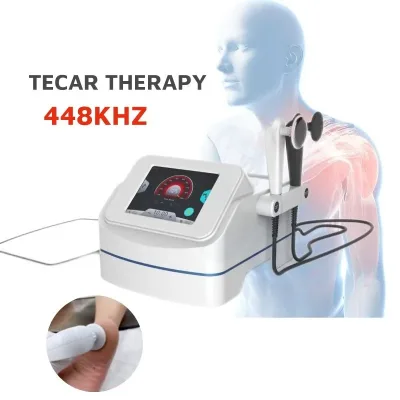

Smart Tecar 448kHz 9 Frequency Diathermy Ret Cet RF Advanced Portable Machine
$1599.00 - $2399.00
MOQ: 1 Pieces

Tecar Therapy 448kHz 9 Frequency Clinical Smart Diathermy Ret Cet RF Machine
$1599.00 - $2399.00
MOQ: 1 Pieces

Tecar Radiofrequency 448kHz 9 Frequency Smart Diathermy Ret Cet RF Advanced Machine
$1599.00 - $2399.00
MOQ: 1 Pieces


Skin Rejuvenation Tightening Face Lifting Fat Burning Diathermy RF 448K Ret Cet Tecar RF Machine
$1600.00 - $2200.00
MOQ: 1 Pieces


448kHz 20kHz Cet Ret RF Diathermy Machine for Body Slimming Rehabilitation
$1500.00 - $2200.00
MOQ: 1 Pieces

Comprehensive Sourcing Guide
Portable RF CET Diathermy Machine Sourcing Guide
Procurement of portable RF Cet diathermy machines requires careful evaluation of the specific technology stack, as observed listings indicate a mix of monopolar and combined RF systems designed for both salon and home environments. Buyers must distinguish between units offering adjustable image clarity and those focused on specific tissue treatments like cellulite reduction or skin tightening, as the internal architecture varies significantly between these functional goals.
The observed product range includes models with distinct handle configurations and tip materials, such as stainless steel or ceramic heads, which directly influence treatment efficacy and durability. Sourcing decisions should prioritize machines that explicitly list adjustable voltage ranges to ensure global compatibility, while verifying that the claimed portability aligns with the actual weight and dimensions provided in the product specifications.
Product Scope and Observed Listing Signals
Buyers should analyze the observed price variance, which spans from approximately 289 to 5300 USD, to understand the correlation between feature sets and cost. This wide range suggests that lower-priced units may offer basic RF functionality, whereas higher-priced models likely integrate advanced features like LCD displays, multiple treatment handles, and specialized tip materials for comprehensive body and face treatments.
Listing signals indicate that these devices are primarily marketed for applications involving wrinkle removal, face lifting, and weight loss, with some units specifically targeting pain reduction and improved blood circulation. Procurement teams must verify that the listed application scope matches the intended clinical or aesthetic use case, ensuring the machine supports the required treatment areas such as the neck, legs, and body without exceeding its designed operational limits.
Technical Specifications to Verify
Technical due diligence must focus on the RF frequency range, as observed data points to specific bands like 0.3-0.5MHz and 300-448KHZ that define the depth and type of tissue heating. Buyers should confirm that the selected model's frequency aligns with the intended therapeutic outcome, whether it is deep dermal collagen stimulation for skin tightening or superficial heating for cellulite treatment, as mismatched frequencies can render the device ineffective for specific protocols.
Verification of physical specifications is equally critical, with observed models varying in dimensions from 52x52x37cm to 63x43x24cm and weights around 8kg. Procurement teams must ensure the machine's single package size and weight are compatible with the intended logistics chain and storage space, while also confirming that the included handles and tip sizes, such as 20mm, 40mm, or 60mm, are sufficient for the targeted treatment areas.
Compliance and Safety Documentation
Safety compliance is a non-negotiable aspect of sourcing, with observed listings frequently citing CE certification and Class II instrument classification as baseline requirements. Buyers must request valid certification documents that explicitly cover the specific model number and voltage configuration, ensuring that the device meets the electrical safety and electromagnetic compatibility standards required for operation in the target market.
Documentation review should also extend to the warranty terms, as observed listings typically offer a one-year warranty that covers manufacturing defects but may exclude wear and tear on consumable tips. Procurement contracts must clearly define the scope of after-sale support, including the availability of online technical assistance and the process for replacing defective components, to mitigate operational risks associated with equipment failure.
Cost Drivers and Commercial Terms
The total cost of ownership is driven by the complexity of the RF technology, the quality of the tip materials, and the inclusion of advanced features like LCD displays and adjustable settings. Buyers should evaluate whether the higher price point of models with multiple handles and specialized ceramic or stainless steel tips justifies the investment based on the expected treatment volume and the specific clinical outcomes required for their business model.
Commercial terms must be scrutinized regarding the minimum order quantity, which observed data suggests can be as low as one unit, allowing for flexible procurement strategies. However, buyers should negotiate clear terms for shipping and packaging, noting that units are typically packed in carton boxes or aluminum cases, and ensure that the Incoterms selected account for the specific weight and dimensions of the equipment to avoid unexpected logistics costs.
Supplier Qualification and Quality Control
Supplier qualification should prioritize manufacturers with a proven track record in producing RF equipment, as evidenced by the presence of OEM and ODM capabilities in the market. Buyers must verify the supplier's ability to maintain consistent quality across different production batches, particularly regarding the precision of the RF generators and the durability of the treatment tips, which are critical for maintaining treatment efficacy over time.
Quality control protocols must include a pre-shipment inspection that verifies the electrical safety, functional performance of all handles, and the integrity of the packaging. Procurement teams should require a detailed inspection report that confirms the device meets the stated specifications, including voltage compatibility and the correct labeling of the product model and origin, to ensure that the delivered goods match the ordered specifications exactly.
Long-Term Procurement Checks
Long-term procurement success depends on establishing a reliable supply chain for replacement parts, particularly the treatment tips which are subject to wear and tear during regular use. Buyers should confirm the supplier's inventory policy for consumables like ceramic heads and stainless steel tips, ensuring that these components remain available for the duration of the machine's operational life to prevent service interruptions.
Regular performance audits are essential to maintain the efficacy of the RF diathermy machines, requiring buyers to establish a schedule for checking the output frequency and power stability. Procurement strategies should include a clause for periodic maintenance support and software updates, if applicable, to ensure the device continues to meet safety standards and delivers consistent therapeutic results throughout its warranty period and beyond.
FAQs
What customization options are available for portable rf cet diathermy machines?
Customization is available for these devices, allowing buyers to tailor features to specific business needs. Suppliers often support OEM and ODM services, enabling brand integration and functional adjustments. This flexibility ensures the equipment aligns with unique salon or home application requirements while maintaining core performance standards.
How does the RF frequency range affect treatment efficacy?
The RF frequency typically ranges from 0.3 to 0.5 MHz or 300-448 KHz, depending on the model. This range facilitates effective skin tightening, wrinkle removal, and cellulite treatment. Adjustable image clarity and monopolar RF technology ensure precise energy delivery for both face and body applications, enhancing overall treatment results.
Which certifications should I verify before purchasing this equipment?
You should verify CE certification to ensure compliance with European safety standards. Many models also carry Class II instrument classification, indicating specific medical device regulations. Confirming these certifications guarantees the machine meets essential quality and safety requirements for professional use in salons or clinical settings across different regions.
Can the machine be used for both face and body treatments?
Yes, the device supports comprehensive treatments for the face, neck, body, and legs. It features multiple handles and interchangeable tips, including stainless steel and ceramic heads. This versatility allows practitioners to address various concerns like weight loss, slimming, and skin tightening using a single portable unit for diverse client needs.
What are the standard packaging and shipping dimensions?
Standard packaging typically includes carton boxes or aluminum cases, with dimensions varying by model. Common sizes are around 63x43x24 cm or 52x52x37 cm, weighing approximately 8 kg. These compact dimensions facilitate easy transport and storage, making the equipment suitable for mobile professionals or small salon spaces requiring efficient logistics.
What warranty and after-sales support are provided?
A one-year warranty is standard for these machines, covering manufacturing defects and core components. After-sales support often includes online technical assistance to resolve operational issues promptly. This support structure ensures minimal downtime for businesses, allowing continuous service delivery while maintaining equipment performance and reliability throughout the warranty period.