Source Portable Solar Powered Camping Shower for Hiking, Travel, Outdoor
Compare 30 listings of Portable Solar Powered Camping Shower units designed for hiking, travel, and outdoor use. Buyers can evaluate features like water flow, battery capacity, and material durability to find the right supplier for their needs.
Key considerations
Products List
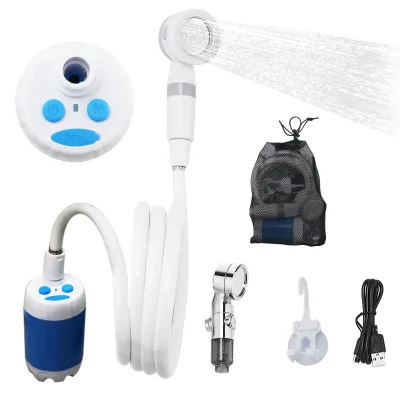
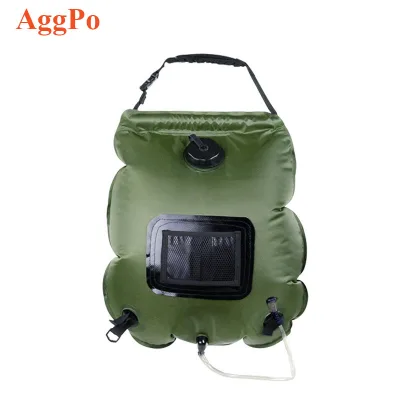
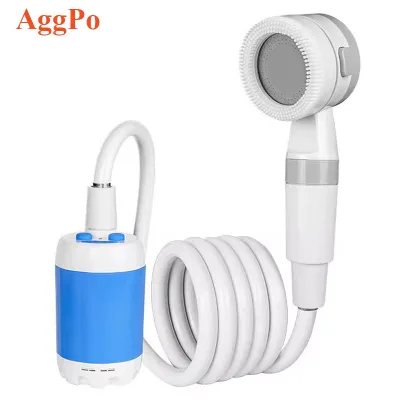
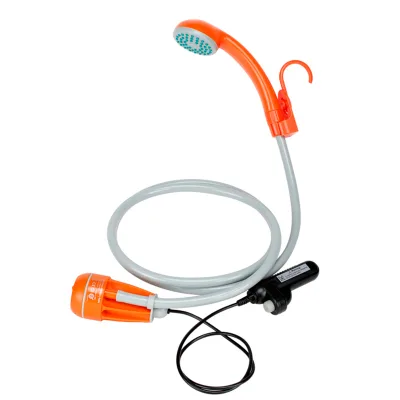
Portable Smart Outdoor Douche Shower Camping Rechargeable Mobile Bath Shower
$13.47 - $16.10
MOQ: 50 pieces
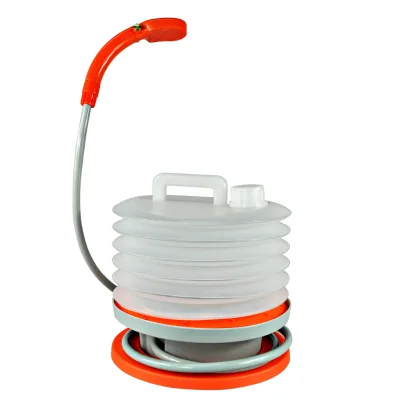
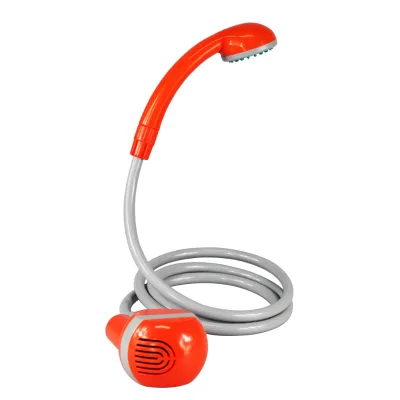
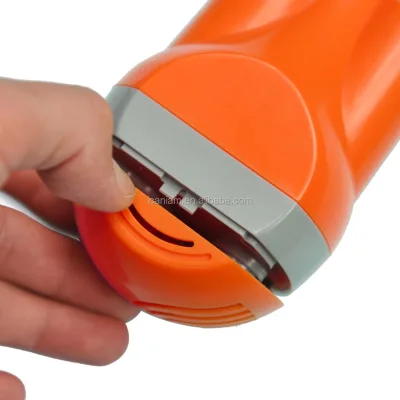
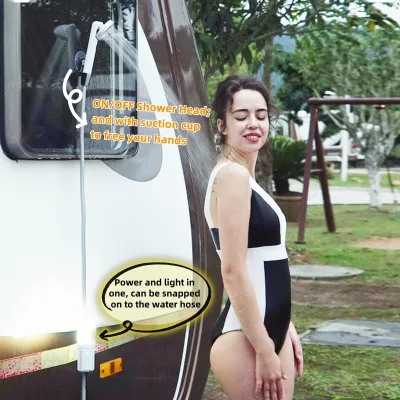
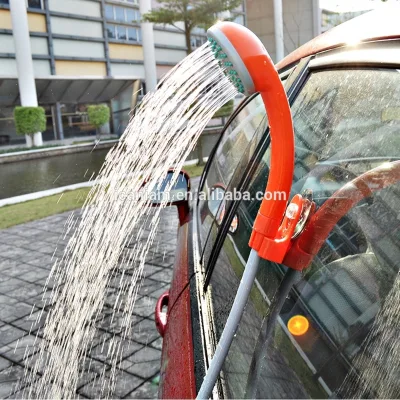
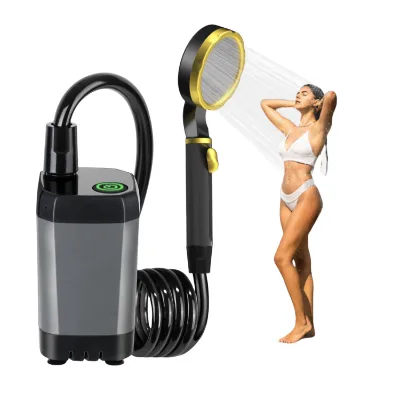
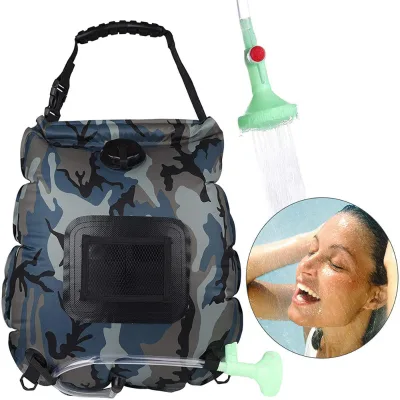
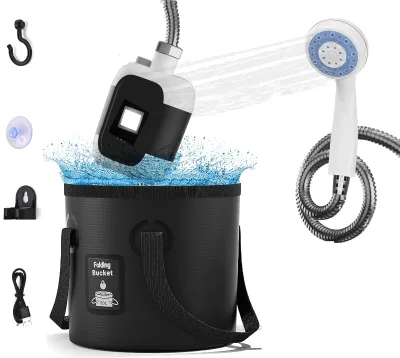
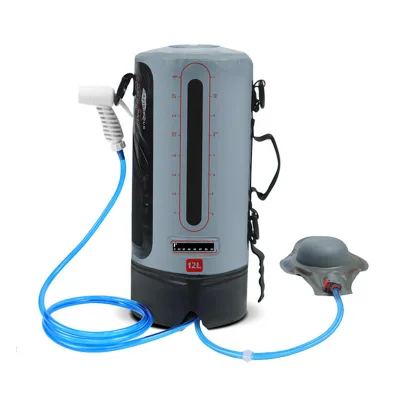
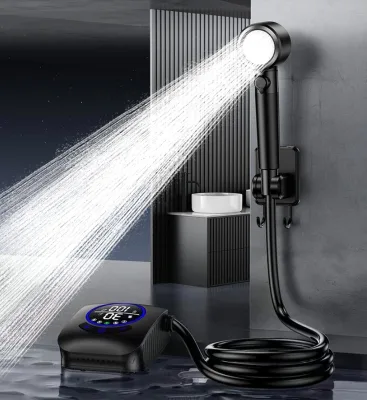
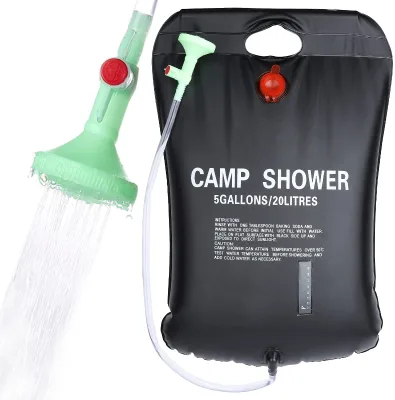


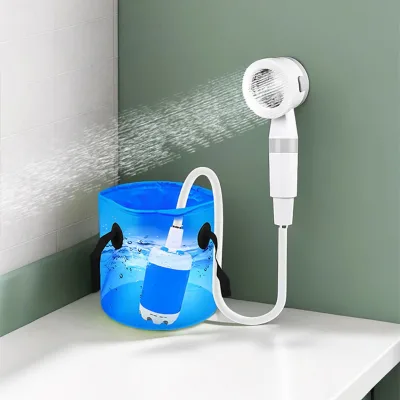

Solar Heated Camping Shower Bag with Temperature Hot Water Solar Shower Bag
$20.00 - $23.90
MOQ: 500 Pieces

Camping Shower Portable Pressure Shower Outdoor Shower Bag 12L Folding Water Bag
$19.46 - $23.34
MOQ: 500 Pieces
Comprehensive Sourcing Guide
Strategic Sourcing Guide for Portable Solar Powered Camping Showers
The global demand for outdoor hydration and hygiene solutions has surged, driven by the growing popularity of camping, hiking, and emergency preparedness. Within this expanding market, the Portable Solar Powered Camping Shower represents a critical intersection of sustainability and utility. Buyers seeking to source these products must navigate a complex landscape of technical specifications, supply chain logistics, and compliance requirements. This guide provides a structured approach to evaluating potential suppliers and products, ensuring that procurement decisions are grounded in verified data and industry best practices rather than marketing assertions.
Technical Specifications and Performance Metrics
When evaluating portable shower units, the core technical architecture determines the product's viability in remote environments. The primary distinction lies in the power source. While the core keyword emphasizes solar power, many current market offerings utilize hybrid systems or rely on high-capacity lithium batteries charged via USB, which can then be recharged by solar panels. A critical observation from current product data indicates that specific models feature a lithium battery capacity of 2200mAh, with a charging time ranging between 3.5 to 4.5 hours via 5V USB output. Buyers must verify if the solar component is an integrated panel or an external accessory, as this impacts the overall system weight and setup time.
Water flow rate is another paramount specification. Efficient units typically operate at a flow rate of approximately 3.5 liters per minute. This metric balances water conservation with user satisfaction. A unit with a significantly higher flow rate may deplete water reserves too quickly, while a lower rate may fail to provide adequate cleaning. The material composition is equally vital; high-grade ABS and ABS+PVC composites are standard, offering durability against UV exposure and physical impact. The hose length is another variable, with standard configurations often featuring a 2.0-meter hose to provide necessary reach.
Furthermore, the design style and shape influence usability. Modern, round designs are prevalent, often featuring multifunctional capabilities that allow the unit to serve as a toilet shower or a wash-clothes station. The single package size for such units typically measures around 21x7x24 cm, which is crucial for logistics planning. Buyers should also note the gross weight, which averages around 1.000 kg per unit, ensuring that the product remains portable for individual hikers or small groups.
Compliance, Certification, and Safety Standards
In the B2B sector, compliance is not merely a formality but a prerequisite for market access and liability protection. When sourcing portable showers, particularly those involving electrical components like rechargeable batteries, certification checks are non-negotiable. Current market observations highlight that reputable suppliers often provide CE and ROHS certifications. These certifications indicate that the product meets European safety, health, and environmental protection requirements.
The CE mark signifies conformity with health, safety, and environmental protection standards for products sold within the European Economic Area. The ROHS directive restricts the use of specific hazardous materials in electrical and electronic equipment. Buyers must request valid test reports or certificates of compliance from potential suppliers to verify these claims. It is essential to understand that the presence of a certification mark on a product listing does not guarantee its validity; the documentation must be traceable to the specific model number and batch.
Additionally, the manufacturing location plays a role in regulatory alignment. Products originating from major manufacturing hubs in China, such as Zhejiang and Guangdong provinces, are accustomed to international export standards. However, buyers should verify if the supplier has experience exporting to their specific target market, as regional regulations may differ. For instance, if the target market is North America, UL or ETL certifications might be required, which are distinct from the CE and ROHS standards observed in the current data.
Cost Drivers and Pricing Dynamics
The pricing structure for portable camping showers is influenced by a complex interplay of factors, including material costs, battery capacity, and certification expenses. The observed price range in the market is extensive, spanning from $1.67 to $9,750. This wide variance suggests a disparity between basic, single-item units and comprehensive, high-volume project solutions. The lower end of the spectrum likely corresponds to simple, non-rechargeable or basic USB-rechargeable units with minimal features. Conversely, the higher price points may reflect systems with integrated solar panels, advanced filtration, or bulk project solutions that include graphic design and 3D modeling services.
Minimum Order Quantity (MOQ) is a significant cost driver. Data indicates an MOQ range from 1 to 500 pieces, with a specific observation of 100 pieces for certain models. Buyers must align their order volume with the supplier's MOQ to optimize unit costs. Smaller orders often incur higher per-unit prices due to the fixed costs of setup and logistics. Additionally, the supply ability of the manufacturer, observed at 20,000 pieces per month, suggests that large-scale orders can be fulfilled without significant delays, provided the order is placed well in advance.
Other cost factors include customization. Features such as laser printing for logo graphic design or customized colors (Green, Blue, Orange) add to the production cost. The choice of packaging, such as 1pc/box with 12pcs/carton, also impacts the final landed cost. Buyers should request detailed breakdowns of costs to understand the value proposition of each price point, ensuring that they are not paying a premium for features that do not align with their specific use cases.
Typical Applications and Use Cases
The versatility of portable camping showers makes them suitable for a diverse range of applications. The primary use case is outdoor camping and hiking, where access to plumbing is non-existent. In these scenarios, the product's portability and water-saving features are critical. The observed usage data confirms suitability for camping, hiking, and traveling, with a specific mention of "Toilet, camping shower, wash clothes" as functional designations. This multifunctionality is a key selling point for buyers targeting the outdoor recreation market.
Beyond recreational use, these units have applications in emergency preparedness and disaster relief. The ability to operate independently of grid power, especially when paired with solar charging, makes them ideal for remote locations or areas with infrastructure damage. The "Outdoor" application tag in product specifications reinforces this utility. Furthermore, the "Total solution for projects" capability suggests that these products can be integrated into larger logistical operations, such as supplying temporary housing or construction sites where hygiene is a priority.
The design style, typically modern, and the eco-friendly features align with the values of contemporary consumers who prioritize sustainability. The inclusion of a water filter feature in some bathroom faucet accessories indicates a potential for water purification, which is essential in areas with contaminated water sources. Buyers should consider the specific environmental conditions of their target market when selecting models, ensuring that the product's durability and features match the expected usage intensity.
Supplier Evaluation and Verification
Selecting the right supplier is a critical step in the procurement process. Buyers should prioritize suppliers with a proven track record in the specific manufacturing regions identified, such as Zhejiang and Guangdong in China. These regions are known for their expertise in plastic molding and electronics assembly. The supplier's capacity to provide after-sales services, including online technical support, onsite installation, and onsite training, is a strong indicator of reliability.
When evaluating suppliers, buyers must verify their project solution capabilities. The ability to offer graphic design, 3D model design, and total solutions for projects suggests a higher level of sophistication and customer service. This is particularly important for B2B buyers who may require custom branding or specific product configurations. The presence of a "Brand Name: OEM/ Non" attribute indicates that many suppliers are willing to offer white-label services, allowing buyers to build their own brand identity.
It is imperative to avoid suppliers who cannot provide clear documentation regarding their manufacturing processes and quality control measures. Buyers should request samples to test the product's actual performance against the claimed specifications, such as the 40-50 minute usage time and the 2200mAh battery capacity. The port of dispatch, often Shenzhen, should be considered in terms of shipping logistics and lead times. A supplier with a strong supply chain network will ensure timely delivery and consistent quality.
Quality Control and Long-Term Procurement Considerations
Maintaining quality standards throughout the procurement lifecycle is essential for long-term success. Buyers should implement a rigorous quality control plan that includes pre-production sample approval, in-process inspections, and pre-shipment inspections. Given the electrical nature of the products, testing the battery safety and charging efficiency is crucial. The observed "Feature: USB rechargeable, Portable and water saving" highlights the need to verify the longevity of the battery and the integrity of the charging ports.
Long-term procurement considerations also involve the warranty and after-sales support. A standard warranty of 1 year is observed in the market, but buyers should negotiate terms that align with their risk tolerance. The availability of spare parts, such as hoses or nozzles, is another factor to consider. Suppliers with a "Total solution for projects" capability are more likely to offer comprehensive support and maintenance services.
Furthermore, buyers should monitor the supply chain for potential disruptions. The "Supply Ability: 20000 pieces per Month" indicates a robust production capacity, but buyers should establish contingency plans for peak seasons or unexpected demand spikes. The "Selling Units: Single item" attribute suggests that the product is designed for individual sale, but bulk buyers should ensure that the packaging and logistics can handle large volumes without damage.
Comparative Analysis of Product Attributes
To facilitate decision-making, buyers can compare key attributes of available products using the following table. This comparison highlights the variations in specifications that may influence the final selection.
| Attribute | Observation A | Observation B | Observation C |
|---|---|---|---|
| Material | ABS | ABS+PVC | ABS |
| Battery Capacity | 2200mAh | Not Specified | Not Specified |
| Charging Method | 5V USB Output | Not Specified | Not Specified |
| Water Flow | 3.5L/min | Not Specified | Not Specified |
| Hose Length | 2.0M | Not Specified | Not Specified |
| Certifications | CE, ROHS | Not Specified | Not Specified |
| Color Options | Green, Blue, Orange, Custom | Green | White |
| Usage Time | 40-50 min | Not Specified | Not Specified |
| MOQ | 100 Pcs | 1-500 Range | 100 Pcs |
| Origin | Guangdong, China | Zhejiang, China | Zhejiang, China |
This table illustrates that while core specifications like material and battery capacity are consistent, there are variations in color options and origin locations. Buyers should use this data to identify suppliers that best match their specific requirements.
Conclusion
Sourcing portable solar powered camping showers requires a meticulous approach that balances technical performance, compliance, and cost efficiency. By focusing on verified specifications such as battery capacity, water flow, and material durability, buyers can make informed decisions that meet the demands of the outdoor market. The extensive range of applications, from recreational camping to emergency relief, underscores the versatility of these products. However, success in procurement hinges on rigorous supplier evaluation, adherence to quality control standards, and a clear understanding of the total cost of ownership. As the market continues to evolve, staying informed about technological advancements and regulatory changes will be essential for maintaining a competitive edge.
FAQs
How is the Portable Solar Powered Camping Shower powered?
The unit uses a 2200mAh lithium battery charged via 5V USB output. While the core keyword implies solar power, current models rely on USB charging which can be paired with external solar panels for remote recharging.
What is the water flow rate for this camping shower?
Efficient units typically operate at a flow rate of approximately 3.5 liters per minute. This metric balances water conservation with user satisfaction to prevent rapid depletion of water reserves during outdoor use.
Which certifications do these portable shower units hold?
Reputable suppliers often provide CE and ROHS certifications for these electrical devices. These marks indicate conformity with European safety and environmental protection standards, though buyers must verify valid test reports for specific batches.
Can the product be customized with a logo or color?
Yes, customization is available for logo graphic design using laser printing and for colors like green, blue, or orange. Buyers should note that such features may impact the final unit cost and production lead time.
What is the typical usage time for the battery?
The battery provides around 40 to 50 minutes of continuous usage time on a full charge. This duration is suitable for short camping trips or emergency hygiene needs without access to grid power.
How much does a single unit weigh?
The single gross weight averages around 1.000 kg per unit. This weight ensures the product remains portable for individual hikers while maintaining durability against physical impact in outdoor environments.