Source Portable Solar-Powered LED Light Tower for Street Garden Events
Compare 30 Portable Solar-Powered LED Light Tower options from verified Chinese manufacturers. Buyers can evaluate specifications like 12-24V voltage, 50,000-hour lifespan, and hydraulic telescopic masts for street, garden, and large-scale event lighting applications; compare the available evidence and request quotations based on your requirements.
Key considerations
Products List


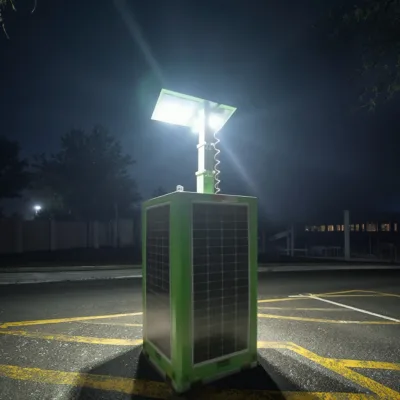
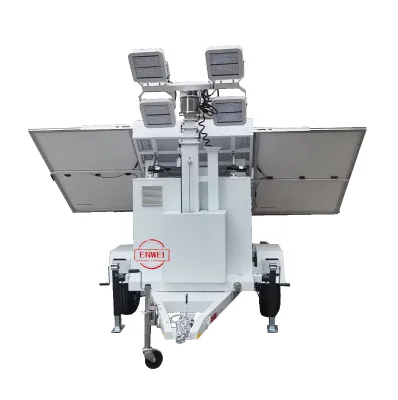
360 Degree Lighting Solar Power Led Light Towers for Outdoor Square Lighting
$5900.00 - $6350.00
MOQ: 1 units

High Luminous Efficacy Progress Prevention Portable Solar Light Tower
$5950.00 - $7650.00
MOQ: 2 Pieces


Mobile Portable Illuminated Solar Mobile Light Tower with 5-Year Warranty
$5614.00 - $8020.00
MOQ: 2 Pieces


Comprehensive Sourcing Guide
Portable Solar-Powered LED Light Tower Sourcing Guide
Procuring portable solar-powered LED light towers requires a strategic balance between energy autonomy and illumination intensity for diverse operational environments. These units typically integrate high-efficiency LED arrays with robust battery storage, enabling off-grid deployment in remote or temporary settings. Buyers must evaluate the interplay between solar panel capacity, battery chemistry, and lamp luminous output to ensure consistent performance during extended night shifts. The observed market data indicates a wide price spectrum, reflecting variations in power configuration, mast height, and material durability. Understanding these technical trade-offs is essential for aligning equipment capabilities with specific project demands, whether for large-scale events, construction sites, or emergency response scenarios.
The sourcing landscape for these mobile lighting solutions is characterized by significant customization options and varied supply chain structures. Manufacturers often offer tailored configurations, including different solar system architectures and battery types, to meet specific voltage and runtime requirements. Buyers should prioritize suppliers who provide comprehensive lighting and circuitry design services, ensuring that the electrical systems are optimized for the intended load. Additionally, the availability of telescopic masts and hydraulic systems adds versatility, allowing for adjustable illumination heights and coverage areas. Evaluating these customizable features against standard models helps procurement teams identify the most cost-effective and functionally appropriate solutions for their unique operational constraints.
Product Scope and Observed Listing Signals
The current market for portable solar LED light towers presents a diverse array of models, each tailored to specific operational needs and budget constraints. Observed listings reveal a price range from approximately $1,299 to $24,145, highlighting the significant variance in component quality and system capacity. This broad spectrum suggests that buyers can find entry-level units for small-scale tasks or high-end systems designed for continuous, heavy-duty use. The minimum order quantities (MOQ) are generally low, ranging from one to five units, which facilitates flexible procurement for projects with varying scale requirements. This accessibility allows organizations to pilot smaller fleets before committing to larger investments, reducing initial capital expenditure risks.
Key product attributes observed in the market include versatile power supply options, supporting solar, AC, and DC inputs for maximum flexibility. Many units feature advanced technical specifications, such as chrome-plated lamp bodies for corrosion resistance and high luminous efficiency ratings around 150 lm/W. The integration of Ni-MH batteries and off-grid solar systems ensures reliable operation in areas without electrical infrastructure. Furthermore, the availability of different solar panel configurations, such as 400W or 460W panels, allows for precise tuning of charging capabilities. Buyers should carefully review these specifications to ensure that the selected model meets the specific illumination and runtime demands of their intended application, avoiding over-specification or under-performance.
Technical Specifications to Verify
When evaluating technical specifications, buyers must prioritize the interplay between solar charging efficiency and battery storage capacity. The observed data indicates charging times of approximately eight hours, which must align with daylight availability at the deployment site. Battery types, such as Ni-MH, offer specific discharge characteristics that influence continuous working time, with some units supporting up to 25 hours of operation. It is crucial to verify the actual runtime under full load conditions, as advertised figures may vary based on ambient temperature and usage patterns. Additionally, the lamp body material, often aluminum, impacts heat dissipation and overall durability, directly affecting the lifespan of the LED components, which can reach up to 50,000 hours.
Illumination performance is another critical technical factor, with color temperatures typically set at 6000K for daylight alert visibility and a Color Rendering Index (CRI) of 70. Buyers should assess the irradiation distance, which ranges from 100 to 150 meters, to ensure adequate coverage for the intended area. The telescopic mast, often hydraulic, provides adjustable heights between 6 and 12 meters, enhancing light distribution flexibility. Furthermore, the inclusion of dimmer support allows for energy conservation during periods of lower demand. Verifying these parameters against site-specific requirements ensures that the selected light tower delivers sufficient brightness and coverage without unnecessary energy consumption or operational limitations.
Compliance and Safety Documentation
Compliance with international safety and environmental standards is non-negotiable for portable solar light towers, particularly when deployed in regulated industries. The observed listings frequently mention RoHS and CE certifications, indicating adherence to restrictions on hazardous substances and European safety directives. Buyers must request valid certification documents to verify that the equipment meets these regulatory requirements, ensuring legal compliance and reducing liability risks. Additionally, machinery test reports should be provided to confirm that the mechanical components, such as the hydraulic mast and trailer structure, have undergone rigorous stress testing. These documents serve as critical evidence of product reliability and safety, protecting buyers from potential operational failures or accidents.
Beyond certifications, buyers should verify the electrical safety features integrated into the solar and battery systems. Proper insulation, overcharge protection, and short-circuit prevention mechanisms are essential for preventing fires or equipment damage, especially in harsh outdoor environments. The use of aluminum lamp bodies and chrome-plating not only enhances durability but also contributes to overall safety by resisting corrosion and environmental degradation. Furthermore, the packaging, often involving pearl wool boxes or wooden crates, should be inspected to ensure that components are protected during transit. Ensuring that all safety documentation is complete and up-to-date is a vital step in the procurement process, safeguarding both the equipment and the personnel who operate it.
Cost Drivers and Commercial Terms
Several key factors influence the total cost of ownership for portable solar LED light towers, including power configuration, material quality, and customization options. Higher wattage solar panels and larger battery capacities significantly increase upfront costs but offer extended runtime and faster charging, which can reduce operational downtime. The choice of battery chemistry, such as Ni-MH, also impacts price, with newer technologies potentially offering better performance at a premium. Buyers should evaluate these cost drivers against their specific operational needs to determine the most economical solution. Additionally, the inclusion of advanced features like hydraulic masts and dimmer controls adds to the initial investment but may provide long-term value through enhanced versatility and energy efficiency.
Commercial terms, such as lead times and supply ability, also play a crucial role in procurement planning. The observed delivery time of 18 working days suggests a moderate production cycle, which buyers must account for in their project schedules. Supply ability, often cited as 500 sets per month, indicates that suppliers have the capacity to handle bulk orders, but buyers should confirm availability for urgent requirements. Minimum order quantities are generally flexible, starting from one unit, which allows for scalable procurement strategies. Understanding these commercial dynamics helps buyers negotiate favorable terms, manage inventory levels, and ensure timely delivery, thereby minimizing disruptions to their operations.
Supplier Qualification and Quality Control
Selecting a reliable supplier for portable solar LED light towers requires a thorough assessment of their manufacturing capabilities and quality control processes. Buyers should verify the supplier’s production capacity, ensuring they can meet demand without compromising on quality. The provision of machinery test reports is a strong indicator of a supplier’s commitment to rigorous testing and quality assurance. Additionally, suppliers who offer lighting and circuitry design services demonstrate technical expertise and a customer-centric approach, which can lead to better product customization and support. Buyers should also evaluate the supplier’s track record in delivering products that meet specified standards, such as RoHS and CE certifications, to ensure consistent quality across orders.
Quality control extends beyond initial manufacturing to include packaging and logistics. The use of robust packaging materials, such as wooden boxes or pearl wool, helps protect sensitive components during transit, reducing the risk of damage. Buyers should request detailed packing lists and inspection reports to verify that all components are included and undamaged upon arrival. Furthermore, suppliers who provide comprehensive after-sales support, including technical assistance and spare parts availability, add significant value to the procurement process. Establishing a strong relationship with a qualified supplier ensures long-term reliability and support, enabling buyers to maintain their equipment effectively and maximize its operational lifespan.
Long-Term Procurement Checks
Long-term procurement success depends on establishing robust maintenance and performance monitoring protocols for portable solar LED light towers. Buyers should implement regular inspection schedules to check the condition of solar panels, batteries, and LED modules, ensuring optimal performance and early detection of potential issues. Monitoring battery health is particularly critical, as capacity degradation over time can significantly impact runtime and charging efficiency. Suppliers who provide detailed maintenance guidelines and technical support can help buyers extend the lifespan of their equipment, reducing long-term replacement costs. Additionally, tracking performance metrics, such as illumination intensity and charging times, allows buyers to identify deviations from expected performance and take corrective action promptly.
Sustainability and end-of-life considerations are also important aspects of long-term procurement. Buyers should inquire about the recyclability of components, such as aluminum lamp bodies and battery materials, to align with environmental goals. Suppliers who offer take-back programs or recycling services can help buyers manage waste responsibly and reduce their environmental footprint. Furthermore, staying informed about technological advancements in solar and LED technology can help buyers plan for future upgrades or replacements. By integrating these long-term checks into their procurement strategy, buyers can ensure that their portable solar LED light towers remain a reliable, efficient, and sustainable asset for their operations.
FAQs
What is the typical lifespan of the LED light source?
The LED light source offers a lifespan of 50,000 hours for long-term reliability. This durability ensures consistent performance for street and garden applications without frequent replacements. The system utilizes a 150 Lm/W luminous efficiency to maximize energy savings while maintaining high brightness levels for large-scale events.
Can the solar trailer be customized for specific needs?
Yes, customization is available to meet specific project requirements. Buyers can request custom colors and configurations for the lamp body. The system supports lighting and circuitry design services, allowing for tailored solutions that fit unique operational needs while maintaining the standard 12 or 24V voltage specifications.
How long does the unit operate on a full charge?
The unit provides a continuous working time of up to 25 hours on a single charge. Depending on the specific model configuration, illumination time ranges from 8 to 12 hours. This capacity is supported by Ni-MH batteries and an off-grid solar system designed for extended outdoor usage.
What certifications do these solar light towers hold?
These solar light towers hold RoHS and CE certifications for safety and compliance. These standards ensure the products meet international requirements for electrical safety and environmental protection. The aluminum lamp body and chrome-plating techniques further support durability while adhering to these strict regulatory frameworks.
What is the delivery lead time for orders?
The standard delivery lead time is 18 working days after order confirmation. This timeline applies to the supply ability of 500 sets per month. Buyers should plan accordingly for shipping from China, where the products originate, to ensure timely arrival for large-scale event lighting projects.
Which power supply options are available for the system?
The system supports multiple power supply options including solar, AC, and DC inputs. This flexibility allows operation in various environments without relying solely on grid power. The solar system is designed as an off-grid solution, ensuring reliable illumination even in remote locations with limited infrastructure.