Source Precision Aluminum CNC Mill Machine for casting, coating, and cutting
Compare 30 listings for Precision Aluminum CNC Mill Machine from global suppliers. Evaluate specifications, certifications, and pricing for metal casting, coating, cutting, drawing, engraving, forging, spinning, straightening, and processing machinery parts applications today; compare the available evidence and request quotations based on your requirements.
Updated
Key considerations
Products List
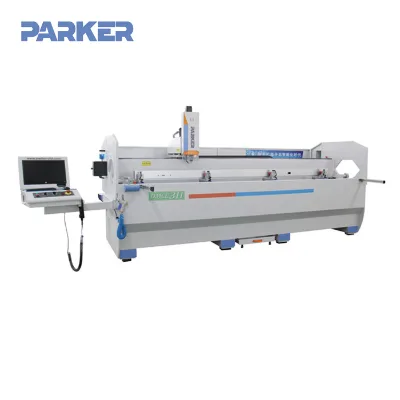


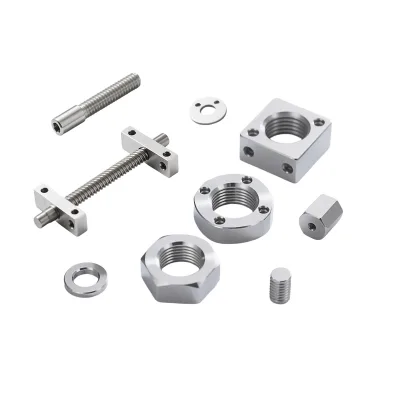
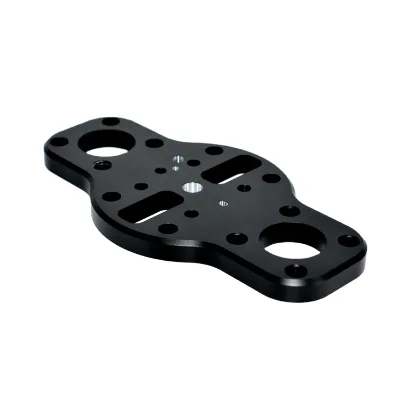
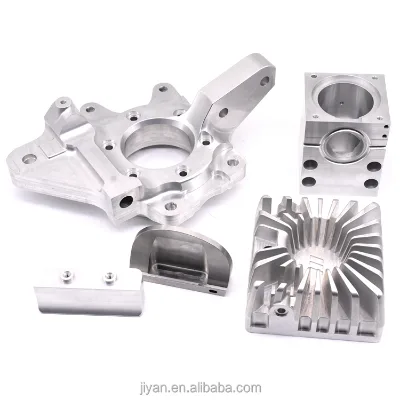
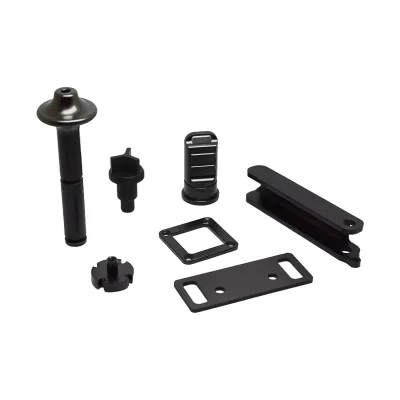
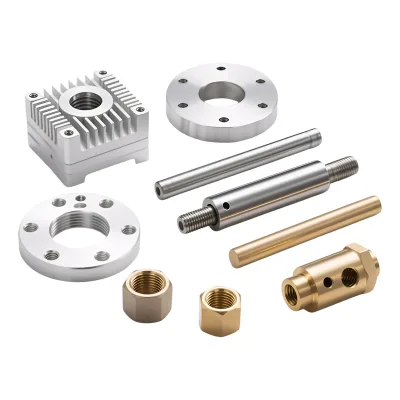
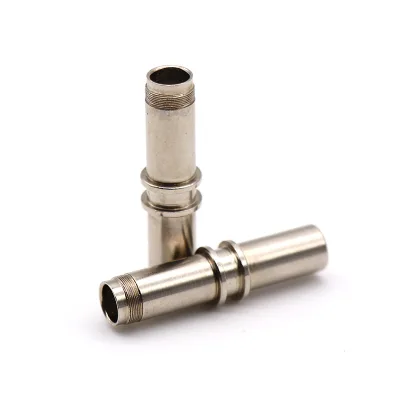


High Precision Machining Center Industrial CNC Milling Machine for Metal Aluminum
$50000.00 - $80000.00
MOQ: 1 Pieces

Precision CNC Milling Machine for Efficient Metalworking Solutions
$50000.00 - $80000.00
MOQ: 1 Pieces

High-Precision CNC Milling Machine for Metal Manufacturing Excellence
$50000.00 - $80000.00
MOQ: 1 Pieces


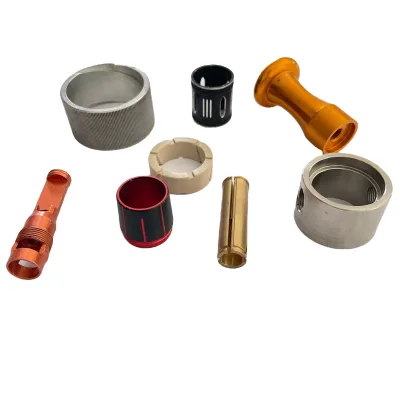




Comprehensive Sourcing Guide
Precision Aluminum CNC Mill Machine Sourcing Guide
Sourcing a Precision Aluminum CNC Mill Machine requires careful evaluation of both the equipment’s mechanical capabilities and the supplier’s manufacturing pedigree. Buyers must distinguish between general-purpose milling centers and specialized units designed for high-tolerance aluminum processing. The market offers a wide spectrum of options, ranging from compact desktop units to large-scale industrial systems capable of handling extensive workpieces. Understanding the specific operational environment and production volume is the first step in narrowing down the vast array of available machinery.
This guide focuses on the critical decision points for procurement professionals seeking reliable aluminum milling solutions. It addresses the technical specifications that define machining accuracy, the compliance documentation necessary for safe operation, and the commercial terms that influence total cost of ownership. By adhering to evidence-based verification steps, buyers can mitigate risks associated with performance discrepancies and ensure that the selected machine aligns with their long-term manufacturing goals.
Product Scope and Observed Listing Signals
The current market landscape for precision aluminum CNC mills includes a diverse range of configurations, with observed price points spanning from $0.01 to $80,000 USD. This wide variance often reflects differences in brand reputation, core component quality, and the extent of customization offered. Buyers should note that some listings feature brands like PARKER, while others highlight generic or OEM-manufactured units. The minimum order quantity (MOQ) typically ranges from 1 to 100 pieces, indicating that both single-unit purchases and bulk industrial acquisitions are common transaction models.
Observed product attributes reveal significant variation in physical specifications and operational parameters. For instance, some machines are listed with a power rating of 380V/50Hz/10kw and a weight of 5000 kg, suggesting heavy-duty industrial applications. In contrast, other listings may describe smaller, lighter units suitable for prototyping or small-batch production. The place of origin is another critical signal, with products sourced from Japan, Guangdong, Zhejiang, and Shandong, each implying different manufacturing standards and supply chain dynamics.
Technical Specifications to Verify
When evaluating technical specifications, buyers must prioritize the core components that drive machining performance. The motor is a fundamental element, and its quality directly impacts the machine’s ability to maintain consistent speeds and torque during aluminum milling operations. Additionally, the tolerance levels specified by the manufacturer are crucial for precision applications. Some suppliers claim tolerances as tight as ±0.001mm or 0.01mm, which are essential for high-precision aluminum parts. Buyers should verify these claims through independent testing or detailed technical datasheets.
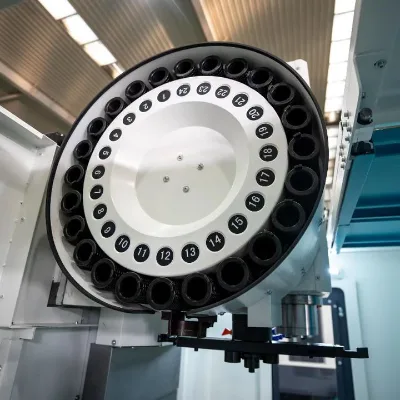
The machining method and process capabilities also require close scrutiny. CNC machining is the standard method, but the inclusion of additional processes such as deburring or surface treatment can add value. Buyers should confirm whether the machine supports micro-machining if required for intricate aluminum components. Furthermore, the specification of materials compatible with the machine, such as iron, aluminum, copper, and various alloys, ensures versatility. It is vital to ensure that the machine’s spindle speed, tool changer capacity, and axis travel align with the specific aluminum milling tasks intended.
Compliance and Safety Documentation
Compliance with international standards is non-negotiable for industrial machinery to ensure safe operation and legal market access. Buyers should verify that the CNC mill machine holds relevant certifications such as CE, RoHS, and ISOGS. These certifications indicate adherence to European safety directives, restriction of hazardous substances, and quality management systems. Additionally, standards like BS, ANSI, JIS, GB, GOST, ASTM, and DIN may be referenced, depending on the target market. Buyers must confirm which specific standards apply to their region and ensure the supplier can provide valid certification documents.
Beyond product certifications, the warranty and service terms provide a layer of protection for the buyer. A standard one-year warranty is commonly observed, but buyers should clarify the scope of coverage, including parts and labor. The condition of the machine, typically listed as "New," should be verified to ensure it is not refurbished or used equipment misrepresented as new. Buyers should also inquire about the availability of spare parts and technical support, as these factors significantly impact long-term operational reliability and downtime costs.
Cost Drivers and Commercial Terms
The total cost of a Precision Aluminum CNC Mill Machine is influenced by several key drivers, including the brand name, customization options, and packaging requirements. Premium brands like PARKER often command higher prices due to perceived reliability and after-sales support. Customization is widely available, allowing buyers to tailor the machine to specific aluminum milling needs, but this can increase the unit price and lead time. Buyers should carefully evaluate whether custom features are necessary or if standard configurations suffice for their production requirements.
Commercial terms such as MOQ, lead time, and shipping logistics also play a significant role in the overall procurement cost. While some suppliers offer an MOQ of just one piece, others may require larger orders to achieve competitive pricing. The single package size and gross weight, which can be substantial at 5000 kg for some units, directly impact shipping costs and handling requirements. Buyers should negotiate clear terms regarding payment methods, delivery schedules, and responsibility for import duties to avoid unexpected expenses during the procurement process.
Supplier Qualification and Quality Control
Supplier qualification is a critical step in ensuring the reliability of the Precision Aluminum CNC Mill Machine. Buyers should assess the supplier’s production type, such as batch production, and their ability to maintain consistent quality across units. The place of origin, whether it be Japan or various regions in China, can provide insights into the supplier’s manufacturing capabilities and quality control practices. Buyers should request detailed information about the supplier’s quality management systems, including ISO 9001 certification, to verify their commitment to quality.
Quality control measures should extend beyond the final product to include incoming material inspection and in-process checks. Buyers should inquire about the supplier’s testing procedures for core components like the motor and the final machine assembly. The provision of outgoing inspection reports is a positive indicator of a supplier’s transparency and confidence in their product. Additionally, buyers should verify the supplier’s ability to provide customized colors and packaging, which may be relevant for branding or logistical purposes, without compromising the machine’s structural integrity.
Long-Term Procurement Checks
Long-term procurement success depends on establishing a robust relationship with the supplier and ensuring ongoing support for the Precision Aluminum CNC Mill Machine. Buyers should verify the supplier’s capability for OEM/ODM services, which can be valuable for future customizations or expansions. The availability of customized services and the supplier’s responsiveness to technical inquiries are key indicators of their long-term viability as a partner. Buyers should also consider the supplier’s track record in providing consistent quality and meeting delivery schedules over time.
Regular audits and performance reviews of the supplied machinery are essential to maintain operational efficiency. Buyers should monitor the machine’s performance against the specified tolerances and power ratings to detect any degradation over time. Establishing a clear protocol for warranty claims and spare parts replacement is crucial to minimize downtime. By maintaining open communication with the supplier and staying informed about industry standards and technological advancements, buyers can ensure their precision aluminum CNC milling operations remain competitive and reliable.
FAQs
What certifications are available for Precision Aluminum CNC Mill Machine products?
Available certifications include ISO, RoHS, and CE marks. These standards ensure compliance with international quality and safety regulations. Buyers can verify these credentials to confirm that the machinery meets specific industry requirements for operational safety and environmental standards in global markets.
Can the Precision Aluminum CNC Mill Machine be customized for specific needs?
Yes, customization is available for various product specifications. Buyers can request tailored solutions to match unique production requirements. This flexibility allows for adjustments in dimensions, materials, or functional components, ensuring the machinery integrates seamlessly into existing manufacturing workflows and specific operational contexts.
What is the typical warranty period for Precision Aluminum CNC Mill Machine units?
The standard warranty period is one year. This coverage typically includes support for core components like the motor. Buyers benefit from this assurance as it provides a safety net for initial operational phases, ensuring that any manufacturing defects are addressed promptly by the supplier.
What is the minimum order quantity for Precision Aluminum CNC Mill Machine parts?
The minimum order quantity is one piece. This low MOQ allows buyers to test quality or order small batches. It is particularly useful for prototyping or replacing specific components without committing to large volumes, making it accessible for diverse business sizes and project scales.
Which materials can be processed by the Precision Aluminum CNC Mill Machine?
The machine processes iron, aluminum, copper, alloy, brass, plastic, steel, and nylon. This versatility supports various manufacturing applications. Buyers can utilize the equipment for diverse projects, ensuring that different material types are handled efficiently with the appropriate machining methods and precision tolerances required for each.
What is the power specification for the Precision Aluminum CNC Mill Machine?
The power specification is 380V/50Hz/10kw. This electrical requirement ensures stable operation for heavy-duty tasks. Buyers must ensure their facility infrastructure supports this voltage and frequency to prevent operational issues, guaranteeing that the machinery performs at its designed capacity during continuous industrial use.