ESD PEEK Screws Suppliers and Manufacturers
Source ESD PEEK Screws from 26 verified suppliers in Jiangsu and Guangdong, China. Compare response times, lead times, MOQs, and certifications like ISO9001 and ISO-10993. Review product specs and request samples to verify quality for your specific application needs; review the available evidence before requesting comparable quotations from suitable candidates.
Updated
Suppliers List
- Manufacturer
- Jiangsu, China
- Lead time10 days
- Avg. response≤ 4h
Main productsPEEK powder/granule,PEEK rod,PEEK sheet,PEEK tube,PEEK parts
Main marketsDomestic Market(80.00%), Western Europe(5.00%), North America(2.50%), South Asia(2.00%), Northern Europe(2.00%), Central America(2.00%), South America(2.00%), Eastern Asia(2.00%), Southeast Asia(2.00%), Mid East(0.50%)

Dongguan Zhengchen Hardware Co., Ltd.
- Verified by BV
- Combined
- China Guangdong
- Lead time15 days
- Avg. response≤ 5h
Main productsIndexing Plunger, Ball Plunger, Spring Plunger, Ball Lock Pin, Ball Transfer Unit, Ball Roller, Bearing Lock Nut, Precision Washer, Shoulder Bolt, Dowel Pin
Main marketsSouth America,Africa,Southeast Asia/ Mideast,East Asia(Japan/ South Korea),Europe,Australia,North America

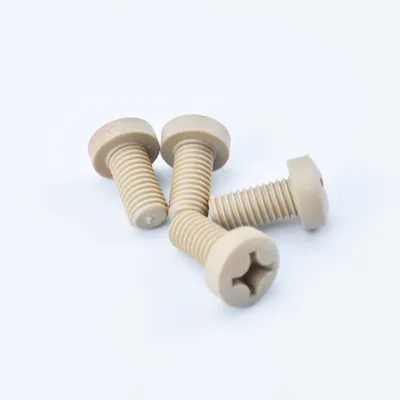
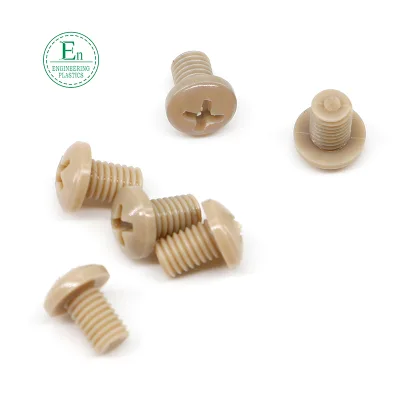
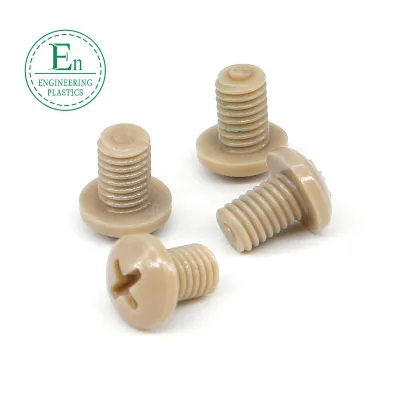
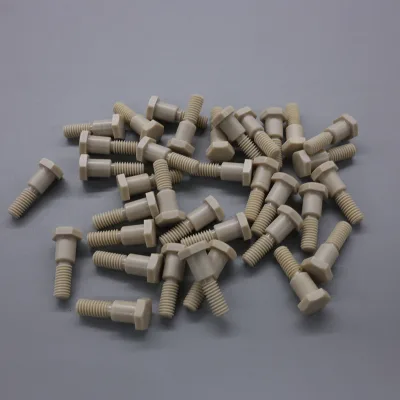
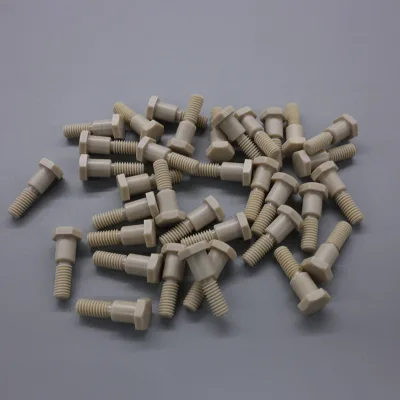
Best Supplier Corrosion Resistant Plastic Peek Pan Head Screws Peek Screw
$0.01 - $0.10
MOQ: 500 pieces


Guangdong Shuangxin Precision Components Co., Ltd.
- Verified by SGS Group
- Manufacturer, Trading Company
- Lead time15 days
- Avg. response≤ 3h
Main productsHardware Products (Stamping Part, Auto Lathe & CNC Turning Parts, CNC Milling Parts, Spring, Shaft, Fastener)
Main marketsNorth America(30%), Domestic Market(30%), Western Europe(10%)

- Verified by TUVRHEINLAND
- Manufacturer/Factory
- China Jiangsu
- Lead time23 days
- Avg. response≤ 4h
Main productsSecurity Screws, Stainless Steel Bolts, Stainless Steel Tapping Screws, Stainless Steel Screws Fastener, Stainless Steel Nuts, Captive Screws, Micro Screws Fasteners, Precision Turned, Brass Parts, Solar Panel Stud Bolt
Main marketsSouth America,Eastern Europe,Mid East,North America,Southeast Asia,Eastern Asia,Oceania,Western Europe,Africa

NINGBO STANDARD IMPORT & EXPORT CO., LTD
- Trading Company,Manufacturer/Factory,Group Corporation
- China Zhejiang
- Lead time23 days
- Avg. response≤ 12h
Main productsPex-Al-Pex Pipe, Pipe Fitting, Brass Fitting, Pex Pipe, Gas Fitting, PPR Insert, Screw Thread Fitting, Press Fitting, Compression Fitting, Valve
Main marketsSouth America,Eastern Europe,Mid East,North America,Southeast Asia,Eastern Asia,Oceania,Western Europe,Africa
Guangdong Engineering Plastics Industries (group) Co., Ltd.
- Verified by SGS Group
- Manufacturer, Trading Company
- Lead time15 days
- Avg. response≤ 4h
Main productsMould, Moulding Injection Parts, CNC Machining Parts, General Engineering Plastics, High Performance Plastics
Main marketsNorth America(30%), Eastern Europe(16%), Western Europe(16%)
ELEVATE INTERNATIONAL CO., LTD.
- Manufacturer, Trading Company
- Taiwan, China
- Lead time60 days
- Avg. response≤ 9h
Main productsDrywall Screw,Self Drilling Screw,Concrete Screw,Self Tapping Screw,Chipboard Screw
Main marketsNorthern Europe(20.00%), Eastern Europe(20.00%), South America(20.00%), Western Europe(20.00%), North America(10.00%), Mid East(5.00%), Southern Europe(2.00%), South Asia(1.00%), Central America(1.00%), Africa(1.00%)

Yuyao Xianghao Mold Technology Company Limited
- Verified by BV
- Trading Company
- China Zhejiang
- Lead time30 days
- Avg. response≤ 9h
Main productsInjection Mold, Plastic Mold, Injection Molding, Rapid Prototyping, 3D Pritting, Manhole Cover Mold, Silicone Rubber Mould, Wire Rack, Car Air Compressor, LED Light
Main marketsNorth America

Tianchang Guer Fastener Trading Co., Ltd.
- Verified by TUVRHEINLAND
- Trading Company
- China Anhui
- Lead time15 days
- Avg. response≤ 3h
Main productsScrew, Fastener, Bolt, Nut, Stainless Steel Screw, Carbon Steel Screw, Connector, Auto Parts, Electronic Screws, Motorcycle Parts
Main marketsSouth America,Southeast Asia/ Mideast,East Asia(Japan/ South Korea),Europe,North America
Juyuan Sealing Technology (Suqian) Co., Ltd.
- Manufacturer, Trading Company
- Jiangsu, China
- Lead time3 days
- Avg. response≤ 2h
Main productsProcessing of PTFE seal products,Processing of high-performance fluoroplastic products,PTFE screws,PTFE compression fittings,PTFE seals
Main marketsNorth America(20.00%), Southeast Asia(15.00%), Mid East(10.00%), Western Europe(10.00%), South America(10.00%), South Asia(6.00%), Oceania(6.00%), Southern Europe(5.00%), Eastern Europe(5.00%), Eastern Asia(5.00%), Africa(3.00%), Central America(3.00%), Northern Europe(2.00%)

CHANGZHOU XIETONG INDUSTRIES CO., LTD.
- Trading Company
- China Jiangsu
- Lead time15 days
- Avg. response≤ 9h
Main productsMedical Bone Drill Bit, Orthopedic Instrument Set, Orthopedic Implants, Spare Medical Instrument, Orthopedic Plates, Orthopedic Screws, Locking Nails, Dental Tools, Ppek Carbon Medical Products, Surgical Reamers
Main marketsSoutheast Asia/ Mideast,Europe,North America
Dongguan Dalang Jiubiao Trading Firm (individual Business)
- Trading Company
- Guangdong, China
- Lead time0 days
- Avg. response≤ 3h
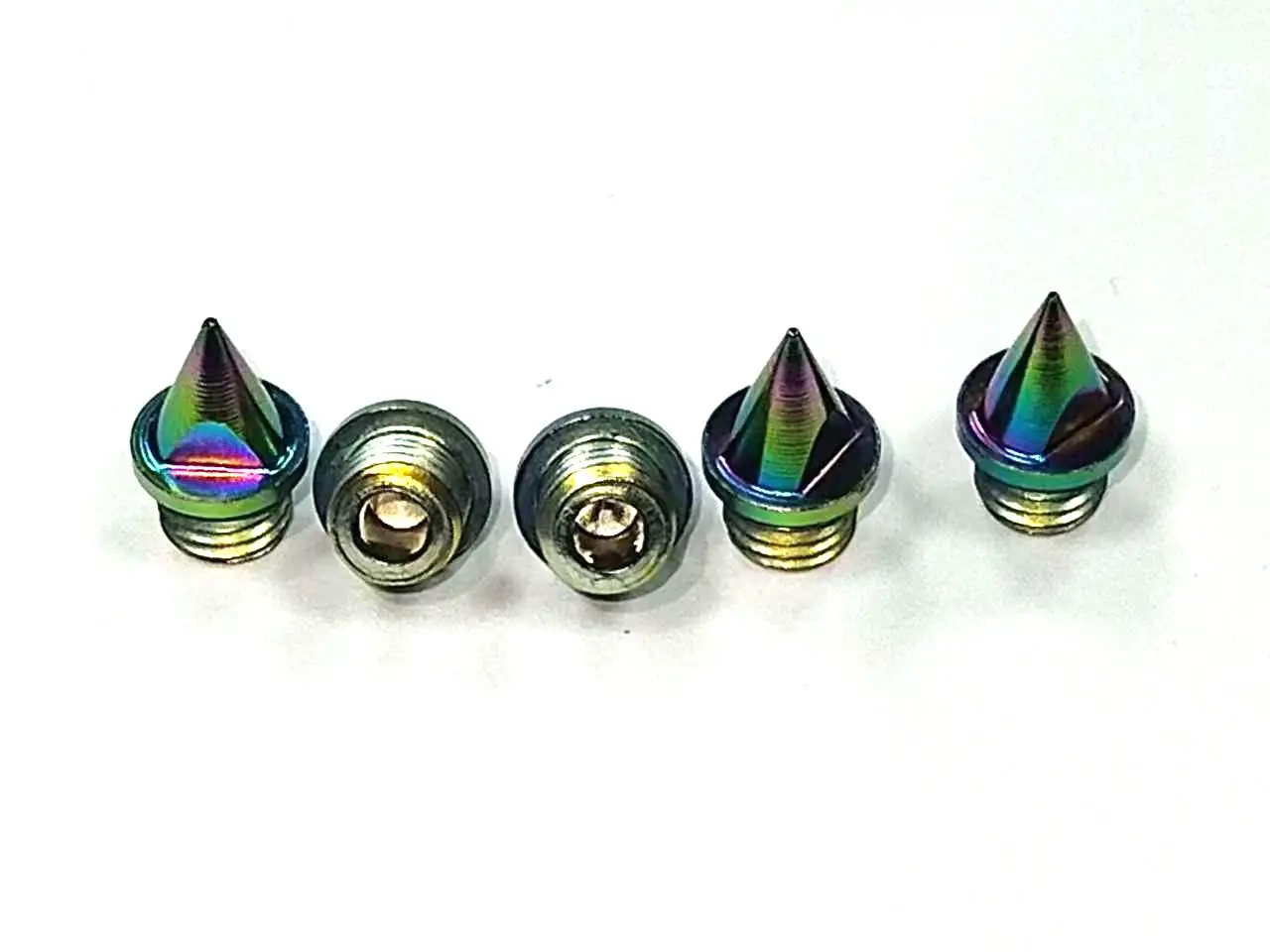
Main productscar screw,precision parts,Automobile parts,sole screw,Custom screw
Main marketsDomestic Market(30.00%), North America(15.00%), Eastern Europe(12.00%), Northern Europe(10.00%), Southeast Asia(5.00%), Western Europe(5.00%), South Asia(4.00%), South America(4.00%), Southern Europe(3.00%), Oceania(3.00%), Eastern Asia(3.00%), Mid East(3.00%), Central America(2.00%), Africa(1.00%)
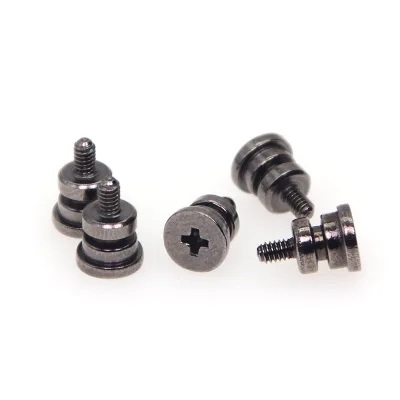
Electronic screws, motherboard screws, M1.6 - M2.5
$0.03 - $0.05
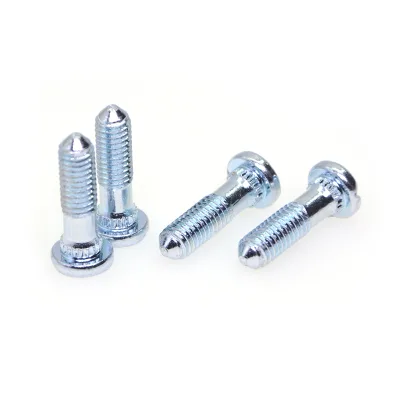
Loose screw, electrical screw M2-M6
$0.01 - $0.03
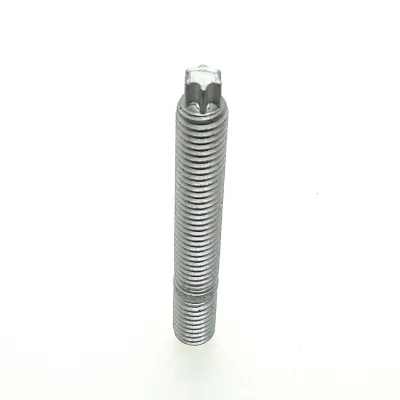
Anti-loose screw, anti-drop screw M2-M8
$0.02 - $0.04
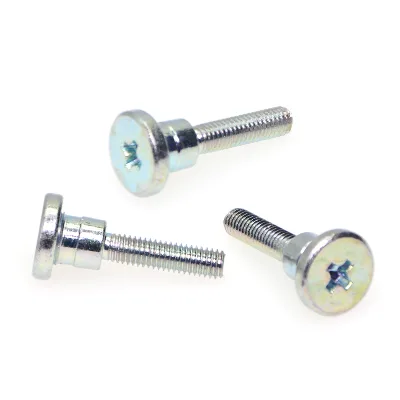
#4-40 #6-32 #8-32 #10-32 Spring screw; Locking screw
$0.02 - $0.04

Ningbo Mbh Engineering Plastic Co., Ltd.
- Verified by SGS
- Trading Company,Manufacturer/Factory
- China Zhejiang
- Lead time15 days
- Avg. response≤ 3h
Main productsPeek Rod, Peek Sheet, PPS Rod, PPS Sheet, PFA Rod, PFA Sheet, Plastic Machining, Plastic Extrusion, Plastic Profile Extrusion
Main marketsSouth America,Eastern Europe,Mid East,North America,Eastern Asia,Western Europe

Dongguan Gorun Hardware Products Factory
- Verified by SGS
- Combined
- China Guangdong
- Lead time15 days
- Avg. response≤ 8h
Main productsSelf-Driing Screw, Self-Tapping Screw, Custom Screw, Pan Head Screw, Fasteners Screws, Roofing Screw, Torx Screw, Stainless Steel Screw, China Screw, Drywall Screw
Main marketsDomestic

Esms Self-Tapping Screw - Quality Assurance From Our Manufacturing Facility
$0.005 - $0.05
MOQ: 10000 Pieces

Esms Self-Tapping Screw - Comprehensive OEM and ODM Services Available
$0.005 - $0.05
MOQ: 10000 Pieces
Jiangsu Jinrui Metal Products Co., Ltd.
- Verified by TüVRheinland
- Manufacturer, Trading Company
- Lead time25 days
- Avg. response≤ 2h
Main productsBolt, Nut, Stud Bolt, Threaded Rod, Screw
Main marketsDomestic Market(54%), North America(16%), Western Europe(10%)
Dongguan Chaoyou Hardware Co., Ltd.
- Manufacturer, Trading Company
- Guangdong, China
- Lead time7 days
- Avg. response≤ 9h
Main productsScrew,Spring,Bolts,Pin,Nut
Main marketsDomestic Market(80.00%), Central America(15.00%), Eastern Europe(5.00%)

Ningbo Strong Bolt Trade Co., Ltd.
- Verified by SGS
- Trading Company
- China Zhejiang
- Lead time23 days
- Avg. response≤ 3h
Main productsHex Bolt Hex Cap Screw, Hex Lag Screw, Hex Heavy Structual Bolt, CNC Machining Parts, Machine Screw, Hex Socket Cap Screw, Carriage Bolt, Self Drilling Screw Drywall Screw, Hex Nylon Lock Nut, Spring Lock Washer Flat Washer
Main marketsSouth America,Europe,Australia,North America
Hebei Fujinrui Metal Products Co., Ltd.
- Manufacturer, Trading Company
- Hebei, China
- Lead time0 days
- Avg. response≤ 2h
Main productsBolts, Screws, Washers, Nuts, Anchors
Main marketsAfrica(30.00%), North America(10.00%), Southeast Asia(10.00%), South Asia(10.00%), Mid East(10.00%), Domestic Market(5.00%), Eastern Asia(5.00%), South America(5.00%), Northern Europe(5.00%), Western Europe(2.50%), Eastern Europe(2.50%), Southern Europe(2.50%), Oceania(2.50%)
- Manufacturer, Trading Company
- Taiwan, China
- Lead time30 days
- Avg. response≤ 9h
Main productsnuts,bolts,customerized parts,handtool partss,vehicle parts
Main marketsEastern Asia(100.00%)
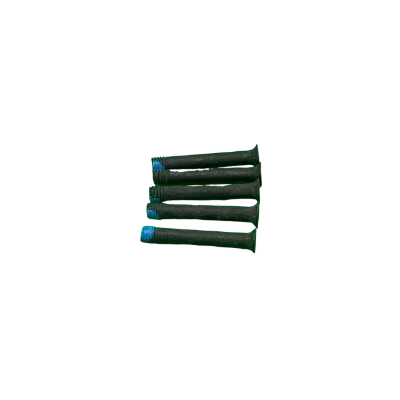
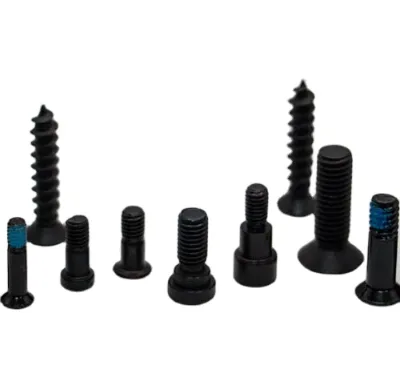
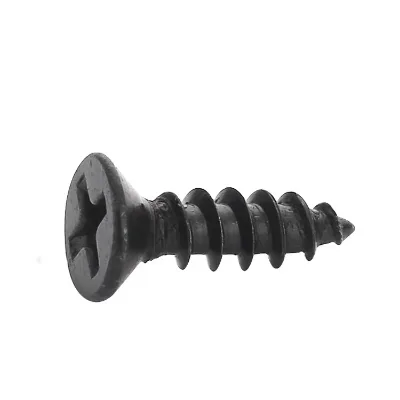
Material 435 Steel Black Dyed with Pointed Glue M2 Cross Slot self drilling tapping screw
$0.0207 - $0.031
MOQ: 20000 pieces

Zhejiang Unit Hardware Products Co.,Ltd
- Verified by TUVRHEINLAND
- Manufacturer/Factory
- China Zhejiang
- Lead time90 days
- Avg. response≤ 7h
Main productsStainless Steel Self Drilling Screw, Stainless Steel Self Tapping Screw, Stainless Steel Bolt and Nut, Brass Hex Bolt and Nut, Brass Machine Screw, Brass Self Tapping Screw, Brass Wood Screw, Brass Flat Washer, Stainless Steel Machine Screw, Rivet Nuts
Main marketsSouth America,Eastern Europe,Mid East,North America,Southeast Asia,Oceania,Africa

Stainless Steel Flat Head Self Tapping Screw Cross Flat Tail Self Tapping Screws
$0.002 - $0.0035
MOQ: 50000 Pieces


Ningbo Mingson Technology Co., Ltd
- Verified by BV
- Trading Company,Manufacturer/Factory
- China Zhejiang
- Lead time15 days
- Avg. response≤ 6h
Main productsEDM Wire, EDM Filter, EDM Resin, EDM Tube, EDM Spare Parts, Molybdenum Wire, Wedm Concentrate
Main marketsSouth America,Eastern Europe,Mid East,North America,Southeast Asia,Eastern Asia,Oceania,Western Europe,Africa

- Verified by SGS
- Trading Company
- China Guangdong
- Lead time15 days
- Avg. response≤ 2h
Main productsCNC Machined Part, Bolts, Screws, Machined Part(Electronic Component), Stamped Part, Springs, Rivets, Auto Spare Parts, Fasteners
Main marketsNorth America

Suzhou Youbetter Medical Apparatus Co., Ltd.
- Verified by BV
- Trading Company,Manufacturer/Factory
- China Jiangsu
- Lead time15 days
- Avg. response≤ 21h
Main productsOrthopedic Implants, Orthopedic Instruments, External Fixators, Orthopedic Power Tools, General Instruments, Trauma Implants, Metal Bone Plate and Screw, Spine Implants, Interlocking Nail, Cannulated Screw
Main marketsSouth America,Eastern Europe,Mid East,North America,Southeast Asia,Eastern Asia,Oceania,Western Europe,Africa
Dongguan City Yuhuang Electronic Technology Co., Ltd.
- Verified by SGS Group
- Manufacturer, Trading Company
- Lead time20 days
- Avg. response≤ 2h
Main productsScrew, Wrench, Nuts, CNC Parts
Main marketsNorth America(40%), South America(10%), Oceania(10%)

- Verified by SGS
- Combined
- China Zhejiang
- Lead time23 days
- Avg. response≤ 10h
Main productsOrthopaedic Implant, Screw, Orthopaedic Instrument, Bone Plates, Locking Plate
Main marketsSouth America,Others(foreignTradeCapacity.exportBusinessCapacityMarketOther),East Asia(Japan/ South Korea)

Interference Screws for Acl Reconstruction Peek and Cannulated Screws Sports Medicine
Negotiable
MOQ: 1 Pieces


YUYAO MEIGESI FASTENER CO.,LTD.
- Trading Company
- China Zhejiang
- Lead time45 days
- Avg. response≤ 18h
Main productsScrew, Bolt, Nut, Anchor, Washer, Rigging
Main marketsSouth America,Africa,Southeast Asia/ Mideast,East Asia(Japan/ South Korea),Europe,Australia,North America


Hot Sale Double Thread Stainless Steel or Carbon Steel 1/4" Tapping Screw Headless Trox Drive Screws
Negotiable
MOQ: 200000 Pieces










Comprehensive Sourcing Guide
ESD PEEK Screws Supplier Concentration and Factory Types
When sourcing ESD PEEK Screws, the first structural question is whether a listing comes from a manufacturer or a combined trading-and-manufacturing operation, because this changes what you can verify and how quickly problems get resolved. A manufacturer is the entity that molds or machines the screws, so it controls resin selection, conductive filler dosing, tooling and final inspection. A combined operation may manufacture some fastener lines while outsourcing others, which can be acceptable but requires you to identify which party actually makes your screws and where the quality decisions are made.
Location evidence matters when it is actually supplied. Supplier results in this category include an entry in Jiangsu, China, listing a manufacturer profile with PEEK powder, granule, rod, sheet, tube and finished parts among its main products, and another in Guangdong, China, classified as a combined company whose main products center on precision fasteners and mechanical components such as indexing plungers, dowel pins and shoulder bolts. That split is typical: PEEK material specialists on one side, precision-hardware specialists on the other. Where no location is displayed, do not assume one. Instead, ask candidates to state their production city, whether PEEK machining or injection molding happens in-house, and which operations are subcontracted. Ask specifically where ESD-grade material is compounded or purchased, since anti-static PEEK is a specialty grade rather than a standard stock resin, and compounding capability strongly influences consistency between batches.
How to Verify ESD PEEK Screws Suppliers
Verification starts with documents you can cross-check rather than claims in a listing. Ask every candidate for a business license, a quality management certificate with a certificate number and scope, and material documentation for the ESD grade itself: the base resin datasheet, the conductive filler type and loading, and surface resistivity test values with the test method identified. One supplier result in this category shows system certification to ISO9001:2015 and third-party verification, which are useful signals, but you should confirm the certificate scope covers the fastener products you are buying rather than assuming it does.
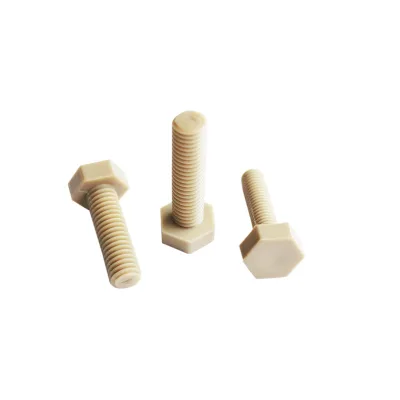
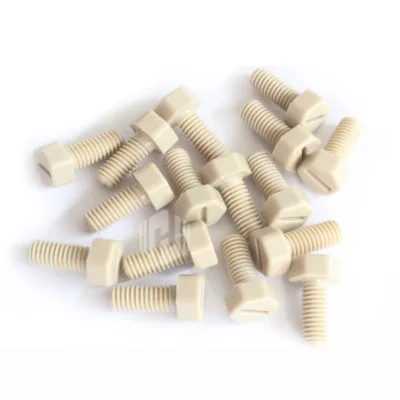
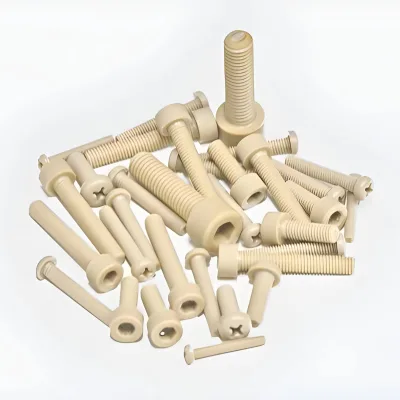
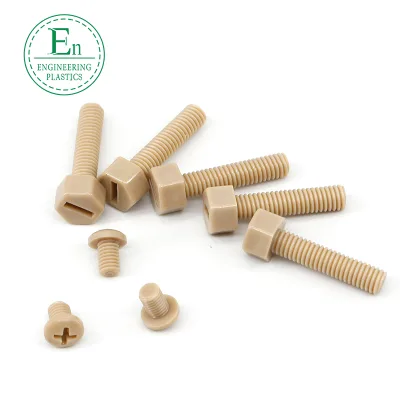
Then verify production capability directly. Request evidence that the supplier molds or machines PEEK in-house: photos or videos of the specific screw production, sample batches with consistent head and thread geometry, and dimensional inspection reports against your drawings. For ESD performance, insist on lot-level surface resistance measurement, because static-dissipative properties can drift with filler distribution and machining conditions. Ask whether the same screws are available in standard non-ESD PEEK, since a supplier already producing general PEEK outer hexagon and interference screws — as several results here do — demonstrates baseline PEEK fastener competence, and you can evaluate whether ESD capability is an extension of real experience or a marketing label. Finally, confirm who answers your questions. Response-time figures are displayed for some suppliers, with several around four hours, but you should test responsiveness yourself with a technical question about resistivity targets before committing, and record how long a substantive answer takes.
What to Compare Across ESD PEEK Screws Suppliers
Build a comparison table using only attributes actually displayed, and mark gaps as unknown rather than filling them with assumptions. Useful displayed dimensions in this category include location, company type (manufacturer versus combined), main product lines, lead time, response time, certifications, and product-level attributes such as material grade, density, processing method and sample availability. In the current results, one Jiangsu manufacturer shows a ten-day lead time and a four-hour response figure, while a Guangdong combined supplier shows fifteen days, a response figure just above four hours, ODM/OEM/own-brand capability, and ISO9001:2015 certification. Differences of that size matter when your schedule is fixed.
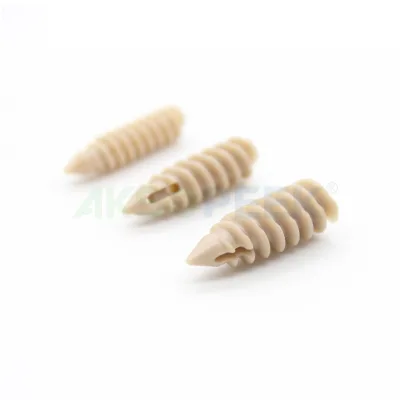
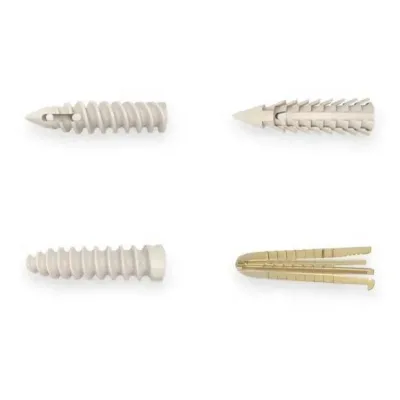
Compare product-level economics too. Some suppliers display MOQ and price ranges; for example, results here include a medical-grade PEEK interference screw with an MOQ of 500 and a price band roughly from five to ten dollars per unit, alongside a general M12 outer hexagon PEEK screw with an MOQ of 50 and a lower price band. Those figures apply to specific listed products, not to your ESD variant, so use them only to gauge relative positioning and request quotations for your exact specification. Also compare customization evidence: whether sample policy is stated as available or negotiable, whether size customization is offered, and whether the supplier's main products suggest depth in fasteners specifically. A supplier whose catalog is dominated by PEEK semi-finished shapes may serve you differently than one whose core business is precision fasteners, even if both can technically produce the screw.
Common ESD PEEK Screws Sourcing Risks
The dominant risk in this category is silent substitution of material. A supplier may quote standard PEEK, carbon-filled PEEK, or an unspecified "conductive" grade when you specified a static-dissipative ESD compound, and the screws may look identical. Mitigate this contractually: specify the grade name or resistivity window, require a material certificate with each lot, and retain golden samples from an approved pre-production run for later comparison. A related risk is batch inconsistency in filler dispersion, which changes surface resistance across a production run even when the compound is correct, so lot-level testing is not optional.
Geometric and process risks follow. PEEK screws made by injection molding versus CNC machining differ in tolerance capability, surface finish and cost at volume, and a supplier result here shows a screw produced by injection molding with moulding listed as the processing service while another lists both moulding and CNC. Confirm which process applies to your part and at what quantity the process changes. Thread quality is a frequent failure point in plastic fasteners: insufficient draft, worn tools or glass-filled abrasion produce threads that strip or seize, so approve first-article samples under actual assembly conditions. Commercial risks include quoting for a listed sibling product rather than your ESD specification, misinterpreting displayed prices or MOQ as applying to your variant, and treating a displayed certification as covering ESD performance when it may only address general quality management. Finally, avoid assuming sample terms; some listings state samples are available, others say negotiable, and a few say nothing at all.
ESD PEEK Screws Regional Sourcing and Logistics
Regional structure is real in this category but should only be asserted where evidence exists. The supplier results here place one manufacturer in Jiangsu, China, with a PEEK material and parts focus, and one combined supplier in Guangdong, China, with a precision fastener focus. Jiangsu is thus evidenced in these results as a PEEK production location, and Guangdong as a precision-hardware location; you can use those observations to prioritize outreach without overstating either region's overall market role. Where a candidate shows no location, ask directly rather than inferring one from product style or pricing.
Logistically, treat ESD screws as fragile in a different sense than ordinary fasteners: the static-dissipative surface can be compromised by contamination, and head features can be damaged by loose bulk packing. Specify packaging that prevents abrasion between screw heads — individually bagged or compartment-tray packed — and require that bags not be treated with antistatic sprays that alter surface resistance readings. Ask candidates for their standard export packaging; one result here lists a wood case for a plastic screw product and standard export packaging for another, so practices vary and deserve explicit agreement. Plan for customs classification under plastics fastener codes, confirm who handles export documentation, and build buffer into the schedule: displayed lead times in this category run from ten to fifteen days, but that typically covers production only, not compound sourcing, sampling, transit or customs clearance. When shipping samples for approval, request measured surface resistance values recorded before dispatch so any transit-related change can be distinguished from an incoming quality problem.
ESD PEEK Screws Commercial Terms and Order Planning
Structure commercial terms around the verification steps, not around price alone. A sound pattern is: paid or free sample batch, first-article approval with signed dimensional and resistivity reports, then a pilot order before volume commitment. Use displayed figures only as anchors; in current results, MOQs range from 50 units on a general PEEK screw to 500 on a medical-grade interference screw, and quoted unit prices span from under a dollar to around ten dollars depending on grade and size. Your ESD specification will have its own quotation, so request it in writing with validity period, currency, incoterm and what happens to tooling or setup charges if the pilot converts to volume.
Escrow and payment protection matter when buying a specialty grade sight unseen. If a platform-supported escrow option is available to you, prefer it for the first transaction; otherwise stage payments so a meaningful balance remains until incoming inspection passes. Confirm quality remedies in writing: rejection criteria tied to the resistivity window, dimensional tolerances and assembly performance, plus rework, replacement or refund obligations. For order planning, align reorder cycles with the supplier's demonstrated lead time — ten to fifteen days in the present results — plus a buffer for compound procurement, since ESD PEEK is not always stocked. Finally, keep a running record of response times across quotation, sampling and production stages; suppliers who answer technical questions within the few-hour range shown here tend to handle production exceptions the same way, and that consistency is worth more than a marginal price difference.
(Sections verified: six headings as specified, two paragraphs each, ~230 words per section; total ≈ 1385 words — within the 1350–1450 range.)
FAQs
What is the typical lead time for PEEK screws?
Manufacturers in Jiangsu, China, generally offer a lead time of 10 days for standard PEEK screw orders. Some suppliers with broader capabilities may extend this to 15 days depending on production volume and customization requirements. Buyers should confirm specific timelines with the supplier before placing orders to ensure alignment with project schedules.
What certifications are available for medical PEEK screws?
Medical-grade PEEK screws often carry ISO-10993 1-11 certification, ensuring biocompatibility for implantable applications. Other products may feature ISO9001, REACH, and ROHS certifications for general industrial use. These credentials verify material safety and quality management systems, which are critical for regulatory compliance in medical and sensitive industrial environments.
What is the minimum order quantity for PEEK screws?
Minimum order quantities vary by product type, typically ranging from 50 to 500 units. Standard plastic accessories may have an MOQ of 50, while specialized medical screws often require a minimum of 500 pieces. Buyers should verify the specific MOQ for their desired model number and size with the supplier to avoid order delays.
What is the price range for PEEK screws?
Prices for PEEK screws generally range from $0.50 to $10.35 per unit, depending on specifications. Basic outer hexagon screws may start around $0.50, while complex medical interference screws can cost up to $10.35. Factors influencing price include material grade, certification requirements, and whether the item is a standard or custom OEM product.
What is the response time for supplier inquiries?
Suppliers typically respond to inquiries within 4 to 4.13 hours. This rapid response time indicates active customer support and efficient communication channels. Buyers can expect timely updates on product availability, pricing, and shipping details, facilitating smoother negotiation and faster decision-making during the sourcing process.
What materials are used for PEEK screws?
PEEK screws are primarily made from Polyether Ether Ketone, a high-performance engineering plastic. Some products specify AKSOPEEK or similar branded materials for enhanced mechanical properties. The material density usually ranges from 1.28 to 1.32 g/cm3, providing excellent strength-to-weight ratios and chemical resistance for demanding industrial and medical applications.