Source Programmable Closed Loop Servo Motor for Industrial, Printing, Machine Tool
Find 30 Programmable Closed Loop Servo Motor options from verified Chinese suppliers. Compare specifications including speed, poles, and certifications for applications in industrial machinery, printing equipment, and medical devices; compare the available evidence and request quotations based on your requirements.
Updated
Key considerations
Products List


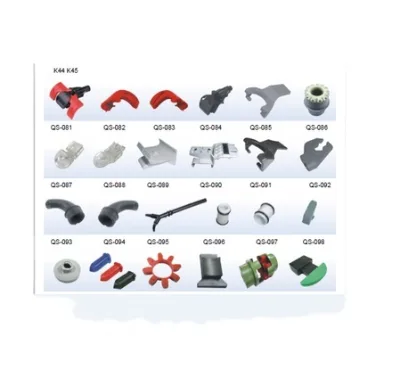


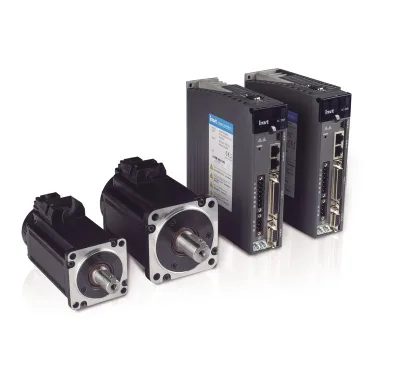
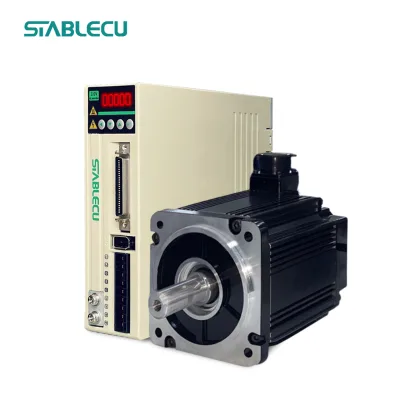
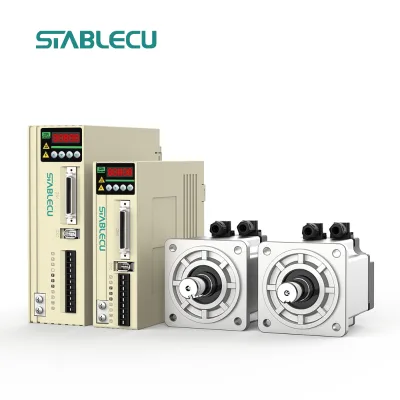
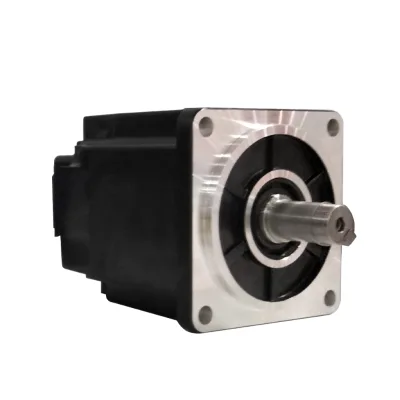
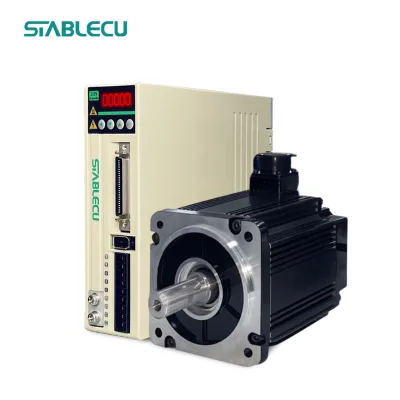
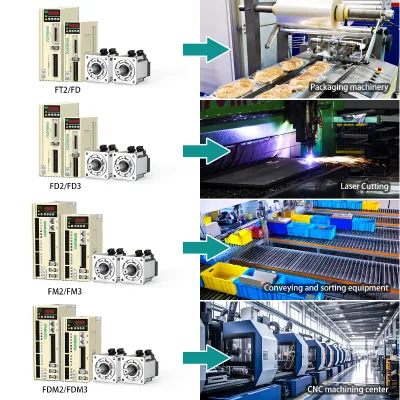
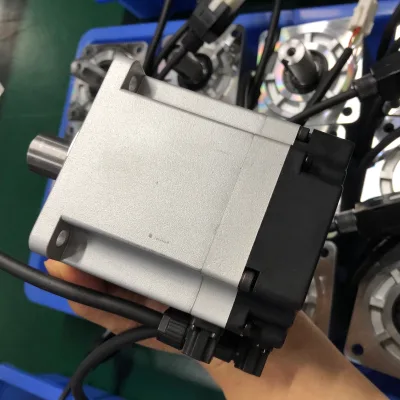
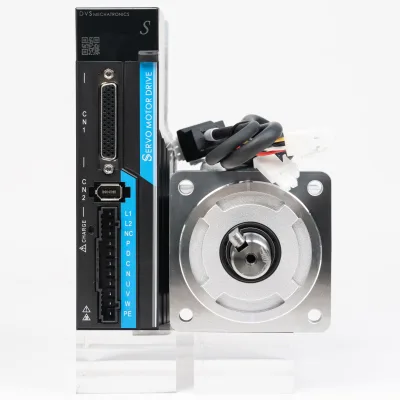
Integrated Servo Motor Drive Three-Phase Servo Motor 220V 750W 50Hz Frequency Hot Sale
$168.9448 - $180.2083
MOQ: 50 pieces
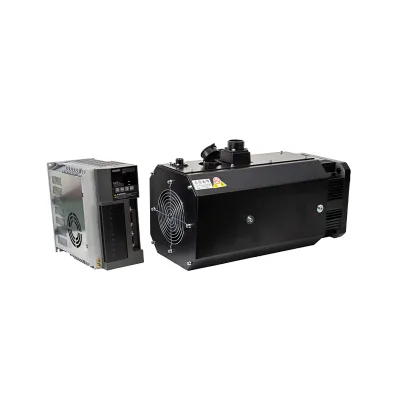
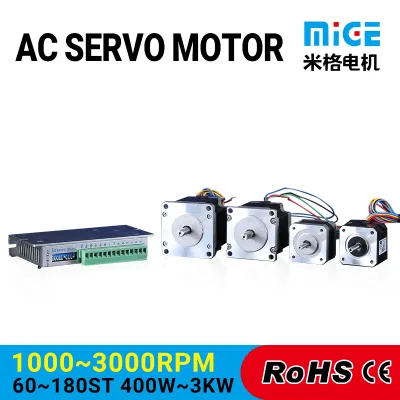
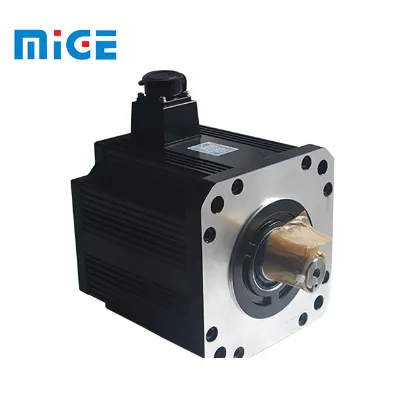
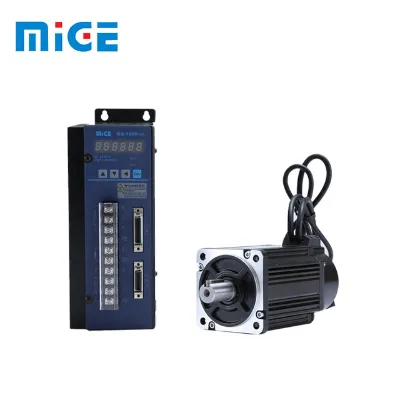
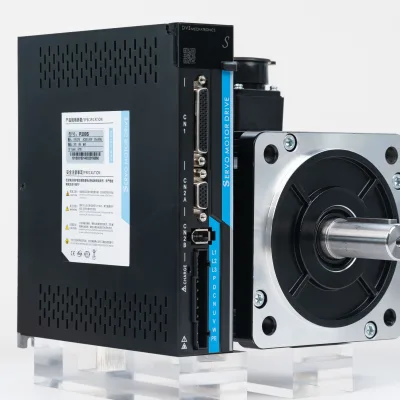
hotsale ac servo motor with encoder and driver for packaging machine
$365.3558 - $417.5494
MOQ: 1 Minimum

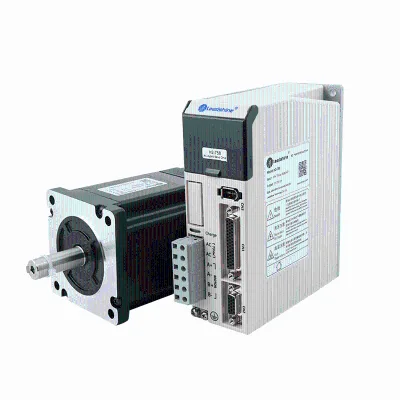
High Precision Servo Motor for Efficient Plastic and Rubber Production
$1650.00 - $1700.00
MOQ: 1 Pieces


Comprehensive Sourcing Guide
Programmable Closed Loop Servo Motor Sourcing Guide
Sourcing programmable closed loop servo motors requires a disciplined approach to technical verification and supplier qualification. These components are critical for precision motion control in industrial automation, where reliability and accuracy are non-negotiable. Buyers must navigate a market characterized by diverse configurations, ranging from hybrid stepper variants to integrated brushless systems. The complexity of these products demands careful attention to specifications such as excitation modes, pole counts, and speed characteristics. Without rigorous due diligence, procurement teams risk acquiring units that fail to meet operational requirements or lack necessary certifications for international deployment.
This guide provides a structured framework for evaluating programmable closed loop servo motors based on observed market data and technical realities. It focuses on actionable insights for verifying product scope, technical specifications, compliance documentation, cost structures, supplier capabilities, and long-term performance. By adhering to these evidence-based principles, buyers can mitigate risks associated with quality inconsistencies and supply chain disruptions. The following sections detail the essential checks and considerations necessary for successful procurement, ensuring that selected motors align with specific application needs and regulatory standards.
Product Scope and Observed Listing Signals
The observed product landscape includes a variety of servo and stepper motor configurations, such as the 42SC08 and 57IV series models, which often feature HB-Hybrid excitation modes. These units are frequently marketed for applications in printing equipment, machine tools, and spinning machinery, indicating a broad industrial utility. Buyers should note that listings often highlight features like variable frequency starting and closed-loop control, which are essential for precise motion management. The presence of integrated motion controllers in some models suggests a trend toward simplified installation and reduced wiring complexity for end-users.
Packaging and origin data reveal that products typically originate from China, with specific mentions of Shanghai as a place of origin. Packaging methods vary, including plywood cases for robust protection and green export packages for eco-conscious shipping. Some listings specify carton packaging with dimensions like 38x35x33cm, which aids in logistics planning. The observed price range spans from $1 to $300,000, reflecting the diversity from small stepper motors to large industrial servo systems. Minimum order quantities (MOQ) generally range from 1 to 50 units, offering flexibility for both prototype testing and bulk production runs.
Technical Specifications to Verify
Technical verification must begin with confirming the motor type and phase configuration. Listings indicate both three-phase and two-phase stator options, which directly impact power delivery and control complexity. Buyers should verify the speed characteristics, as products are categorized into variable speed, high speed, and constant speed variants. The excitation mode, particularly HB-Hybrid, is a critical differentiator for stepper-based servo systems, influencing torque and resolution. Additionally, the operating mode, such as three single-phase operation, must align with the available power infrastructure at the installation site.
Further verification should focus on physical and environmental specifications. The casing protection type, whether closed or specific protection ratings, determines suitability for harsh industrial environments. Ambient temperature limits, such as a maximum of 80°C, are crucial for ensuring longevity and preventing thermal failure. Weight specifications, often listed around 1kg for smaller units, assist in structural load calculations. Buyers must also confirm the current per phase, with observed values like 6.5A, to ensure compatibility with drive units and power supplies. These details collectively define the operational envelope of the motor.
Compliance and Safety Documentation
Compliance verification is paramount for international trade and safe operation. Observed certifications include CCC and ISO standards, which are essential for market access in specific regions. Buyers must request valid certificates to confirm that the manufacturer maintains these standards consistently. The mention of international standards suggests a baseline for quality, but specific regional requirements may necessitate additional certifications. Documentation should clearly state the scope of certification, ensuring it covers the specific motor models being procured.
Safety and quality assurance processes also require scrutiny. Some suppliers provide video outgoing inspections, offering visual proof of pre-shipment quality checks. This transparency can help buyers assess manufacturing consistency and final product condition. Warranty terms, ranging from three months to one year, indicate the supplier’s confidence in product durability. Buyers should clarify the warranty coverage, including parts and labor, to understand the risk allocation. Proper documentation ensures that the motors meet regulatory requirements and reduces liability for the end-user.
Cost Drivers and Commercial Terms
Cost structures for programmable closed loop servo motors are influenced by several key factors. The complexity of the control system, such as integrated motion controllers, typically increases the unit price. Specifications like high speed or variable frequency capabilities also command premium pricing due to advanced engineering requirements. The observed price range of $1 to $300,000 reflects this variability, with smaller, simpler units at the lower end and large, high-performance systems at the higher end. Buyers should analyze the cost-to-performance ratio rather than focusing solely on the lowest price.
Commercial terms significantly impact the total cost of ownership. MOQs ranging from 1 to 50 units allow for flexible purchasing, but larger orders may offer volume discounts. Packaging costs, whether plywood or carton, affect shipping expenses and must be factored into the landed cost. Lead times, though not explicitly detailed in the observed data, are a critical commercial term that affects production schedules. Buyers should negotiate clear terms regarding payment methods, delivery schedules, and responsibilities for customs clearance. Understanding these variables helps in budgeting accurately and avoiding hidden costs.
Supplier Qualification and Quality Control
Supplier qualification involves assessing manufacturing capabilities and quality management systems. The presence of ISO certification suggests a structured approach to quality control, but buyers should verify the scope and validity of these certifications. Suppliers offering video outgoing inspections demonstrate a commitment to transparency and quality assurance. This practice allows buyers to verify the physical condition and configuration of the products before shipment. Buyers should request detailed quality control reports and inspection records to ensure consistency across batches.
Location and origin data, such as Shanghai, China, provide context for the supply chain. Buyers should evaluate the supplier’s logistical capabilities and experience in exporting to their target markets. The variety of packaging options, from plywood to green export packages, indicates adaptability to different customer needs. However, buyers must ensure that packaging meets international shipping standards to prevent damage. Assessing the supplier’s technical support and after-sales service is also crucial, as these factors contribute to long-term operational success and problem resolution.
Long-Term Procurement Checks
Long-term procurement success depends on establishing robust performance monitoring and supplier relationship management. Buyers should implement regular audits of supplier quality and delivery performance to ensure consistency. Tracking warranty claims and failure rates provides valuable data for evaluating product reliability over time. The observed warranty periods of three months to one year offer a baseline for expected durability, but actual performance may vary based on application conditions. Buyers should maintain detailed records of motor performance to identify trends and potential issues early.
Continuous improvement and feedback loops are essential for optimizing procurement strategies. Engaging with suppliers to discuss technical updates and product improvements can lead to better solutions for evolving application needs. The availability of customization options, as noted in the observed data, allows for tailored solutions that enhance performance. Buyers should leverage these opportunities to refine their specifications and requirements. By maintaining a proactive approach to supplier management and quality control, buyers can ensure a stable and reliable supply of programmable closed loop servo motors for their industrial operations.
FAQs
What certifications do programmable closed loop servo motors have?
These motors typically hold CCC and ISO certifications to ensure compliance with international standards. The products are manufactured in China and often originate from Shanghai. Buyers should verify specific certification documents for their target market requirements before placing orders.
Can these motors be customized for specific applications?
Yes, customization is available for many Programmable Closed Loop Servo Motor models. Suppliers offer various options to meet unique industrial needs. Buyers can request specific configurations to ensure the motor integrates seamlessly with their existing machinery and control systems.
What is the typical warranty period for these motors?
Warranty periods generally range from three months to one year depending on the supplier and model. Some specific listings offer a six-month warranty. Buyers should confirm the exact warranty terms with the manufacturer before finalizing the purchase agreement.
Which specifications define the stator configuration of these motors?
The stator configuration varies, with options including three-phase and two-phase setups. Some models are designed for variable speed operation, while others provide constant speed. Buyers must select the appropriate configuration based on their specific driving and control requirements.
How are these motors packaged for international shipping?
Packaging methods include plywood cases, green export packages, and standard cartons. Dimensions such as 38x35x33cm are common for carton packaging. This ensures safe transit and protection against damage during long-distance shipping to global industrial markets.
What is the minimum order quantity for these motors?
The minimum order quantity typically ranges from one to fifty units. This flexibility allows buyers to test samples or order small batches. Larger industrial orders can be negotiated directly with suppliers to secure better pricing and production scheduling.