Source Y Series Three-Phase Induction Motor for Pumps Fans Conveyors
Find 30 Y series three-phase induction motor options with varying power ratings and frame sizes. Buyers can compare specifications like starting mode, casing protection, and installation types for industrial and universal applications; compare the available evidence and request quotations based on your requirements.
Updated
Key considerations
Products List


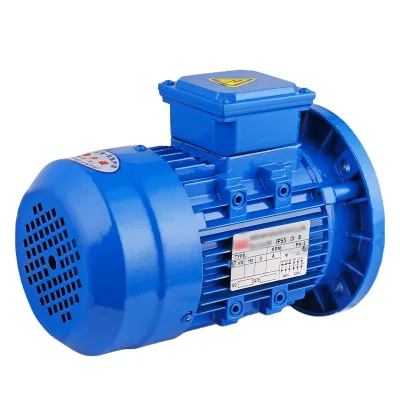


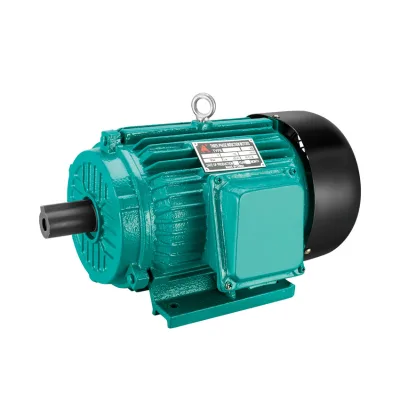
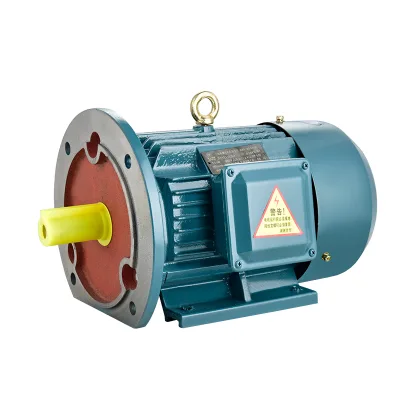
Ye4 High Efficiency Asynchronous Ac Electric Three-phase Multi-speed Induction Motor
$40.3861 - $42.2403
MOQ: 10 pieces
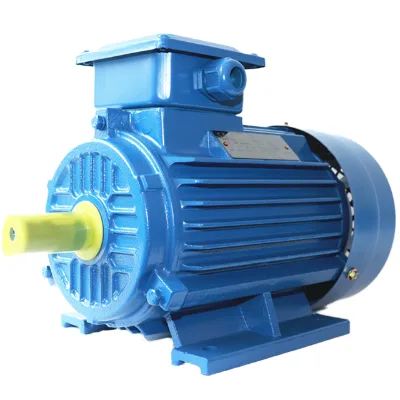
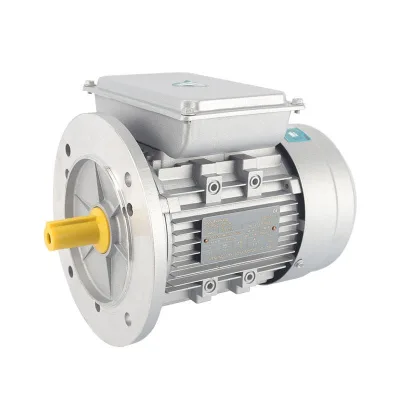
Y Series Three-Phase AC Electric Motor 10hp to 100hp Induction Motor Range
$159.4681 - $185.1895
MOQ: 100 pieces
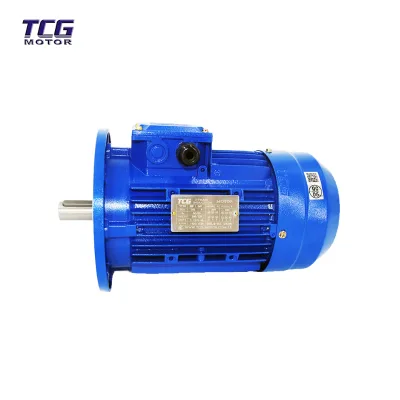
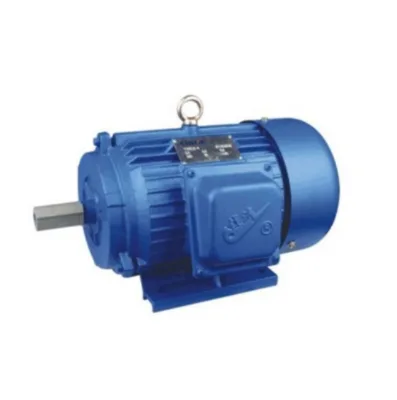
Comprehensive Sourcing Guide
Y Series Three-Phase Induction Motor Sourcing Guide
Sourcing Y series three-phase induction motors requires careful attention to model variations and technical alignment with your specific operational needs. The market offers distinct series including Y, Y2, YD, Y3, YS, and YVF, each catering to different power and speed requirements. Buyers must distinguish between these models to ensure compatibility with existing machinery. The Y and Y2 series are widely recognized for their robust construction, while the YD series provides variable speed capabilities essential for applications requiring adjustable torque. Understanding these distinctions prevents procurement errors and ensures that the selected motor meets the precise mechanical and electrical demands of your production line.
Procurement decisions should also consider the physical and environmental constraints of the installation site. Motors are available in various frame numbers ranging from 60 to 315, allowing for flexibility in mounting and space allocation. The operating mode is typically S1, indicating continuous duty, which is suitable for most industrial applications. Additionally, the elevation limit is specified as lower than 1000 meters, a critical factor for buyers operating in high-altitude regions where cooling efficiency may be reduced. Verifying these environmental parameters early in the sourcing process helps avoid performance issues and ensures the motor operates reliably under your specific site conditions.
Product Scope and Observed Listing Signals
The observed product listings reveal a diverse range of specifications that buyers must navigate to find the right fit. Prices observed in the market range from 10 to 5000 USD, reflecting the wide variance in power output and frame size. Minimum order quantities (MOQ) typically range from 1 to 100 units, offering flexibility for both small-scale replacements and large-scale industrial deployments. The power ratings span from 0.35 KW to 200 KW, covering everything from small auxiliary drives to heavy-duty main machinery. Buyers should use these ranges as a baseline for budgeting but must request specific quotes for their required horsepower and voltage configurations to avoid unexpected cost overruns.
Listing signals also highlight the customization options available from suppliers, which can be a significant advantage for specialized projects. Customization is explicitly noted as available, allowing buyers to tailor features such as color painting, terminal box orientation, and packaging to their logistical needs. The standard packing includes export-standard packages, cartons, or wooden boxes, ensuring safe transit. However, buyers should verify the exact packaging details for fragile or high-value units. The origin is primarily listed as Taizhou, Zhejiang Province, China, a known hub for motor manufacturing. Understanding these listing signals helps buyers assess supplier capacity and reliability before initiating formal negotiations.
Technical Specifications to Verify
Technical verification is paramount when sourcing Y series motors, particularly regarding the stator and rotor construction. The stator is consistently three-phase, a standard requirement for industrial power systems, but buyers must confirm the wire material. Listings indicate the use of 100% copper wire, which offers superior conductivity and durability compared to aluminum alternatives. The rotor structure is typically squirrel-cage, known for its ruggedness and low maintenance. Buyers should explicitly request confirmation of these materials in the technical datasheet to ensure the motor meets efficiency and longevity expectations. Verifying the synchronous speed options, such as 3000, 1500, 1000, or 750 r/min, is also crucial for matching the motor to the driven equipment.
Installation and protection features require close scrutiny to ensure compatibility with the operating environment. The installation types include IMB3, IMB5, IMB35, IMB14, IMB34, and IMV1, providing various mounting configurations for different machine frames. The casing protection type varies, with some models offering closed types and others featuring waterproof capabilities. Buyers must match the protection rating to their site conditions, especially if the motor will be exposed to moisture or dust. Additionally, the starting mode, whether direct on-line or y-δ starting, impacts the electrical infrastructure requirements. Confirming these technical details prevents installation failures and ensures the motor integrates seamlessly into your existing power and mechanical systems.
Compliance and Safety Documentation
Compliance with international and regional standards is a critical component of the procurement process for induction motors. Listings frequently mention CCC and ISO certifications, which are essential for market access and safety assurance. Buyers must verify the current validity of these certificates and ensure they cover the specific model and power range being purchased. The ISO certification often relates to quality management systems, while CCC is a mandatory Chinese certification for products sold domestically. For international buyers, it is vital to confirm if these certifications are recognized in the destination country or if additional local certifications are required. This verification step mitigates regulatory risks and ensures the product can be legally installed and operated.
Safety documentation should also include detailed technical manuals and test reports that validate the motor's performance. Buyers should request evidence of insulation class ratings and thermal protection features, which are critical for preventing overheating and extending motor life. The standard terminal box configuration, whether top or side mounted, should be documented to ensure proper cable management. Additionally, buyers must ensure that the supplier provides clear labeling on the motor nameplate, including voltage, frequency, and current ratings. Proper documentation not only aids in installation but also facilitates maintenance and troubleshooting throughout the motor's operational lifespan, reducing downtime and repair costs.
Cost Drivers and Commercial Terms
Several factors influence the final cost of Y series three-phase induction motors, with power rating and frame size being the primary drivers. Higher power motors, such as those in the 55-200 KW range, command higher prices due to increased material usage and manufacturing complexity. The choice of materials, particularly the use of copper wire versus aluminum, also significantly impacts cost. Buyers should balance initial purchase price with long-term efficiency, as higher-quality materials often result in better energy performance. Additionally, customization options, such as specific color painting or unique packaging, may incur additional charges. Understanding these cost drivers allows buyers to negotiate more effectively and allocate budgets accurately.
Commercial terms, including payment methods and delivery schedules, are equally important in the procurement process. Suppliers typically offer flexible payment terms, but buyers should negotiate for favorable conditions based on order volume. Lead times can vary depending on the model and customization requirements, so it is essential to confirm delivery schedules before placing orders. The observed MOQ ranges from 1 to 100 units, providing flexibility for different order sizes. Buyers should also consider logistics costs, as the origin is in Taizhou, China, and shipping terms will affect the total landed cost. Clear communication of commercial terms ensures a smooth transaction and avoids unexpected expenses or delays in receiving the motors.
Supplier Qualification and Quality Control
Evaluating supplier qualification is essential to ensure the reliability and consistency of the motors supplied. Buyers should verify the supplier's manufacturing capabilities, including their production capacity and quality control processes. Suppliers in Taizhou, Zhejiang Province, are known for their expertise in motor manufacturing, but buyers must conduct due diligence to confirm their reputation and track record. Requesting references from previous clients and checking online reviews can provide insights into the supplier's reliability. Additionally, buyers should inquire about the supplier's ability to provide after-sales support, including technical assistance and warranty services. A qualified supplier will have a robust quality management system in place to ensure consistent product quality.
Quality control measures should be explicitly defined in the procurement contract to protect the buyer's interests. Buyers should request pre-shipment inspection reports that detail the results of electrical and mechanical tests. These tests should verify parameters such as insulation resistance, winding resistance, and no-load current. Additionally, buyers should confirm that the motors undergo routine quality checks during production to identify and rectify defects early. The use of export-standard packaging is a good indicator of the supplier's attention to detail, but buyers should also specify any additional protective measures required for long-distance shipping. Implementing strict quality control protocols helps minimize the risk of receiving defective products and ensures that the motors meet the specified performance standards.
Long-Term Procurement Checks
Long-term procurement success depends on establishing a sustainable relationship with suppliers and continuously monitoring performance. Buyers should implement a regular review process to assess the quality and reliability of the motors supplied over time. This includes tracking failure rates, maintenance costs, and energy consumption to evaluate the total cost of ownership. Feedback from the maintenance team should be incorporated into the evaluation process to identify any recurring issues. Additionally, buyers should stay informed about advancements in motor technology and industry standards to ensure that their procurement strategies remain competitive. Regular communication with suppliers can also help identify opportunities for cost savings or performance improvements.
Sustainability and environmental considerations are increasingly important in long-term procurement strategies. Buyers should verify that the suppliers adhere to environmental regulations and practices, such as proper waste management and energy-efficient manufacturing processes. The use of recyclable materials in packaging and the availability of eco-friendly motor options can contribute to sustainability goals. Additionally, buyers should consider the end-of-life disposal of the motors and ensure that the suppliers provide guidance on responsible recycling. By integrating sustainability into their procurement processes, buyers can enhance their corporate social responsibility profile and contribute to a more sustainable industrial ecosystem. This proactive approach ensures that the procurement strategy aligns with broader organizational values and regulatory requirements.
FAQs
What certifications do Y series three-phase induction motors have?
Y series three-phase induction motors typically hold CCC and ISO certifications. These credentials verify compliance with essential safety and quality management standards. Buyers should verify specific certificate validity with the supplier before finalizing orders to ensure regulatory alignment for their target markets.
Can Y series motors be customized for specific applications?
Yes, customization is available for Y series three-phase induction motors. Manufacturers offer options such as specific color painting, terminal box configurations, and frame numbers ranging from 60 to 315. This flexibility allows buyers to tailor the motor to unique industrial or universal application requirements.
What is the typical operating speed of these motors?
Y series three-phase induction motors operate at synchronous speeds of 3000r/min, 1500r/min, 1000r/min, and 750r/min. The specific speed depends on the pole configuration, such as 2-pole or 6-pole variants. This range supports both high-speed and low-speed industrial driving applications effectively.
Which materials are used in the motor casing?
The motor casing is primarily constructed from cast iron. This material provides robust protection and durability for industrial environments. The casing features a closed type protection design, ensuring reliable performance under various operating conditions while maintaining structural integrity over extended usage periods.
What is the standard packaging for these motors?
Standard packaging includes export-standard cartons or wooden boxes. This ensures safe transit and protection against damage during shipping. The packaging dimensions and weight standards vary by model, accommodating the motor's frame size and ensuring secure handling throughout the logistics chain from the factory to the destination.
Where are Y series motors typically manufactured?
Y series three-phase induction motors are typically manufactured in Taizhou, Zhejiang Province, China. This region is a known hub for electric motor production. Buyers sourcing from this location benefit from established supply chains and specialized manufacturing expertise dedicated to producing high-quality industrial motors.