Source Quad-Core LGA 1366 Desktop Processor for Servers
Find and compare 30 quad-core lga 1366 desktop processor options from China. Review specifications like 65W power, 8MB cache, and DDR3 support for industrial automation and desktop applications. These units are available in used or new stock with a 6-month warranty and customizable packaging for global sourcing needs.
Updated
Key considerations
Products List

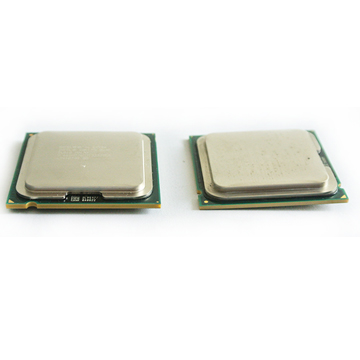
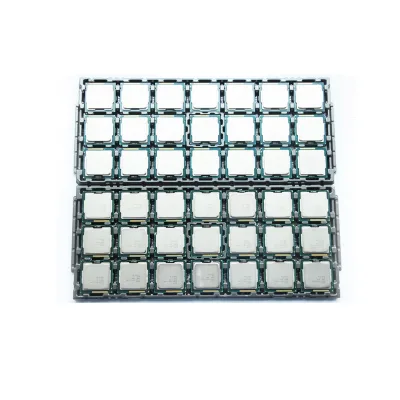
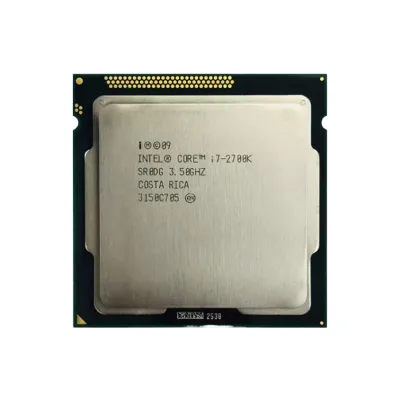
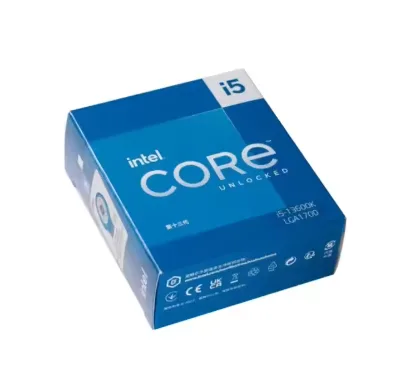
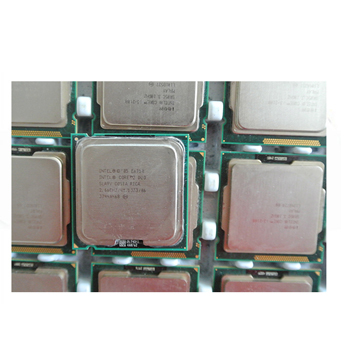
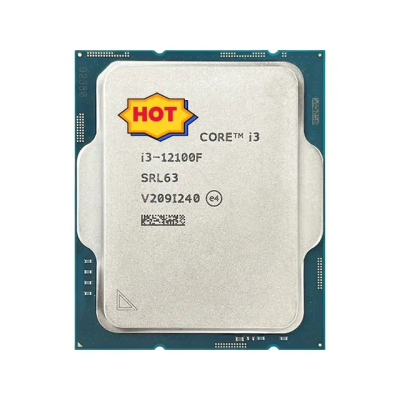

Intel Core I5-13400 Desktop Processor 10 Cores 4.6 GHz LGA1700 Computer CPU
$245.00 - $280.00
MOQ: 50 Pieces

Intel Core I5 9600kf Desktop Processor 6 Cores 4.6 GHz LGA1151 Computer CPU
$150.00 - $185.00
MOQ: 10 Pieces

Intel Core I5-13400f Desktop Processor 10 Cores 4.6 GHz LGA1700 Computer CPU
$235.00 - $270.00
MOQ: 50 Pieces

Intel Core I5 9400 Desktop Processor 6 Cores 4.1 GHz LGA1151 Computer CPU
$115.00 - $135.00
MOQ: 10 Pieces

Intel Core I3 8100 Desktop Processor 4 Cores 3.6 GHz LGA1151 Computer CPU
$75.00 - $100.00
MOQ: 10 Pieces

Intel Core I5 12400 Desktop Processor 6 Cores 4.4 GHz LGA1700 Computer CPU
$195.00 - $225.00
MOQ: 10 Pieces
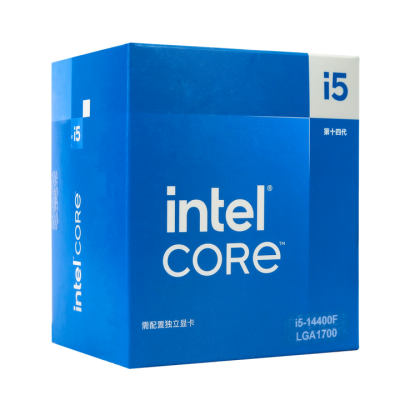
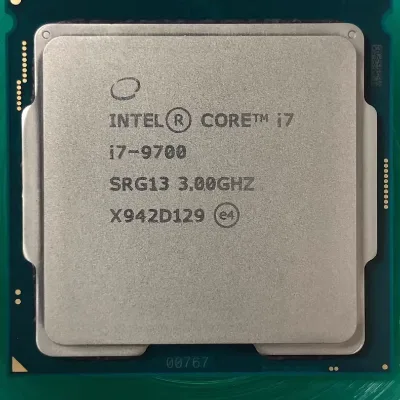

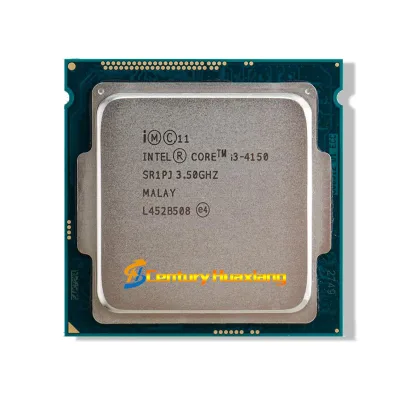
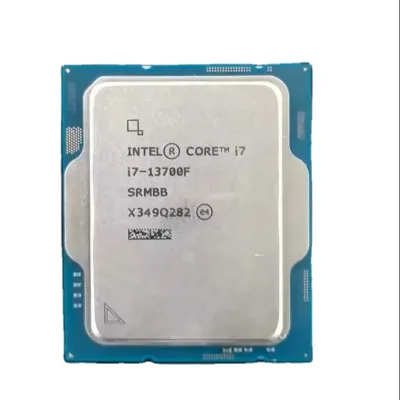
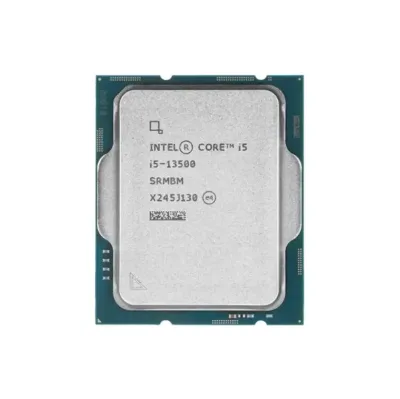
Brand-new Central Processing Units: I5 13600K, 13600KF, 13400F, 13400, 13500, 13900F
$163.9451 - $179.315
MOQ: 1 Minimum


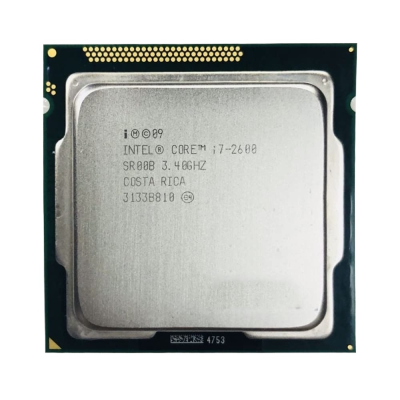
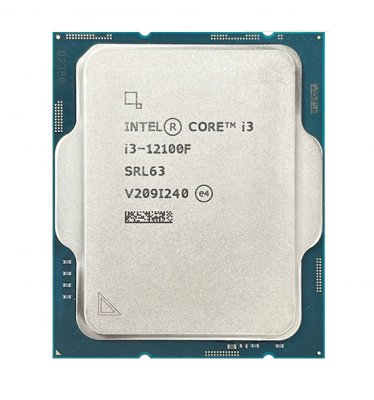
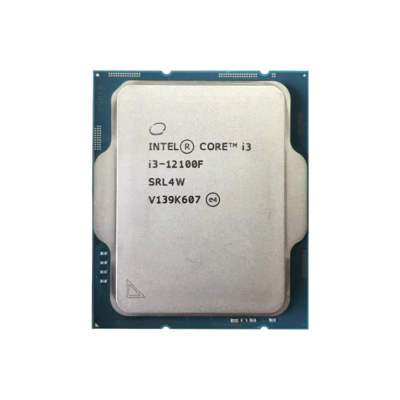
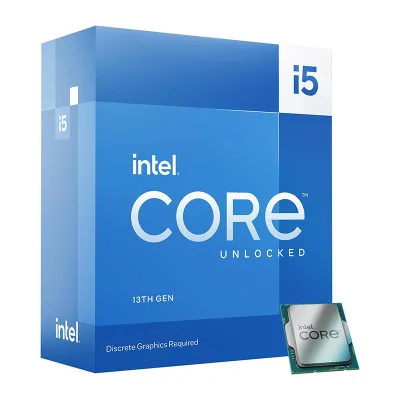
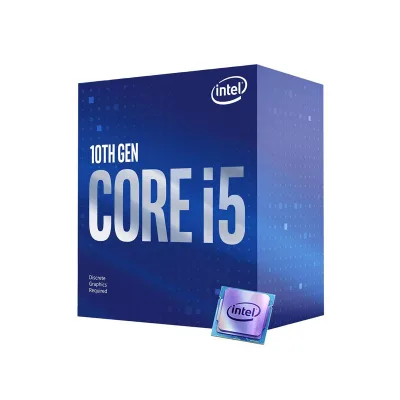
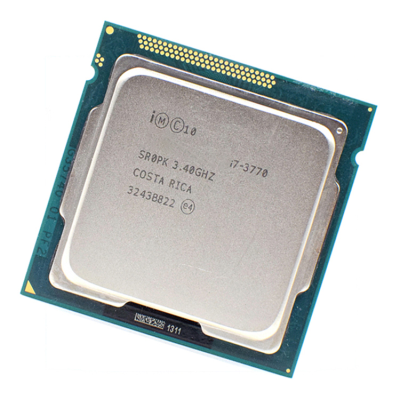
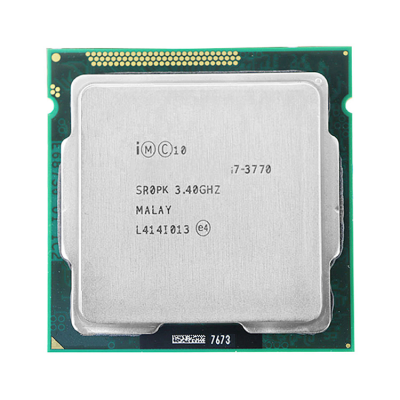
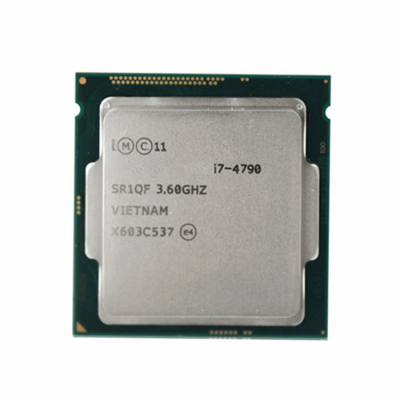
Original Processor Cpu I7-4790 I7 4790 3.6GHZ LGA1150 Core Desktops CPU Scrattered Pieces
$57.6184 - $66.8787
MOQ: 10 Minimum
Comprehensive Sourcing Guide
Quad-Core LGA 1366 Desktop Processor Sourcing Guide
Sourcing quad-core processors for LGA 1366 desktop platforms requires careful navigation of a fragmented market dominated by refurbished and legacy inventory. Buyers must recognize that original equipment manufacturer (OEM) stock is largely depleted, shifting the procurement focus toward secondary market suppliers who specialize in used or open-box components. This transition introduces specific risks regarding component history, thermal paste residue, and pin integrity that do not exist with new retail goods. Procurement teams must establish rigorous inspection protocols to mitigate the risk of acquiring units with hidden defects or excessive wear from previous high-load operations.
The observed market signals indicate a wide variance in product status, ranging from brand-new stock to heavily used units with varying warranty terms. While some listings advertise new conditions, the prevalence of "used" status suggests that buyers should prioritize suppliers who provide transparent grading criteria and detailed condition reports. Understanding the distinction between bulk-packed loose dies and boxed retail units is critical, as packaging often correlates with the level of protection and included accessories like mounting hardware or original thermal compounds. Buyers must align their quality expectations with the specific status declared by the supplier to avoid discrepancies in performance and longevity.
Product Scope and Observed Listing Signals
The current supply landscape for LGA 1366 processors is characterized by a mix of older generation Intel Core i7 models and compatible alternatives, though specific model numbers like the i9-10940X or i5-13400 appear in listings despite being technically incompatible with the LGA 1366 socket. This discrepancy highlights the need for buyers to verify socket compatibility meticulously, as LGA 1366 supports specific Nehalem and Westmere architectures. The observed price range of $3.11 to $350 USD reflects this confusion, with lower prices typically associated with used units and higher prices linked to rare or boxed variants. Buyers must filter listings by actual socket type to avoid purchasing incompatible hardware that cannot be installed in their target desktop systems.
Packaging and origin data reveal that many suppliers operate out of Guangdong, China, offering products in carton boxes or bulk packaging. The presence of "Brand" generic labels and private mold indicators suggests a market flooded with unbranded or repackaged components rather than OEM-sealed retail boxes. Buyers should note that the single package size of 10x8x5 cm and gross weight of 0.500 kg are standard for loose CPU dies, which lack the protective retail packaging that safeguards against static discharge and physical damage during transit. Understanding these logistical details helps buyers anticipate handling requirements and storage conditions necessary to maintain component integrity upon arrival.
Technical Specifications to Verify
Verifying the core count and clock speeds is essential, as some listings may misrepresent quad-core units as dual-core or vice versa due to outdated or incorrect data entry. The observed specifications mention main frequencies ranging from 1.5 GHz to 4.4 GHz, indicating a wide performance spectrum among available units. Buyers must confirm the specific model number against Intel’s official architecture database to ensure the processor supports the LGA 1366 socket and compatible chipsets. Additionally, checking the L2 and L3 cache sizes, such as the observed 8 MB L2 and 3 MB L3 caches, helps determine the processor’s suitability for specific computational workloads and ensures it meets the performance requirements of the intended desktop application.
Memory support and instruction set compatibility are other critical technical parameters that require validation. While some listings mention DDR3 memory types at 1333 MHz, buyers must verify that the specific CPU model supports the memory speed and capacity required by their system configuration. The presence of 64-bit support is standard for modern quad-core processors, but buyers should confirm virtualization technology support if they plan to use the system for hosting virtual machines or running complex software environments. Ensuring that the processor’s thermal design power (TDP) and Tcase temperatures align with the existing cooling solution is also vital to prevent overheating and ensure stable long-term operation.
Compliance and Safety Documentation
Although consumer processors do not typically require extensive regulatory certifications like medical devices, buyers should still request documentation that verifies the authenticity and safety of the components. This includes proof of origin and any relevant electronic waste compliance statements, particularly when sourcing from international suppliers. Buyers must ensure that the suppliers adhere to basic safety standards for handling electronic components, including proper anti-static packaging and safe shipping practices to prevent damage during transit. Requesting a certificate of conformity or a detailed product specification sheet can help verify that the processor meets the electrical and thermal standards expected for desktop computing environments.
Data privacy and supply chain transparency are also important considerations, especially when dealing with used components that may have been previously deployed in corporate or industrial settings. Buyers should inquire about the source of the used processors to ensure they are not sourced from compromised or insecure systems that could pose a risk to data integrity. While the processor itself does not store user data, verifying the supplier’s reputation and business practices can help mitigate risks associated with unethical sourcing or counterfeit components. Establishing clear communication channels with suppliers regarding their sourcing and refurbishment processes can provide additional assurance of product quality and ethical compliance.
Cost Drivers and Commercial Terms
The cost of LGA 1366 processors is heavily influenced by their condition, with used units significantly cheaper than new or open-box equivalents. The observed MOQ range of 1 to 50 units allows for flexible purchasing, but buyers should negotiate volume discounts for larger orders to offset the higher per-unit costs associated with smaller batches. Warranty terms, such as the observed 6-month warranty, provide a safety net against early failures, but buyers should clarify the scope of coverage, including whether it covers labor costs for replacement or only the component itself. Understanding these commercial terms helps buyers budget accurately and plan for potential replacement costs in the event of component failure.
Shipping and handling costs also play a significant role in the total cost of ownership, especially when sourcing from international suppliers. Buyers should compare shipping options and lead times to ensure timely delivery, particularly for time-sensitive projects. The observed single item selling units suggest that buyers can purchase small quantities without committing to large bulk orders, which is beneficial for testing and prototyping phases. However, buyers should be aware that frequent small orders may incur higher shipping fees per unit, so consolidating orders when possible can help reduce overall logistics costs and improve supply chain efficiency.
Supplier Qualification and Quality Control
Selecting a reliable supplier is paramount when sourcing used or refurbished processors, as the quality of these components can vary widely. Buyers should prioritize suppliers with a proven track record of providing accurate product descriptions and responsive customer service. Verifying the supplier’s business credentials, such as their website and physical address, can help establish trust and ensure they are a legitimate entity. Additionally, buyers should look for suppliers who offer detailed product images and specifications, as this transparency indicates a commitment to quality and customer satisfaction. Engaging with suppliers who provide clear communication channels and responsive support can help resolve any issues that may arise during the procurement process.
Quality control measures should be implemented upon receipt of the components to ensure they meet the specified standards. Buyers should inspect the processors for physical damage, such as bent pins or cracked substrates, and verify that the thermal paste is evenly applied if pre-applied. Testing the processors in a compatible system to confirm stability and performance is also recommended before integrating them into larger deployments. Establishing a clear return policy and dispute resolution mechanism with the supplier can provide additional protection against receiving defective or non-conforming products. Regularly reviewing supplier performance and feedback from other buyers can help identify reliable partners for future procurement needs.
Long-Term Procurement Checks
Maintaining a stable supply chain for legacy components like LGA 1366 processors requires proactive monitoring of market trends and supplier availability. Buyers should regularly review their inventory levels and forecast demand to avoid stockouts that could disrupt operations. Building relationships with multiple suppliers can provide redundancy and ensure access to components even if one supplier faces shortages or quality issues. Additionally, staying informed about technological advancements and potential replacements for LGA 1366 systems can help buyers plan for future upgrades and transitions. By maintaining a flexible and diversified sourcing strategy, buyers can mitigate risks and ensure continuity of supply for their desktop computing needs.
Continuous improvement of procurement processes is essential for optimizing costs and quality over time. Buyers should analyze past procurement data to identify trends in pricing, lead times, and quality issues, using this information to negotiate better terms with suppliers. Implementing a structured supplier evaluation program can help identify high-performing partners and address underperformance promptly. Additionally, investing in training for procurement staff on the specific characteristics and risks of sourcing used processors can enhance decision-making and reduce errors. By fostering a culture of continuous improvement and strategic sourcing, buyers can achieve greater efficiency and reliability in their long-term procurement operations.
FAQs
What is the main frequency of the quad-core processor?
The main frequency is 3.6GHz for the listed models. Some variants operate at 1.5 GHz or 2.5 GHz depending on the specific model number. Buyers should verify the exact clock speed required for their desktop application before placing an order to ensure compatibility with their system architecture.
Can this processor be customized for industrial automation?
Yes, customization is available for these desktop processors. They are suitable for industrial automation applications and come with a 6-month warranty. Buyers seeking specific configurations should contact suppliers directly to discuss private mold options and tailored packaging requirements for their specific operational needs.
What is the minimum order quantity for these CPUs?
The minimum order quantity ranges from 1 to 50 units. This flexibility allows buyers to test samples or order small batches. Prices vary between 3.11 and 350 USD depending on the specific model and quantity. Buyers should confirm the exact MOQ with the supplier before finalizing the purchase.
Which memory types are supported by this quad-core CPU?
The processor supports DDR3 memory types, including 1333, 1600, and 1066 MHz speeds. The maximum memory size is 16 GB. This ensures compatibility with standard desktop systems using DDR3 RAM. Buyers should verify their existing memory modules match these specifications for optimal performance and stability.
Where is the origin of these desktop processors?
The products originate from Guangdong, China. They are packed in carton boxes or bulk packaging. The single gross weight is 0.500 kg. Buyers should consider shipping logistics and lead times when sourcing from this location to ensure timely delivery for their industrial or desktop projects.