Source Random Rock Concrete Stamp Mold for flooring, patios, and driveways
Compare 30 Random Rock Concrete Stamp Mold options from verified Chinese suppliers. Buyers can evaluate materials like plastic and polyurethane, lead times, and customization features for construction and flooring applications; compare the available evidence and request quotations based on your requirements.
Updated
Key considerations
Products List
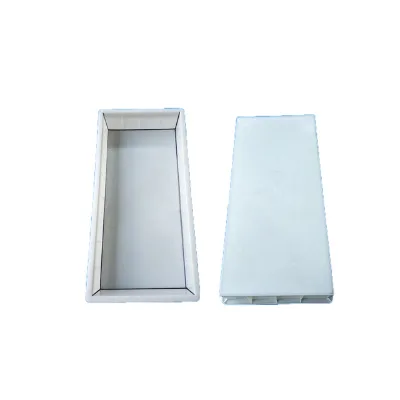
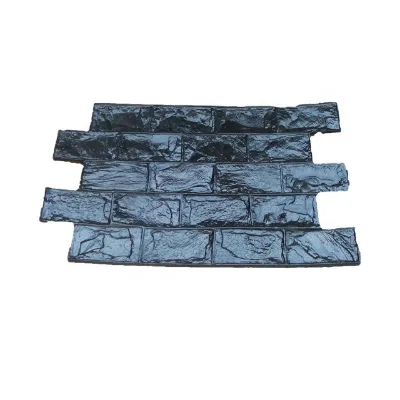
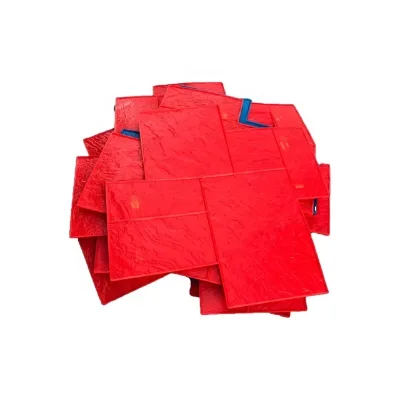


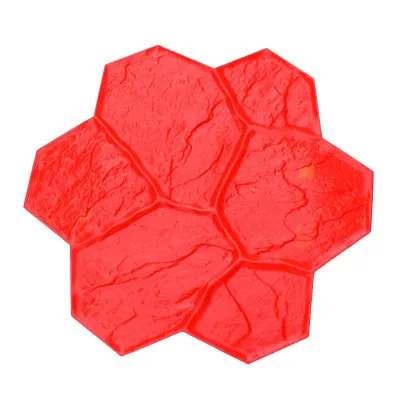
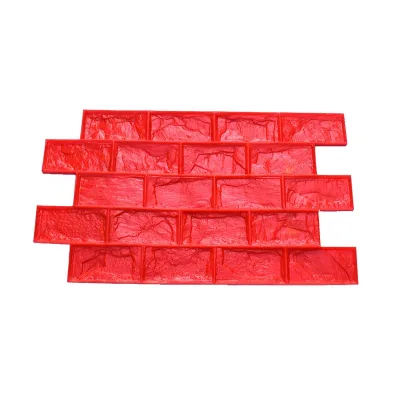

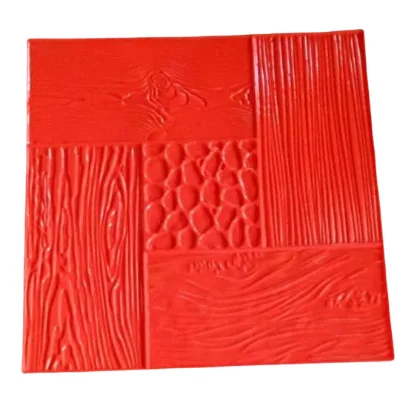
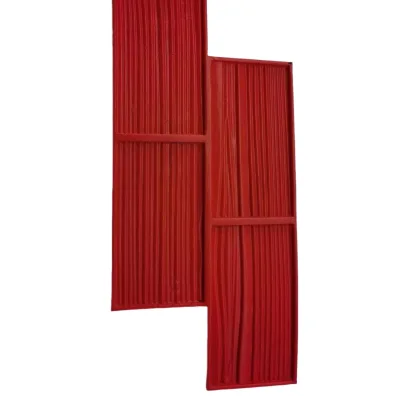
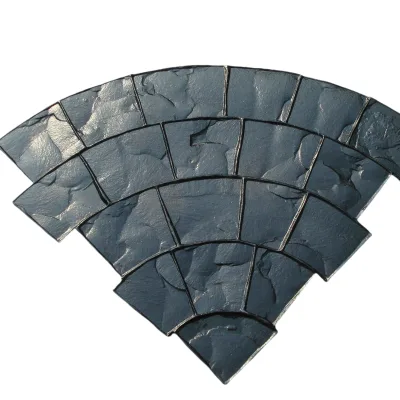
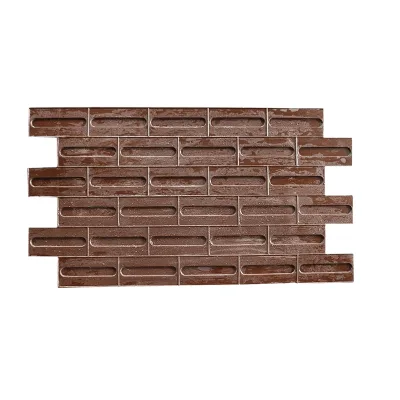
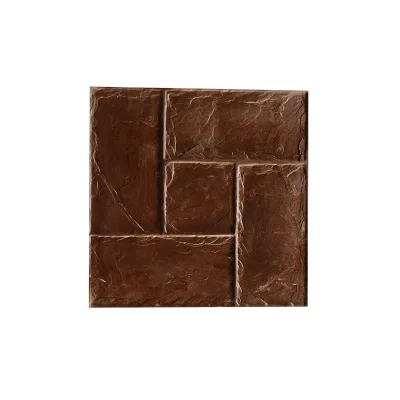
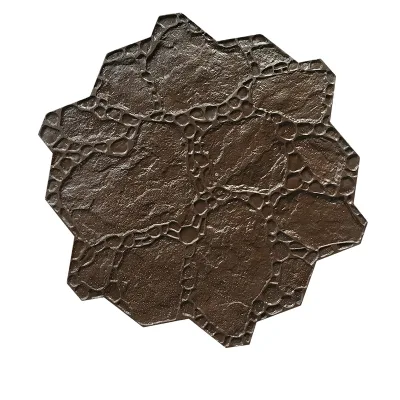
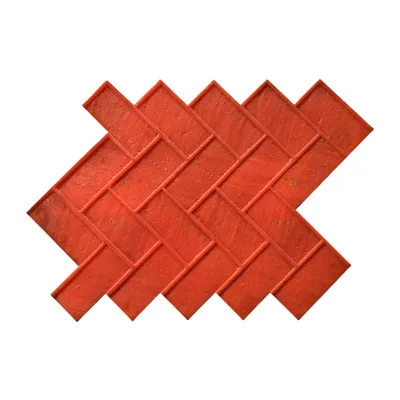
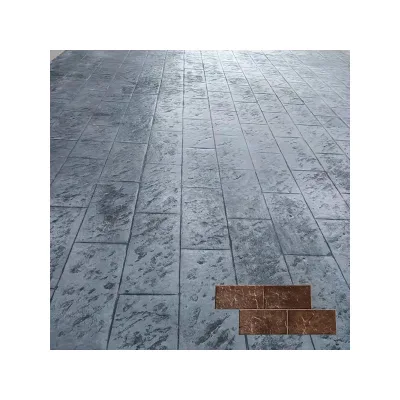
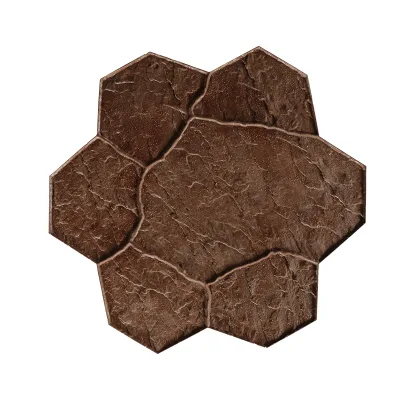
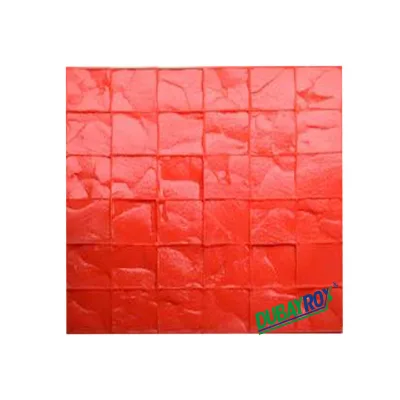
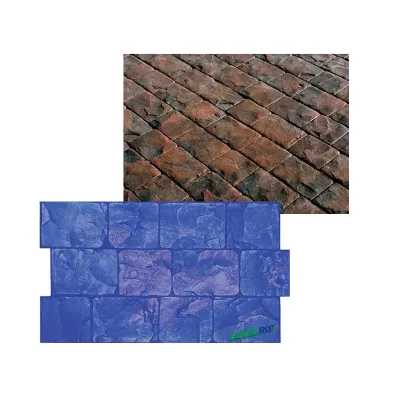
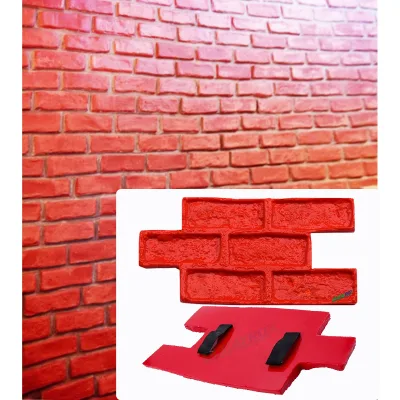
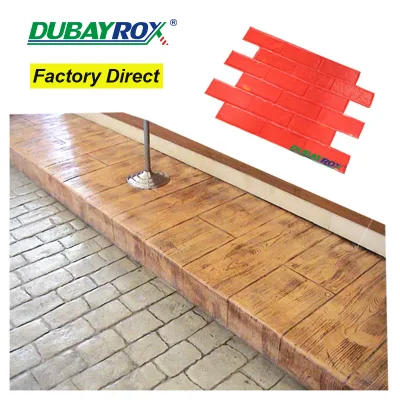
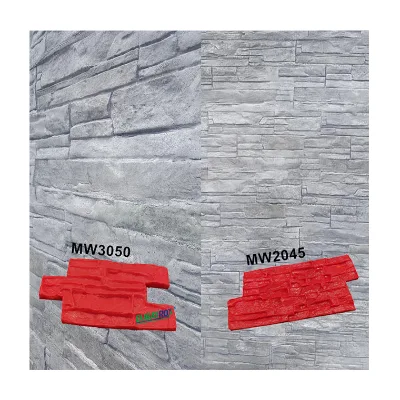
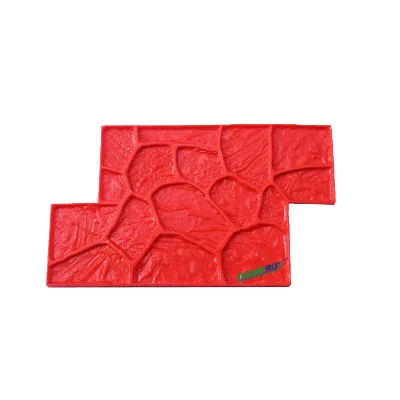
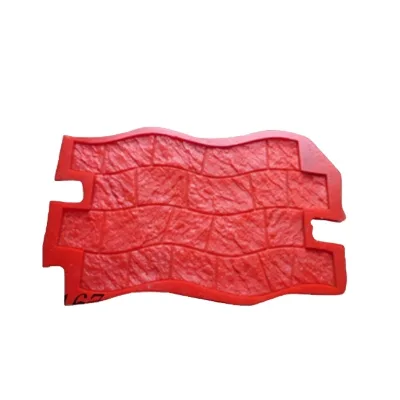
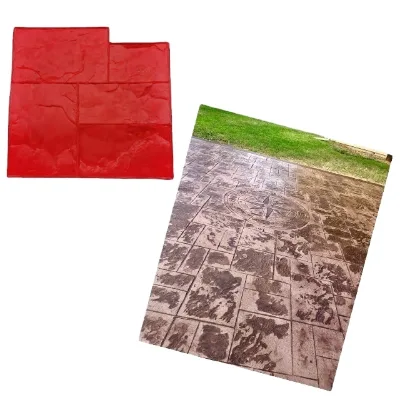

Comprehensive Sourcing Guide
Random Rock Concrete Stamp Mold Sourcing Guide
Sourcing random rock concrete stamp molds requires a careful balance between aesthetic fidelity and industrial durability. These specialized tools are designed to imprint natural stone textures onto wet concrete, creating decorative surfaces for driveways, patios, and walkways. Buyers must distinguish between standard geometric patterns and the irregular, organic shapes characteristic of random rock designs. The complexity of these molds often demands higher-quality materials to withstand the abrasive nature of concrete while maintaining sharp detail. Understanding the specific manufacturing processes and material compositions is essential for ensuring that the final product meets both visual and structural expectations.
The procurement landscape for these molds is dominated by suppliers in China, particularly in regions like Henan and Zhengzhou, which are known for their manufacturing capabilities in construction accessories. Buyers should be aware that product listings may vary significantly in terms of brand names, model numbers, and specific material compositions. While some suppliers offer polyurethane options, others may list plastic or rubber variants, each with distinct performance characteristics. It is crucial to verify the exact material properties and intended usage before placing an order, as the longevity and ease of use can differ substantially between product types.
Product Scope and Observed Listing Signals
The observed market for random rock concrete stamp molds reveals a diverse range of product attributes that buyers must navigate. Listings frequently highlight advantages such as durability and time delivery, which are critical for construction projects with tight schedules. The product names often include terms like "flag stone mold" or "concrete stamp molds," indicating the specific aesthetic outcome desired. Buyers should note that the observed price range spans from approximately $7.19 to $102.67, reflecting variations in size, complexity, and material quality. This wide range necessitates a thorough comparison of features rather than relying solely on price as an indicator of value.
Minimum order quantities (MOQ) observed in the market typically range from 1 to 100 pieces, offering flexibility for both small-scale contractors and large distributors. Some suppliers offer single-piece MOQs, which is beneficial for testing samples before committing to larger orders. The supply ability is often cited as 1000 pieces per week, suggesting that most suppliers have the capacity to handle moderate to large volumes. However, buyers should confirm lead times, which are sometimes listed as short as 3 days, to ensure alignment with project deadlines. Packaging details vary, with cartons and woven bags being common methods to protect the molds during transit.
Technical Specifications to Verify
Verifying technical specifications is paramount when sourcing random rock concrete stamp molds, as these factors directly impact the quality of the finished concrete surface. Buyers should pay close attention to the product material, which is often listed as polyurethane, plastic, or a combination of PU and rubber. The working temperature range, observed to be between -60°C and 200°C, indicates the mold's resilience in various environmental conditions. Additionally, the thickness of the molds, typically ranging from 20-25mm, contributes to their structural integrity and ability to withstand the pressure of concrete pouring. These specifications ensure that the molds can maintain their shape and detail over multiple uses.
The shaping mode and manufacturing processes are also critical technical aspects to verify. Listings may indicate plastic injection molding, die casting, or pressing forming, each offering different levels of precision and durability. The cavity configuration, often single-cavity, affects the production speed and the size of the stamped area. Buyers should also consider the surface treatment, such as polishing or painting, which can influence the release properties and the ease of cleaning. The model numbers, such as "bekebe" or "Lya Stamped Mold," serve as unique identifiers for specific designs, allowing buyers to reference exact patterns when communicating with suppliers.
Compliance and Safety Documentation
Compliance and safety documentation are essential components of the procurement process, ensuring that the molds meet regulatory standards and are safe for industrial use. Buyers should verify the certifications held by the supplier, which may include ISO, CE, RoHS, UL, FDA, and REACH. These certifications indicate that the materials and manufacturing processes adhere to international quality and safety standards. For instance, FDA and REACH compliance is particularly important if the molds come into contact with materials that could have indirect food safety implications or environmental impact. Buyers must request copies of these certificates to validate the supplier's claims.
In addition to certifications, buyers should inquire about the warranty periods offered by the supplier. Observed warranties range from 3 to 5 years, reflecting the supplier's confidence in the product's longevity. A longer warranty period can provide greater peace of mind and protection against defects. It is also advisable to check for any specific safety guidelines related to the handling and maintenance of the molds. Understanding the recommended working conditions and storage requirements can help extend the lifespan of the molds and prevent premature wear. Ensuring that all documentation is up-to-date and verifiable is a key step in mitigating procurement risks.
Cost Drivers and Commercial Terms
Understanding the cost drivers and commercial terms is crucial for effective budgeting and negotiation when sourcing random rock concrete stamp molds. The primary cost drivers include the material composition, complexity of the design, and the quantity ordered. Polyurethane molds, for example, may be more expensive than plastic ones due to their superior durability and flexibility. Customization options, such as specific sizes or unique patterns, can also increase the cost. Buyers should request detailed quotations that break down these costs to understand the value proposition of each supplier.
Commercial terms, including payment methods, shipping arrangements, and return policies, should be clearly defined in the purchase agreement. The port of dispatch, often listed as Shanghai, Tianjin, or Qingdao, can influence shipping costs and lead times. Buyers should consider the total landed cost, including freight, insurance, and customs duties, rather than just the unit price. Negotiating favorable terms, such as extended payment periods or bulk discounts, can improve cash flow and reduce overall procurement costs. It is also important to clarify the responsibilities for packaging and handling to ensure that the molds arrive in good condition.
Supplier Qualification and Quality Control
Supplier qualification and quality control are vital steps in ensuring that the sourced molds meet the required standards. Buyers should assess the supplier's manufacturing capabilities, including their production capacity and quality control processes. Suppliers with a strong track record in the industry are more likely to deliver consistent quality. It is advisable to request samples for evaluation before placing a large order. These samples allow buyers to test the molds in real-world conditions and verify their performance against the specified technical parameters.
Quality control measures should include inspections of the raw materials, in-process checks, and final product testing. Buyers should inquire about the supplier's defect rate and their procedures for handling non-conforming products. A robust quality control system minimizes the risk of receiving defective molds, which can lead to project delays and additional costs. Additionally, buyers should consider the supplier's customer service and after-sales support. Responsive communication and effective problem resolution are key indicators of a reliable supplier. Establishing a strong relationship with a qualified supplier can lead to better pricing and priority service in the future.
Long-Term Procurement Checks
Long-term procurement checks involve continuous monitoring and evaluation of the supplier's performance and the product's lifecycle. Buyers should establish key performance indicators (KPIs) to track metrics such as delivery times, product quality, and customer satisfaction. Regular audits of the supplier's facilities and processes can help identify potential issues before they escalate. Maintaining open communication with the supplier is essential for addressing any concerns and fostering a collaborative partnership. This proactive approach ensures that the procurement process remains efficient and effective over time.
It is also important to stay informed about industry trends and technological advancements in mold manufacturing. New materials or techniques may offer improved performance or cost savings. Buyers should periodically review their supplier base to ensure they are getting the best value for their money. Diversifying the supplier base can reduce dependency on a single source and mitigate supply chain risks. Finally, documenting lessons learned from each procurement cycle can help refine future sourcing strategies and improve overall procurement outcomes. Continuous improvement is key to maintaining a competitive edge in the market.
FAQs
What materials are used for random rock concrete stamp molds?
These molds are typically made from plastic, polyurethane, or rubber. The product specifications indicate materials like PU and rubber are common. This ensures durability and flexibility for concrete stamping applications in construction projects.
How long does the delivery take for these molds?
The delivery time is generally three days for standard orders. This fast turnaround supports urgent construction needs. Buyers should confirm specific lead times with suppliers as production schedules may vary based on order volume and customization requirements.
Which certifications do these concrete stamp molds hold?
Products often carry certifications such as ISO, CE, RoHs, UL, FDA, and REACH. These standards ensure safety and quality compliance for international markets. Buyers should verify specific certification documents with the manufacturer before placing large orders.
Can I customize the size of the random rock mold?
Yes, customization is available for these molds to meet specific project needs. Suppliers accept customer sizes and offer tailored solutions. This flexibility allows contractors to achieve unique stone patterns while maintaining structural integrity during the concrete pouring process.
What is the minimum order quantity for these molds?
The minimum order quantity can be as low as one piece for single items. Some suppliers may require higher volumes for bulk pricing. Buyers should check specific supplier terms as MOQs vary depending on the product model and material selection.
Where are these concrete stamp molds manufactured?
These molds are manufactured in China, specifically in regions like Henan and Zhengzhou. The place of origin is clearly stated in product details. Buyers can expect efficient logistics from major ports like Shanghai, Tianjin, or Qingdao for international shipping.
How long is the warranty period for these molds?
Warranty periods typically range from three to five years depending on the product model. This coverage protects against manufacturing defects under normal usage conditions. Buyers should review the specific warranty terms provided by the supplier to understand coverage limits.