Plastic Ceiling Extrusion Baluster Mold Suppliers and Manufacturers
Source 13 verified suppliers for Plastic Ceiling Extrusion Baluster Mold solutions. Compare key dimensions including lead times, MOQs, response speeds, and ISO 9001 certifications to identify the right manufacturing partner. Review detailed product specifications and pricing to streamline your procurement process.
Updated
Suppliers List

Nantong Bogda Machinery Technology Co., Ltd.
- Manufacturer/Factory
- China Jiangsu
- Lead time45 days
- Avg. response≤ 12h
Main productsPlastic Board Extrusion Line, Plastic Sheet Extrusion Line, Plastic Profiles Extrusion Line, Plastic Film Extrusion Line, Plastic Pipe Extrusion Line, Plastic Pelletizing Line, Plastic Extrusion Mould, Automatic Weighing Dosing Mixing Loading System, Plastic Crusher for Extrusion Line, Plastic Pulverizer for Extrusion Line
Main marketsSouth America,Eastern Europe,Mid East,North America,Southeast Asia,Eastern Asia,Oceania,Western Europe,Africa


Bogda Plastic Hollow Ceiling Panel Extrusion Die PVC Wall Panel Extrusion Mould
$2500.00 - $3500.00
MOQ: 1 Sets

Foshan Inspiration Decoration Material Co., Ltd.
- Manufacturer, Trading Company
- Lead time旺季: "1 - 10":25,"> 10":"To be negotiated", 淡季: "1 - 10":25,"> 10":"To be negotiated"
- Avg. response≤ 5h
Main productsGRC/UHPC Landscape Bench, Landscape Planters, Fiberglass Sculpture, Artificial Sandstone Sculpture, Architectural Ornament
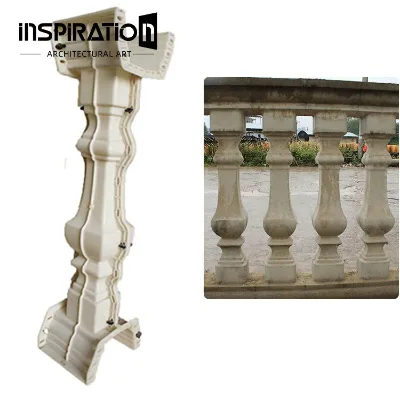
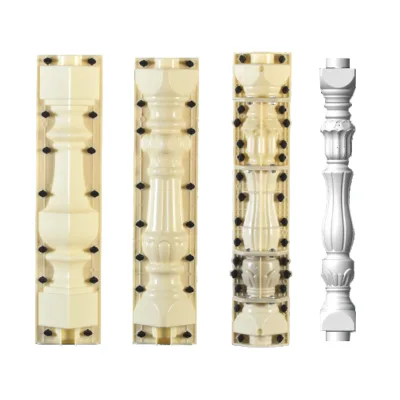
INSpiraiton Precast Plastic Balusters Railings Mold for Outdoor School Garden Decoration
$52.051 - $72.8717
MOQ: 10 pieces
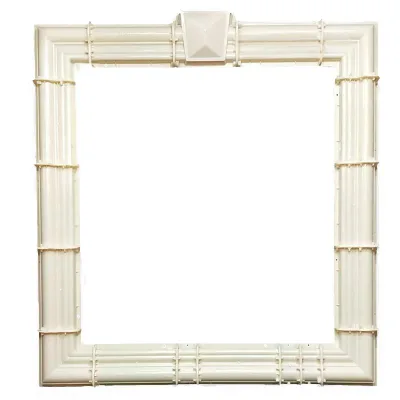
$15.6152 - $26.0263
MOQ: 10 pieces
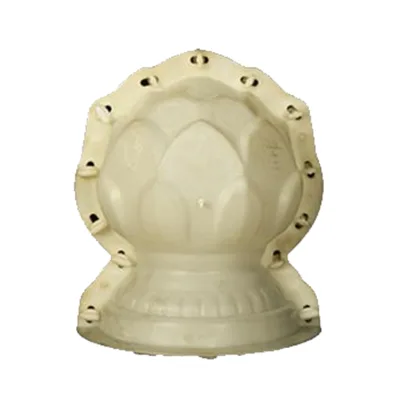
High Quality ABS Plastic Baluster Concrete Lotus Molds for Balstrade Design
$15.6152 - $26.0263
MOQ: 10 pieces
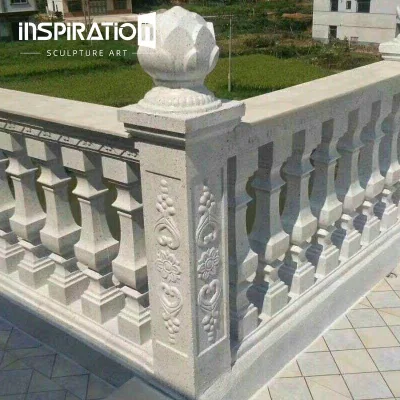
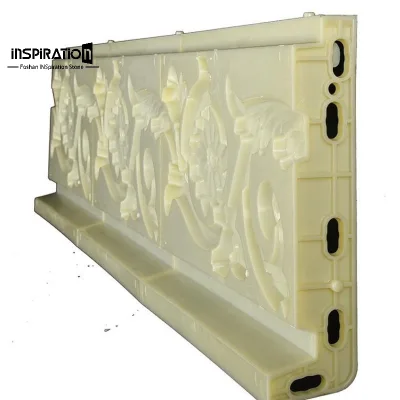
$102.7433 - $123.2929
MOQ: 10 pieces
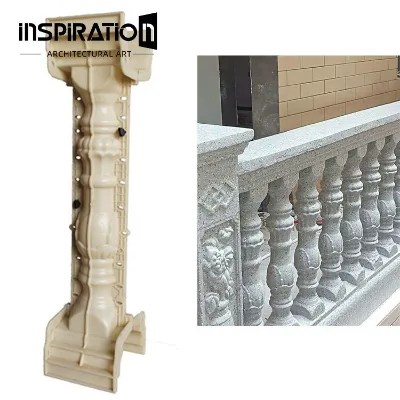
New Design Concrete Precast Plastic Baluster Concrete Mold Roadside Riverside Lawn Fence
$52.051 - $72.8717
MOQ: 10 pieces

Qingdao Changyue Plastic Machinery Co., Ltd.
- Verified by TUVRHEINLAND
- Combined
- China Shandong
- Lead time30 days
- Avg. response≤ 12h
Main productsPlastic Extruder Machine, HDPE Pipe Production Line, PVC Pipe Production Line, HDPE PP ABS PS Sheet Production Line, UPVC Window Profile Line, WPC Foam Board Production Line, PS ABS HIPS Sheet Production Line, PPR Pipe Production Line, PMMA / PS Board Making Machine, Geo Strap Production Line
Main marketsSouth America,Africa,Southeast Asia/ Mideast
Huangshi Jinghua Plastic Mould Company Limited
- Manufacturer, Trading Company
- Hubei, China
- Lead time25 days
- Avg. response≤ 1h
Main productsPVC Extrusion Mould,PVC Extrusion Die,WPC Extrusion Mould,Plastic Extrusion Mould,Plastic Extrusion Die
Main marketsDomestic Market(35.00%), Mid East(20.00%), Eastern Asia(10.00%), Africa(10.00%), Southeast Asia(10.00%), South America(5.00%), South Asia(5.00%), Eastern Europe(5.00%)
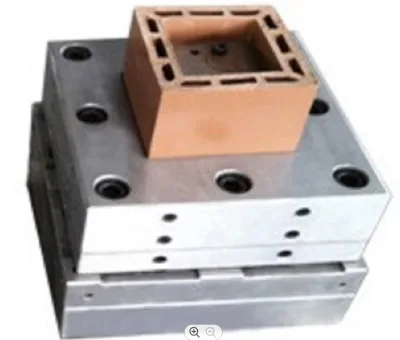
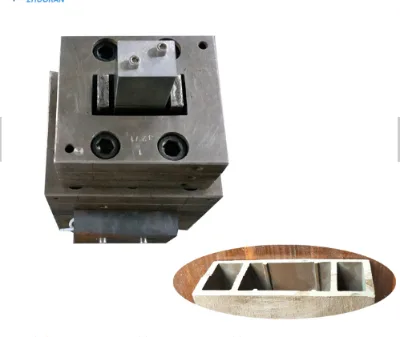
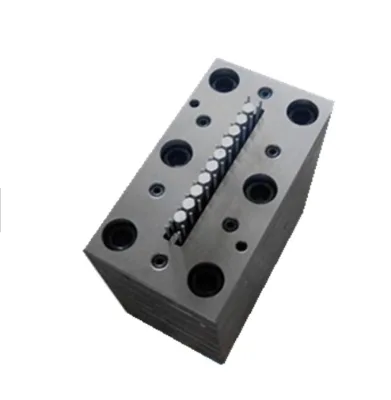
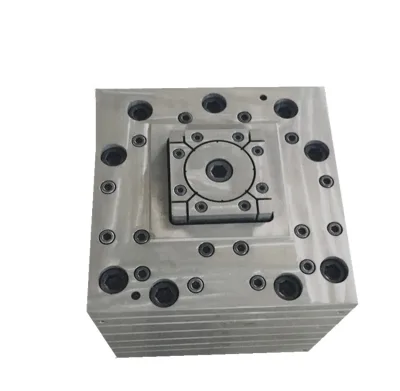
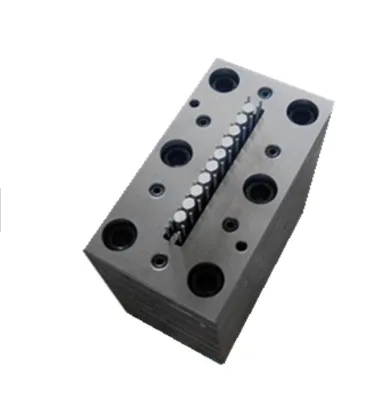
WPC Decorative Baluster Column Mould Making Hunagshi City Plastic Moulds/decking Die
$2056.2746
MOQ: 1 Minimum

- Verified by TUVRHEINLAND
- Manufacturer/Factory
- China Jiangxi
- Lead time0 days
- Avg. response≤ 6h
Main productsFiberglass Door, PVC Moulding, PVC Trim, PVC Extrusion Mould, Door Jamb Kits, Door Components, Door Frame, Steel Door, Metal Door, GRP Door
Main marketsEastern Europe,Mid East,North America,Southeast Asia,Western Europe
Dongguan Tongsheng Metal Technology Co., Ltd.
- Verified by TüVRheinland
- Trading Company
- Lead time10 days
- Avg. response≤ 2h
Main productsInjection Molds, Stamping Dies, Injection Molding Parts, Stamping Parts, Rapid Prototyped Parts
Main marketsNorth America(60%), South America(10%), Western Europe(10%)
- Verified by Intertek
- Manufacturer, Trading Company
- Lead time7 days
- Avg. response≤ 2h
Main productsMoulds, Mixing Machine, Vibration Forming Machine
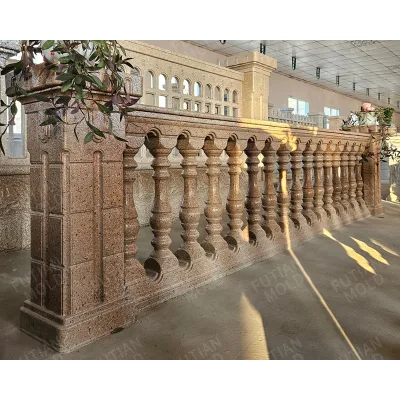
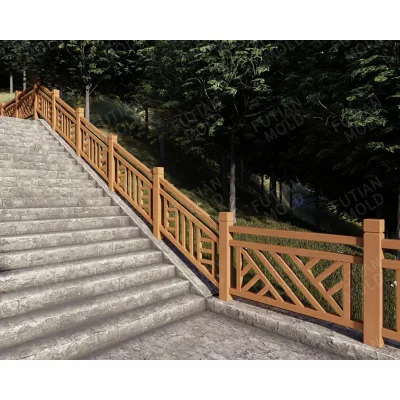
$18.3939 - $25.5469
MOQ: 1 pieces
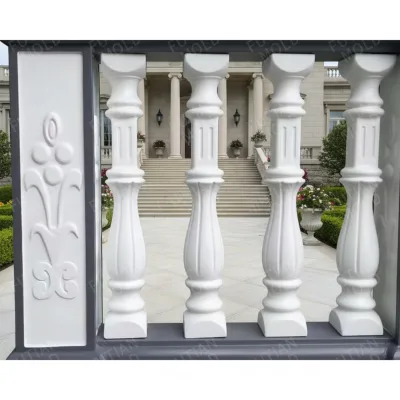
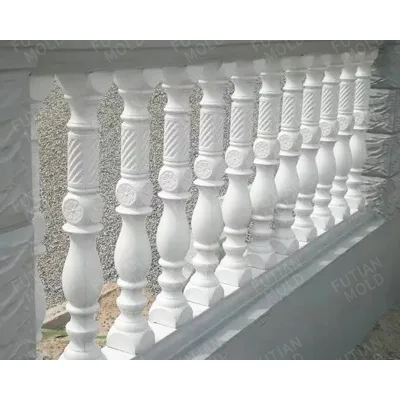
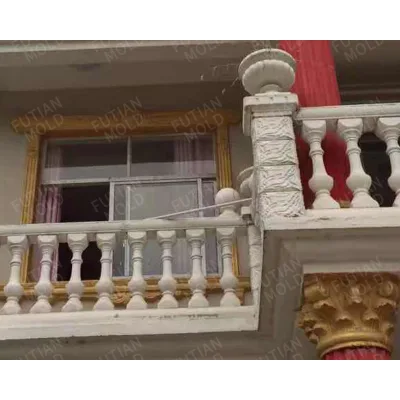
$18.3939 - $25.5469
MOQ: 1 pieces
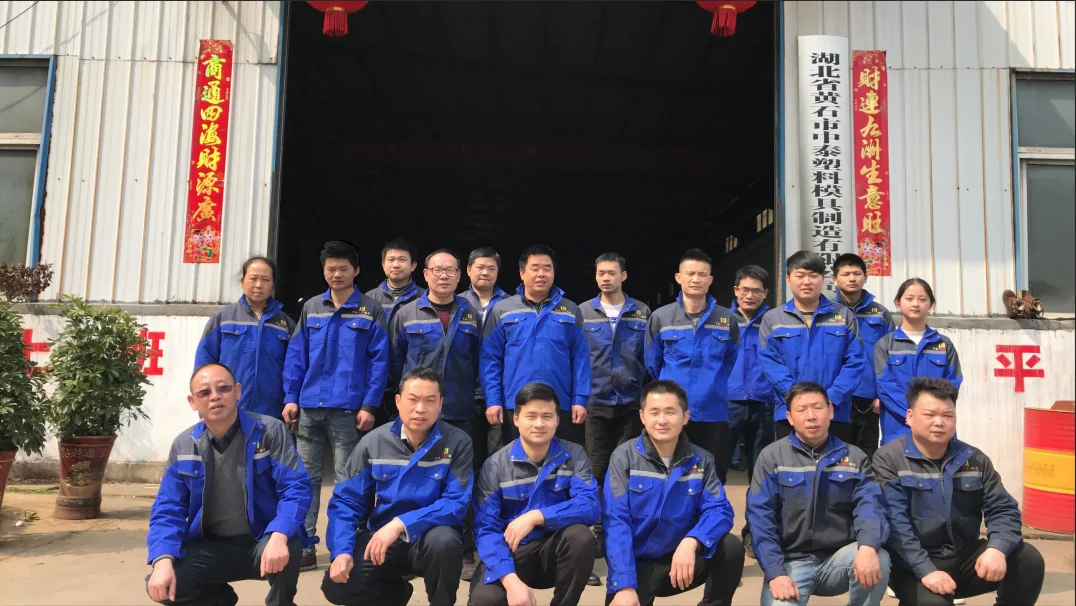
Hubei Huangshi Zhongtai Plastic Mould Manufacturing Co., Ltd.
- Manufacturer, Trading Company
- Hubei, China
- Lead time30 days
- Avg. response≤ 3h
Main productsWPC extrusion mould,WPC profile mould,Wall panels mould,Plastic door and wall moulding,PVC wall and window mould
Main marketsSoutheast Asia(60.00%), South Asia(15.00%), North America(10.00%), Mid East(10.00%), Central America(5.00%)
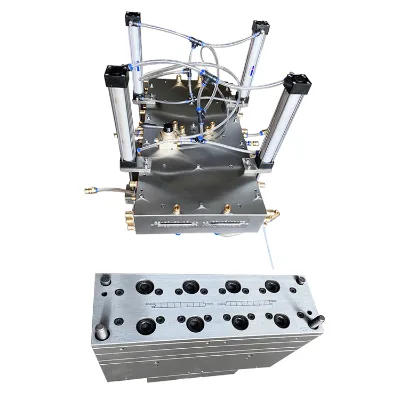
$1036.6759 - $1555.0139
MOQ: 1 sets
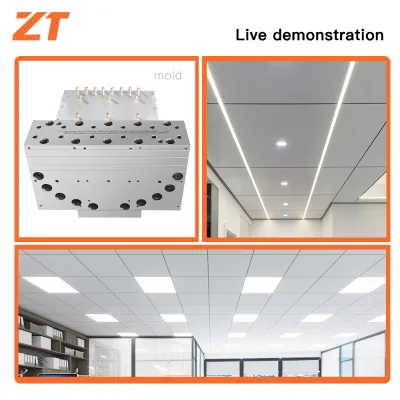
$2169.5324 - $2272.8435
MOQ: 1 sets
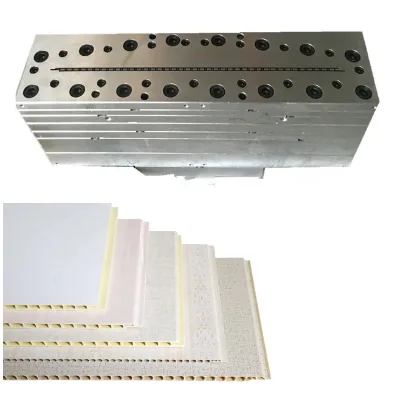
$1024.617 - $1536.9255
MOQ: 1 sets
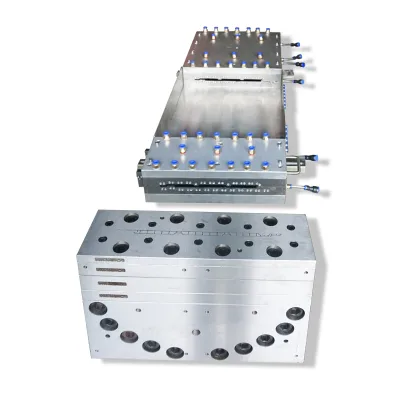
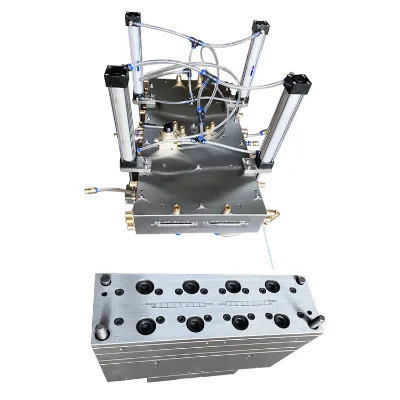
Yunnan Good Reputation Products Industry And Trade Co., Ltd.
- Manufacturer, Trading Company
- Yunnan, China
- Lead time7 days
- Avg. response≤ 1h
Main productsConcrete Molds Mould,High Precision Moulds,Abs Injection Mould,resin molds,plastic mold
Main marketsNorth America(30.00%), Africa(10.00%), Mid East(10.00%), Southeast Asia(9.00%), South Asia(8.00%), Western Europe(8.00%), Eastern Asia(8.00%), Eastern Europe(8.00%), Domestic Market(6.00%), Northern Europe(2.00%), Southern Europe(1.00%)
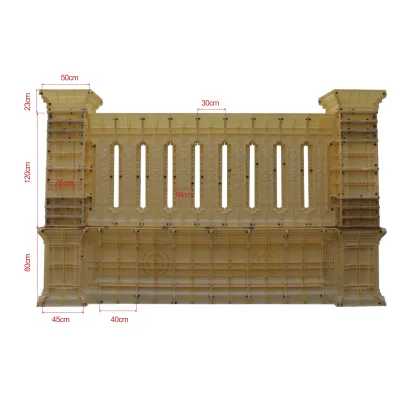
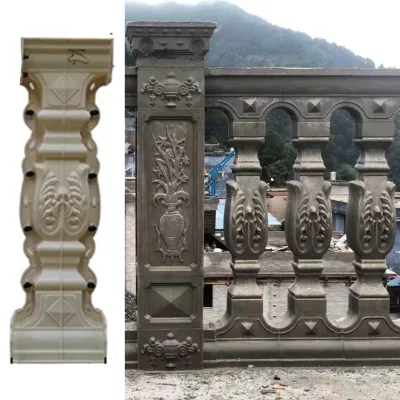
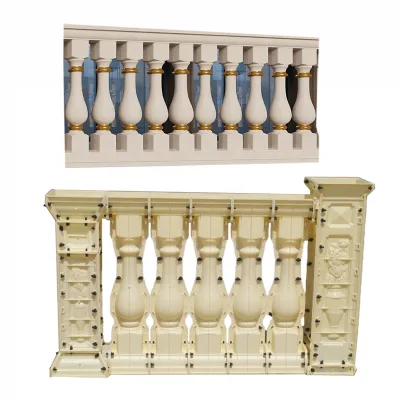
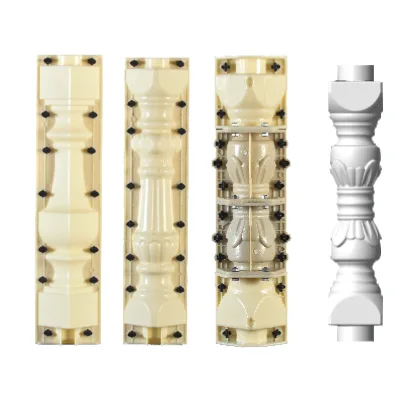
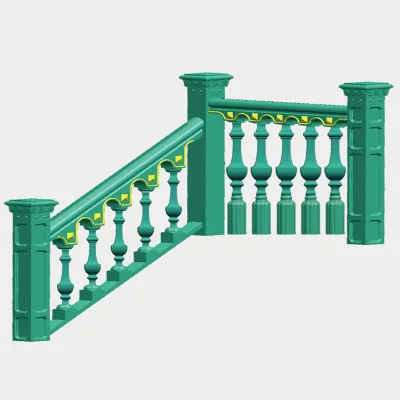
$15.3905 - $70.797
MOQ: 1 Minimum

- Verified by TUVRHEINLAND
- Combined
- China Guangdong
- Lead time30 days
- Avg. response≤ 13h
Main productsPVC Sheet, PVC Foam Board, High Pressure Laminate Sheet, Plastic Sheet, PVC Plastic Sheet, Building Material, Construction and Decoration Material, PVC Ceiling Panel, Waterproof Trim, Recycled Plastic Sheet
Main marketsDomestic,Australia,North America

White Waterproof Plastic Acrylic Vinyl Building Material Versatex Baluster Mould Profile
$1700.00 - $2100.00
MOQ: 10 Tons


Good Quality PVC Trim Moulding Exterior Decoration PVC Baluster Mould
$1700.00 - $2100.00
MOQ: 10 Tons
Henan bekebe Building Materials Co., Ltd
- Trading Company
- Henan, China
- Lead time7 days
- Avg. response≤ 4h
Main productsAll kinds of Construction decoration molds,plastic paver mold,Pu wall panel foaming molds,Flexible tile manufacture line,Construction equipment
Main marketsAfrica(59.00%), Mid East(10.00%), Southeast Asia(10.00%), Central America(5.00%), Western Europe(5.00%), Southern Europe(3.00%), South Asia(2.00%), Eastern Europe(2.00%), Eastern Asia(1.00%), Oceania(1.00%), North America(1.00%), South America(1.00%)

Chengdu Donglu Shunhe Trading Co., Ltd.
- Trading Company
- China Sichuan
- Lead time0 days
- Avg. response≤ 1h
Main productsScaffolding Formwork Roman Columns Steel Supp
Taizhou Linhui Industry And Trade Co., Ltd.
- Manufacturer, Trading Company
- Zhejiang, China
- Lead time10 days
- Avg. response≤ 1h
Main productsconcrete columns mold,molds for concrete walls,concrete fence mold,molds for concrete statues,concrete flower pot molds
Main marketsNorth America(17.00%), Africa(10.00%), Mid East(10.00%), South America(10.00%), Northern Europe(8.00%), Southern Europe(7.00%), Eastern Europe(7.00%), Western Europe(7.00%), Eastern Asia(5.00%), South Asia(5.00%), Central America(5.00%), Domestic Market(5.00%), Southeast Asia(3.00%), Oceania(1.00%)




Comprehensive Sourcing Guide
Plastic Ceiling Extrusion Baluster Mold Supplier Concentration and Factory Types
When searching for a Plastic Ceiling Extrusion Baluster Mold, buyers will encounter two distinct supplier profiles. The first profile is the extrusion mould manufacturer: these are factories that build steel extrusion dies and moulds for producing PVC ceiling panels, wall panels, and profile products. In the current results, one such manufacturer is located in Jiangsu, China, and lists main products spanning plastic board, sheet, profile, film, and pipe extrusion lines, plus extrusion moulds and auxiliary systems such as weighing, dosing, mixing, and loading equipment. This kind of factory is typically certified under ISO 9001 and operates as a manufacturer/factory rather than a trading intermediary, which matters when you need engineering changes made to a die.
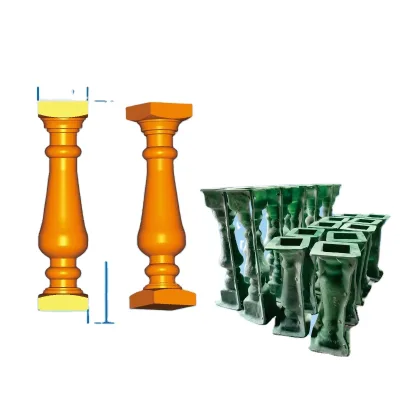
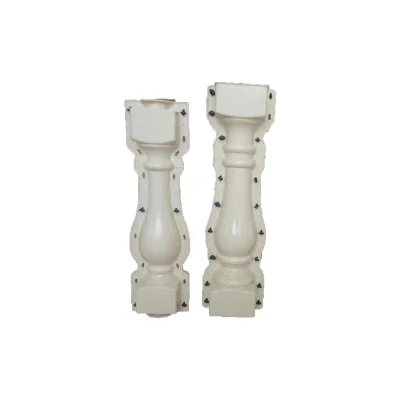
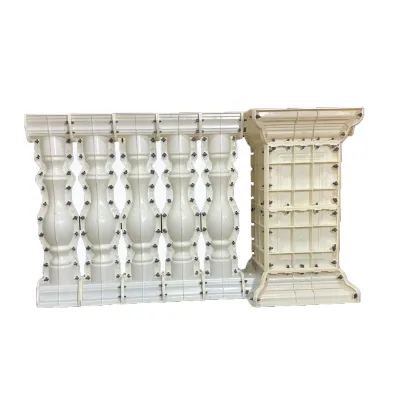
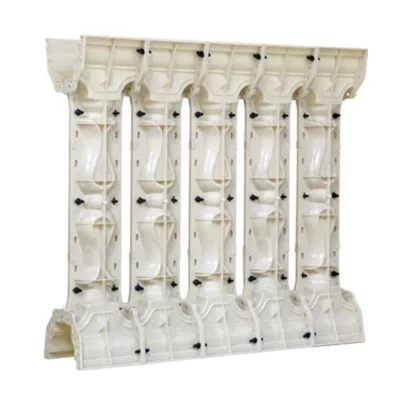
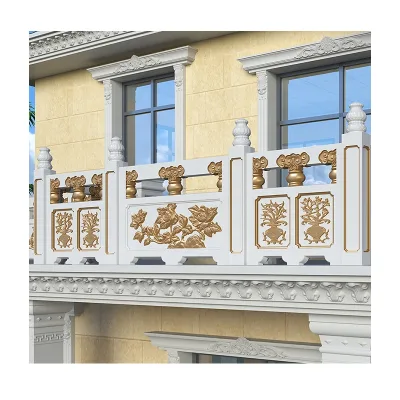
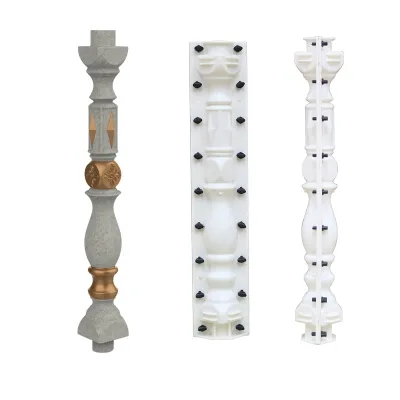
The second profile is the decorative mold maker: companies producing plastic (often ABS) concrete molds for balusters, railings, pillars, and window trim. In the results, this type is concentrated in Guangdong, China, and typically operates as a combined manufacturer and trading company, supplying flower pots, planters, sculpture, and landscape ornament products alongside baluster molds. Buyers should be clear about which category they need before comparing offers, because an extrusion die for continuous PVC ceiling profile production and a cast-concrete baluster mold are engineered very differently. If your keyword search returns mixed categories, use the supplier's main-products list and product category path to filter out irrelevant concrete-craft molds before shortlisting.
How to Verify Plastic Ceiling Extrusion Baluster Mold Suppliers
Verification should begin with company type and location, both of which are displayed in supplier results and can be cross-checked. A supplier labeled Manufacturer/Factory, such as the Jiangsu extrusion equipment maker in these results, can be asked for factory evidence: photos or video of its machining centers, the steel used in die bodies, and example profiles run from its moulds. Note whether the supplier states brand and OEM/ODM capability; one result shows an own brand plus OEM and ODM options, which indicates a willingness to build custom tooling rather than only selling standard dies. Always confirm that a certification claim, such as the displayed ISO 9001, is supported by a certificate copy with a valid scope and expiry date before you rely on it.
Second, verify the product listing details against your requirements. For extrusion moulds, the displayed attributes are highly specific: steel material, flat die type, high-pressure nose, profile molding application, group-control multi-mode outlet, Siemens control system and contactor, ABB inverter, Omron temperature control, 380V or customized voltage, and 600mm width for one listed PVC ceiling panel mould. Ask the supplier to confirm each attribute in writing for your specific profile drawing. For plastic baluster molds from the Guangdong results, check the stated material (ABS plastic with PE coating in one listing), model number, warranty (one year in one listing), and after-sale service terms. Suppliers whose listings omit key specifications should be treated as requiring deeper due diligence, not as disqualified.
What to Compare Across Plastic Ceiling Extrusion Baluster Mold Suppliers
Build a comparison sheet using the attributes that supplier results actually display, and record blanks as "unknown" rather than assuming a value. Useful dimensions include: location (for example, Jiangsu versus Guangdong origins appear in current results), company type, main products, response time (one extrusion mould maker shows an average of about 11.63 hours; one Guangdong mold supplier shows about 5 hours), and lead time. Lead times differ sharply between the two profiles in the current data: the extrusion mould manufacturer lists 45 days, while the Guangdong baluster mold supplier shows 25 days for 1–10 units in both peak and off-season, with longer volumes to be negotiated, and a specific listing quoting 5–10 days delivery. That spread alone can decide your project timeline.
Also compare MOQ and price where displayed. One extrusion die lists an MOQ of 1 with a price range of roughly 2,500 to 3,500, which is typical of engineered tooling priced per die. One ABS baluster mold line lists an MOQ of 10 pieces with unit prices from about 52 to 73 for baluster railings molds and roughly 15.6 to 26 for cement window trim molding. Verify whether prices cover customization, because one listing states customization is available while others advertise customized ABS designs. Finally, compare project-support capability: graphic design, 3D model design, and total solution services appear in one Guangdong listing, and such services may matter more to you than a small unit-price difference.
Common Plastic Ceiling Extrusion Baluster Mold Sourcing Risks
The biggest risk is category confusion. A buyer searching "Plastic Ceiling Extrusion Baluster Mold" can be quoted for the wrong product entirely: a cast-plastic concrete baluster mold priced in the tens of dollars, or a PVC ceiling panel extrusion die priced in the thousands. These are not substitutes. If your production process is continuous extrusion of PVC profiles, ordering an ABS casting mold will be unusable, and vice versa. Guard against this by requiring the supplier to restate your product, process, and output profile in their own words, and by checking that the quoted item's category path and product attributes match your process.
Second are engineering and component risks. For extrusion dies, listed specifications such as high-pressure nose design, steel grade, and the brands of control systems, inverters, and temperature controllers must be confirmed for your exact machine and profile; a die built for a different calibrator or line length, such as the 24x2.0x2.2m standard shown in one listing, may not integrate with your equipment. Voltage differences (380V or customized) can also cause commissioning failures. Third are commercial risks: displayed lead times of 25 to 45 days are quotes, not guarantees, and one supplier explicitly lists longer volumes as "to be negotiated." Seasonal peaks, shipping delays, and warranty scope (one listing shows a one-year warranty with online technical support) should all be contractually defined before payment rather than assumed from listing text.
Plastic Ceiling Extrusion Baluster Mold Regional Sourcing and Logistics
The current results point to two regions worth understanding: Jiangsu and Guangdong in China. Jiangsu appears in these results as the origin of an extrusion machinery and mould manufacturer, which makes sense for buyers whose need is a steel extrusion die for PVC ceiling or wall panel production, especially if they also want a matching extrusion line, crusher, or dosing and loading system from the same supply base. Guangdong appears as the origin of decorative ABS plastic concrete molds for balusters, railings, pillars, and trim, supplied by a manufacturer and trading company serving garden, villa, and landscape applications. Sourcing from the region that matches your process reduces engineering back-and-forth and misquoted products.
For logistics planning, pack-out and shipping details visible in listings should inform your freight budget. One extrusion mould listing describes packing as film plus plywood case and container packaging, and states a product standard footprint of 24x2.0x2.2m for the associated line, so a die or line can be heavy, bulky freight requiring sea shipment and possibly special handling. ABS baluster molds are comparatively light— one listing explicitly advertises light weight— making them cheaper to ship in volume. Where results do not state ports, freight terms, or export experience, ask each shortlisted supplier to quote CIF or FOB to your port with the packing method specified, and confirm who handles documentation for steel tooling and plastics respectively.
Plastic Ceiling Extrusion Baluster Mold Commercial Terms and Order Planning
Order planning should start from the displayed commercial facts and then close the gaps contractually. For extrusion dies, plan around the 45-day lead time shown by the Jiangsu manufacturer, an MOQ of 1 die, and a listed price band of about 2,500 to 3,500 per die; budget additional time for die trials, profile adjustments, and shipment in plywood cases. For ABS baluster molds, plan around an MOQ of 10 pieces, unit prices in the low tens to low seventies depending on design, and delivery quoted at 25 days for 1–10 units or 5–10 days per listing, with a one-year warranty and online technical support offered on one product. Quantities above 10 are marked to be negotiated, so request tiered quotes in writing.
On terms, do the following: confirm customization scope and any design fees before paying a deposit; verify the ISO 9001 claim with a certificate copy where it is relied upon; define acceptance criteria such as trial-run samples from the die or dimensional checks on molded balusters; and specify packing (film and plywood case for tooling) in the contract. Use staged payments tied to milestones rather than full prepayment, request escrow or trade-assurance-style protection where the platform offers it— noting that not every listing displays such coverage— and agree response-time expectations in the contract, since listed averages of roughly 5 to 12 hours reflect normal operation, not holiday periods or peak-season peaks.
Word count check: Each section contains approximately 225–235 words; total article approximately 1,380 words.
FAQs
What is the price range for plastic ceiling extrusion baluster molds?
Prices for these molds typically range from $15.62 to $3,500 depending on complexity and material. Basic ABS plastic baluster molds start around $15.62, while specialized PVC ceiling extrusion dies can cost up to $3,500. Buyers should verify specific pricing based on their required mold dimensions and customization needs.
What is the minimum order quantity for these molds?
Minimum order quantities vary by supplier and product type. Some manufacturers offer a minimum order of just one unit for plastic extrusion dies, while others require a minimum of ten pieces for concrete baluster molds. Buyers should confirm the specific MOQ with the supplier before placing an order to ensure it fits their budget.
How long does it take to manufacture these molds?
Lead times generally range from five to forty-five days depending on the supplier and order volume. Some manufacturers offer a standard lead time of forty-five days, while others may deliver concrete baluster molds in five to ten days during off-peak seasons. Buyers should negotiate specific delivery schedules based on their production timeline requirements.
Are these molds customizable for specific designs?
Yes, customization is widely available for both plastic extrusion dies and concrete baluster molds. Manufacturers offer OEM and ODM services, allowing buyers to specify unique profiles, dimensions, and design styles. Buyers can request custom molds for specific architectural requirements, ensuring the final product matches their exact design specifications and quality standards.
Where are these molds typically manufactured?
These molds are primarily manufactured in China, with key production hubs in Jiangsu and Guangdong provinces. Jiangsu suppliers often specialize in plastic extrusion lines and dies, while Guangdong manufacturers focus on concrete baluster molds and landscape products. Buyers can source high-quality molds from these regions, ensuring access to established manufacturing capabilities and supply chains.
What certifications do these mold manufacturers hold?
Many plastic extrusion mold manufacturers hold ISO 9001 certification, ensuring quality management standards are met. Buyers should verify specific certifications with individual suppliers, as not all manufacturers may display this credential prominently. ISO 9001 certification indicates a commitment to consistent quality and reliable production processes for both plastic and concrete molds.