Source Ground Finish Flange Alignment Pins for Molds, Flanges, and CNC
Compare 30 listings for Ground Finish Flange Alignment Pins with hardness up to HRC 55 and tolerances of ±0.01mm. Buyers can evaluate materials like 45# steel and aluminum, lead times, and customization options for vehicle molds and flange applications.
Updated
Key considerations
Products List
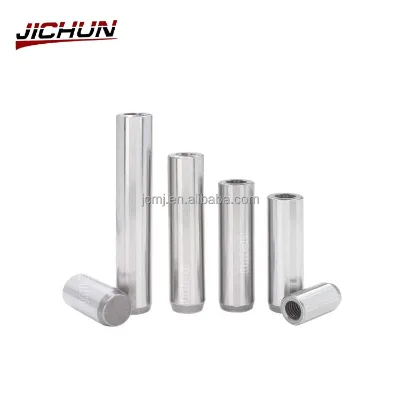


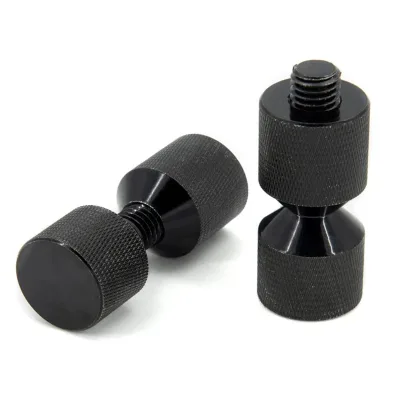
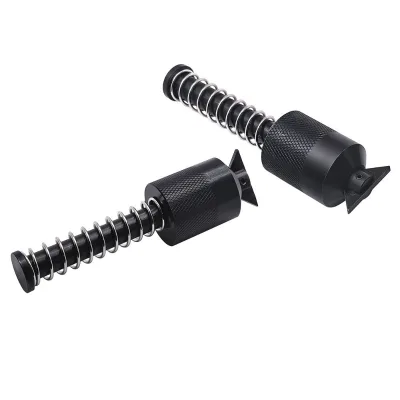
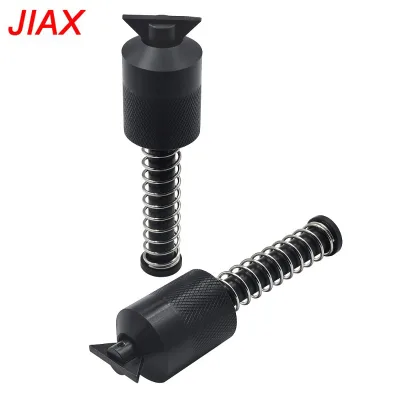
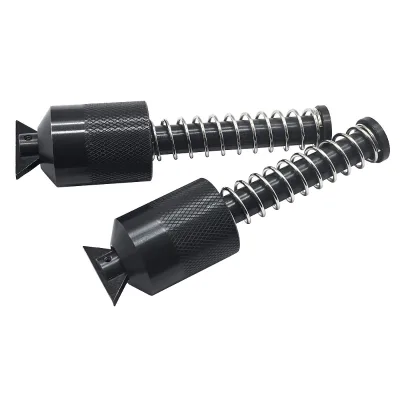


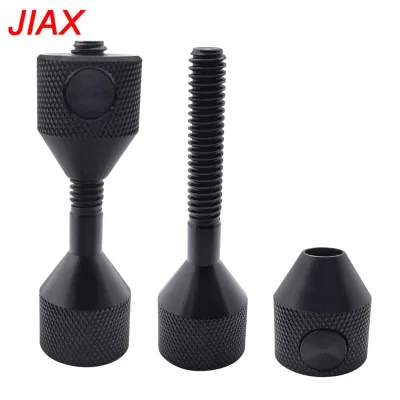
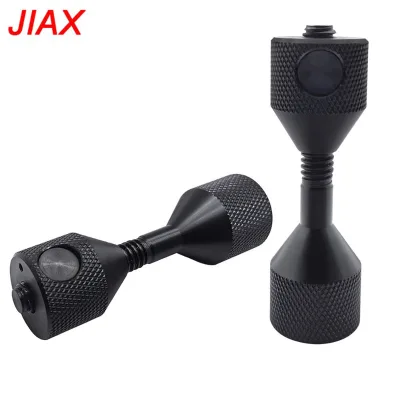
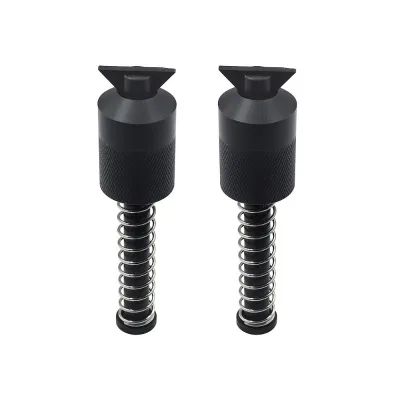
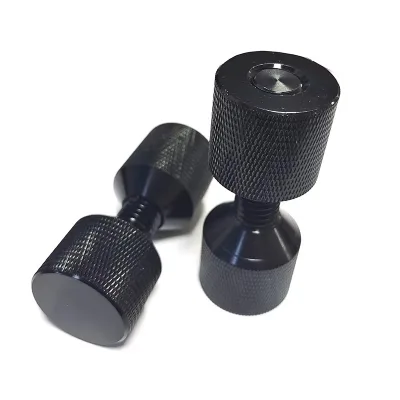
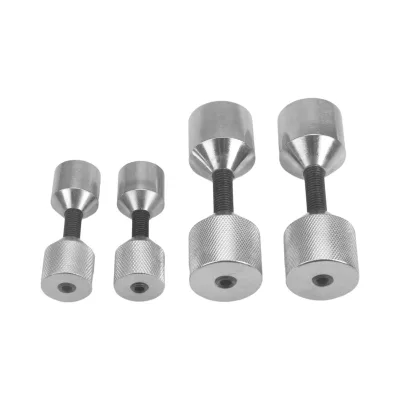
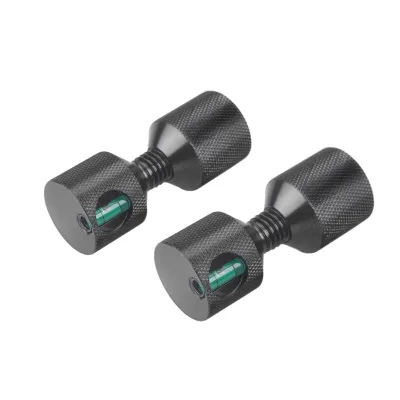
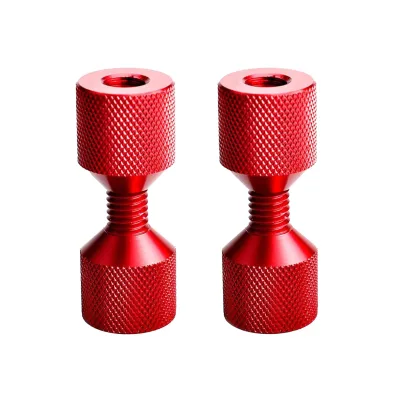
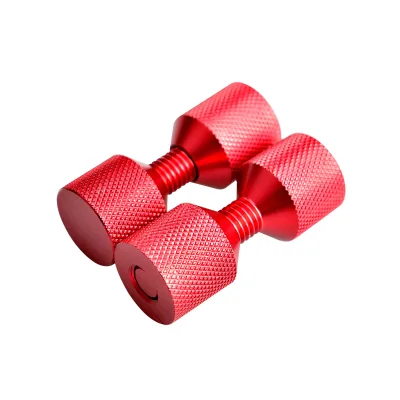

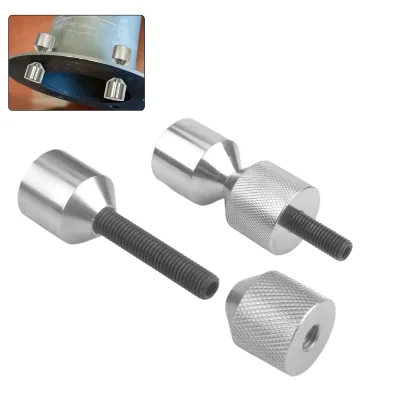
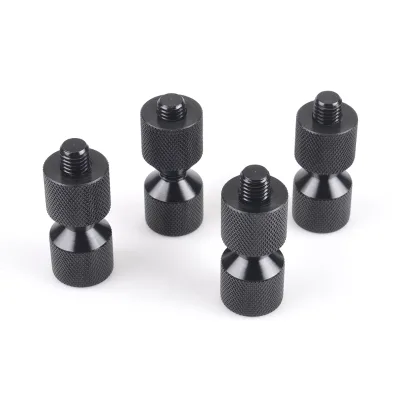
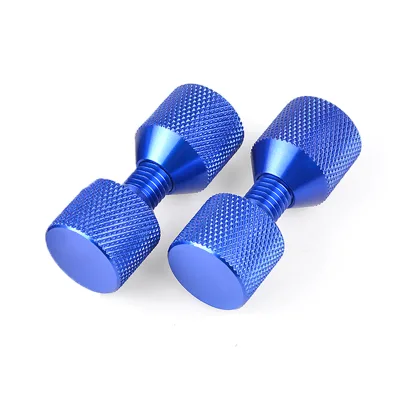
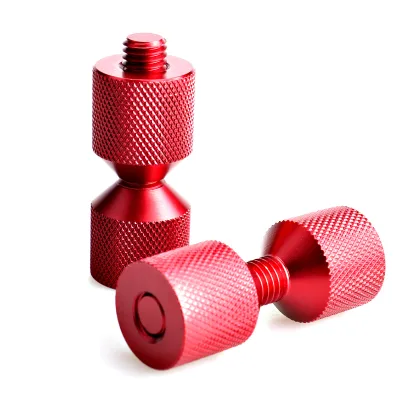
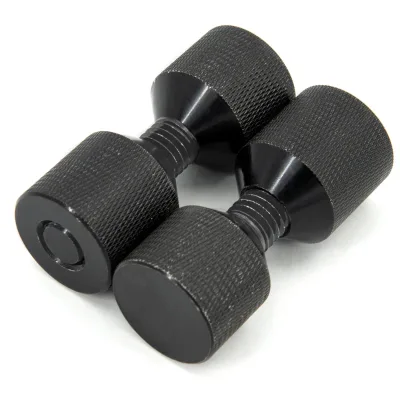
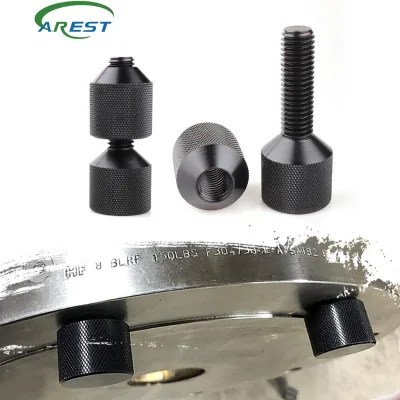
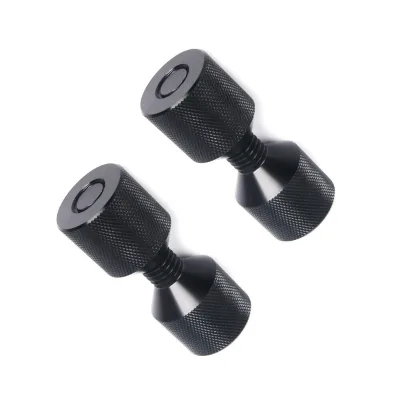
Premium Stainless Steel Threaded Alignment Pin for Precision Engineering
$0.01 - $0.02
MOQ: 10000 Pieces

Comprehensive Sourcing Guide
Ground Finish Flange Alignment Pins Sourcing Guide
Procuring Ground Finish Flange Alignment Pins requires a disciplined approach to verifying dimensional accuracy and surface integrity, as these components are critical for ensuring precise assembly in heavy-duty applications. Buyers must prioritize suppliers who demonstrate consistent control over tolerance levels, typically observing specifications around ±0.01mm to guarantee proper fitment. The ground finish, often specified with a Ra value of 0.4μm, is not merely aesthetic but functional, reducing friction and wear during the alignment process. This level of surface quality ensures that the pins slide smoothly into flange holes without binding, which is essential for maintaining operational efficiency in high-volume manufacturing environments.
The material composition of these pins significantly influences their durability and performance under stress. Observed listings frequently cite 45# Steel with a hardness range of HRC 50-55, indicating a robust construction capable of withstanding repeated mechanical loading. However, some suppliers may offer aluminum variants, which present different trade-offs in terms of weight and corrosion resistance. Procurement teams should carefully evaluate the specific operational demands of their assembly lines to determine whether the higher hardness of steel or the lighter weight of aluminum better suits their production needs, ensuring that the selected material aligns with the expected service life and environmental conditions.
Product Scope and Observed Listing Signals
The market for flange alignment pins presents a diverse range of product configurations, with observed listings highlighting specific features such as CNC precision machining and driveless system designs. These attributes suggest a focus on automated or semi-automated assembly processes where repeatability and ease of operation are paramount. Buyers should note that products are often marketed with features like easy portability and simple operation, which can reduce training time for assembly line workers. The availability of customization options further indicates that suppliers are willing to adapt standard designs to meet unique client requirements, allowing for tailored solutions that address specific flange thicknesses or hole patterns.
Listing signals also reveal variations in packaging and shipping methods, which can impact logistics planning and inventory management. Common packaging includes carton boxes, poly bags, and small boxes with labels, reflecting a need for protection during transit while facilitating easy identification. Shipping options typically encompass sea, air, and express delivery, providing flexibility for buyers with varying urgency levels. Understanding these logistical details is crucial for calculating total landed costs and ensuring that supply chain disruptions do not hinder production schedules. Buyers should verify the specific packaging dimensions and weights to optimize storage space and freight charges.
Technical Specifications to Verify
Dimensional accuracy is the most critical technical specification for flange alignment pins, with observed data indicating tolerances as tight as ±0.01mm. Buyers must verify that the supplier can consistently maintain these tolerances across large production runs, as even minor deviations can lead to assembly failures or increased wear on mating components. The hardness of the pins, often cited as HRC 50-55 for steel variants, is another key parameter that affects durability. It is essential to confirm that the hardness is uniform throughout the pin to prevent premature deformation or breakage under load. Suppliers should provide evidence of their heat treatment processes to ensure that the specified hardness is achieved and maintained.
Surface finish and thread coverage are additional technical aspects that require careful verification. The ground finish, with a Ra value of 0.4μm, is designed to minimize friction and ensure smooth operation. Buyers should request samples to visually and tactilely inspect the surface quality, checking for any burrs or irregularities that could compromise performance. Additionally, the thread coverage, which may be unthreaded in some designs, must match the requirements of the flange system. Misalignment in thread specifications can lead to improper engagement and potential safety hazards. Clear communication of these technical details with suppliers is vital to avoid costly rework or delays.
Compliance and Safety Documentation
While specific certification standards such as DIN 6325 or ISO 8734 are mentioned in background contexts, buyers should not assume that all listed products automatically comply with these standards without explicit verification. It is crucial to request current certification documents from suppliers to confirm that their manufacturing processes and product quality meet the relevant industry regulations. Compliance with these standards ensures that the alignment pins are suitable for use in regulated industries, such as automotive or heavy machinery, where safety and reliability are non-negotiable. Buyers should also inquire about any internal quality control measures that supplement external certifications, as these can provide additional assurance of product consistency.
Safety documentation should also include material safety data sheets (MSDS) and any relevant testing reports that demonstrate the pins' performance under stress. These documents can provide valuable insights into the pins' resistance to corrosion, fatigue, and other environmental factors. Buyers should ensure that the supplier provides comprehensive documentation that covers all aspects of the product's lifecycle, from manufacturing to disposal. This proactive approach to compliance and safety not only mitigates legal risks but also enhances the overall reliability of the supply chain. Regular audits of supplier documentation can help maintain high standards and ensure ongoing compliance.
Cost Drivers and Commercial Terms
The cost of flange alignment pins is influenced by several factors, including material choice, manufacturing complexity, and order volume. Observed price ranges vary significantly, with some listings indicating prices as low as $0.01 and others reaching up to $66, reflecting the diversity in product specifications and quality levels. Buyers should consider the total cost of ownership, which includes not only the unit price but also shipping, handling, and potential costs associated with quality issues. Minimum order quantities (MOQs) also play a significant role in pricing, with observed ranges from 1 to 10,000 sets, allowing for flexibility in procurement strategies.
Commercial terms such as lead time and payment conditions are critical components of the procurement process. Typical lead times range from 3 to 7 days, with some suppliers offering expedited delivery options via express couriers. Buyers should negotiate clear terms regarding delivery schedules and penalties for delays to protect their production timelines. Payment terms, including options for negotiated pricing, can also impact cash flow and financial planning. Establishing a transparent and mutually beneficial commercial agreement with suppliers helps to build a strong partnership and ensures that both parties are aligned on expectations and responsibilities.
Supplier Qualification and Quality Control
Supplier qualification is a vital step in ensuring the reliability and consistency of flange alignment pins. Buyers should assess suppliers based on their manufacturing capabilities, quality control processes, and track record in the industry. Observed listings highlight features such as 100% inspection and OEM capabilities, indicating a commitment to quality and customization. It is essential to verify these claims through site audits or third-party inspections to ensure that the supplier's quality control measures are robust and effective. Suppliers with a history of delivering high-quality products on time are more likely to meet the buyer's expectations and support long-term procurement goals.
Quality control processes should include rigorous testing and inspection at various stages of production. Buyers should request detailed quality control plans that outline the specific tests and inspections performed, as well as the criteria for acceptance. This transparency allows buyers to understand the supplier's approach to quality and identify any potential areas of concern. Additionally, suppliers should provide certificates of conformity and test reports for each batch of products, ensuring that every shipment meets the specified standards. Establishing a strong quality control framework with suppliers helps to minimize defects and ensure that the alignment pins perform reliably in application.
Long-Term Procurement Checks
Long-term procurement success depends on continuous monitoring and evaluation of supplier performance. Buyers should establish key performance indicators (KPIs) to track metrics such as on-time delivery, product quality, and responsiveness to issues. Regular reviews of these metrics help to identify trends and areas for improvement, allowing buyers to address potential problems before they escalate. Building a strong relationship with suppliers through open communication and collaborative problem-solving can enhance supply chain resilience and ensure a steady supply of high-quality flange alignment pins. This proactive approach to supplier management helps to mitigate risks and support sustainable procurement practices.
Additionally, buyers should stay informed about industry developments and technological advancements that may impact the procurement of flange alignment pins. Keeping abreast of new materials, manufacturing techniques, and regulatory changes can help buyers make informed decisions and adapt to evolving market conditions. Regularly updating procurement strategies and supplier qualification criteria ensures that the organization remains competitive and responsive to changing needs. By maintaining a focus on long-term value and continuous improvement, buyers can build a robust and reliable supply chain that supports their operational goals and drives business success.
FAQs
What material is used for the Ground Finish Flange Alignment Pins?
The pins are manufactured from 45# Steel with a hardness of HRC 50-55. Some variants also utilize aluminum for specific applications. This ensures durability and precision for vehicle mould and punching mold operations requiring high tolerance.
How is the surface finish achieved for these alignment pins?
The surface finish is achieved through a grinding process resulting in a Ra0.4μm roughness. Some products also feature a polished finish. This precise machining ensures smooth operation and extended service life for industrial flange alignment tasks.
Can I customize the specifications for these flange alignment pins?
Yes, customization is available for these products to meet specific project requirements. Buyers can request tailored dimensions or features. The manufacturer supports OEM services to ensure the final product aligns perfectly with your unique manufacturing needs.
What is the lead time for ordering these alignment pins?
The standard lead time is 7 days for production. Some suppliers offer a delivery window of 3-7 days. Expedited shipping via FedEx, UPS, DHL, or TNT is also available for urgent orders to ensure timely project completion.
Which location are these flange alignment pins manufactured in?
These products originate from Guangdong, China, and Zhejiang, China. Some listings also indicate Henan, China as a place of origin. This geographic diversity allows for flexible sourcing options while maintaining consistent quality standards across different production batches.
What is the minimum order quantity for these alignment pins?
The minimum order quantity is 10 sets for standard orders. However, some listings indicate an MOQ of 1 unit. Buyers should verify specific supplier requirements as the range can vary from 1 to 10000 units depending on the vendor.
How are these flange alignment pins packaged for shipping?
Products are typically packed in cartons or small boxes with labels. Some items use poly bags inside cartons for protection. The packaging dimensions vary, with some single packages measuring 21x11x14 cm to ensure safe transport during international shipping.