Source Rear Bumper Decorative Strip for cars, trucks, and SUVs
Find 30 Rear Bumper Decorative Strip options from global suppliers. Compare prices, materials like ABS and silicone, and customization features for universal car models.
Key considerations
Products List








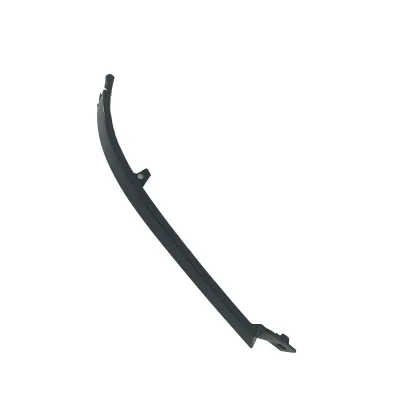
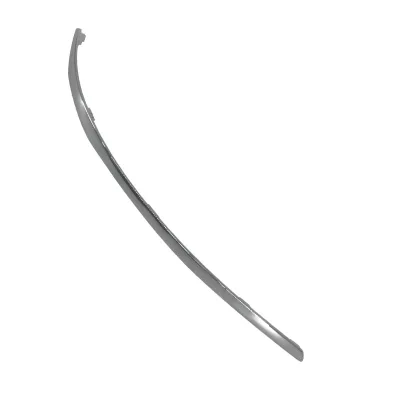


Comprehensive Sourcing Guide
Strategic Sourcing Guide for Rear Bumper Decorative Strips
The global automotive aftermarket and original equipment manufacturing (OEM) sectors continue to demand high-quality exterior trim components that balance aesthetic enhancement with functional protection. For buyers researching the core keyword "Rear Bumper Decorative Strip," the procurement landscape is defined by a diverse array of materials, from rigid plastics to flexible silicone compounds. This guide synthesizes observed market data and technical attributes to provide a disciplined framework for sourcing these components. The focus remains on evidence-based verification of product specifications, ensuring that procurement decisions are grounded in the actual characteristics of the supply base rather than unverified marketing claims.
Technical Specifications and Material Composition
Understanding the physical and chemical properties of the decorative strip is the first step in any successful sourcing strategy. The market presents a dichotomy in material composition, with the primary observed materials being ABS (Acrylonitrile Butadiene Styrene) and Organic Silicone. ABS is frequently cited for its structural rigidity and suitability for molding complex shapes, making it a standard choice for rigid molding strips designed to protect the rear bumper or fender. In contrast, Organic Silicone products are often characterized as solid silicone strips, offering superior flexibility and resistance to extreme temperature fluctuations.
The dimensional specifications vary significantly based on the intended application. Observed data indicates a standard length of 3 meters for certain flexible strip applications, with widths ranging from 6.5 centimeters (approximately 2.6 inches). Other product configurations list specific dimensions such as 12.8 by 8 by 3 centimeters or 17 by 25 by 18 centimeters, suggesting that buyers must carefully distinguish between linear strip lengths and pre-cut protective pads. The shape of the product is often customizable, allowing for adaptation to specific vehicle contours, while the color palette typically includes black, red, blue, and various combinations such as black and red.
Installation features are a critical technical differentiator. Many products in the supply base are designed with "Easy Installation" as a primary attribute, often utilizing M3 double-sided tape as a standard packaging accessory. This adhesive method eliminates the need for drilling or permanent modification of the vehicle body, aligning with the "New" condition requirement for aftermarket upgrades. The functional requirements extend beyond decoration; the strips are explicitly designed to be dustproof and waterproof, serving a dual purpose of aesthetic enhancement and body protection against road debris and environmental elements.
Compliance, Certification, and Safety Standards
In the B2B procurement of automotive accessories, verifying compliance with international safety and environmental standards is non-negotiable. The supply base for rear bumper strips includes products that have undergone rigorous testing to meet specific regulatory frameworks. Observed certifications for these components include RoHS (Restriction of Hazardous Substances), REACH (Registration, Evaluation, Authorisation and Restriction of Chemicals), and ISO (International Organization for Standardization) compliance. These certifications indicate that the materials used, particularly the organic silicone and ABS plastics, do not contain restricted hazardous substances and adhere to chemical safety protocols.
Buyers must verify that the specific batch of products they intend to purchase carries these certifications. While some products list a "Standard" designation or specific length standards like 1.6 meters or 2.1 meters, these should be treated as product-specific attributes rather than universal industry mandates. The presence of certifications such as RoHS and REACH is particularly vital for exports to the European Union and other regulated markets. It is essential to request current certification documentation from the supplier to ensure that the materials have not been substituted with non-compliant alternatives during production.
Additionally, the "Standard" classification observed in some listings suggests adherence to general industry norms, but buyers should not assume that all products meet specific automotive safety standards without explicit verification. The distinction between "Standard" and "Customized" standards is crucial; customized products may require specific validation for their unique dimensions or material blends. For applications involving agricultural, industrial, medical, or household use, the compliance requirements may differ from those for automotive applications, necessitating a clear definition of the product's intended use case during the sourcing process.
Cost Drivers and Pricing Dynamics
The pricing structure for rear bumper decorative strips is influenced by a complex interplay of material costs, customization levels, and order volume. The observed price range in the market spans from $0.15 to $1,500 USD, a variance that reflects the difference between single-item retail units and bulk industrial orders. The lower end of the spectrum typically corresponds to basic ABS or silicone strips sold in small quantities, often packaged in OPP bags or simple cartons. The higher end of the price range may reflect specialized custom-molded components, large volume orders, or products with premium packaging and additional accessories.
Minimum Order Quantity (MOQ) is a significant factor in determining the unit cost. The observed MOQ range extends from 1 to 10,000 units. Buyers purchasing small quantities, such as single items or small batches for testing, will face higher per-unit costs. Conversely, suppliers offering high supply abilities, such as 300 pieces per month, may provide more competitive pricing for larger orders. The packaging method also impacts cost; products shipped in "Carton + Pallet" configurations for bulk transport incur different logistics costs compared to those in "OPP Bag" or "Bag" packaging for individual units.
Customization is another primary cost driver. Products with "Customization: Available" and "Shape: Customize" attributes allow buyers to tailor the strip to specific vehicle models or design requirements. However, this flexibility often introduces tooling costs and longer lead times, which can increase the overall procurement cost. Buyers must weigh the benefits of a perfect fit against the added expense of custom tooling. Furthermore, the origin of the product, whether from Guangdong, China, or Taiwan, can influence pricing due to differences in labor costs, logistics, and tariff structures.
Typical Applications and Vehicle Compatibility
The versatility of rear bumper decorative strips allows them to serve a wide range of applications beyond simple aesthetic enhancement. While the primary function is "Car Exterior Decoration," the product attributes indicate a robust utility in "Protection Car Body" and "Car Tail Protection." These strips are specifically designed to shield the rear bumper and rear fender from scratches, stone chips, and minor impacts. The "Universal" car make and model designation suggests that many products are designed to fit a broad spectrum of vehicles, though specific fitting positions like "Rear Bumper" and "Rear Fender" require careful measurement to ensure compatibility.
The application extends to various vehicle types, including cars where the "Car Make" is listed as "Other" or "Universal." This universality is achieved through the customizable nature of the strips, which can be trimmed or shaped to fit different contours. The "Easy Installation" feature makes these products particularly suitable for DIY applications and quick aftermarket upgrades. However, buyers should note that while the product is labeled as "Universal," the actual fitment depends on the specific dimensions of the vehicle's bumper and the precise shape of the strip.
In addition to automotive use, some product listings indicate applications in "Agricultural, Industrial, Medical, and Household" sectors. This suggests that the material properties, such as the durability of ABS or the flexibility of silicone, make these strips suitable for sealing or protecting equipment in diverse environments. For automotive buyers, the primary focus remains on the "Car Sticker" and "Car Molding Strip" classifications, ensuring that the product meets the specific aesthetic and protective needs of the vehicle owner.
Supplier Evaluation and Supply Chain Considerations
Evaluating suppliers for rear bumper decorative strips requires a thorough assessment of their manufacturing capabilities, logistics, and reliability. The supply base includes manufacturers from key production hubs such as Guangdong, China, and Taiwan. The "Place of Origin" is a critical factor, as it influences the quality control processes and the ability to meet specific regional standards. Suppliers from these regions often have established supply chains for automotive components, but buyers must verify the specific factory capabilities.
Key evaluation criteria include the "Supply Ability," which for some suppliers is listed as 300 pieces per month. This figure may be a constraint for buyers requiring large volumes, necessitating a discussion with the supplier to confirm if this capacity can be scaled. The "Port of Dispatch," such as "Taiwan ANY PORT," provides insight into the logistics network and potential shipping times. Buyers should also examine the "Packaging Details," which range from "1pc in a carton" to "Carton + Pallet," to ensure that the packaging is sufficient to protect the product during transit.
The "Condition" of the product is consistently listed as "New," indicating that suppliers provide fresh inventory rather than refurbished or used goods. However, buyers should verify the "Product Name" and "Model Number" (e.g., CB) to ensure that the specific item matches their requirements. The availability of "Customization" and "Features" like "Durable" and "Waterproof" should be confirmed through sample testing before placing a large order. Finally, the "Selling Units" being listed as "Single item" suggests that the market supports both retail and wholesale purchasing models, offering flexibility to buyers of all sizes.
Quality Control and Long-Term Procurement Strategy
Implementing a robust quality control (QC) strategy is essential for maintaining the integrity of the supply chain for rear bumper decorative strips. Given the diverse materials and applications, buyers should establish clear acceptance criteria based on the observed attributes. Key QC checkpoints include verifying the material composition (ABS vs. Silicone), checking the dimensions against the specified standards (e.g., 3m x 6.5cm), and confirming the presence of required accessories like M3 double-sided tape. The "Function" of being "Dustproof and Waterproof" should be validated through practical testing, especially for products intended for harsh environmental conditions.
Long-term procurement considerations involve building a relationship with suppliers who can consistently deliver high-quality products. The "Customization" capability of the supply base offers a strategic advantage for buyers looking to differentiate their products or meet specific vehicle requirements. However, this requires a clear communication channel to manage design changes and ensure that the "Shape" and "Color" remain consistent across production runs. Buyers should also monitor the "Certification" status of their suppliers to ensure ongoing compliance with RoHS, REACH, and ISO standards.
Finally, the "Usage" of the product, whether for "Doors & Windows" or "Car Tail Protection," dictates the durability requirements. Products with "Hard Rubber" or "Metal Rubber Compound" attributes may offer different performance characteristics compared to standard ABS or silicone strips. Buyers should align their procurement strategy with the specific performance needs of their target market, ensuring that the selected products meet the expected lifespan and functional requirements. By focusing on these evidence-based criteria, buyers can navigate the complex landscape of rear bumper decorative strips with confidence and precision.
FAQs
What materials are used for rear bumper decorative strips?
The primary materials observed are ABS plastic and organic silicone. ABS provides structural rigidity for molding, while organic silicone offers superior flexibility and temperature resistance for solid strip applications.
How are these strips installed on the vehicle?
Installation is designed to be easy, typically utilizing M3 double-sided tape included in the packaging. This method allows for attachment without drilling or permanent modification to the vehicle body.
Which certifications ensure product safety and compliance?
Products often carry RoHS, REACH, and ISO certifications to ensure compliance with international safety standards. These verify that materials do not contain restricted hazardous substances suitable for export markets.
Can the shape and size of the strip be customized?
Yes, customization is available for both shape and size to fit specific vehicle contours. Buyers can request tailored dimensions, though this may impact tooling costs and lead times compared to standard items.
What is the typical price range for these components?
The observed price range spans from 0.15 to 1500 USD depending on volume and customization. Lower prices apply to single items or basic ABS strips, while higher costs reflect bulk orders or specialized molds.
Where are these products typically manufactured?
Products originate from key manufacturing hubs including Guangdong, China, and Taiwan. The place of origin influences logistics and quality control processes available to the buyer during the sourcing phase.
Do these strips offer protection beyond decoration?
Yes, they provide dustproof and waterproof protection for the rear bumper and fender. The strips serve a dual function of aesthetic enhancement and shielding the car body from road debris and impacts.