Source Recyclable PE Cosmetic Tube with Gold Flip Cap for Cosmetics, Medicine, and Food
Find 30 listings for the Recyclable PE Cosmetic Tube with Gold Flip Cap, featuring PE tubes and PP caps. Buyers can compare models like BN-PL#50 and BN-PT-35, noting certifications such as ISO and origins in Zhejiang and Guangzhou.
Key considerations
Products List


Cosmetic Packaging Empty Plastic Tube with Flip Cap for Sunscreen Cream
$0.12 - $0.15
MOQ: 10000 Pieces


10ml 15ml 20ml Soft Cosmetic Tube, Plastic Soft Tube with Flip Top Cap
$0.05 - $0.40
MOQ: 10000 Pieces


Cosmetic Tube, High Quality Cosmetic Tube, Hand Cream Cosmetic Tube, Packaging Cosmetic Tube
$0.05 - $0.40
MOQ: 10000 Pieces

Wholesale Plastic Soft Tube 100ml Matte Black PE Cosmetic Tube with Flip Cap
$0.03 - $0.30
MOQ: 10000 Pieces

Custom Color Plastic Cosmetic Tube Hand Cream Packaging Tube with Flip-Cap
$0.20 - $0.60
MOQ: 10000 Pieces


Luxury Black Gold Lipstick Tube with Gold Plated Inner Tube for Cosmetic Use
$0.60 - $0.65
MOQ: 10000 Pieces

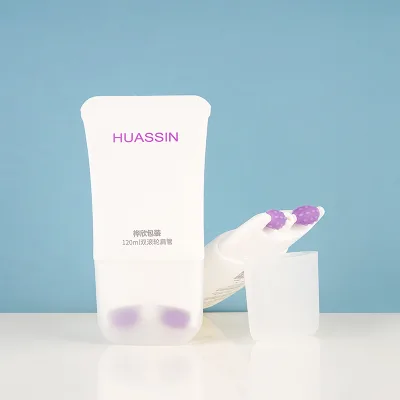

Comprehensive Sourcing Guide
Strategic Sourcing Guide for Recyclable PE Cosmetic Tubes with Gold Flip Caps
Understanding the Product Architecture and Material Composition
The core keyword "Recyclable PE Cosmetic Tube with Gold Flip Cap" describes a specific packaging solution widely utilized in the personal care and pharmaceutical sectors. Based on the observed product attributes, the primary body of the tube is constructed from Polyethylene (PE), a thermoplastic polymer known for its flexibility, chemical resistance, and ability to be squeezed to dispense viscous contents. The supply chain data indicates that while PE is the dominant material for the tube body, Aluminum is also a noted material option in the broader category, suggesting buyers must verify the specific material composition of their target lot to ensure it matches the "PE" requirement.
The structural integrity of these tubes often relies on a multi-layer construction, though the provided facts highlight a "Hollow" attribute and a "Round" shape, which are standard for this product type. The cap is specified as a "Flip Top Cap" made from Polypropylene (PP). This combination of a PE tube and a PP cap is critical for the recyclability claim, as these are distinct, single-material streams that facilitate separation during recycling processes. The surface treatment options observed include Offset Printing, Silk Screen Printing, and various finishes such as Matte, Glossy, and Reverse UV. These processes are essential for applying the "Gold" finish mentioned in the keyword, which is typically achieved through metallic inks or foiling during the surface treatment phase rather than being an inherent property of the base plastic.
Technical Specifications and Dimensional Standards
When evaluating potential suppliers, buyers must scrutinize the technical specifications to ensure the tube meets the functional requirements of the product it will contain. The observed product models, such as BN-PL#50, BN-PT-35, and BN-ST-42, indicate a wide range of customization capabilities. The dimensional standards vary significantly across the market, with observed specifications ranging from a diameter of 19mm to 40mm, and volumes spanning from 3ml to 300ml. A specific standard noted is a diameter of 40mm, while another entry specifies a diameter of 25mm.
Buyers should verify the exact diameter and volume requirements against their formulation's viscosity and dispensing needs. The "Hollow" attribute confirms the tube is designed to hold liquid or semi-solid products, while the "Hardness" attribute, listed as "Hoses" in the data, suggests a flexible structure that can be compressed. The standard export packaging involves cartons and pallets, but specific packing requirements like "Carton Outside and Plastic Bag Inside" or "According to Customer's Requirements" must be negotiated. It is vital to confirm that the selected model, such as the BN-PT-0028, aligns with the desired diameter and volume, as the "ODM & OEM" specification implies that dimensions can be tailored, but the base mold availability may limit certain sizes.
Compliance, Certification, and Environmental Standards
Environmental compliance is a primary driver for sourcing "recyclable" products. The data explicitly lists "ISO" and "SGS" as certifications associated with these products. Furthermore, the product standards reference ISO 14000, ISO 14001, and ISO 9001. These standards indicate that the manufacturing facilities adhere to international quality management systems (ISO 9001) and environmental management systems (ISO 14001/14000). The presence of SGS certification suggests that third-party verification of quality and safety is available, which is crucial for cosmetics and medicine applications.
However, buyers must exercise caution regarding the "recyclable" claim. While the material is PE and the cap is PP, the recyclability of the final product depends on the local waste management infrastructure and the separation of the cap from the tube. The observed attributes confirm the materials are recyclable in principle, but the specific recycling status should be verified against the target market's regulations. The "Standard Exported Carton" packaging and the origin locations in Zhejiang, Hangzhou, and Guangzhou, Guangdong, China, suggest a supply chain rooted in major Chinese manufacturing hubs known for plastic processing. Buyers should request specific documentation from the supplier proving that the PE and PP materials used meet the recycling criteria of the destination country, as the "ISO" certification covers the management system but does not automatically guarantee the end-of-life recyclability of the specific product batch without further verification.
Cost Drivers and Minimum Order Quantity Analysis
The economic landscape for sourcing these tubes is defined by significant volume requirements. The observed Minimum Order Quantity (MOQ) ranges from 5,000 to 50,000 units, with a specific data point noting an MOQ of 10,000 PCS. This high threshold indicates that the product is designed for mass production rather than small-batch prototyping. The price range observed is between $0.03 and $0.90 USD per unit. This wide variance suggests that the final cost is heavily influenced by the complexity of the surface treatment, the specific dimensions, and the volume of the order.
The "Gold" finish on the flip cap is a significant cost driver. Achieving a metallic gold appearance typically requires additional processing steps such as hot stamping or specialized metallic inks, which are more expensive than standard single-color printing. The "Surface Handling" options listed, including Matte, Glossy, and Reverse UV, also impact the unit price. Buyers must balance the aesthetic requirements of the gold cap against the budget constraints imposed by the high MOQ. Additionally, the "Customization" attribute being "Available" implies that any deviation from standard molds will incur tooling costs and potentially higher unit prices. The "prod_packing" being "According to Customer's Requirements" also introduces variable costs, as custom palletizing or specialized inner packaging will increase the total landed cost.
Typical Applications and Usage Compatibility
The versatility of PE cosmetic tubes with flip caps is evidenced by the broad range of applications listed in the product attributes. The "Usage" field explicitly includes Cosmetics, Medicine, Toothpaste, Food, and Chemical products. This indicates that the material is compatible with a wide array of formulations, from high-viscosity creams and lotions to liquid soaps and gels. The "Chemical" usage note suggests resistance to a range of solvents and active ingredients, making these tubes suitable for professional skincare or pharmaceutical dispensing.
The specific product models observed, such as those with diameters of 16-60mm and volumes up to 300ml, support their use in both travel-sized and full-size retail packaging. The "Round" shape and "Hollow" structure are ideal for squeezing out contents without the need for pumps, which is a key advantage for consumers. The "Flip Top Cap" design offers convenience and hygiene, preventing contamination of the product inside. However, buyers must ensure that the specific formulation they intend to package does not react with the PE material or the PP cap. While the "ISO 9001" standard implies quality control, the chemical compatibility should be verified through specific testing, especially for "Medicine" and "Chemical" applications where purity is critical.
Supplier Evaluation and Quality Control Protocols
Evaluating suppliers for this product category requires a focus on their manufacturing capabilities and quality assurance processes. The observed origins in Zhejiang, Hangzhou, and Guangzhou, Guangdong, China, point to established industrial clusters for plastic packaging. Buyers should verify that the supplier holds the specific certifications mentioned, such as ISO 14001 and SGS, and request current audit reports. The "OEM" and "ODM" capabilities listed indicate that suppliers can customize molds and designs, but this requires a robust intellectual property protection strategy.
Quality control should be a multi-stage process. First, verify the material composition to ensure the tube is indeed PE and the cap is PP, as "Aluminum" was also listed in the data, creating a potential for confusion. Second, inspect the surface treatment to ensure the "Gold" finish is consistent and does not flake, as "Offset Printing" and "Silk Screen Printing" can yield different results. Third, check the mechanical integrity of the flip cap to ensure it opens and closes smoothly and seals tightly to prevent leakage. The "Standard Exported Carton" packaging should be inspected for durability to prevent damage during shipping. Buyers should also confirm the "prod_packing" details, ensuring that the inner plastic bags and outer cartons meet their specific logistics requirements.
Long-Term Procurement Considerations and Supply Chain Resilience
Sourcing recyclable PE tubes with gold flip caps is not just a one-time transaction but a long-term partnership that requires strategic planning. The high MOQs (5,000-50,000 units) mean that buyers must forecast demand accurately to avoid overstocking or stockouts. The "Customization" feature allows for brand differentiation, but changes to the design or material specifications can lead to significant lead times and costs. Buyers should establish a clear communication channel with the supplier regarding the "prod_standard" and "prod_model" to ensure consistency across production runs.
Furthermore, the "recyclable" attribute is subject to evolving global regulations. Buyers must stay informed about changes in plastic recycling laws in their target markets to ensure their packaging remains compliant. The "ISO 14000" and "ISO 14001" certifications provide a foundation, but continuous monitoring of the supplier's environmental practices is necessary. The "Lead Time" and "Location" factors, while not explicitly quantified in the data, are critical for supply chain resilience. Sourcing from multiple regions, such as Zhejiang and Guangdong, can mitigate risks associated with regional disruptions. Finally, the "MOQ" of 10,000 PCS or higher suggests that buyers should consider consolidating orders or forming consortia with other brands to meet volume requirements and negotiate better pricing.
FAQs
What certifications do these tubes hold?
These tubes hold ISO and SGS certifications. The manufacturing facilities also adhere to ISO 14000, ISO 14001, and ISO 9001 standards to ensure quality and environmental management compliance for your specific needs.
Which materials are used for the tube and cap?
The tube body is made of Polyethylene (PE) and the cap is Polypropylene (PP). While some listings mention Aluminum, the core recyclable product uses PE for the body and PP for the flip top cap.
Can I customize the packaging requirements?
Yes, customization is available for packaging. Options include standard export cartons, cartons with plastic bags inside, or specific requirements based on customer needs like palletizing for efficient shipping.
What is the minimum order quantity for these tubes?
The minimum order quantity ranges from 5,000 to 50,000 units. Specific listings indicate an MOQ of 10,000 pieces, so buyers must plan for high-volume production rather than small batches.
How are the tubes packaged for export?
Tubes are typically packed in standard exported cartons or cartons with plastic bags inside. Some suppliers offer packing according to customer requirements, including carton and pallet configurations for bulk shipping.
Where are these products manufactured?
These products originate from manufacturing hubs in China, specifically Zhejiang, Hangzhou, and Guangzhou, Guangdong. These locations are known for their established plastic processing and packaging supply chains.
What surface treatments are available for the gold finish?
Available surface treatments include offset printing, silk screen printing, and finishes like matte, glossy, and reverse UV. The gold appearance is achieved through these printing and finishing processes on the cap or tube.