Source Recyclable Pe Plastic Shopping Bag for Retail, Grocery, and Promotion
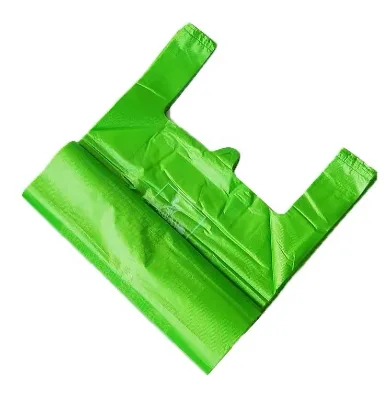
Find 30 listings for recyclable pe plastic shopping bag options suitable for retail, grocery, and promotional use. Compare features like biodegradability, heat sealing, and custom sizes from verified Chinese manufacturers to find the right fit for your business needs; compare the available evidence and request quotations based on your requirements.
Key considerations
Products List


Comprehensive Sourcing Guide
Recyclable PE Plastic Shopping Bag Sourcing Guide
Buyers must first distinguish between standard polyethylene bags and those explicitly marketed as biodegradable or recyclable, as the supply chain for these materials often diverges significantly. The observed product data indicates a strong presence of HDPE and LDPE standards, with specific listings highlighting biodegradable features alongside traditional recyclable attributes. This distinction is critical because the end-of-life processing requirements for biodegradable films differ from those for standard recyclable PE, affecting both disposal logistics and regulatory compliance in target markets.
Procurement teams should verify that the "recyclable" claim is backed by specific material grades rather than generic marketing terms. The available listings confirm the use of PE materials with customizable thickness ranging from 0.04mm to 0.12mm, which directly influences the bag's durability and its suitability for recycling streams. Buyers need to ensure that the selected thickness aligns with local recycling facility capabilities, as bags that are too thin may be rejected by sorting machinery, while those that are too thick may incur unnecessary material costs without added functional benefit.
Product Scope and Observed Listing Signals
The market for recyclable PE shopping bags encompasses a wide range of applications, from general household use and grocery shopping to promotional events and gift packaging. The observed product attributes confirm that these bags are designed for adult use and are available in multicolor options, allowing brands to align packaging with specific marketing campaigns. The versatility of the product is further evidenced by the availability of various sizes and customized dimensions, enabling buyers to select the exact capacity needed for different product categories, including food, garbage, and home appliances.
When evaluating listings, buyers should look for specific sealing and bottom construction details that impact functionality. The data shows that options include heat-sealed seams with either star-sealed or flat-sealed bottoms, which are crucial for preventing leaks and ensuring structural integrity during transport. Additionally, the surface finish is noted as smooth, which facilitates printing and branding. Buyers must confirm that the chosen sealing method matches their filling equipment capabilities to avoid production bottlenecks or product damage during the packing process.
Technical Specifications to Verify
Material composition is the primary technical variable that determines the performance and environmental profile of the bag. While the core keyword specifies PE, the supply data reveals a mix of HDPE and LDPE standards, with some listings explicitly mentioning biodegradable formulations. Buyers must request material certificates to confirm the exact polymer blend, as the ratio of virgin to recycled content significantly impacts the bag's tensile strength and its acceptance in closed-loop recycling programs.
Physical performance metrics such as weight limits and hardness are equally critical for operational success. The observed listings indicate a weight capacity of 5-10 kg with a medium-soft hardness profile, suggesting these bags are optimized for general retail loads rather than heavy industrial waste. Buyers should verify that the specified thickness and hardness meet the specific load requirements of their products, ensuring the bag remains waterproof, mildewproof, and dustproof under expected storage and transport conditions without tearing or failing.
Compliance and Safety Documentation
Regulatory compliance for plastic packaging varies widely by region, making documentation verification a non-negotiable step in the sourcing process. The available product data lists certifications such as TUV Sud, SGS, and CE certificates, which serve as evidence of third-party testing for safety and material quality. Buyers must ensure that these certificates are current and specifically cover the product model and material composition being purchased, as generic certifications may not apply to customized variations or specific thickness ranges.
Beyond general safety, environmental claims require rigorous substantiation to avoid greenwashing allegations. The presence of "biodegradable" and "recyclable" attributes in the listings necessitates proof of compliance with relevant international standards for degradation rates and recycling processes. Buyers should demand test reports that validate these claims, particularly for markets with strict plastic regulations, to ensure that the product meets local legal requirements for waste management and environmental labeling.
Cost Drivers and Commercial Terms
Pricing for recyclable PE bags is heavily influenced by raw material volatility and the complexity of customization. The observed price range spans from nominal values up to $90,000, reflecting the diversity of products from simple bags to complex machinery or bulk industrial orders. Buyers must analyze whether the quoted price includes the cost of custom molds, specific color formulations, or specialized biodegradable additives, as these factors can cause significant price deviations compared to standard off-the-shelf inventory.
Minimum Order Quantities (MOQ) and lead times are the other primary commercial variables that affect total cost of ownership. The data indicates an MOQ range from 1 to 300,000 units, offering flexibility for both small startups and large enterprises. However, buyers should note that customized orders, particularly those requiring specific biodegradable formulations or unique sealing methods, often carry higher MOQs and longer lead times. Negotiating these terms early is essential to align production schedules with inventory needs and to avoid rush fees that can erode profit margins.
Supplier Qualification and Quality Control
Supplier qualification extends beyond basic business registration to include a proven track record in manufacturing specific plastic film products. The supply data points to origins in China, with specific mentions of Weifang and Guangdong, regions known for plastic processing capabilities. Buyers should verify the supplier's production capacity and equipment, noting that some listings describe automated granulators and machinery with specific components like Siemens motors and ABB inverters, which suggests a high level of manufacturing sophistication.
Quality control protocols must be established to ensure consistency across large production runs. The observed product attributes include standardized packing methods like carton boxes and seaworthy film packing, which are essential for protecting the bags during transit. Buyers should require a pre-shipment inspection plan that verifies critical dimensions, seal strength, and material consistency. Additionally, confirming that the supplier offers customizable service and design support ensures that any quality issues can be addressed through rapid design iterations rather than costly batch rejections.
Long-Term Procurement Checks
Sustainable sourcing requires a commitment to monitoring the environmental impact of the supply chain over time. Buyers should establish a periodic review process to verify that the supplier continues to meet the biodegradable or recyclable standards initially agreed upon, as material formulations can change without notice. Regular audits of the supplier's waste management practices and recycling partnerships can provide assurance that the product's end-of-life claims remain valid and compliant with evolving global regulations.
Building a resilient supply chain also involves diversifying sources to mitigate risks associated with raw material shortages or geopolitical disruptions. Given the observed concentration of suppliers in specific Chinese regions, buyers should consider qualifying backup suppliers in different locations to ensure continuity of supply. Long-term contracts should include clauses that mandate transparency regarding raw material sourcing and allow for adjustments in specifications as recycling technologies and market demands evolve, ensuring the procurement strategy remains robust and future-proof.
FAQs
What materials are used for these recyclable bags?
These bags are manufactured from PE, specifically HDPE or LDPE standards, ensuring they are both recyclable and biodegradable. The material choice supports environmental goals while maintaining durability for shopping and household use. Some variants also utilize PP for granulation processes, offering flexibility in sourcing based on specific application needs and sustainability requirements.
Can these bags be customized for branding?
Yes, customization is available for these recyclable PE plastic shopping bags. Buyers can request specific sizes, colors, and designs to suit promotional or retail needs. The production process supports customized services, allowing for tailored solutions that meet distinct branding requirements while adhering to standard sealing and packaging protocols for efficient distribution.
What certifications do these products hold?
These products hold various certifications including TUV Sud, SGS, CE, and ISO9001. These credentials verify compliance with international quality and safety standards. The presence of TUV Testreports and CE certificates ensures that the bags meet rigorous regulatory requirements, providing buyers with confidence in the product's reliability and suitability for global markets.
What is the typical weight limit for these bags?
The typical weight limit for these bags ranges from 5 to 10 kg. This capacity makes them suitable for grocery, food, and household packing applications. The medium soft hardness and star or flat sealed bottoms provide structural integrity, ensuring the bags can safely carry moderate loads without tearing during transport or storage.
Are these bags suitable for food packaging?
Yes, these bags are suitable for food packaging as well as household and grocery use. They are designed to be waterproof, mildewproof, and dustproof, protecting contents effectively. The biodegradable and recyclable nature of the PE material ensures they are safe for indirect food contact while supporting eco-friendly disposal practices after use.
How are these bags packaged for shipment?
These bags are packaged in carton boxes or standard craton packaging to ensure safe transit. Some variants may use film packing or seaworthy packing methods depending on the order size. This robust packaging protects the bags from damage during shipping, maintaining their quality and readiness for immediate use upon arrival at the destination.