Source Recycled Plastic Beverage Hemp Jars for Food, Tea, and Chemical Use
Find and compare 30 listings for Recycled Plastic Beverage Hemp Jars suitable for food, tea, and chemical applications. These containers feature PET or plastic materials with aluminum caps, offering customizable logos and various capacities like 250ml and 500ml for diverse industrial needs.
Key considerations
Products List
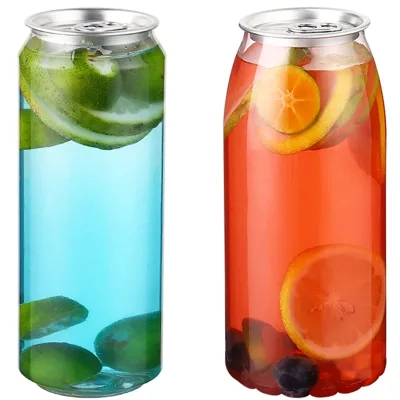


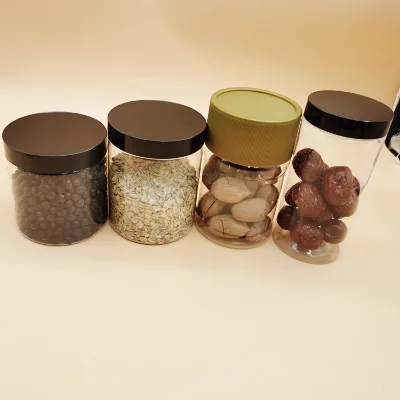
Elegant Coffee Jar with Lids Plastic Storage Jars for Convenient Storage Packaging
$0.43 - $0.46
MOQ: 5000 pieces

Sealed Clear Cylinder Shape Glass Storage Jars Coffee Bean Jars with Lid
$0.21 - $0.40
MOQ: 3000 Pieces


for Sale 85g Empty Coffee Jar Food Container Coffee Bean Glass Jar with Plastic Lid
$0.25 - $0.38
MOQ: 1000 Pieces


150ml 200ml Food Grade PP Square Jar Plastic Jar with Filp Cap Cookies Jar
$0.21 - $0.23
MOQ: 10000 Pieces


Comprehensive Sourcing Guide
Recycled Plastic Beverage Hemp Jars Sourcing Guide
Sourcing recycled plastic beverage containers requires a nuanced understanding of material science, regulatory compliance, and supply chain transparency. Buyers must distinguish between marketing claims of "eco-friendly" packaging and verifiable recycled content percentages, ensuring that the final product meets both functional integrity and sustainability goals. This guide provides a structured approach to evaluating suppliers, verifying technical specifications, and managing commercial risks associated with recycled PET (rPET) and alternative materials like hemp-infused composites.
The procurement process for beverage jars involves balancing cost efficiency with brand reputation. As consumer demand for sustainable packaging grows, suppliers increasingly offer solutions that combine recycled plastics with natural fibers. However, this complexity introduces variables in durability, sealing integrity, and regulatory approval. Buyers need a clear framework to assess these trade-offs, ensuring that the selected packaging solution supports their brand identity while adhering to international safety and environmental standards.
Product Scope and Observed Listing Signals
The market for recycled plastic beverage containers encompasses a wide range of formats, from standard PET bottles to specialized jars with unique sealing mechanisms. Observed listing signals indicate a diverse product landscape, with capacities ranging from small 210ml servings to larger 500ml volumes. These variations cater to different beverage types, including water, juices, and functional drinks, each requiring specific barrier properties to maintain freshness and prevent oxidation.
Material composition is a critical differentiator in this category. While many listings highlight 100% PET or recycled PET, some suppliers offer hybrid materials that may include hemp fibers or other natural additives to enhance sustainability credentials. Buyers should carefully review material specifications to understand the exact composition, as the presence of non-plastic fibers can affect recyclability and processing requirements. Additionally, cap materials, such as aluminum or plastic, play a significant role in the overall environmental impact and functionality of the package.
Technical Specifications to Verify
Verifying technical specifications is essential to ensure that the packaging meets the functional requirements of the beverage it will contain. Key attributes to confirm include wall thickness, which typically ranges from 0.5 mm to 1 mm, affecting the jar's durability and resistance to impact. Thicker walls may provide better protection but can increase material costs and weight, impacting logistics efficiency. Buyers should request detailed technical data sheets to validate these parameters against their specific needs.
Sealing integrity is another critical factor, with options ranging from easy-pull tear lids to traditional crown caps. The choice of sealing mechanism depends on the beverage type and consumer convenience preferences. For instance, crown caps offer a secure seal for carbonated drinks, while tear lids may be preferred for single-serve convenience. Additionally, the shape and dimensions of the jar, such as a round design with specific diameter and height ratios, must align with filling line equipment and shelf display requirements.
Compliance and Safety Documentation
Compliance with food safety standards is non-negotiable for beverage packaging. Buyers must ensure that suppliers provide relevant certifications, such as ISO, CE, or CIQ, which indicate adherence to quality management and safety protocols. These certifications are crucial for verifying that the materials used in the jars are safe for direct contact with food and beverages, preventing contamination and ensuring product integrity.
Environmental certifications also play a vital role in the procurement process, especially for brands committed to sustainability. Certifications like SGS or specific eco-friendly labels can validate claims regarding recycled content and biodegradability. Buyers should request documentation that outlines the lifecycle assessment of the packaging, including information on recyclability and the source of recycled materials. This transparency helps mitigate greenwashing risks and supports accurate marketing claims.
Cost Drivers and Commercial Terms
Understanding the cost drivers associated with recycled plastic beverage jars is essential for effective budgeting and negotiation. Key factors include the price of raw materials, particularly recycled PET resin, which fluctuates based on market supply and demand. Additionally, the complexity of the design, such as custom logos or unique shapes, can impact production costs. Buyers should analyze these variables to identify opportunities for cost optimization without compromising quality.
Commercial terms, including minimum order quantities (MOQ) and payment conditions, significantly influence the procurement strategy. Observed MOQs can range from small batches of 1000 pieces to larger orders of 10,000 pieces, depending on the supplier's capabilities and the customization level required. Buyers should negotiate flexible terms that allow for scalability, ensuring that they can adjust order volumes in response to market demand while maintaining favorable pricing structures.
Supplier Qualification and Quality Control
Supplier qualification is a critical step in mitigating procurement risks. Buyers should conduct thorough due diligence to assess the supplier's manufacturing capabilities, quality control processes, and track record in the industry. This includes verifying their production facilities, equipment, and workforce expertise, as well as reviewing their history of delivering consistent quality and meeting deadlines.
Quality control measures should be integrated into the procurement process to ensure that the final product meets specified standards. Buyers should implement regular inspections, including pre-production samples and during-production checks, to identify and address potential issues early. Additionally, establishing clear communication channels with the supplier facilitates timely resolution of any discrepancies, ensuring that the packaging meets both functional and aesthetic requirements.
Long-Term Procurement Checks
Long-term procurement success depends on continuous monitoring and evaluation of supplier performance. Buyers should establish key performance indicators (KPIs) to track metrics such as delivery times, defect rates, and responsiveness to issues. Regular reviews of these metrics help identify areas for improvement and ensure that the supplier remains aligned with the buyer's evolving needs and expectations.
Sustainability goals should also be revisited periodically to ensure that the packaging solution continues to meet environmental objectives. Buyers should engage in ongoing dialogue with suppliers to explore new technologies and materials that can further enhance the sustainability profile of the packaging. This proactive approach not only supports brand reputation but also prepares the supply chain for future regulatory changes and market shifts.
FAQs
What materials are used for the jars?
The jars are constructed from 100% PET plastic with aluminum caps. This combination ensures durability and effective sealing for various beverage applications while maintaining eco-friendly properties.
Can I request a customized logo on the product?
Yes, customized logos are acceptable and welcomed for these products. The surface handling includes screen printing to ensure your branding is applied clearly and professionally to the jar exterior.
What is the minimum order quantity for these items?
The minimum order quantity varies between 1000 and 3000 pieces depending on the specific configuration. Buyers should verify the exact MOQ for their selected capacity and customization requirements before placing an order.
Which certifications do the manufacturers hold?
Manufacturers hold ISO, CE, and CIQ certifications for these products. These standards ensure quality control and compliance with international safety requirements for food and chemical packaging applications.
How are the products packed for shipping?
Products are packed using egg-crate packing or carton methods to ensure safety during transit. The single package size is typically 18x15x15 cm with a gross weight of 0.500 kg per unit.
What capacities are available for the bottles?
Available capacities range from 210ml to 500ml for beverage use. Specific options include 250ml, 330ml, 350ml, 375ml, and 400ml to suit different product volume needs.